









|
In stock
|
Out of stock
|
||
|
|
|||
|
|
|||
Carabiners are universal connecting elements used for quick and reliable gear attachment. Thanks to their design, they allow instant clipping or unclipping of items, making them indispensable both in extreme conditions and in everyday life. They are used by climbers and mountaineers for belaying, by military personnel and law enforcement for securing gear elements, by hikers and travelers for attaching equipment to backpacks, as well as by rescuers during complex operations. Although a carabiner may seem like a small detail, it plays a critical role in safety and efficiency, helping to avoid the loss or damage of important items and greatly simplifying task execution. Without them, gear organization would be much more complicated and less reliable.
Tourist Carabiner
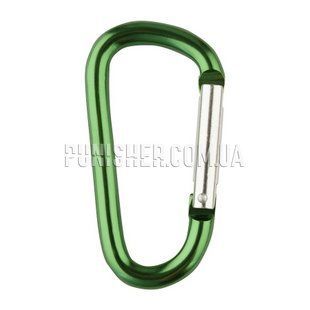
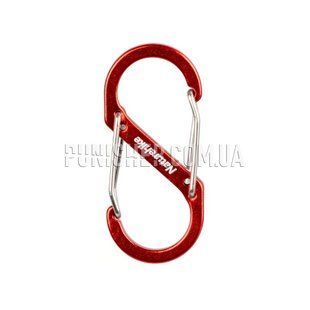
Tourist carabiners are a key piece of equipment for travelers who value convenience and reliability. They are not designed for critical loads such as belaying but rather for organizing and attaching various gear: from flasks and flashlights to small bags and camping utensils. These carabiners help free your hands quickly, secure items to a backpack or belt, and prevent their loss. They are used both by experienced hikers and by fans of camping, fishing, or simply spending time outdoors.
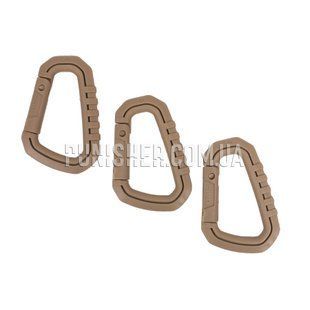
The main features of tourist carabiners are their light weight, compact size, variety of shapes and dimensions, as well as affordable price. They are mostly made of aluminum or plastic, making them practically weightless. In the assortment of the "Punisher" store, you can find different options, such as a set of aluminum carabiners from Naturehike or a large Vento carabiner with a Keylock sleeve. These models are perfect for those looking for a reliable and simple solution for organizing their hiking gear.
Military Carabiner
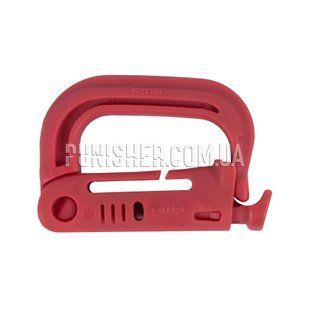
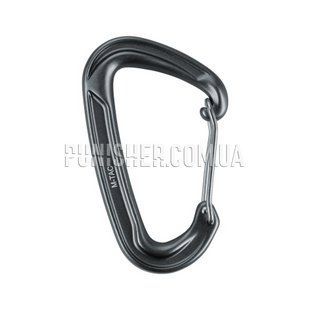
Tactical carabiners are an integral part of the equipment of soldiers and law enforcement officers, where reliability and functionality are critically important. Unlike tourist counterparts, they are designed for use in extreme conditions and to withstand significant loads. Their primary purpose is the quick securing and organization of gear: attaching flashlights, radios, gloves, tourniquets, and other items to tactical vests, belts, or backpacks. Thanks to them, a soldier can easily access essential items without wasting time and also prevent the loss of critical equipment.
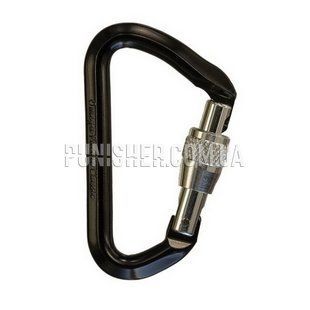
Military carabiners are characterized by high strength, wear resistance, a matte non-reflective surface, and often special locking mechanisms to prevent accidental opening. They are usually made of aluminum, steel, or durable plastic, allowing them to withstand heavy loads. On the "Punisher" website, you can find, for example, military models such as the M-Tac Grimloc, designed for MOLLE-interface mounting, as well as Omega Pacific carabiners, built for heavy loads and often used for belaying.
FAQ. Everything you ask about carabiners
Which characteristics matter when choosing a tactical carabiner?
When choosing a tactical carabiner, the most important characteristics are the material (typically aluminum, steel, or sturdy plastic), the maximum load rating, the type of lock (screw-lock, bayonet), and whether it has an anti-glare/matte finish. Also pay attention to weight and ergonomics so the carabiner does not interfere with performing tactical tasks.
How does a military carabiner differ from a camping/touring carabiner?
A military carabiner differs by having increased strength and wear resistance; it is rated for much higher loads. Its distinguishing feature is a special matte finish that does not produce reflections. A camping/touring carabiner is usually lighter, made of aluminum or plastic, and intended for attaching non-critical gear such as water bottles, flashlights, gloves, keys, small bags, first-aid kits, or other small items — it is not used for life-safety belaying.
What conditions are tactical carabiners best suited for?
Tactical carabiners are best suited for extreme conditions where speed, reliability and safety are required. They are ideal for military operations, special forces tasks, and also for airsoft/paintball, where organizing gear on MOLLE interfaces without the risk of losing tactical equipment is important.