









|
In stock
|
Out of stock
|
||
|
|
|||
|
|
|||
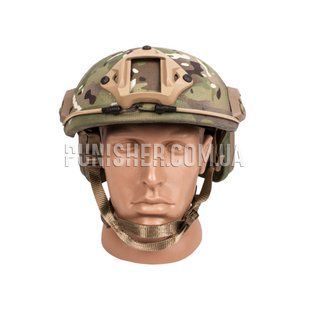
Military Helmet — reliable means of personal protection in modern conditions
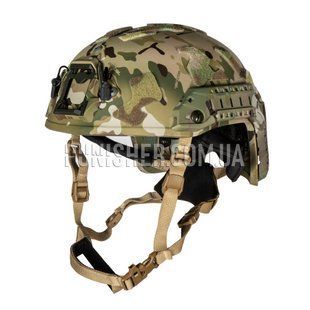
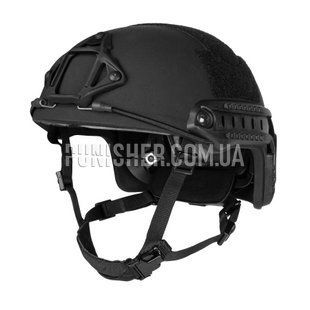
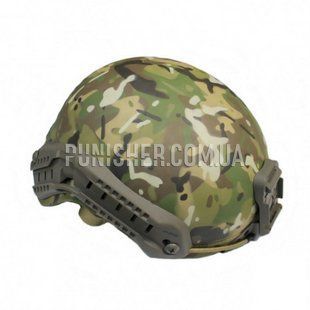
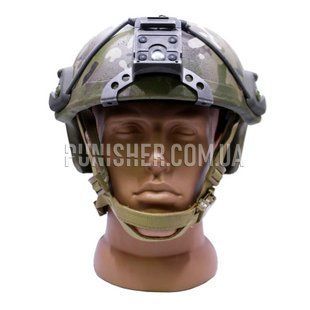
A helmet is a key element of individual head protection used in military, tactical, and special tasks. A protective helmet is intended for military personnel, law enforcement units, security guards, and civilians working in high‑risk conditions. The modern design of the helmet provides protection against fragments, impacts, and secondary injuries, combining safety, comfort, and functionality.
Armed Forces Helmet. Criteria confirming quality

✔️ Anatomical ballistic shape — the helmet covers most of the soldier’s head and effectively deflects bullets.

✔️ The suspension system — ensures a tight fit to the head without discomfort.

✔️ Manufacturing material — aramid fibers (Kevlar) and ultra‑high‑molecular‑weight polyethylene (UHMWPE).

✔️ Compatibility with equipment — supports NVG, active headphones, headsets, and tactical accessories.

✔️ Ventilation and comfort — internal cushioning pads and ventilation channels for comfortable wear.
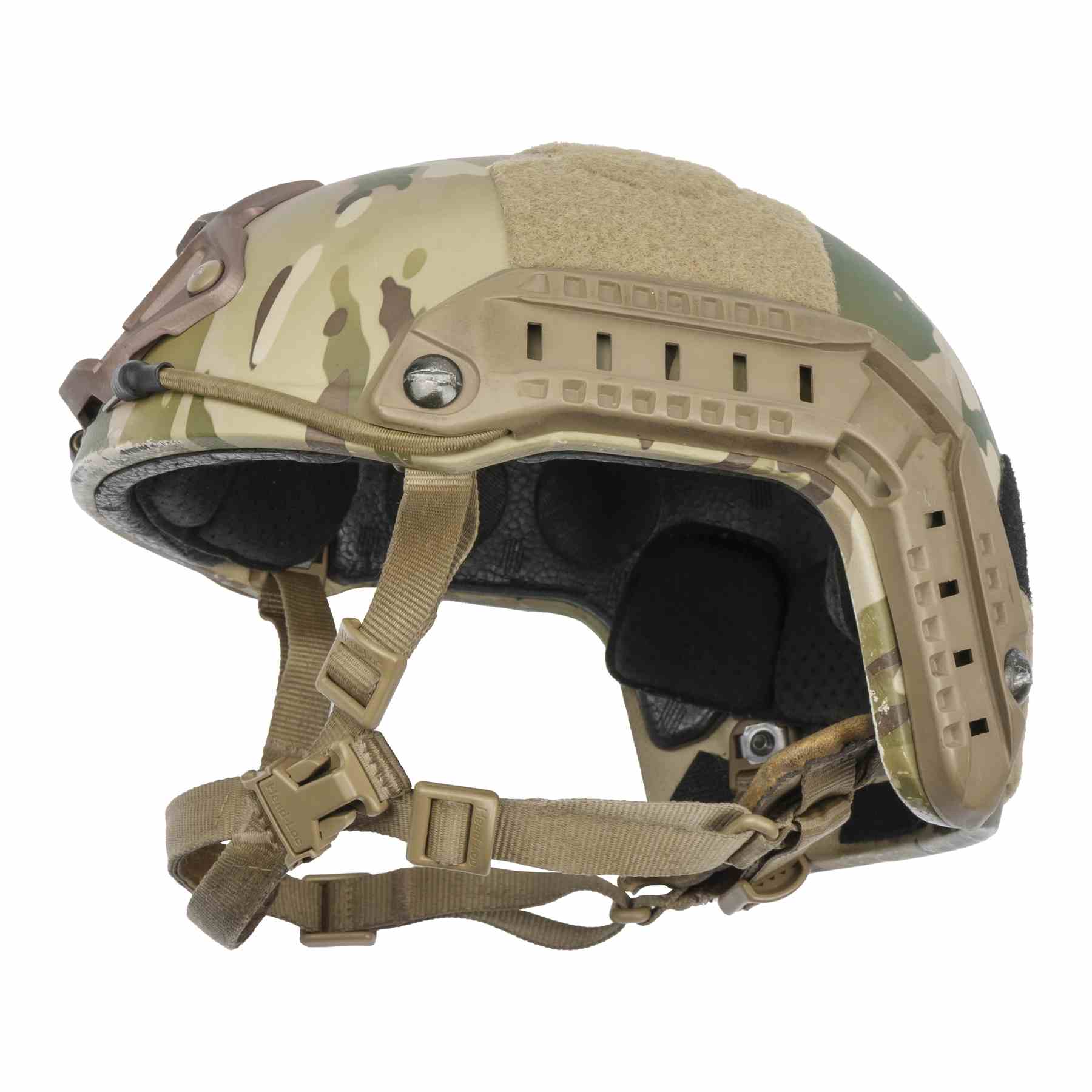
✔️ Mounting system — ARC rails and Velcro panels for installing additional gear.
Assortment of helmets from Punisher
In our catalog you will find:
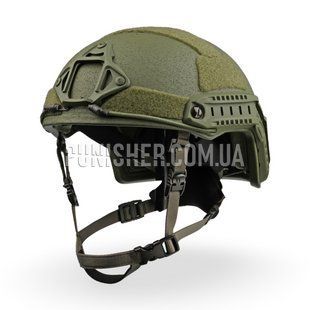
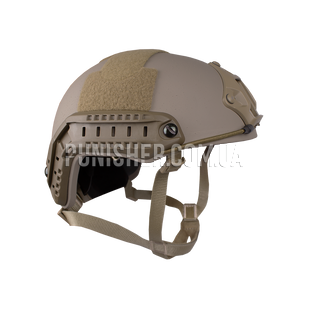
- FAST Helmets (High Cut, LE, XP, SF) — modern tactical models of various modifications: from basic to ultra‑light and with enhanced ballistic protection.
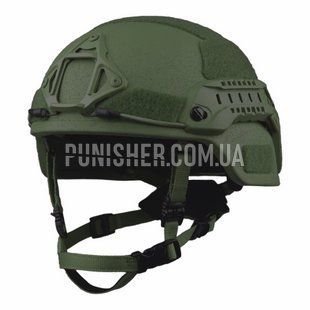
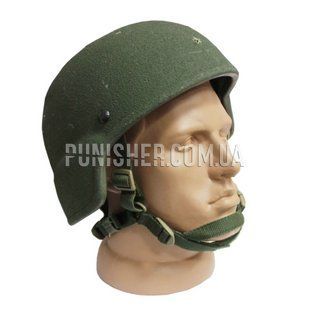
- MICH, ACH, and PASGT Models — classic military helmets used by the US Army and NATO countries, known for their proven design and reliability.
- Ultra‑light UHMWPE Helmets — helmets made of ultra‑high‑molecular‑weight polyethylene, combining low weight, high protection, and comfort during prolonged wear.
- Kevlar Helmets — models made of aramid fibers (Kevlar®, Twaron®, Technora®, etc.), effectively protecting against fragments and bullets according to the declared ballistic protection class.
Consultation on Choosing a Helmet. Advice from Punisher
Our consultants will help you choose a military helmet according to your tasks, required level of protection, and operating conditions, so that the equipment fully meets your needs.
 Specialist Consultation
Before buying a helmet, we recommend considering:
Ballistic protection class
Determines resistance to ballistic threats. For most modern combat helmets, NIJ IIIA is common, providing protection against pistol ammunition and fragments. Also check compliance with DSTU or other international standards.
Shell material
Usually aramid fibers or UHMWPE. Polyethylene models are lighter, while aramid ones are more heat‑resistant and durable.
Helmet weight
Directly affects comfort and fatigue during prolonged use. Modern ballistic helmets usually weigh between 1.1 and 1.6 kg depending on material, size, and protection class.
Cut type:
- High Cut — maximum compatibility with active headphones.
- Mid Cut — optimal balance between protection area and ergonomics.
- Full Cut — largest coverage of temporal and ear zones.
Suspension system
Quality adjustment ensures stable fit, even load distribution, and reduces fatigue.
Equipment compatibility
Presence of rails, NVG Shroud mount, and Velcro panels allows integration of night vision devices, headsets, flashlights, and other accessories.
Certification
Pay attention to compliance with international testing standards such as NIJ, STANAG 2920 (V50), VPAM, or DSTU, and the availability of official manufacturer test protocols.
FAQ. Frequently Asked Questions About Tactical Helmets
What Is the Difference Between ACH, MICH, and FAST Helmets?
MICH (Modular Integrated Communications Helmet) served as the basis for the ACH (Advanced Combat Helmet), which features an improved design with a similar profile. Both offer medium side coverage (Mid Cut). FAST (Future Assault Shell Technology) helmets feature a High Cut design, making them ideal for use with active hearing protection and modern communication systems.
Can I Wear a Helmet Over a Cap or Bandana?
No. Wearing a cap or bandana under a helmet is not recommended, as any additional layer between the head and the suspension system can reduce stability and decrease the effectiveness of the impact-absorbing pads. In cold weather, use a dedicated helmet liner or thermal balaclava instead.
How Do I Choose the Correct Helmet Size?
Measure your head circumference with a measuring tape by wrapping it above the eyebrows, about 2 cm above the ears, and around the widest part of the back of the head. Compare the measurement with the manufacturer's size chart: S (up to 54 cm), M (54–57 cm), L (57–60 cm), and XL (60–63 cm). The helmet should fit snugly without causing pressure or shifting during rapid movement.
Can a Night Vision Device (NVD) Be Mounted on a Helmet?
Yes. If the helmet is equipped with an NVG shroud, compatible mounts such as Wilcox, Norotos, or similar systems can be installed. When using heavier night vision devices, adding a counterweight is recommended to improve balance and reduce strain on the neck.
Your helmet for missions Is already waiting for you
Choose a reliable ballistic helmet for maximum protection and comfort during tasks.
Be prepared for any conditions with quality gear.
Get Consultation