



|
In stock
|
Out of stock
|
||
|
|
|||
|
|
|||
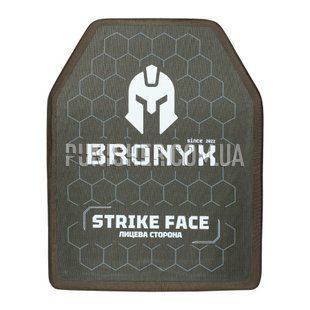
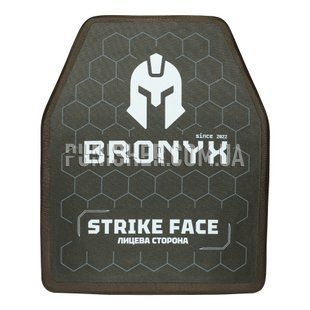
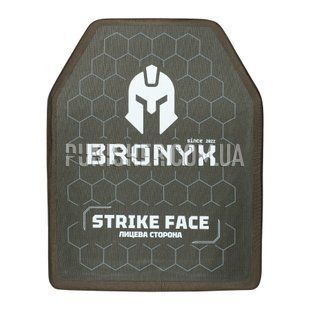
Class 5 protection armor plates according to DSTU
Class 5 protection armor plates according to DSTU 8782:2018 are modern personal body armor items designed to stop armor-piercing incendiary rifle and assault rifle bullets. They are used in bulletproof vests and plate carriers by military personnel, law enforcement officers, and security forces. Class 5 plates are most often made of ceramics and composite materials, providing a high level of ballistic protection with an optimal ratio of weight and comfort.
According to technical characteristics, this class is capable of protecting against the following calibers and ammunition:
- 7.62×39 mm caliber — used in AKM, AKMS assault rifles, and other small arms of this caliber;
- 57-BZ-231 bullet — armor-piercing incendiary (BZ) bullet with a hardened steel core;
- 7.62×54R caliber — used in sniper rifles, machine guns, and other small arms;
- 57-N-323S bullet — cartridge with a light bullet (LPS) with a steel core and a bimetallic case.
Testing is conducted under controlled conditions in accordance with DSTU 8782:2018, which specifies the firing distance, bullet velocity, and the number of shots per sample.
Class 5 ceramic armor plates. Criteria confirming quality

✔️ Ceramic-composite design — the combination of a ceramic strike layer and ultra-high-molecular-weight polyethylene (UHMWPE) effectively destroys the bullet, absorbs residual energy, and helps reduce product weight.

✔️ Class 5 protection according to DSTU — ensures resistance to 7.62×39 mm armor-piercing incendiary bullets (57-BZ-231) as well as 7.62×54R LPS bullets (57-N-323S) during testing in accordance with DSTU 8782:2018 requirements.
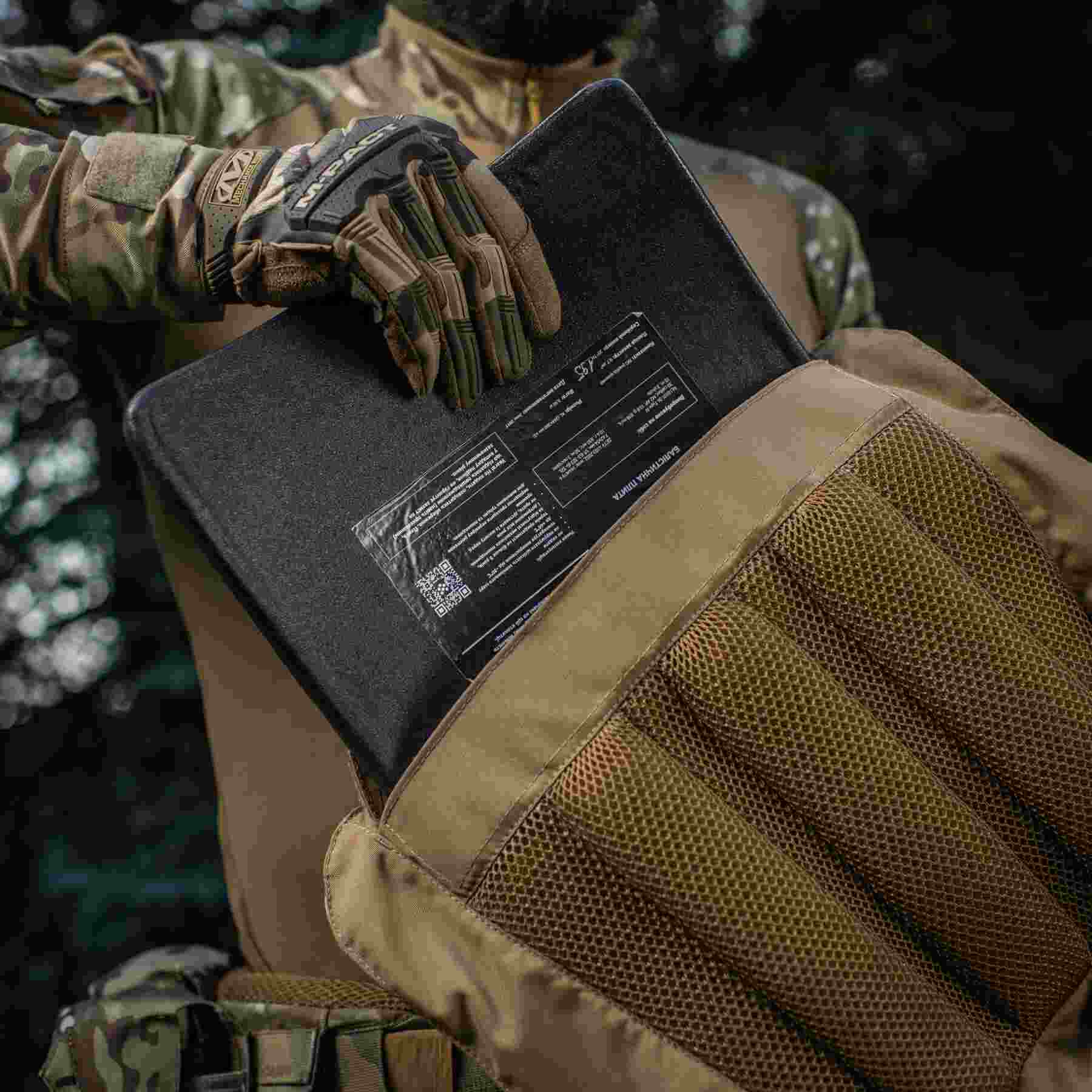
✔️ Compatibility with plate carriers — the armor plate must match the size and format of the plate carrier (SAPI or ESAPI), providing secure fixation without shifting during active movement.

✔️ Weight — affects comfort, mobility, and endurance during long-term equipment wear. Modern ceramic-composite models allow reducing the load without losing protective properties.

✔️ Anatomical design — curved (Single Curve or Multi Curve) plates better follow body contours, ensure a tight fit, and do not restrict movement during tactical missions.
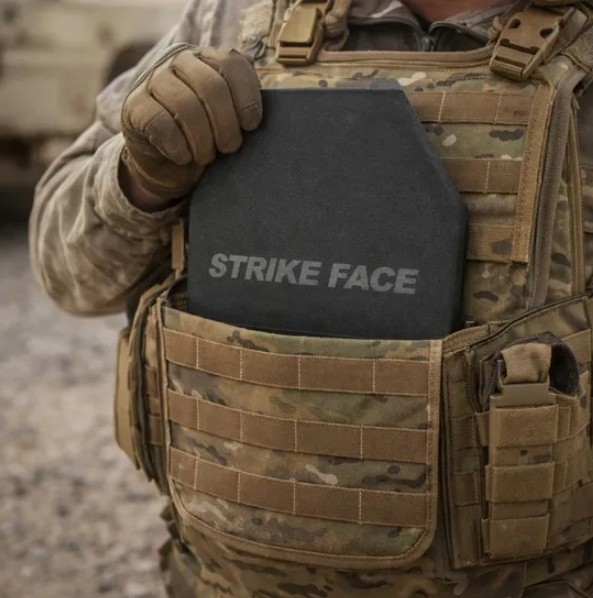
✔️ Protection area — standard armor plate dimensions cover vital organs of the chest and back, combining effective protection with freedom of movement.
Range of armor plates from punisher
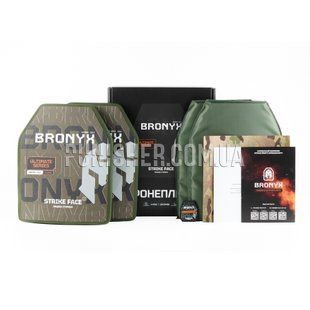
Our catalog features Class 5 ceramic-composite plates for completing body armor and plate carriers. The range includes individual models for replacing or upgrading gear, as well as front and rear plate sets. Various sizes and formats are available, compatible with SAPI and ESAPI standard plate carriers.
Selection consultation and advice on armor plates from Punisher
Our specialists will help you select armor plates taking into account protection level, plate carrier type, and usage conditions.
 Specialist Consultation
Before buying class 5 armor plates, we recommend considering
Plate Material
The ceramic-composite construction of Class 5 protection armor plates combines a ceramic strike layer (silicon carbide SiC, aluminum oxide Al₂O₃, or boron carbide B₄C) with an energy-absorbing backing of ultra-high-molecular-weight polyethylene UHMWPE. This combination provides effective destruction of the bullet core, reduction of shock load, and an optimal ratio of protection level to weight.
- Silicon Carbide (SiC) — one of the most popular materials for armor plates due to its high strength, relatively light weight, and optimal cost.
- Aluminum Oxide (Al₂O₃) — a practical ceramic material with good protective properties, featuring a more affordable price, but characterized by higher density and weight.
- Boron Carbide (B₄C) — an ultra-hard and lightweight material with high ballistic performance that allows reducing plate weight, but has a higher production cost.
Size and Protection Area
The armor plate must match the size of the plate carrier and cover vital organs without restricting mobility. Properly selected size ensures a comfortable fit and effective use of protective gear.
Armor Plate Weight
The lower the weight of the plate, the more comfortable it is to use over long periods. At the same time, it is important to find an optimal balance between protection level, mass, and the specifics of future tasks.
Plate Carrier Compatibility
Before purchasing, check the size of the armor plate, its shape (flat or anatomical), and cut type (SAPI, Shooter's Cut, etc.). This ensures proper installation without shifting during movement.
Ergonomics
Operational comfort depends on the shape of the armor plate, the degree of curvature (Single Curve or Multi Curve), and even weight distribution. Anatomical construction allows performing tasks longer without excessive strain.
Operating Conditions
Choose armor plates according to the specifics of your tasks. For long-term patrolling or active movement, preference should be given to lighter models, while for work under high-threat conditions, choose plates with maximum protection levels.
FAQ. Frequently asked questions about body armor
What weapons and ammunition does a Class 5 armor plate protect against according to DSTU?
According to DSTU 8782:2018, a Class 5 armor plate protects against 7.62×39 mm armor-piercing incendiary bullets (57-BZ-231) and 7.62×54 mm rifle bullets (57-N-323s LPS) from a distance of 10 meters. DSTU 8782:2018
How to properly choose armor plates for a plate carrier?
They must match the plate carrier in size, shape, and standard (SAPI or ESAPI). A properly selected plate protects vital organs — heart, lungs, and major blood vessels — without significantly restricting mobility. Before purchasing, make sure the armor plate is compatible with your plate carrier and matches its pocket dimensions.
Why are ceramic-composite armor plates better than steel ones?
Ceramic-composite models are lighter than steel ones, absorb bullet energy better, and offer more comfortable wear. They effectively shatter the bullet core, reduce shock load, and eliminate the risk of fragment ricochet characteristic of some steel models.
Level 5 ceramic armor plates for reliable protection
Choose Class 5 protection armor plates combining modern ceramic-composite materials, ergonomic design, and a high level of ballistic resistance in accordance with DSTU 8782:2018 requirements.
Specialist Consultation