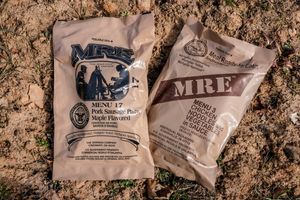
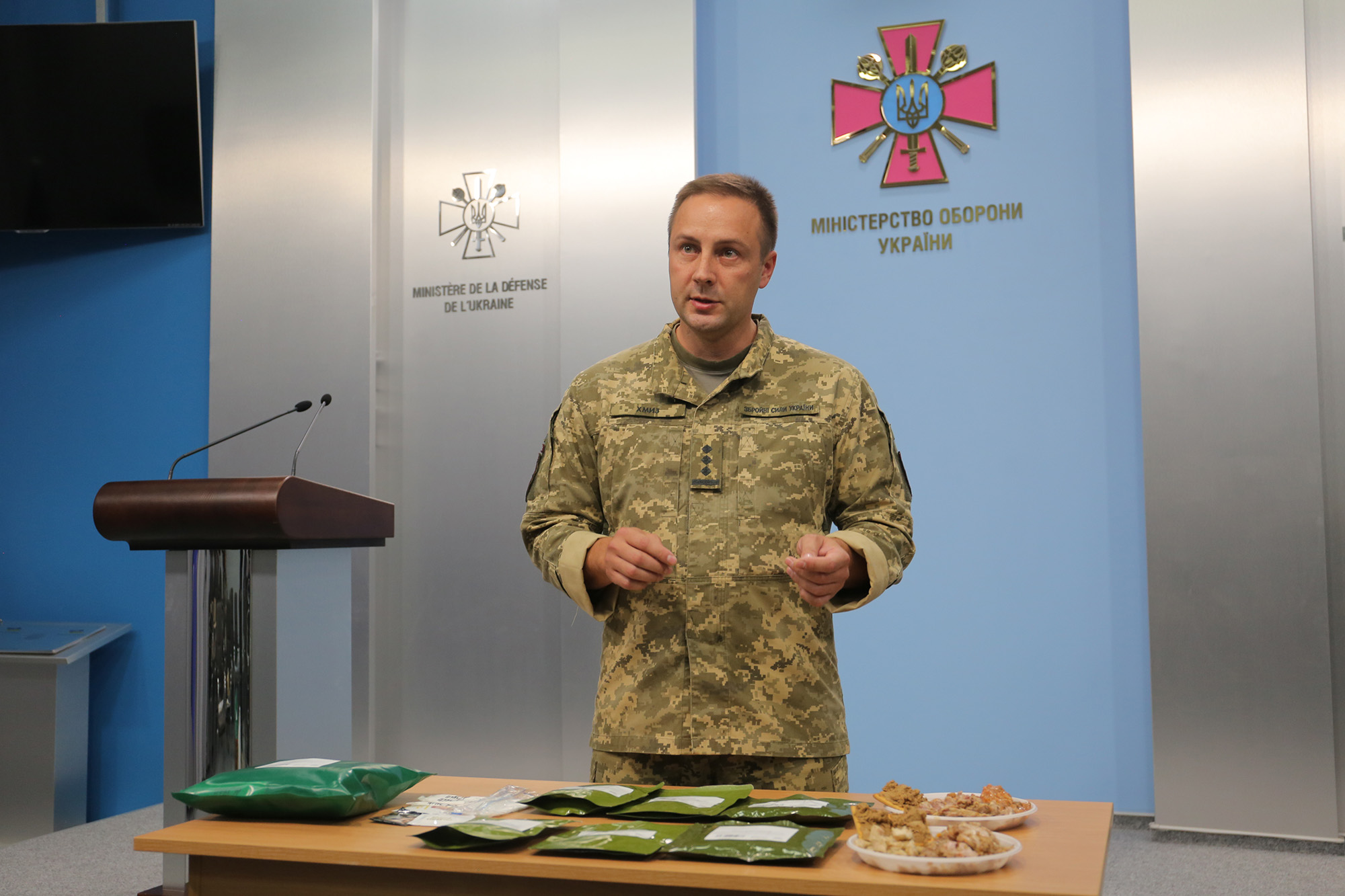
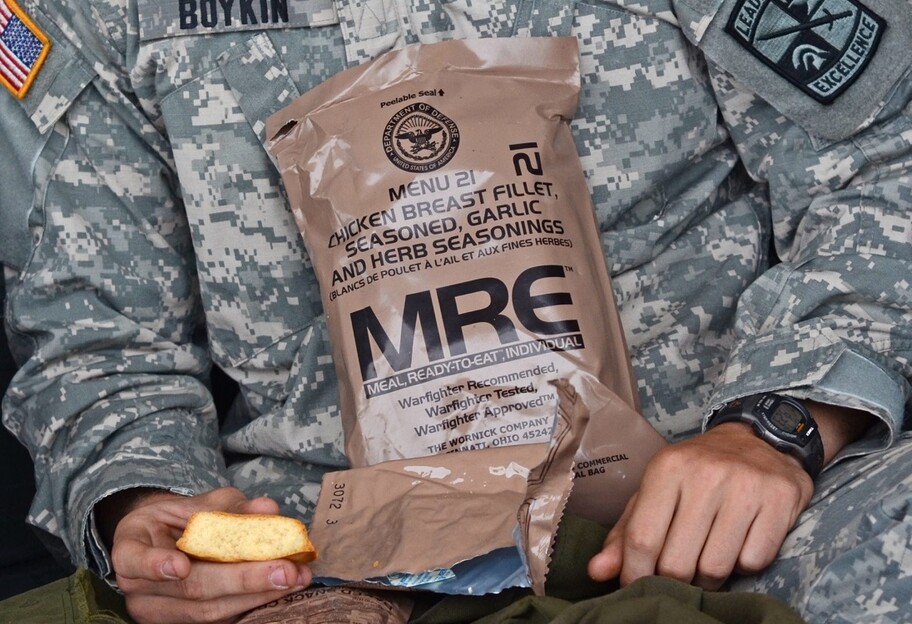
Today’s realities – from combat missions to long expeditions and active tourism – form new requirements for food. It must be more than just high-calorie; it has to be convenient, lightweight, durable, and tasty. That is why a modern MRE (Meal, Ready-to-Eat), or dry ration, has evolved into a full-fledged nutrition system capable of providing energy even in the harshest conditions.
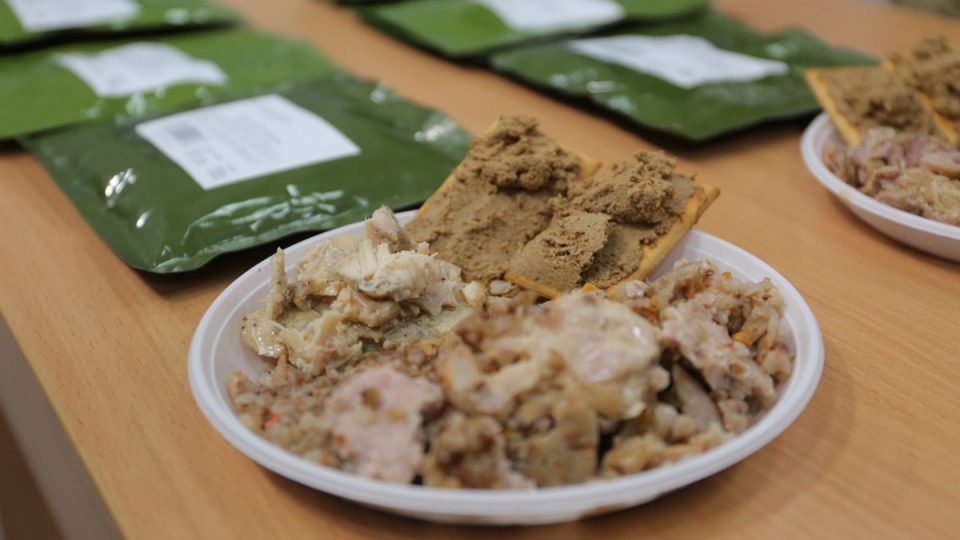
If previously a classic dry ration was associated with hardtack and canned goods, today an Individual Food Ration (IFR) offers a diverse menu: from traditional dishes like borscht with meat, potatoes with meat, or pea soup with meat to more modern options such as bulgur with chicken, Bolognese, or even Italian-style pasta. We will dive into modern technologies right here and now, and to keep from getting lost, we will use the guide provided by the Punisher military store.
What is a Modern MRE
A modern ration is a well-thought-out set of products that can include both ready-to-eat meals and quick-prep ingredients. Most often, these are:
-
AFU (Armed Forces of Ukraine) rations or those of other world armies, designed for military needs;
-
Hiking food for expeditions;
-
Emergency kits for civilian use.
Today, within the ranks of the AFU, not only Ukrainian solutions are popular – such as the Ukrainian dry ration – but also international variants: American, Swedish, Canadian, and Polish MREs, products from brands like Happy Elk, as well as historically famous field rations dating back to the expeditions led by James Cook.
It was during the 18th-century sea voyages, including the expeditions of James Cook, that approaches to long-term food storage were actively developed – the foundation of modern MREs.
Why MREs Can Be Stored for Years
The main reason for longevity is not only airtight packaging but also innovative food processing methods. Thanks to this, even a complex dish retains its taste, aroma, and nutritional value.
Sublimation: Maximum Benefit and Taste
Freeze-drying (sublimation) technology is the standard of the premium segment. This is how popular freeze-dried ice cream or full meals like millet porridge, millet porridge with meat, or even meatless pea soup are created.
The process allows for:
-
Preservation of up to 95% of nutrients.
-
Minimization of product weight.
-
Rapid flavor restoration after adding water.
In modern rations, you can easily find items like banosh with bryndza or corn porridge with bryndza, which, after restoration, are almost indistinguishable from homemade meals.
After freeze-drying, the product's weight can decrease by 4-5 times – this is critical for military personnel and hikers.
Infrared Drying
IR processing provides a balance between price and quality. It is widely used in the production of:
-
Porridges (e.g., millet porridge, buckwheat porridge, etc.);
-
Instant soups;
-
Vegetable and meat mixes.
This is an ideal base for those looking for hiking food or a lightweight AFU MRE for short-term tasks.
Dehydration: A Proven Classic
Traditional food drying is one of the oldest methods still used today. This is how the following are created:
-
Meat snacks;
-
Soup kits (pea soup with meat, etc.);
-
Grains (millet porridge, etc.);
-
Quick meals that provide a simple and effective answer to the question "how to cook couscous with meat", etc.
Food drying was used thousands of years ago, long before refrigerators were invented.
Retort Packaging: Ready Food Without Compromise
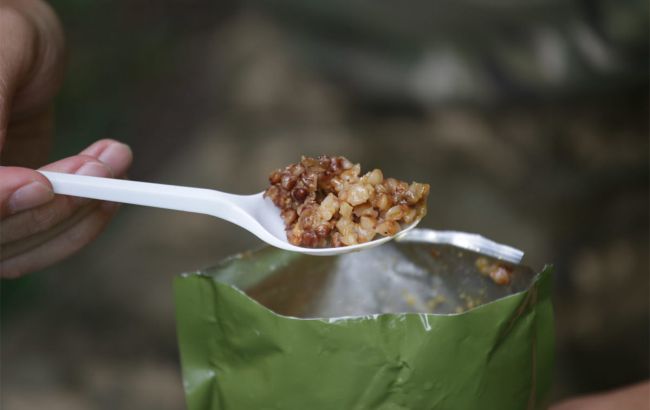
Modern AFU dry rations often contain dishes in retort pouches. This is airtight packaging where food undergoes sterilization under high pressure.
In such rations, you can find:
-
Borscht with meat;
-
Potatoes with meat;
-
Bolognese;
-
Stewed dishes;
-
Even regional recipes like bograch.
This solution is perfect for field conditions: simply heat and serve.
Where Modern MREs Are Used
Military Sphere
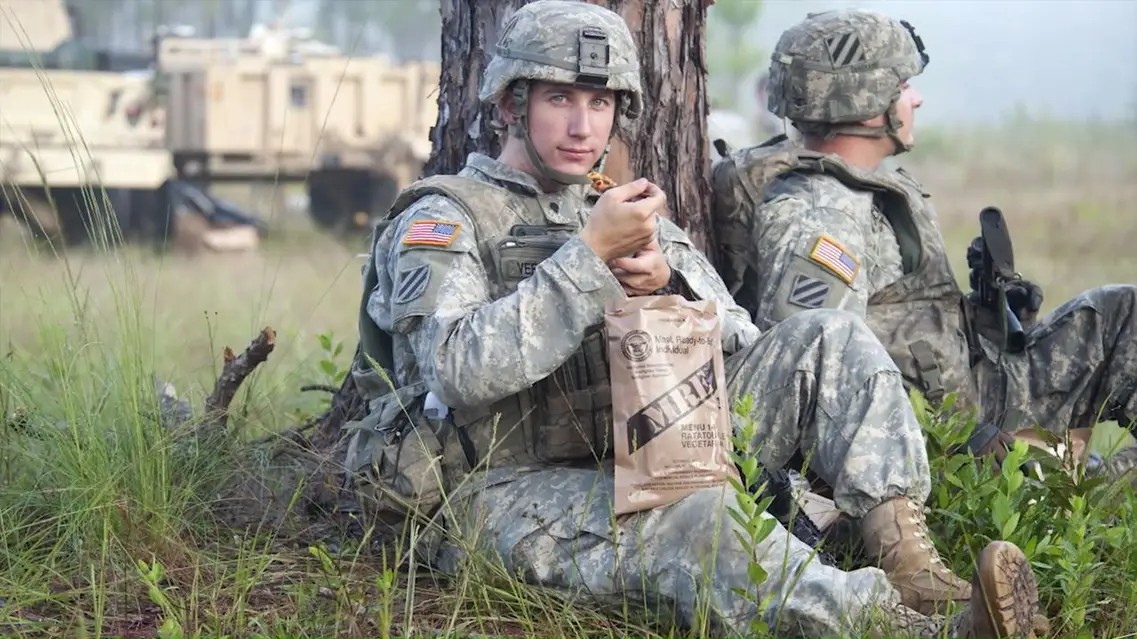
The AFU MRE is a strategic element of logistics. It guarantees stable caloric intake, mobility, and autonomy.
Tourism and Expeditions
Modern hiking food includes freeze-dried products that allow for cooking complex dishes in the field.
Civilian Use
Today, many people build their own dry rations for emergencies or long trips.
A standard daily AFU ration can contain up to 4000 kcal – this corresponds to high physical exertion.
Why MREs are Becoming More Popular
Demand for dry rations is steadily growing. The reasons are obvious:
-
Development of active tourism.
-
Increased interest in autonomy.
-
Military needs.
-
Improving food quality.
Modern rations have long ceased to be "survival food". They are a full gastronomic experience in a compact format: from classics to international recipes.
A modern MRE is not just a set of products, but a sophisticated system that combines technology, taste, and practicality. Thanks to sublimation, dehydration, IR-drying, and retort packaging, even a complex dish can be stored for years without losing quality. That is why today, AFU dry rations, hiking kits, and civilian rations are becoming an integral part of modern life.

Igor Ivandikov — author of the article
Project Manager
Has over 2 years of experience working in the field of camping equipment. Well-versed in products for tourism, camping, and outdoor recreation.
Responsible for coordinating projects, monitoring deadlines, and ensuring the quality of task completion.
He enjoys football (soccer) and billiards, participates in competitions, and has won prizes on numerous occasions. He is a fan of active recreation.
FAQ. Answers to Frequently Asked Questions
1. How long can modern MREs be stored?
2. What is included in an AFU MRE?
3. Is it difficult to prepare these dishes?
4. How is a modern MRE better than the old ones?