An emergency "go-bag" is a topic most people remember exactly at the moment when they have no time for it, or when the time to pack is critically short, meaning quality and completeness will definitely suffer. Remember – being prepared is a choice for all areas of life (first aid kits, fire extinguishers, contraception, etc.), so do not put off what can be done now until it is too late. During an alarm or an emergency evacuation, your time and mind will be occupied with something else entirely (saving yourself and your loved ones). Therefore, let’s discuss this calmly, sensibly, and without unnecessary fuss, treating it as a normal part of life preparation, in accordance with the rules of the Ministry of Education and Science of Ukraine.
What It Is and Why It Matters
An emergency "go-bag" isn't just "some suitcase for a rainy day." It is a way to ensure that in a stressful situation, you are maximally ready to act without delay, with controlled and predictable prospects for the first hours after reaching safety. You know you have the basics; you aren’t panicking, you aren't packing chaotically, and you aren't forgetting the essentials. If something happens, you act with a head start.
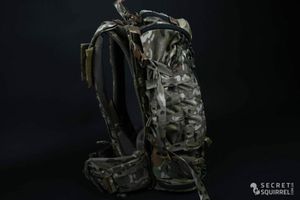
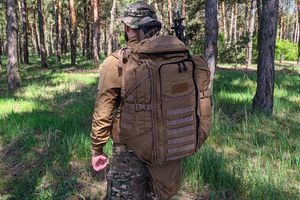
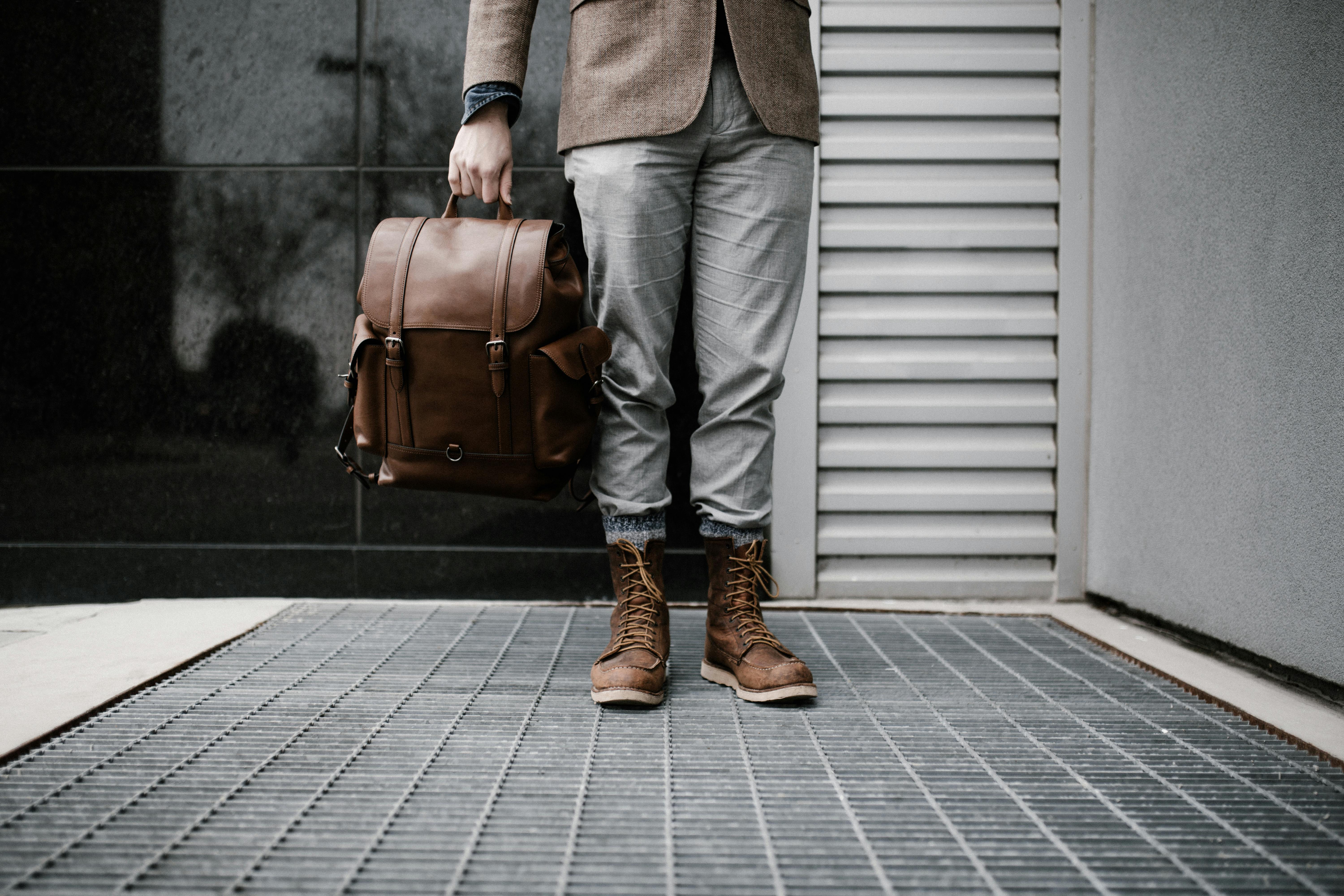
"Go-bag" is a general name; in reality, it can be a bag, a backpack, or a case (the form isn't as important as convenience and compactness, which is why backpacks are the top choice). This is an "emergency backpack" kept in a designated container for fast and comfortable movement. A regular suitcase is bulky and hard to drag; it’s for moving house, not for a quick exit from a danger zone.
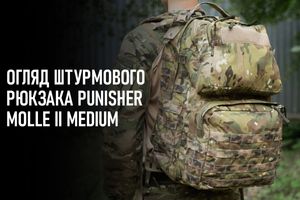
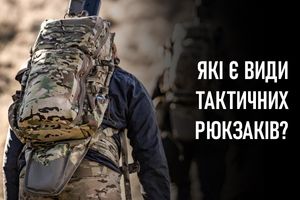
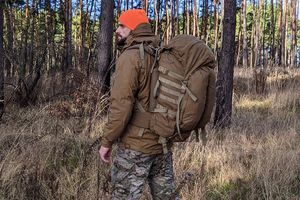
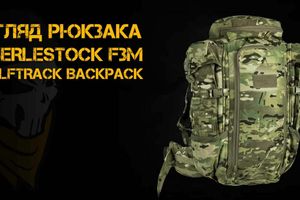
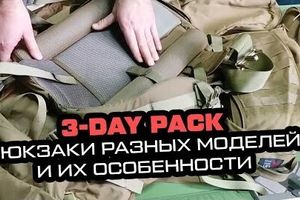
The first step is the backpack itself. Any sufficiently durable and preferably not oversized one will do. Aim for a capacity of 20-30 liters. Why? Because often, when you actually need it, you already have some items "on you" or "with you," and this backpack should complement your needs and make your stay more comfortable, not become a stone on your shoulders. Capacity also depends on the number of people it’s intended for. For a family, it is usually several backpacks (one for each adult or older child) or one larger "family" bag. Regarding contents, a go-bag for an adult differs from one for a child only if it isn't a shared family bag; otherwise, it depends on individual medical needs.
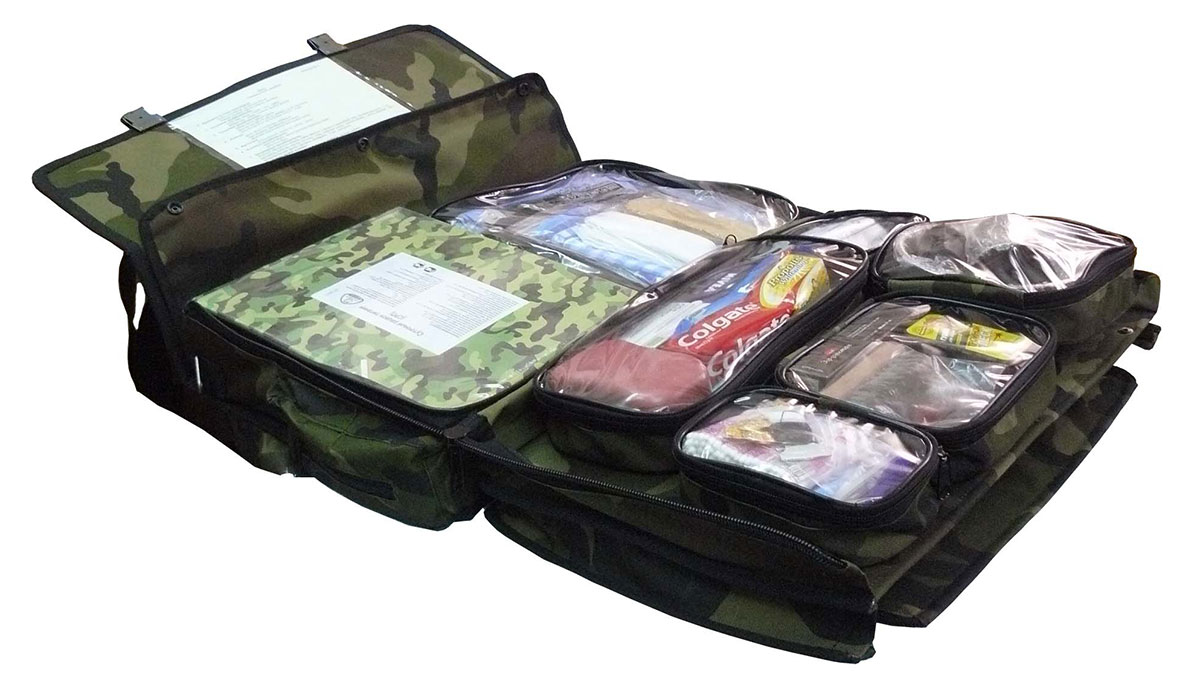
The term "emergency suitcase" (tryvozhna valiza) gained widespread use in Ukraine in 2014, when residents of eastern regions in the ATO zone began preparing sets of essential items for quick evacuation in advance. Since then, the concept has become a symbol of practical preparation for emergencies and crises, especially in wartime, where a pre-assembled kit can play a critical role in safety and survival.
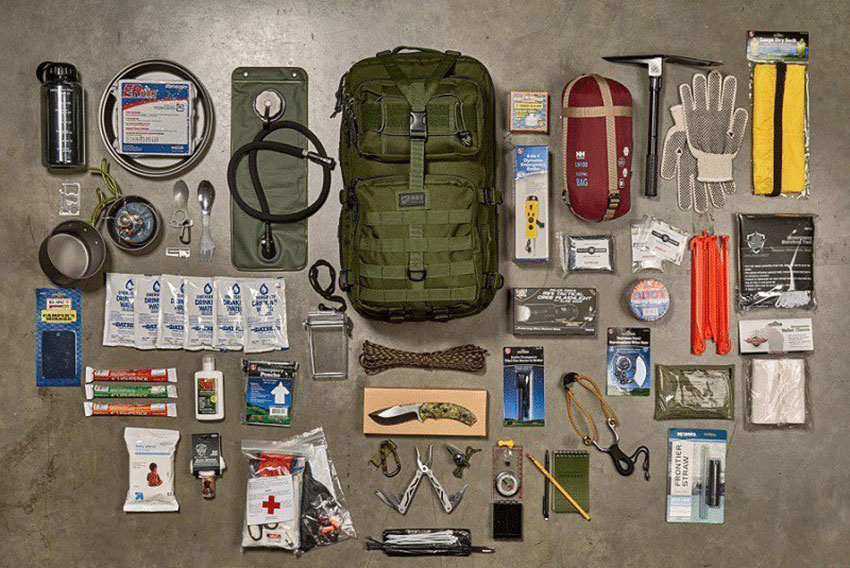
The Most Important Things – What Should Be in Your Go-Bag
Documents
Passports, permits, bank cards, driver’s licenses, and vehicle registrations – these are things we usually have with us anyway, but if not, they should be the first things in the bag. There is no "perfect list for everyone" because it depends on your life situation. Place them in a separate folder or sleeve inside the bag: signed contracts, property deeds, international passports, diplomas, tax IDs, birth certificates, marriage licenses, etc. The logic is simple: documents are the hardest things to restore later.
Cash (Paper Money)
In extreme conditions, modern civilizational perks may not always be available. This specifically applies to cashless payments; mobile banking apps and plastic cards might not help for a while. You should have a reserve of a small but significant amount of cash to be able to purchase goods or services in the first hours or days after evacuating a danger zone.
Clothing
Because warmth is more important than it seems. When you find yourself in a shelter, a station, a basement, or the subway, you quickly realize that "I’ll be fine" ends where it’s cold, damp, cramped, and you have to sit longer than planned. It’s also about hygiene and a sense of comfort, which help significantly in surviving a psychologically stressful situation.
The minimum usually includes:
- a pair of socks;
- a change of underwear;
- a windbreaker/light jacket (that can be folded compactly for protection against wind and moisture).
It sounds trivial, but these items are real lifesavers.
Creating a "Comfort Zone" Anywhere
If possible, add something for warmth. A fleece/blanket is a simple thing, but shelters can be cold even in summer. For example, in underground shelters (basements, cellars, subways), the temperature is such that without an extra layer, it’s very hard to feel okay for a long period.
In the cold season, add chemical hand warmers. Sometimes you exit so urgently that you might not be wearing enough clothes. A couple of warmers in the bag weigh almost nothing but provide a huge boost to your well-being.
Water
Another thing that seems obvious but is often forgotten – a thermos with water. In winter, it is truly great to be able to quench your thirst and calm your nerves with something warm (just refresh the contents from time to time). Drinking cold water when you are freezing, sleep-deprived, and stressed is not a pleasant experience. In summer, a regular bottle will suffice to avoid dehydration.
Food: "Comfort Snacks"
The main idea of quick snacks is to support the body. If the alarm lasts a long time or if everything happens suddenly and for a long duration (e.g., from evening until morning), having a bite is perfectly normal. Keep bars (chocolate, cereal – the type doesn't matter) on hand.
Special mention goes to "treats." Some might smile, but this is often about morale. A snack, gum, or a candy bar – these are small things that sometimes help you calm down, refocus, or even sleep. In a stressful situation where you literally "can't swallow a bite," it’s much easier to sustain yourself with "quick carbs." This is the one time when even "unhealthy" food is beneficial.
Medical Supplies
People talk about first aid kits often, but it's important not to reduce it to just "headache pills." In real situations, there may be a need for first aid – for yourself or others. It sounds harsh, but the truth is: some people go to shelters early, and some run there when danger is already overhead. The risk of injury is not theoretical.
The key is not to "play the hero" and not to forget yourself: the kit should be such that you can actually help and not be left with nothing for yourself. Example: an expanded kit – tourniquets, bandages, gauze, scissors, etc. You can assemble it yourself or buy a ready-made version and customize it.
Also, include medications for your general well-being if you have chronic conditions (asthma inhaler, insulin, diabetes pills, blood pressure medication, immunosuppressants, etc. – things without which a person dependent on medication cannot remain functional for long).
Light
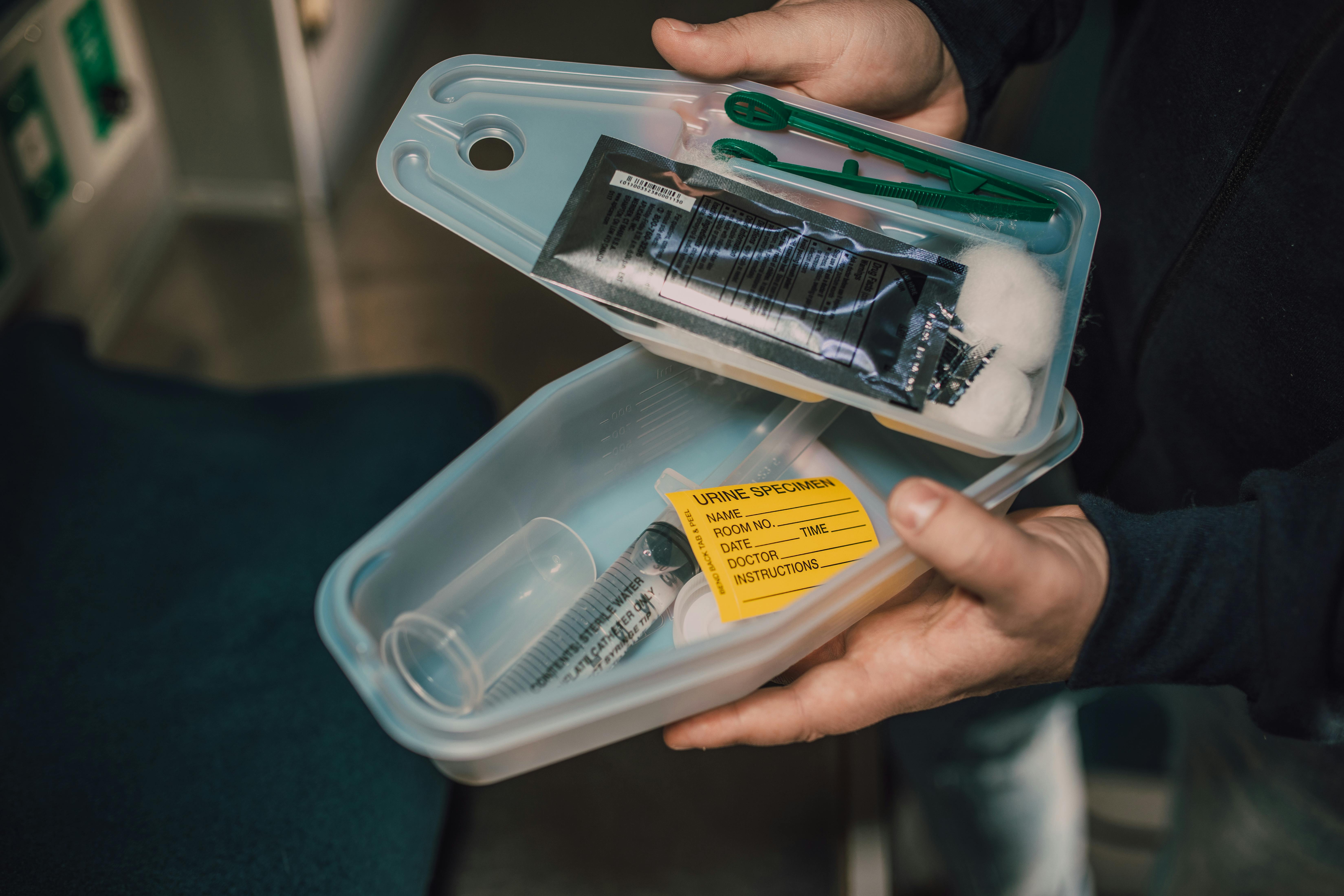
Another underrated item – a flashlight. Yes, you can use your phone, but the battery drains quickly, and it doesn't provide the kind of light that offers real comfort.
Minimum – one flashlight. Ideally, two, preferably with different power sources: one rechargeable (solar-powered) and another that works on both batteries and a hand-crank (dynamo). This makes you less dependent on blackouts. Include spare batteries (they take up little space but save you from a dark surprise).
Additionally, a flashlight isn't just "to see." In an emergency, it can help you find your way to safety or signal your location so rescuers can find you faster.
Multitool
Useful for many scenarios as a universal tool for piercing, cutting, screwing/unscrewing, etc. It doesn’t take much space or add much weight, but it becomes an indispensable assistant when away from civilizational comforts.
Communication and Charging
Today, life is hard without a phone. A power bank is a basic part of any kit. But a vital nuance: a power bank charges nothing without a cable. Include cables – preferably more than one (2-3 if possible, as they often fail and don't take up much room).
If you might have access to stationary power (e.g., city grid, generators) – keep a wall charger, even a spare one: it allows you to quickly recharge gadgets and power banks when the opportunity arises.
Hygiene
Hygiene is important, but if safety and life are on the line, it shouldn't be the largest part of the backpack. At a minimum, pack wet wipes or a "dry shower" kit to remove dust/dirt and refresh yourself. You can't truly "wash your hands with wipes," so consider this support rather than a water replacement.
Optional Items
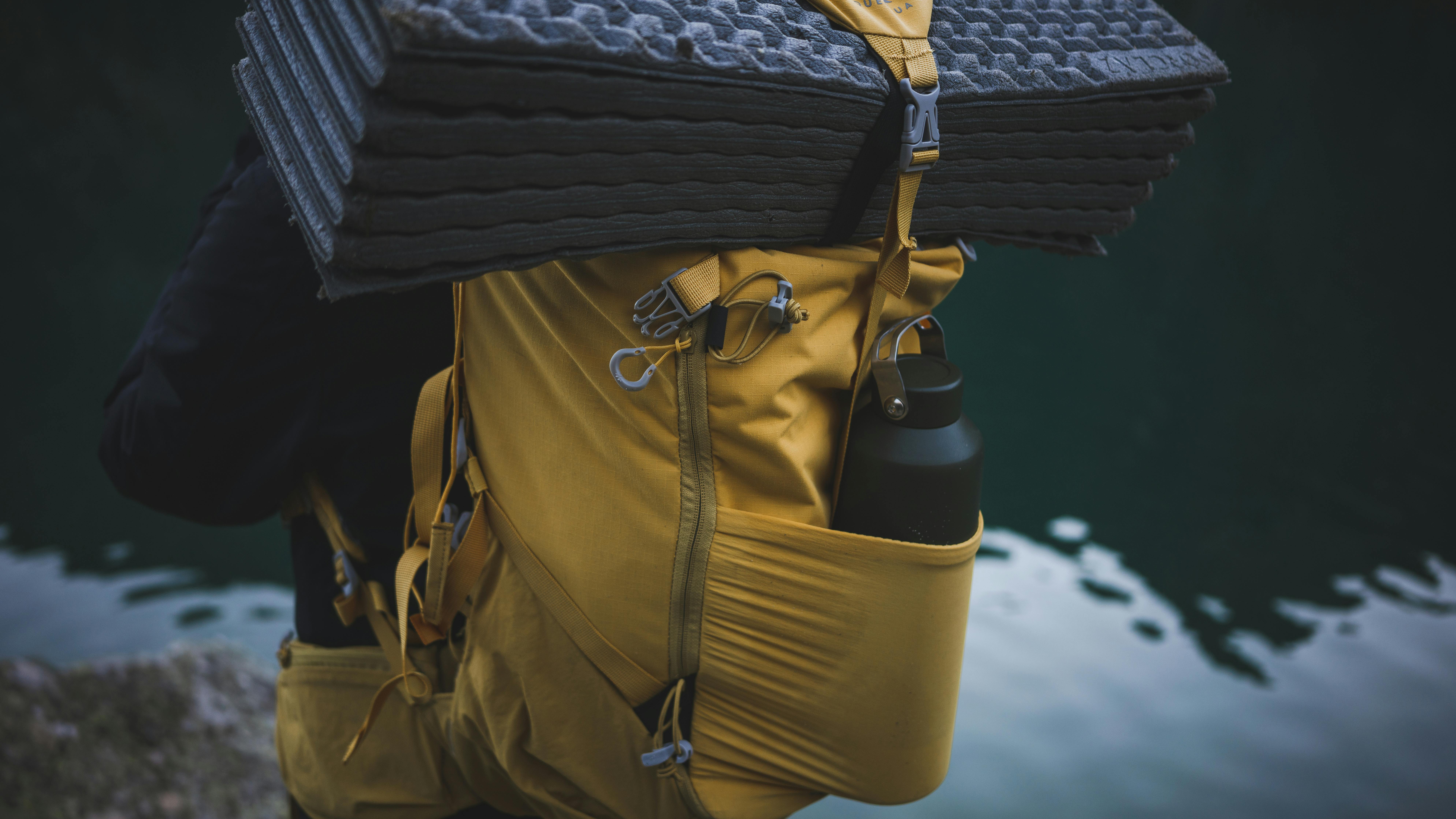
If you have space or know for sure you’ll be staying overnight in a shelter, a sleeping bag and a mat (sleeping pad) greatly increase comfort. If you know you won't be sleeping and a blanket is enough, don't take extra weight.
Caring for Others
One more thing: the items in your "survival kit" might be useful to someone other than yourself. There may be children or stressed people nearby – someone crying, someone unable to calm down – and you might have something you can share without harming yourself. Having something simple "for support" often significantly lightens the atmosphere, which helps you, too.
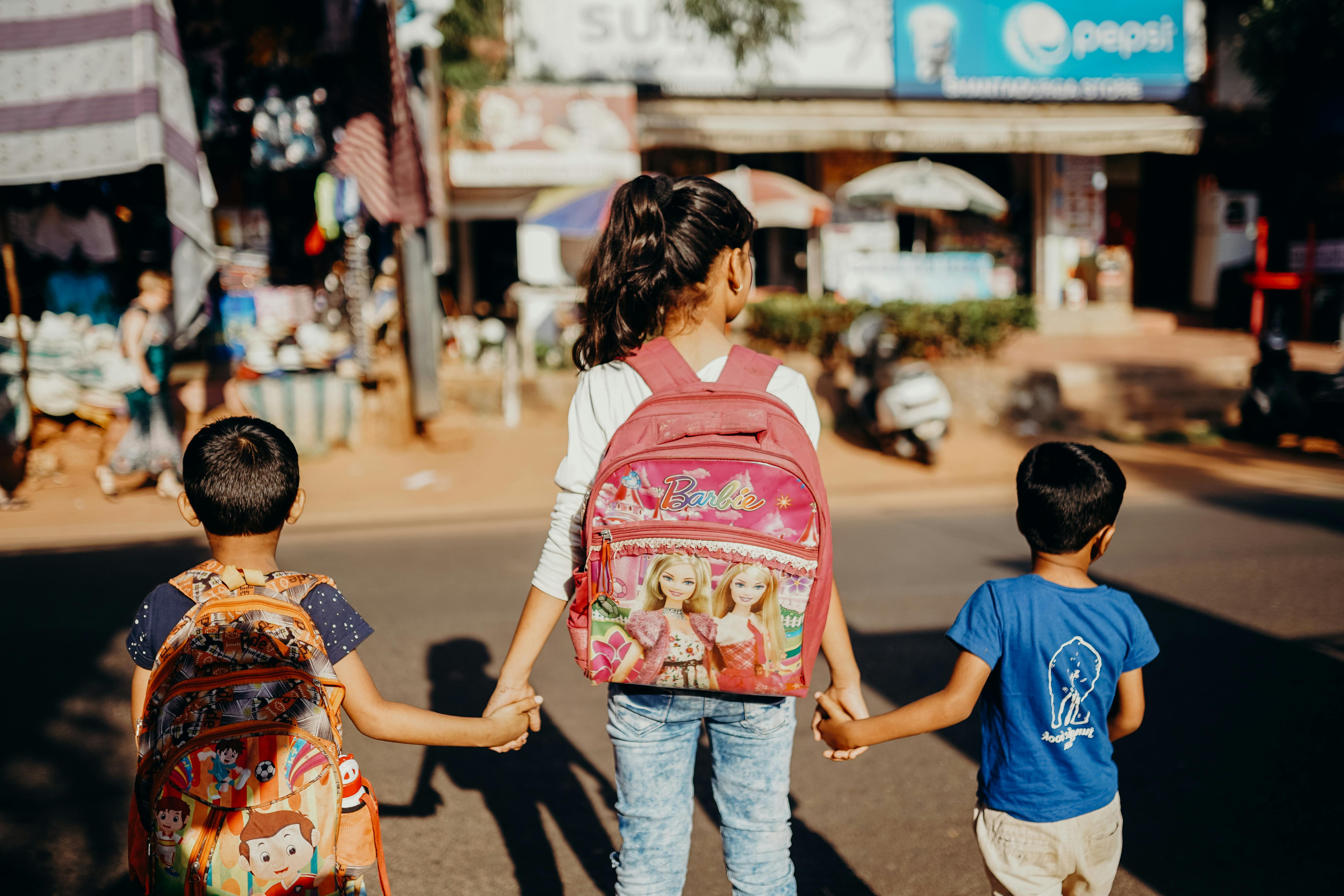
In short: an emergency kit ("go-bag") isn't about fear or being a "fire extinguisher" for panic (though...), it’s about having a "core" of items at a critical moment that provide warmth, water, light, minimal autonomy, and a critically important minimum of peace.
Finally, a vital question: can you find 10-15 minutes in your schedule for a one-time task (excluding future updates, which take only a minute) that could potentially save your life, health, and nerves?

Igor Ivandikov — author of the article
Project Manager
Has over 2 years of experience working in the field of camping equipment. Well-versed in products for tourism, camping, and outdoor recreation.
Responsible for coordinating projects, monitoring deadlines, and ensuring the quality of task completion.
He enjoys football (soccer) and billiards, participates in competitions, and has won prizes on numerous occasions. He is a fan of active recreation.
FAQ
1. What is an emergency go-bag?
2. What kind of bag or backpack should it be?
3. Why is organization important?
4. What color is best to choose?