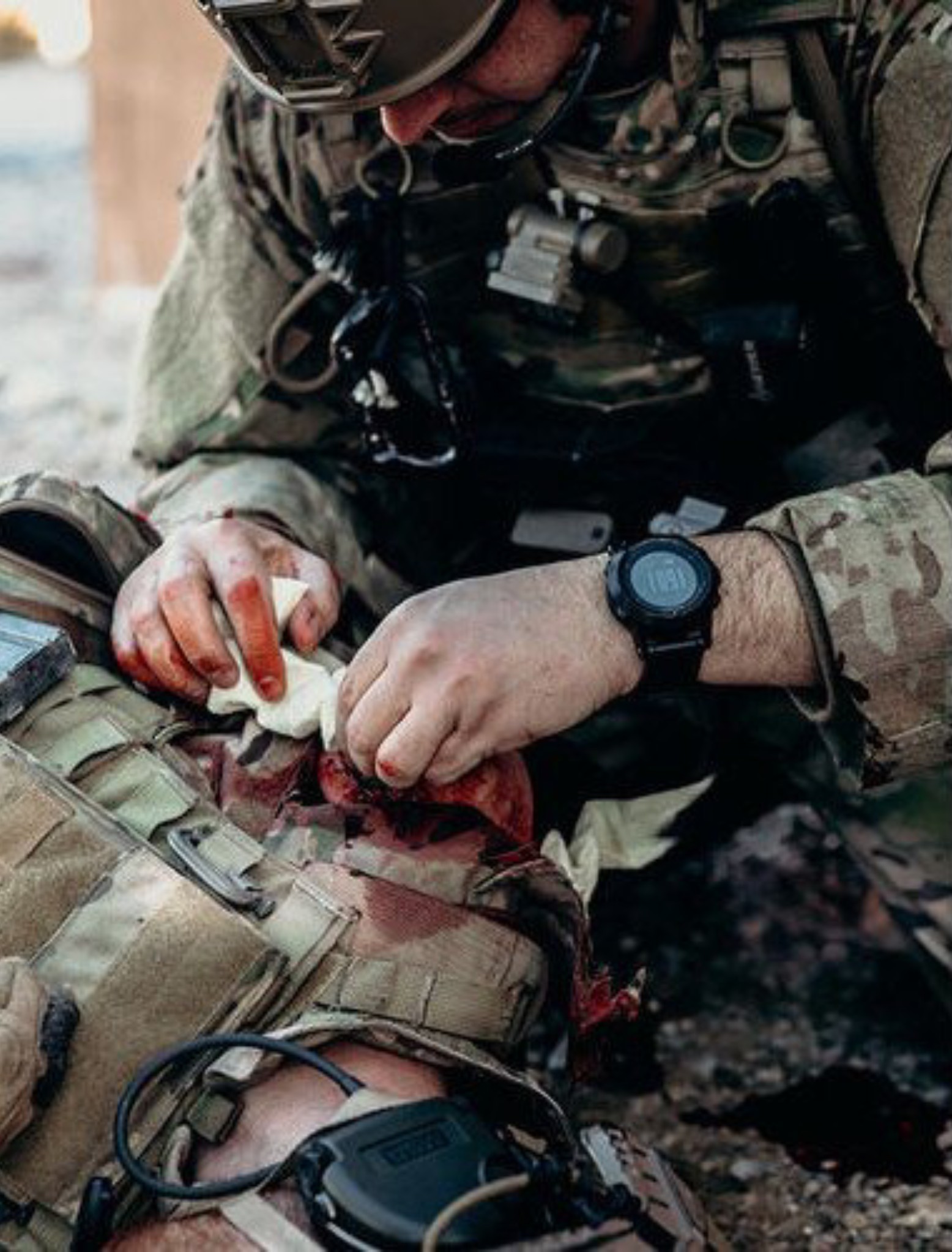
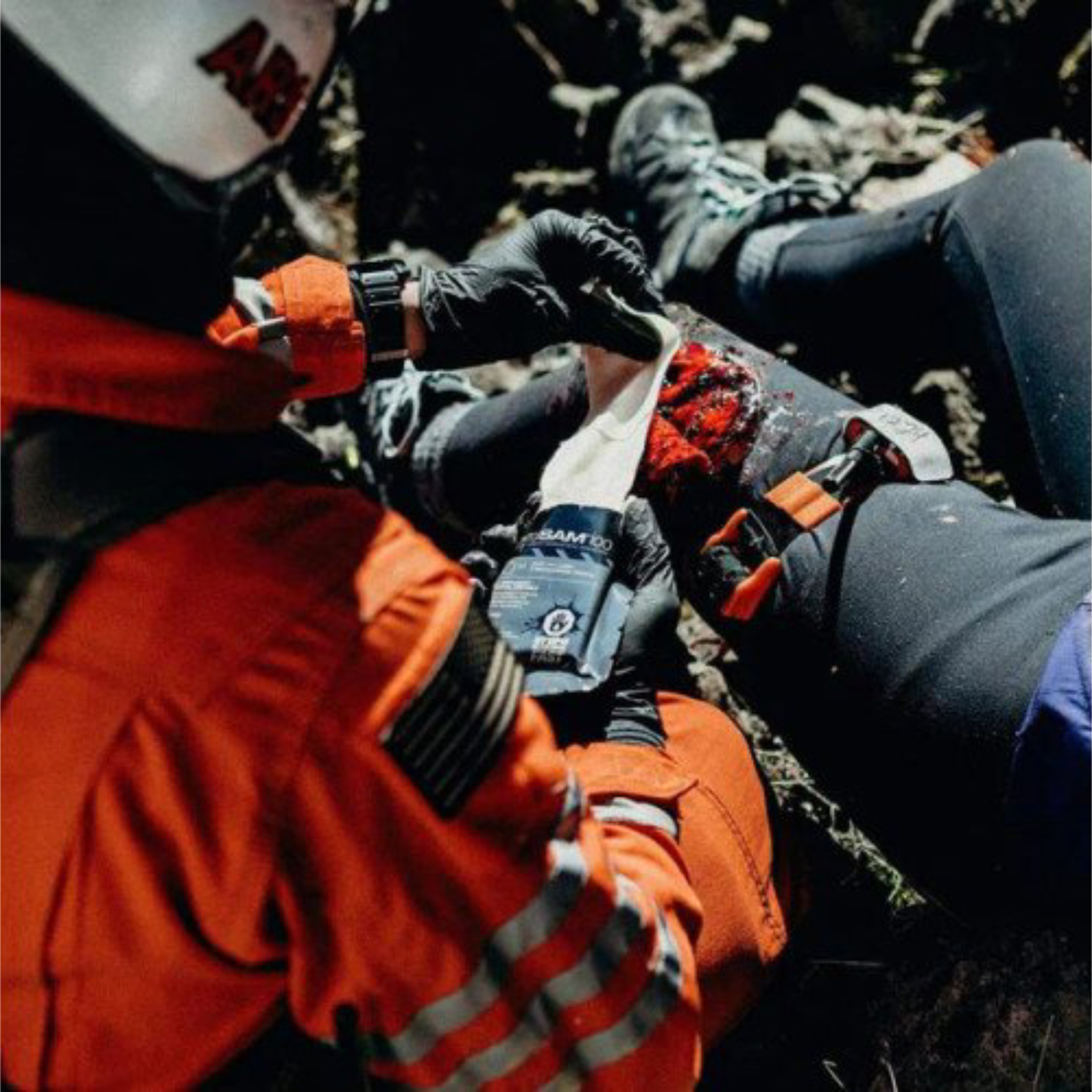
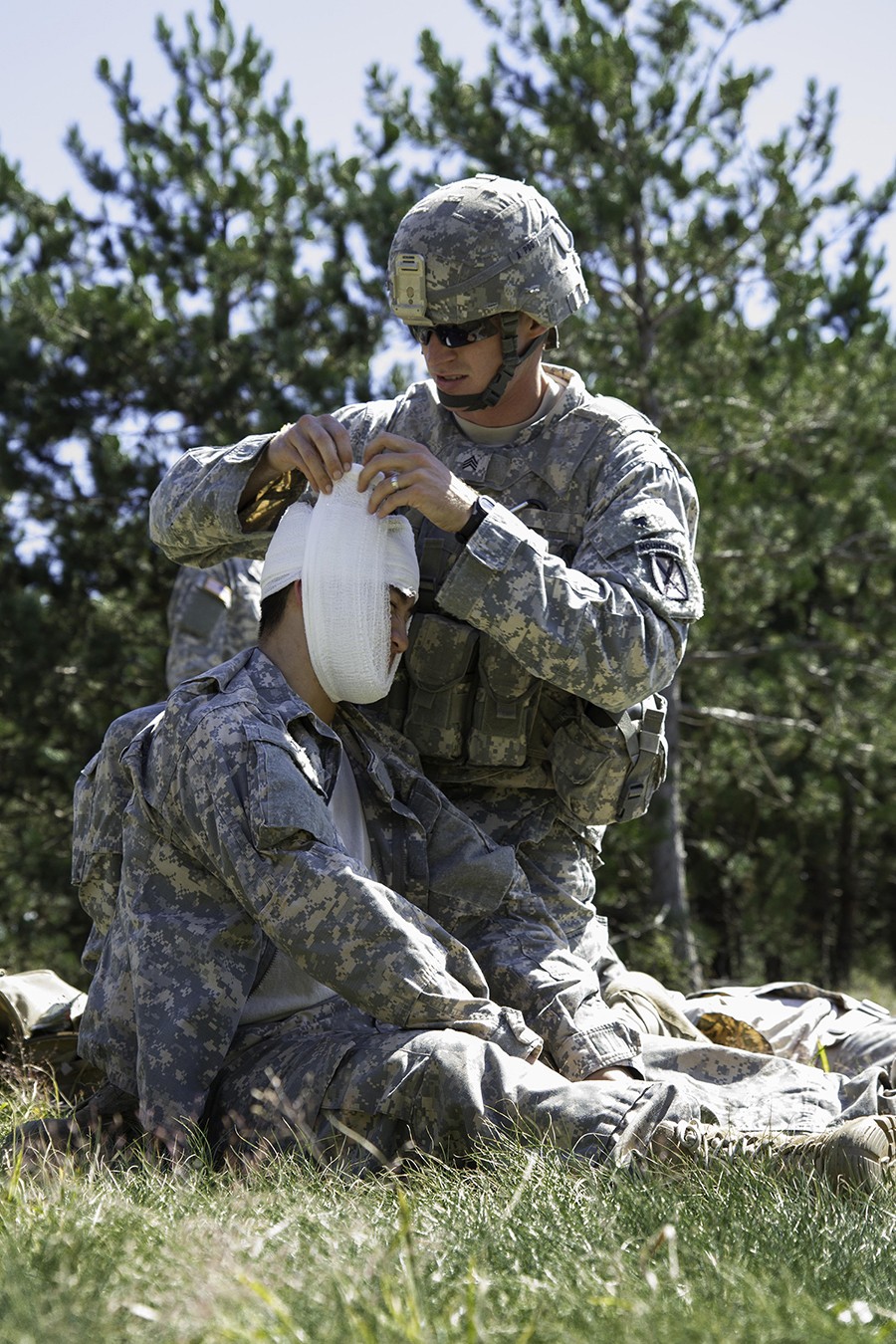
There is no single universal solution for bleeding. Each type requires its tactics. But the most dangerous are arterial and venous bleeding, which can lead to death in just a few minutes. In such cases, you need to act quickly and correctly.
Ordinary gauze bandages do not always cope with severe bleeding. In situations where life is at stake, specialized means are needed. For example, hemostatic bandages.
What is a hemostatic bandage?
Hemostatic literally translates as “hemo”, meaning blood, and “static“, meaning immobile, which means it is designed to stop bleeding, as they say, “right here and now.” This is precisely the principle behind hemostatic agents – bandages, sponges, gels, compresses, powders, or wipes. The most common option used in rescue operations and on the battlefield is hemostatic bandages, thanks to their convenient and intuitive form for providing emergency care.
A hemostatic bandage is a medical dressing impregnated with a special substance, designed to quickly stop intense bleeding, including damage to large vessels.
It is ideal for use in extreme conditions: on the battlefield, during emergencies, at home, and during active recreation.
To use it effectively, you do not need a medical education – it can be effectively used by both a professional and a civilian in a critical situation.
It does not require special surface preparation or other conditions of use, as it works fully even in extreme weather conditions – at temperatures from -40°C to +50°C and humidity over 95%.
Most hemostatic bandages are sterile, but there are training (non-sterile) versions available.
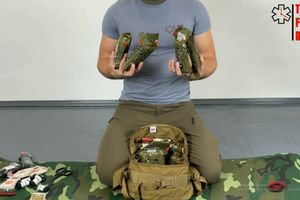
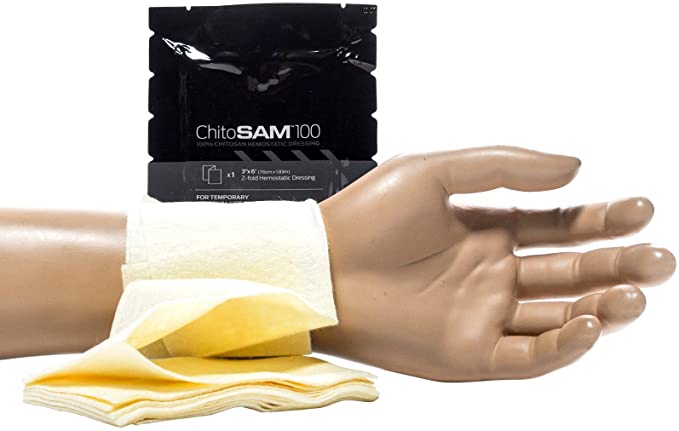
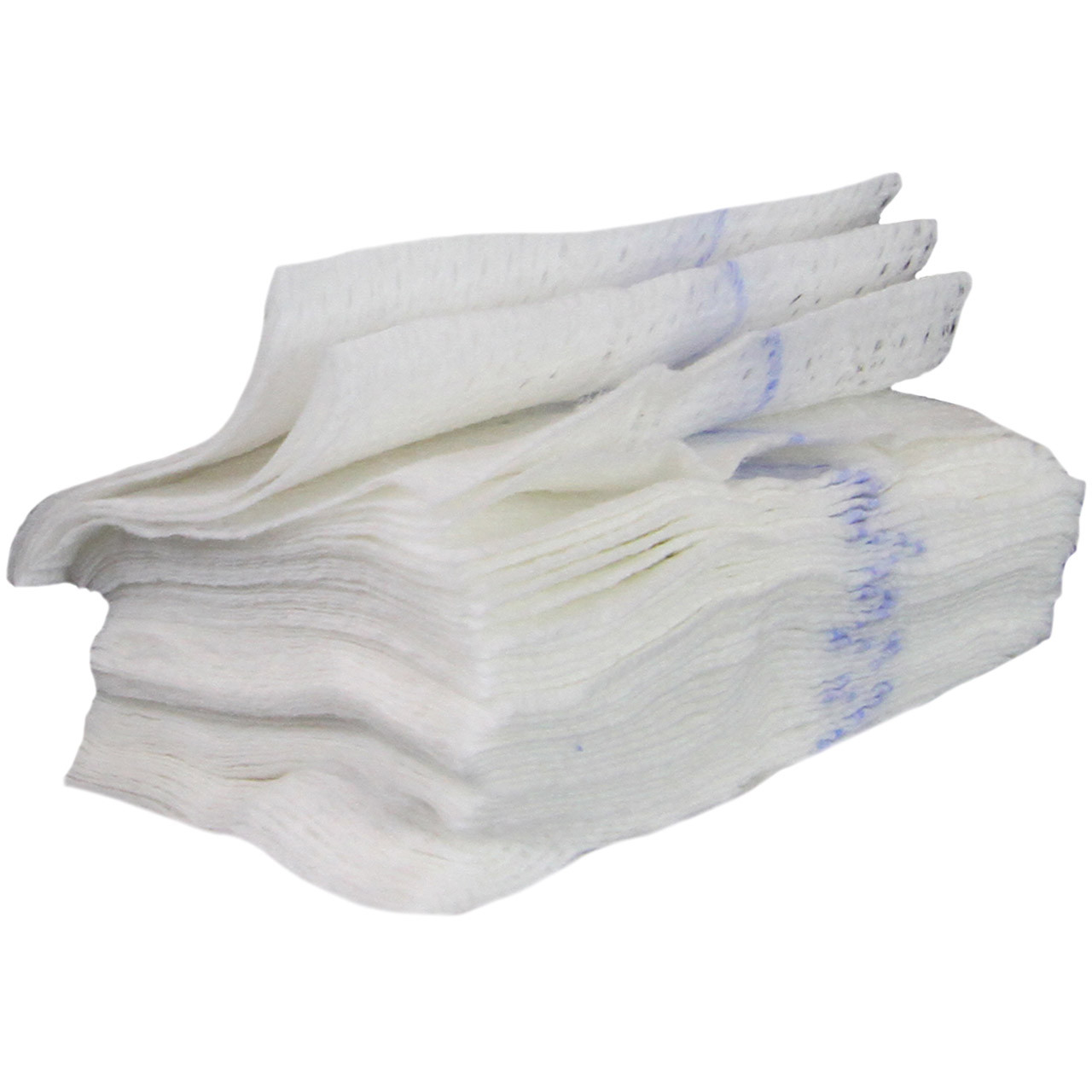
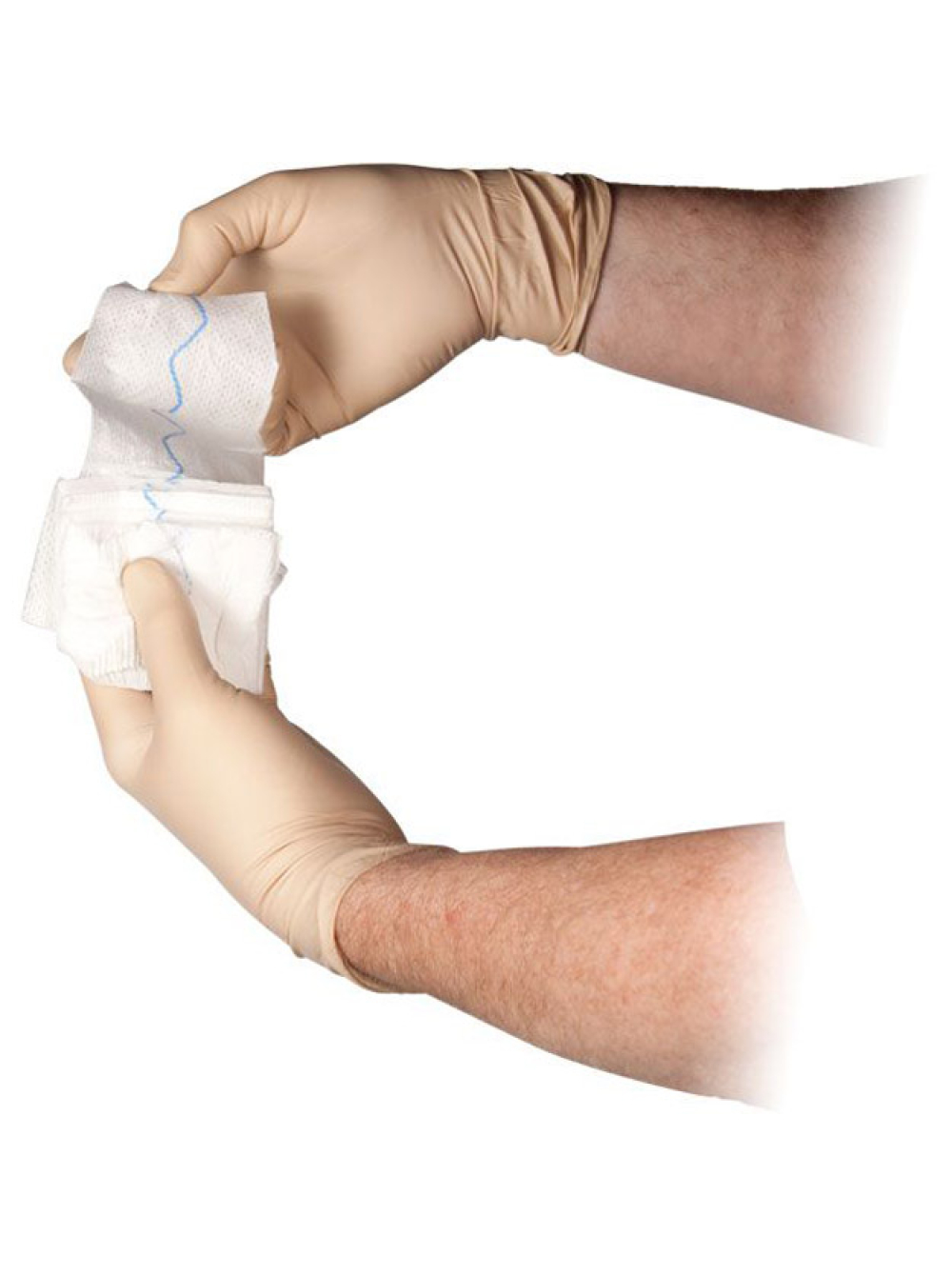
One of the key features of hemostatic bandages is that they are folded and packaged in a zigzag pattern for convenient wound tamponade.
For the most picky, we will inform you that such bandages are certified in Ukraine and fully comply with the requirements of the Technical Regulations for medical devices.
Composition and materials
Hemostatic bandages consist of non-woven or cotton material impregnated with a hemostatic agent that accelerates natural blood clotting. The main hemostatic components are kaolin, chitosan, or a combination thereof, which promote rapid blood clot formation, while purified water, barium sulfate, and glycerin serve as auxiliary components:
– Kaolin, or white clay, is a natural mineral used in various hemostatic bandages to stop bleeding.
– Chitosan is a naturally occurring polysaccharide that has high sorption properties and promotes rapid blood clotting.
– Carboxymethylcellulose is only found in some hemostatic agents for even more effective bleeding control (for particularly difficult cases).
Mechanism of bleeding cessation
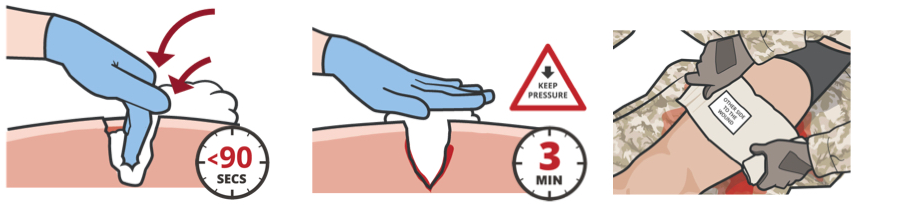
Hemostatic bandages stop bleeding due to two main mechanisms: chemical interaction with blood and mechanical tamponade of the wound. Let's take a closer look:
-
Chemical interaction: some substances (for example, chitosan) have a positive charge, due to which they quickly attract negatively charged blood cells, mainly red blood cells. This accelerates the formation of a clot.
-
Gel formation: The substance absorbs plasma and forms a gel-like mass that fills the wound and creates a barrier to subsequent bleeding.
-
Mechanical tamponade: The bandage physically fills the wound space and applies pressure to the bleeding vessels like a finger pressing on the source of bleeding.
-
Acceleration of blood clotting: Some bandages (for example, kaolin-based) trigger the natural mechanism of hemocoagulation, activating clotting factors.
Hemostatic bandages can be effective even in cases where natural blood clotting mechanisms are impaired.
Indications for use
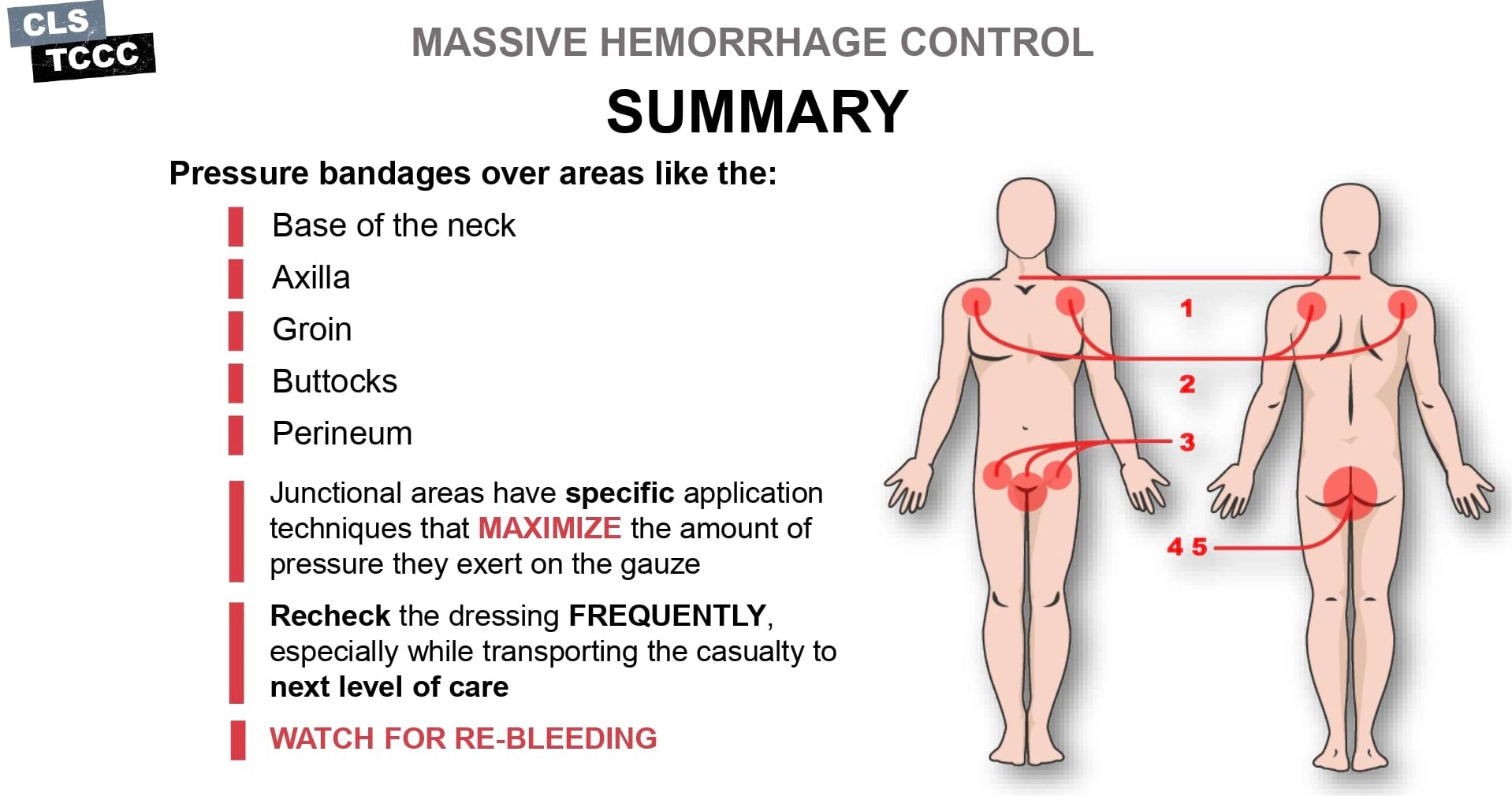
1. Deep wounds with massive bleeding: The hemostatic bandage is intended for tamponading deep cavity wounds (e.g., inguinal, axillary (under the arms), on the neck, buttocks) where the source of bleeding is deep and cannot be compressed with a tourniquet.
2. Bleeding that cannot be controlled by direct pressure: If strong direct pressure on the wound with conventional dressing material does not stop the bleeding within a few minutes, a hemostatic bandage should be applied.
3. Combat conditions and emergencies: It is a key element of individual first aid kits (IFAK) in tactical medicine (TCCC), where the speed of stopping bleeding is critical for survival.
4. Inaccessibility of other methods: Used when applying a tourniquet is not effective or possible (e.g., for wounds to the torso or areas where limbs connect to the torso) or when there are no other options for applying a bandage in extreme conditions.
Advantages of hemostatic bandages
Hemostatic bandages have several significant advantages over conventional bandages, especially when dealing with critical, life-threatening bleeding:
1. Rapid bleeding control: The special hemostatic agent impregnated in the bandage actively accelerates the natural blood clotting process or physically seals the wound. This allows heavy bleeding to be stopped in a matter of minutes (sometimes even in 30-40 seconds), which is critical in emergencies.
2. Effective for massive bleeding: Conventional bandages only absorb blood and require prolonged, strong pressure; they do not always cope with damage to large vessels. Hemostatic bandages are specifically designed to stop such dangerous bleeding, including arterial bleeding.
3. Versatility: Suitable for tamponading deep, cavitary wounds in areas where a tourniquet cannot be applied (armpits, groin, neck), as well as for external injuries.
4. Ease of use: No special medical training or skills are required for effective use, allowing even untrained civilians to use them in the field.
5. Convenience of use (Z-shape): Many modern hemostatic bandages are folded in a Z-shape (“accordion”), which allows you to quickly remove and insert the material into the wound without unnecessary movements and the risk of dropping the bandage.
6. Safety: Modern hemostatics (such as kaolin) do not cause exothermic reactions (burns), as was the case with some older products.
7. Radiopacity: Most high-quality hemostatic bandages have a special strip along their entire length that is visible on X-rays. This helps medical personnel easily locate and completely remove the bandage from the wound in the hospital.
8. Compactness: They are usually compactly packaged, making them convenient to carry in individual first aid kits (IFAK).
9. Sterility: Sealed packaging prevents anything unnecessary from coming into contact with the medically clean, pathogen-free bandage until it is used.
Some chitosan bandages have another advantage: they are absorbed in the body and do not need to be removed.
How to use correctly?
-
Open the package, observing sterility, avoiding contact of the inner surface with non-sterile objects.
-
Unfold the bandage and apply it directly to the wound, ensuring complete coverage of the bleeding area.
-
Wrap the damaged area, creating moderate pressure.
-
After applying the bandage, fix its end to prevent accidental unwinding.
-
After tamponade, continue to apply strong direct pressure to the wound for at least 3-5 minutes to ensure effective clot formation.
-
The empty bandage bag should be handed over to medical personnel to inform them of the product used.
-
Immediately seek qualified medical care after providing emergency care.
⚠ The main thing is not just to lay it down, but to tamponade the wound and create pressure.
Real-world experience
"Today, about 81.3% of injuries are shrapnel wounds, while only about 18.7% are bullet wounds. Injuries are almost always multiple, affecting several anatomical locations: the abdomen, chest, limbs, and head. There are virtually no isolated injuries to a single area.
Today, FPV drones are the main weapon used against our military personnel.
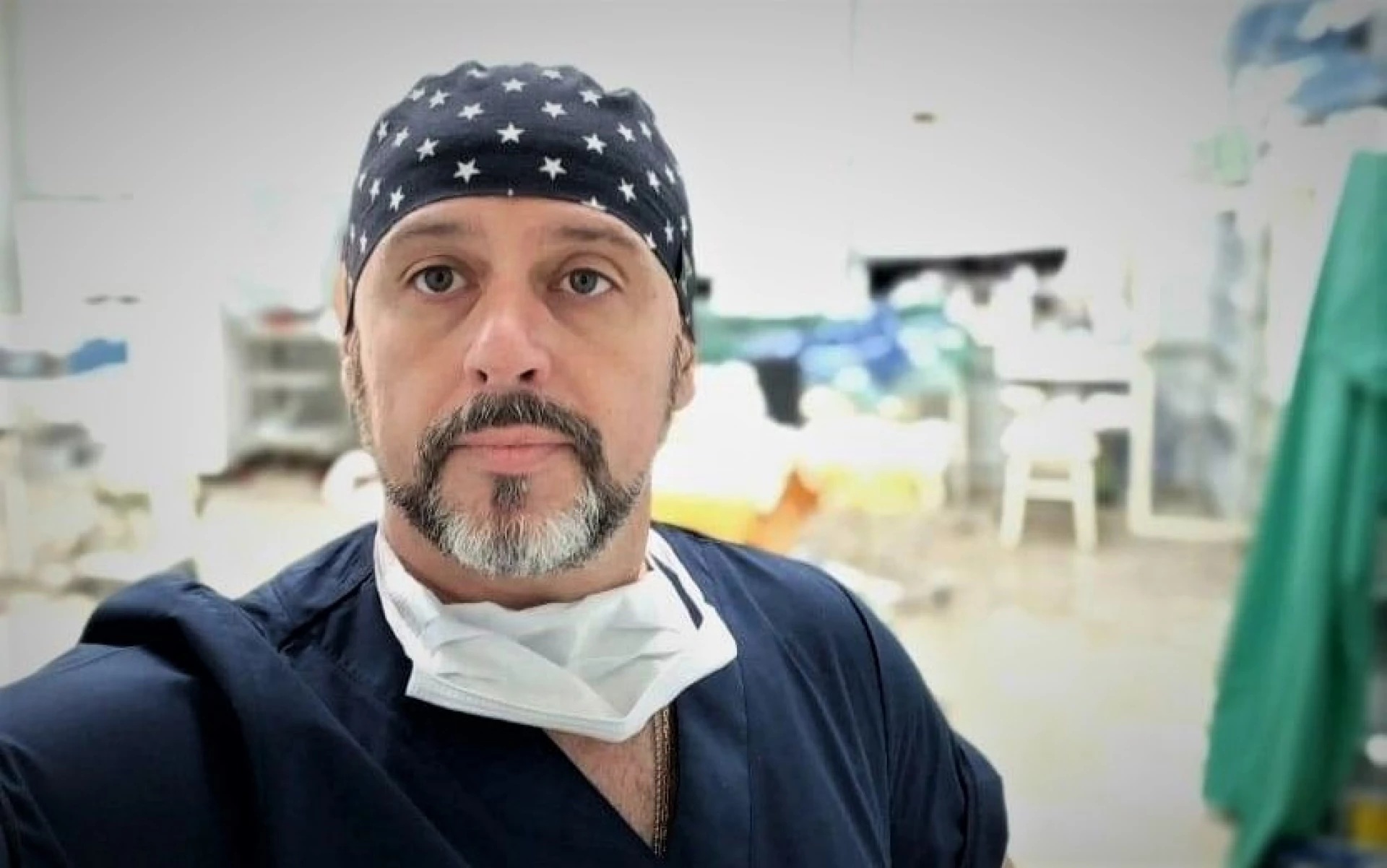
Ammunition equipped with cluster elements damages several anatomical areas at once: limbs, abdominal, and chest cavities. This leads to an extremely complex picture of injuries, with massive internal and external bleeding", notes Chief Surgeon of the Armed Forces of Ukraine, Colonel of Medical Service, Candidate of Medical Sciences, Associate Professor, Konstantin Gumenyuk.
"In the work of combat medics and military surgeons of the Armed Forces of Ukraine in mobile hospitals, a material was used to stop bleeding – a chitosan-based zigzag hemostatic dressing measuring 11.2 x 1.83 m.
The results were evaluated in two stages:
– First: when combat medics used the product on the battlefield to help the wounded.
– Second: its use by military surgeons during surgical interventions in mobile hospitals.
According to the first stage, all wounded patients who were delivered to the mobile hospital using this hemostatic agent, namely those with gunshot wounds to soft tissues in various locations without damage to major vessels, did not experience active bleeding from the wound, which indicates the good hemostatic properties of this agent. No adverse reactions from the use of this product were observed in the wounded.
During operations, this bandage was used on wounded patients with gunshot wounds with large tissue defects, namely: skin, subcutaneous fatty tissue, muscles, and for tamponade and stopping bleeding in the abdominal cavity, specifically the lateral abdominal channels, retroperitoneal space, and pelvic cavity. In cases of significant defects and active non-arterial bleeding, 2 or 3 units of the product were sometimes used on one damaged anatomical area, thereby achieving a hemostatic effect.
Today, the product is widely used in the surgical service of the Armed Forces of Ukraine", Konstantin Gumenyuk shared his real-life experience of using the product.
Myths and misconceptions
Like any phenomenon that affects our lives, hemostatics have also become shrouded in myths, which we will immediately refute. So:
– Myth: Hemostatic bandages instantly stop any bleeding.
– Reality: Although the bandage works quickly, it still takes time (usually 3-5 minutes of strong direct pressure) to activate the clotting process and form a strong clot.
– Myth: It is enough to simply apply the bandage to the wound from above.
– Reality: The bandage must be “tamponaded” (pushed) as tightly as possible directly to the source of bleeding inside the wound to be effective.
– Myth: A hemostatic agent replaces a tourniquet.
– Reality: A tourniquet is the first line of defense for stopping critical bleeding in the limbs. A hemostatic bandage is used when a tourniquet is not feasible (e.g., groin, neck, torso) or as an adjunct.
Common mistakes when using
1. Insufficient wound tamponade: The most critical mistake is not inserting the bandage deep into the wound to the source of bleeding. Superficial application will not stop heavy bleeding.
2. Insufficient or premature pressure: Stopping strong direct pressure on the wound earlier than 3-5 minutes after tamponade. Pressure is an essential part of the procedure.
3. Removing the bandage from the wound: After application, the bandage remains in the wound until qualified medical personnel arrive. Attempting to remove it may restart bleeding.
4. Use on minor wounds: Hemostatic bandages are not intended for minor cuts or abrasions. They are a means of stopping critical, life-threatening bleeding.
5. Improper storage: Storing the bandage in a damp, dirty environment or outside of its original sealed packaging may impair its properties.
What not to do
– Do not use expired or damaged bandages: make sure that the expiration date has not passed and that the packaging is intact and sealed.
– Do not use hemostatic agents that cause burns: avoid outdated powdered agents that can cause thermal burns to surrounding tissues. Modern bandages are safer.
– Do not ignore the instructions: follow the sequence of actions: tamponade the wound, apply strong direct pressure, control bleeding, and prepare for evacuation.
– Do not throw away the packaging: attach the empty bandage package to the victim or give it to the medics so that they know what product was used and when.
Important fact
– Market growth: The global market for hemostatic dressings was valued at approximately US$2.3 billion in 2023 and is projected to grow to approximately US$4.8 billion by 2032, demonstrating steady growth. This indicates increasing production and procurement of these products.
– Increase in injuries and surgeries: The main drivers of demand growth are an increase in the number of road accidents, a rise in the number of surgical procedures worldwide (more than 300 million surgeries annually), and ongoing military conflicts.
– Expansion of use: Hemostatic agents are increasingly being used not only in military settings, but also in civilian emergency medicine (ambulance services, trauma centers) and even in home first aid kits, which also increases their overall number of applications.
Recommendations and standards
Official standards and instructions for the use of hemostatic bandages are regulated by international trauma care protocols (mainly TCCC/TECC) and national regulatory authorities (e.g., the Ministry of Health of Ukraine, the FDA in the US, and the EMA in the EU).
Official standards and recommendations
The basic standards for the use of hemostatic bandages are defined in the Tactical Combat Casualty Care (TCCC) course, which is an international standard for providing care in combat conditions and is widely used in Ukraine:
– TCCC Clinical Guidelines (CoTCCC Guidelines): These guidelines are the main document that defines which hemostatic agents are recommended, how to use them (wound tamponade algorithm), and in which cases. They are regularly updated by the TCCC Committee.
– Skill Card: Hemostatic Bandage/Wound Tamponade: These are step-by-step instructions designed for quick use in the field, which describe the algorithm of actions in detail.
Regulation and licensing
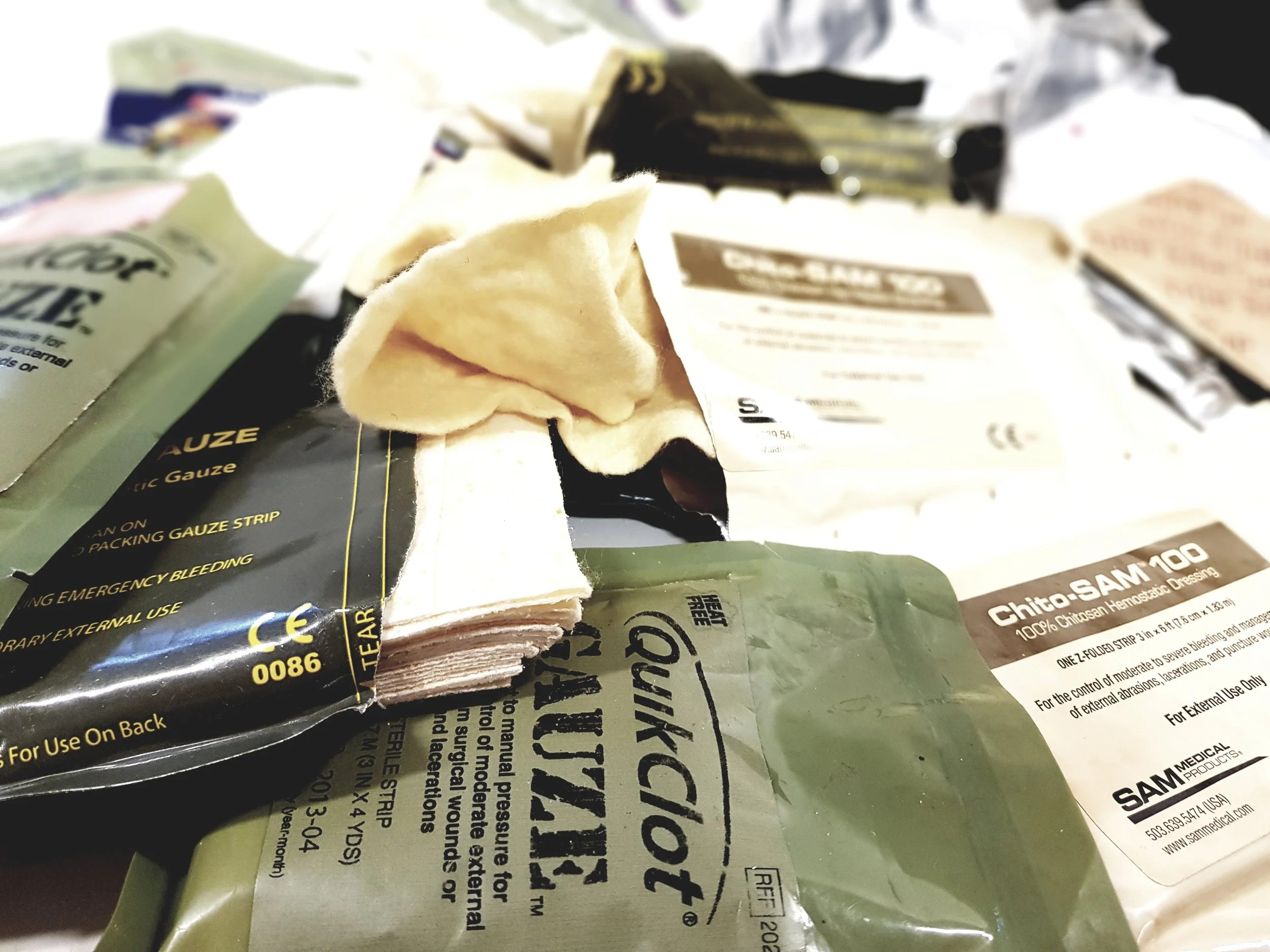
– United States: All medical devices, including hemostatic dressings (e.g., QuikClot Combat Gauze, which is approved by the CoTCCC), must be cleared by the FDA (U.S. Food and Drug Administration) for sale and use.
– Ukraine: Medical devices undergo a state registration and/or conformity assessment procedure in accordance with technical regulations. Manufacturers or importers must have quality certificates, which are checked and stored by distributors and pharmacies.
– You can check whether a product is registered in Ukraine in the State Register of Medicines of Ukraine.
Manufacturer's instructions
Each specific hemostatic bandage has its own detailed instructions for use, which are included in the packaging. These instructions comply with general standards (such as TCCC), but may have nuances depending on the active ingredient (kaolin, chitosan, etc.).
Important: Always check the expiration date and integrity of the packaging of a medical device before use.
A hemostatic bandage is not only an element of a military first aid kit. It is a real chance to save a life in the first minutes after injury or trauma.
Police officers, drivers, tourists, athletes, hunters, and parents can all find themselves in a situation where life depends on their actions.
It's like medical insurance. It's good if you never need it, but you feel calmer and more confident with it than without it.
Do you have a first aid kit? Add a hemostatic bandage to it – it's a real investment in life.
FAQ. Questions About Hemostatic Bandages
1. How does a hemostatic agent work?
- Accelerating blood clotting: active substances (kaolin or chitosan) stimulate the natural process of forming a fibrin clot that “plugs” the damaged vessel.
- Physical barrier: the bandage creates a dense “framework” that physically blocks the bleeding and concentrates blood cells and clotting factors directly at the injury site.
2. How long can the bandage stay on/in a wound?
Key points:
- Minimum pressure time: after packing the wound, 3–5 minutes of continuous strong direct pressure are required.
- Maximum time (ideal): the bandage should stay in the wound until a surgeon safely removes it in the operating room.
- Combat conditions: modern hemostatics can remain in a wound for up to 24 hours during prolonged evacuation.
Important: never remove a hemostatic bandage on your own on the battlefield or during transport — this almost always causes renewed severe bleeding.
Main rule: “insert and forget” until the surgeon.
3. Which is better: kaolin or chitosan?
The main difference is the reliability of chitosan in difficult conditions:
- hypothermia;
- conditions with reduced blood clotting;
- use of anticoagulants;