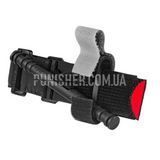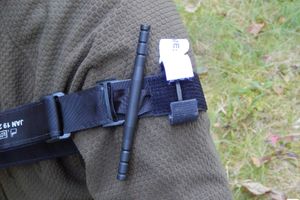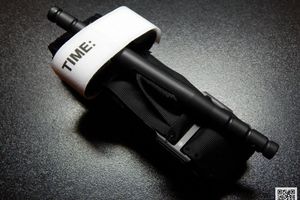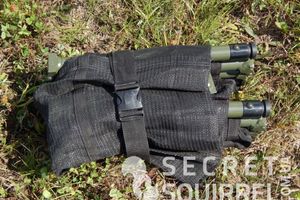
In the field of first aid, a question is regularly asked by both military personnel and civilians: Does a C-A-T tourniquet have an expiration date, and can an old tourniquet still be used?
As a tactical medicine instructor and a consultant for the Punisher store (specializing in protective and tactical clothing and equipment), I frequently inspect the first aid kits of soldiers, rescuers, and civilians. Almost every time, I find the same problem – tourniquets that have been sitting for years without inspection, sometimes still in their factory packaging. This is a critical mistake. In a situation of massive hemorrhage, it is specifically a functional C-A-T® tourniquet that determines whether there will be a chance for life.

Does a C-A-T® Tourniquet Have an Expiration Date?
Officially, the manufacturer of the Combat Application Tourniquet (C-A-T®) does not establish a classic "expiration date" in the same way it is done for medications. However, this does not mean that the tourniquet can be used indefinitely.
In the professional community, the following concept is used:
Service Life
For C-A-T® tourniquets, the service life is approximately 3 to 5 years, provided that the following conditions are met:
- proper storage;
- absence of mechanical damage;
- absence of exposure to direct sunlight, moisture, or extreme temperatures.
Why Does a Tourniquet Age?
The primary material of the tourniquet consists of polymers and nylon, which degrade over time.
The most frequent problems include:
- loss of elasticity in the strap;
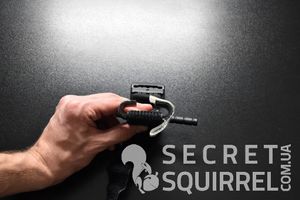
- cracks on the plastic windlass handle;
- weakening of the hook-and-loop fastener (Velcro);
- brittleness of the clips and fasteners.
Commentary from Personal Practice
During training exercises in 2023, we tested tourniquets that had been kept in car first aid kits for over 6 years. At maximum tension, two out of five tourniquets snapped, and another failed to secure due to a worn-out Velcro strap. In a real-life situation, this would have meant a loss of time and, likely, a loss of life.
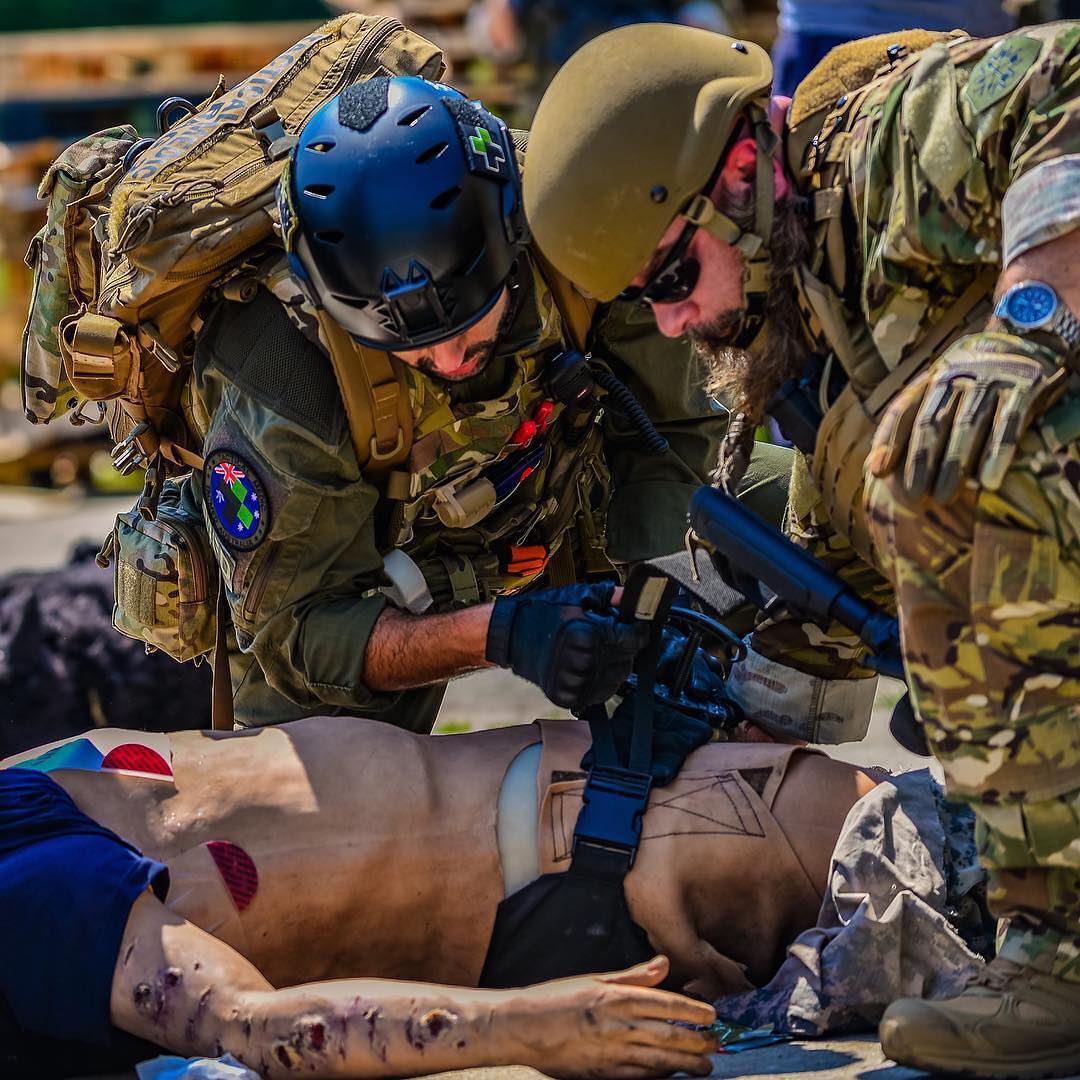
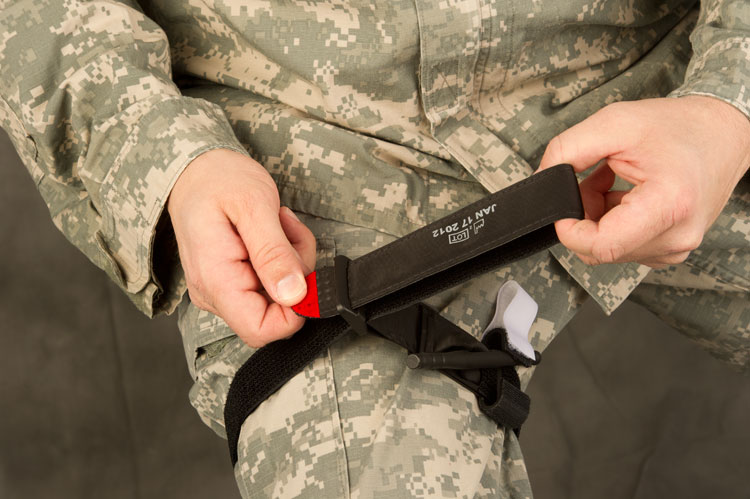
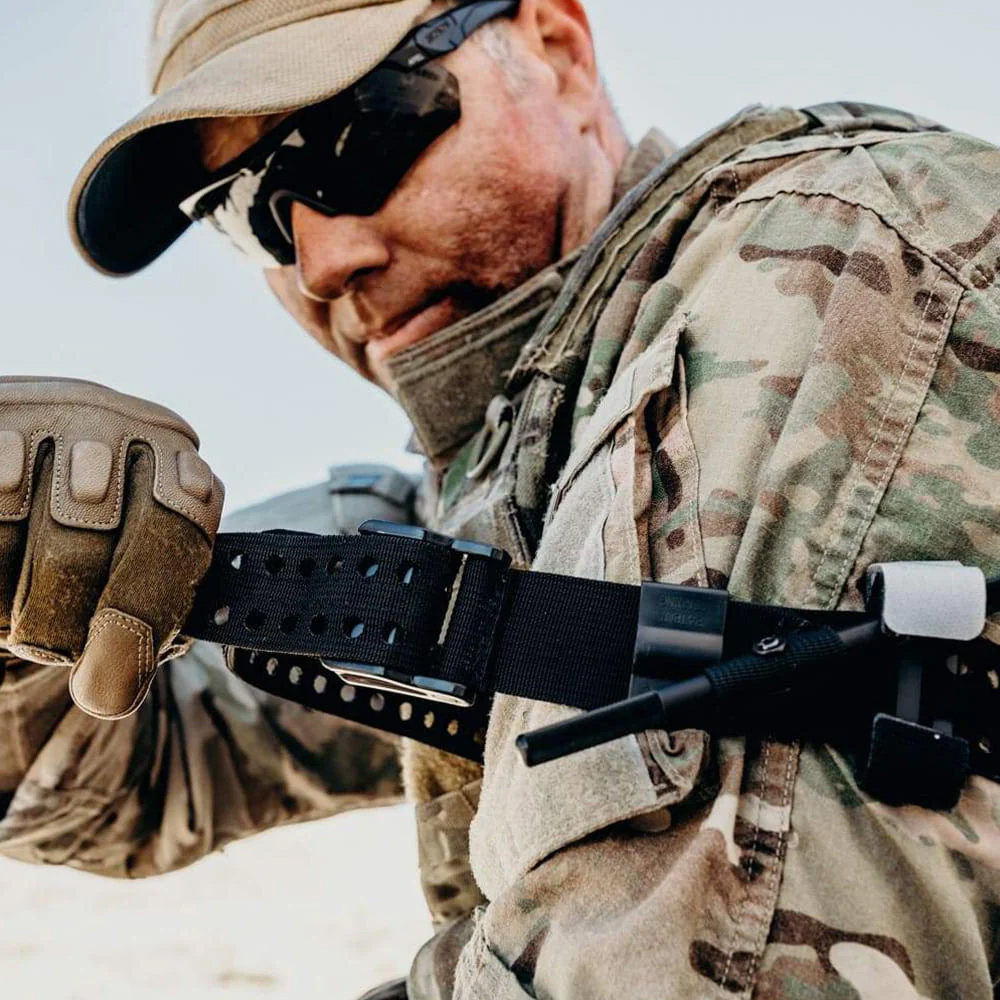
The C-A-T tourniquet is included in the list of equipment recommended by TCCC (Tactical Combat Casualty Care) and is used by the armies of many countries worldwide. It is specifically its massive application in combat conditions that has proven: the quality of the tourniquet is more important than its mere presence.
How to Understand if a Tourniquet Needs to Be Replaced?
Before every use, or at least once every 6 to 12 months, check the following:
Strap integrity (ensure there are no tears or fraying).
Windlass condition (ensure there are no cracks).
Velcro functionality.
Plastic elements and clips.
Clarity of markings and origin (to avoid counterfeits).
If the tourniquet:
- has been stored for more than 5 years;
- has been left in the sun or inside a vehicle;
- has been soaked or frozen;
– it is better to replace it with a new one.
According to data from tactical medicine training centers, over 30% of tourniquets found in civilian first aid kits are either counterfeits or have lost functionality due to improper storage.


Proper Storage of the C-A-T® Tourniquet
To extend its operational resource:
- Temperature: from -10°C to +40°C.
- Avoid direct sunlight: ultraviolet radiation destroys polymers.
- Do not store permanently in a vehicle.
- Protect from moisture and dirt.
- Keep it staged for rapid use, rather than in airtight factory packaging.
Commentary from Personal Experience
I always recommend having two tourniquets:
- one "working" unit (carried on your gear);
- one "reserve" unit (carried in a backpack or first aid kit).
During training, we use separate dedicated tourniquets – after multiple practice applications, they cannot be used in combat or real-life emergency conditions.
How to Distinguish an Original C-A-T® from a Counterfeit?
Signs of an original:
1. Manufacturer markings: North American Rescue.
2. High-quality plastic without burrs or rough edges.
3. Dense, durable strap material.
4. Presence of serial markings.
5. Proper packaging.
Counterfeits often break specifically at the moment of maximum load.
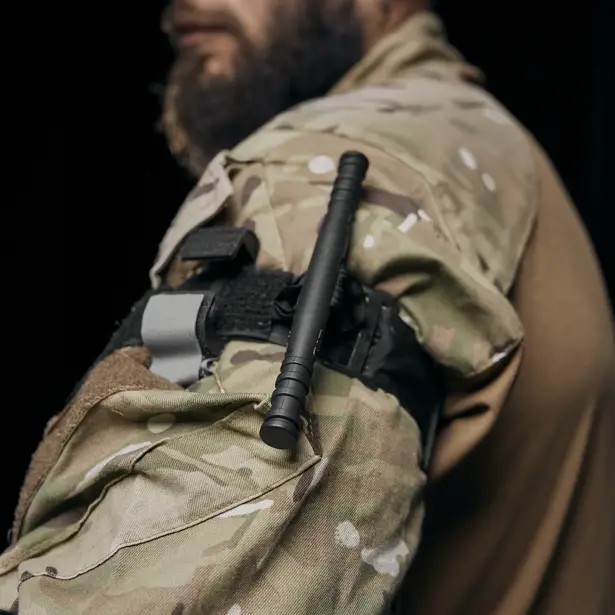

During tests at training centers, some cheap copies of tourniquets failed at a tension level of less than 50% of the force required to stop arterial bleeding.
Formally, the C-A-T® tourniquet does not have a rigid expiration date, but in real-world conditions, its shelf life is 3 to 5 years. Regular inspection, proper storage, and the use of only original products are the keys to ensuring the tourniquet works exactly when it is critically needed.
As I always say during classes:
A tourniquet is not just an item in a first aid kit. It is an instrument that may one day save a life. But ONLY if it is in good working order.

FAQ. Answers to Frequently Asked Questions
1. Is there an official expiration date for the C-A-T® tourniquet?
2. Can I use an old tourniquet?
3. Can I use a training tourniquet in a real situation?
4. What is more important – a new or an original tourniquet?