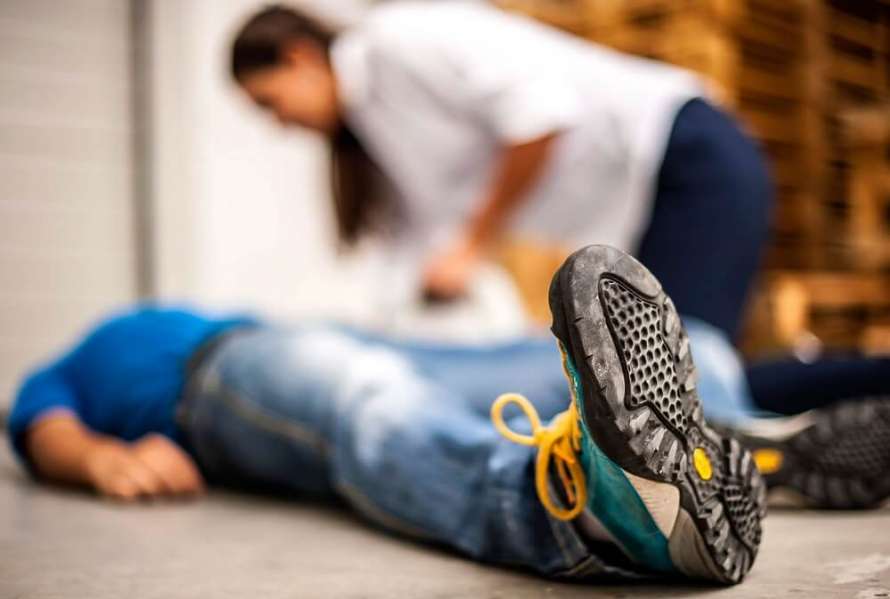
Loss of consciousness is a state that almost every person encounters at least once in their life: either personally or as a witness. At first glance, the situation may not look critical, but from a medical point of view, loss of consciousness is always a signal that the body is not coping with the load or is experiencing the acute impact of a dangerous factor.
As a medical professional, I have repeatedly encountered cases where the wrong actions (inactivity here is also equated to wrong actions) of an eyewitness in the first 1-2 minutes radically changed the prognosis, from full recovery to severe complications. That is why it is essential to clearly understand what to do if a person loses consciousness and what mistakes to avoid. Together with an experienced consultant for the Punisher military store, we will examine this issue.
What is Loss of Consciousness from a Medical Perspective
Loss of consciousness is a sudden or gradual cessation of a person's adequate response to external stimuli, with a loss of control over the body and position in space. Most often, it occurs due to a temporary disruption of blood supply or oxygenation of the brain.
The human brain consumes about 20% of the body's total oxygen, although it weighs only approximately 2% of the body's mass. That is why even a short-term lack of oxygen can lead to loss of consciousness.
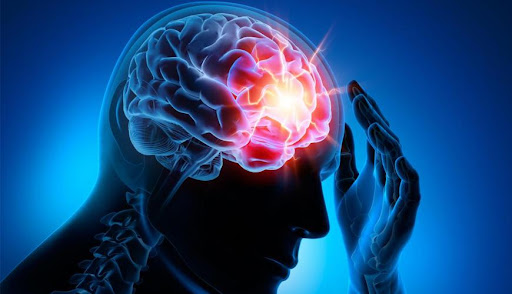
Main Causes of Loss of Consciousness
In practice, the causes can be conventionally divided into several groups:
1. Circulatory Disorders:
- sudden drop in blood pressure;
- cardiac arrhythmias;
- acute blood loss.
2. Lack of Oxygen:
Can a person lose consciousness from a lack of oxygen? Yes, and this is one of the most common causes. Lack of oxygen can occur during:
- staying in stuffy rooms;
- carbon monoxide poisoning;
- drowning;
- severe lung diseases.
In a closed room with poor ventilation, oxygen levels can drop so much that the first symptoms (dizziness, nausea) appear within 5-10 minutes.

3. Neurological Causes:
- epilepsy;
- stroke;
- traumatic brain injuries.
4. Metabolic Disorders:
- sudden drop in glucose levels (hypoglycemia);
- dehydration;
- electrolyte imbalance.
5. Psycho-emotional Factors:
- severe stress;
- panic attack;
- pain shock.
From my own experience: most often, eyewitnesses underestimate the person's condition, attributing the loss of consciousness to "over-worrying" or "overheating."
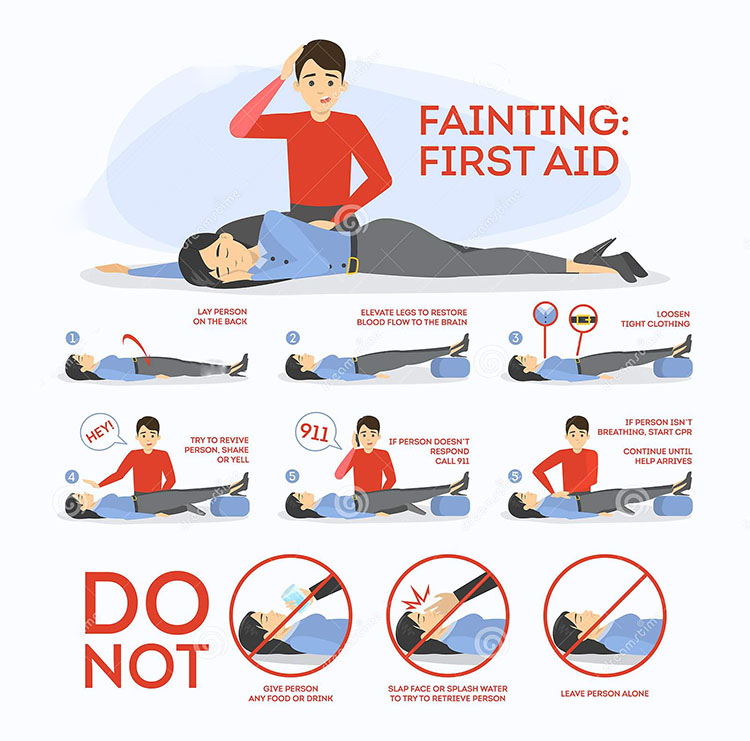
What to Do if a Person Loses Consciousness: Step-by-Step
When teaching first aid, I always emphasize: a clear algorithm removes panic. Therefore, the assistance algorithm for loss of consciousness must be simple and consistent.
Assistance Algorithm for Loss of Consciousness:
Step 1. Safety Check.
Ensure that there is no threat to you or the victim (traffic, electricity, gas, etc.).
Step 2. Assessment of Consciousness.
Gently speak to the person and lightly shake them by the shoulders.
Step 3. Call for Emergency Help.
If the person does not respond – immediately call emergency services (e.g., 911, 112, 103) or ask someone nearby to do so.
Step 4. Check Breathing.
Lean toward the face, assess chest movement, and feel for air.
An unconscious person who is breathing normally can suffocate on their own tongue or vomit if they are lying on their back.
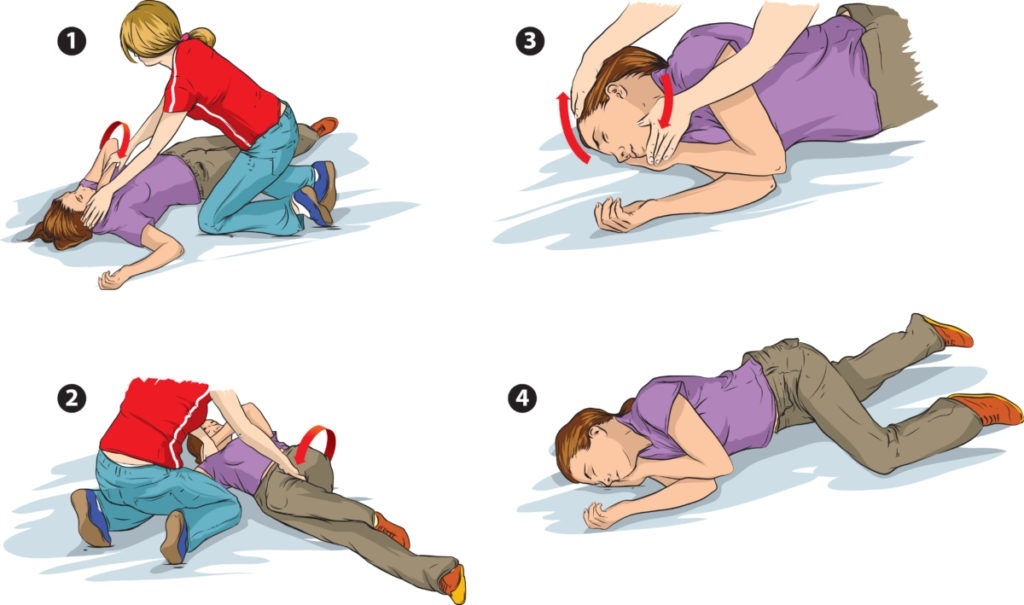
Step 5. Correct Body Position:
- If breathing is maintained, place them in the Recovery Position (stable side position).
- Raise the legs by 20-30 cm if there is no suspicion of injury (to improve blood flow to the brain).
Step 6. Condition Monitoring.
Constantly monitor breathing and consciousness until the medics arrive.
First Aid for Loss of Consciousness: Typical Mistakes
From my experience, most complications arise not from the loss of consciousness itself, but from the wrong actions of those around.
DO NOT:
- Pour water on the face.
- Slap the cheeks.
- Give medicine or water.
- Lift the person to their feet.
Smelling salts (ammonia) are not recommended in modern protocols – a sharp reflex can worsen the condition, especially in cardiac or neurological cases.
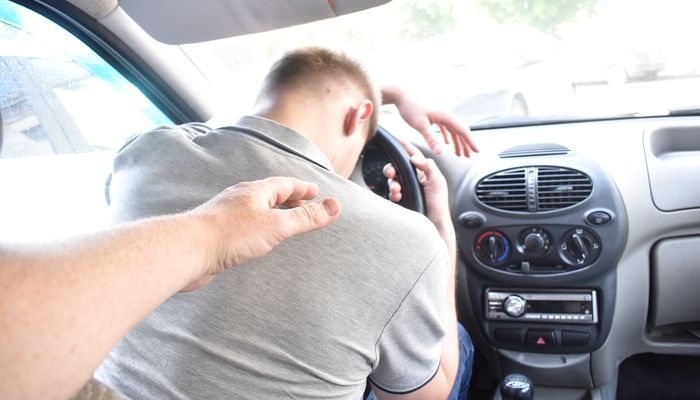
When Loss of Consciousness is Especially Dangerous
Be sure to inform the medics if:
- This happened for the first time.
- The person is pregnant.
- There are seizures.
- There was a head injury.
- Loss of consciousness lasted more than 1-2 minutes.
In the practice of emergency medicine, these factors are "red flags".
If a person is intoxicated, how to determine whether they need help
The main rule in emergency medicine is:
“It is better to call an ambulance once too often than to miss a critical condition”.
Being intoxicated does not rule out stroke, traumatic brain injury, hypoxia, or internal bleeding. On the contrary, alcohol increases the risks.
From my own experience, the most serious cases are those where those around the person decided to “let them sleep it off”.
Remember:
“If a person is drunk and you feel that ‘something is wrong,’ you are not imagining things”.
In medicine, we always assume the worst-case scenario until proven otherwise.
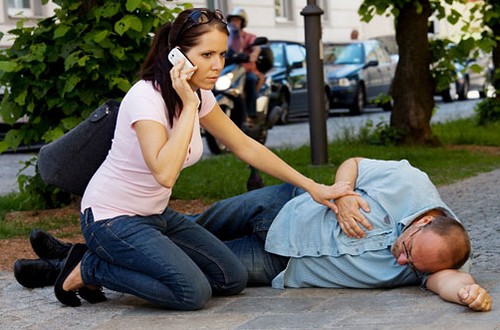
Loss of consciousness is not a diagnosis, but a symptom that should never be ignored. Knowing the basic algorithm of action allows you not only to help the person next to you but, sometimes, to save a life. One should also not ignore a person's condition due to masking factors, since the use of alcohol or other psychotropic substances does not make a person immune to everyday dangers (loss of consciousness being one of them).
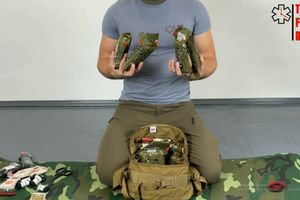
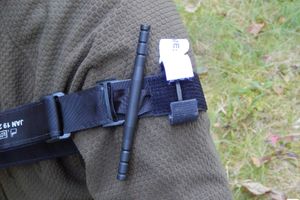
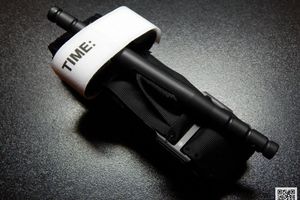
It is also important to be prepared for the worst-case scenarios when help is delayed or temporarily unavailable. In such cases, all hope lies with yourself or those around you, as well as a first aid kit, which should be readily available and easy to use. Our online store can help with the first, while articles such as this one and practical training sessions are available for the second.

Igor Ivandikov — author of the article
Project Manager
Has over 2 years of experience working in the field of camping equipment. Well-versed in products for tourism, camping, and outdoor recreation.
Responsible for coordinating projects, monitoring deadlines, and ensuring the quality of task completion.
He enjoys football (soccer) and billiards, participates in competitions, and has won prizes on numerous occasions. He is a fan of active recreation.
FAQ. Answers to Frequently Asked Questions
1. What should I do if a person is unconscious but breathing?
2. Is an ambulance always necessary?
3. Can I give water after someone loses consciousness?
4. How long can a "safe" loss of consciousness last?