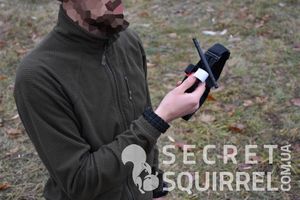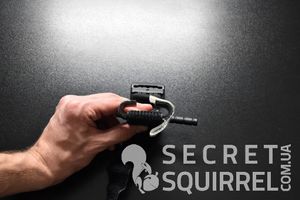
In modern tactical medicine, there are few tools as effective and simultaneously simple to use as the hemostatic tourniquet. Through years of practice in field conditions and during training exercises, I have seen firsthand: a properly applied tactical tourniquet can save a life in a matter of minutes – both on the battlefield and in civilian life.
In this article from the Punisher military store, we will explore what a tourniquet is, its origins, evolution, current applications, correct application techniques, storage guidelines, and how to identify authentic products to avoid counterfeit purchases.
What is a Tourniquet and How Does it Work?
A tourniquet is a medical device designed to stop massive arterial bleeding by completely occluding blood flow in a limb. It is most commonly used for:
-
Limb wounds;
-
Trauma with severe bleeding;
-
Amputations;
-
Shrapnel and gunshot wounds;
-
Traffic accidents and industrial injuries.
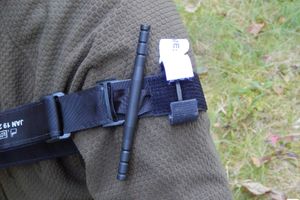
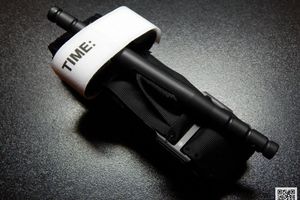
Modern models, such as the C-A-T (Combat Application Tourniquet), are equipped with a windlass, which allows the user to create enough pressure to completely stop the blood flow.
Just 20-25 years ago, tourniquets were considered a "last resort" due to the fear of limb loss. Modern research has demonstrated that the correct and timely application of a tourniquet can significantly increase survival rates without serious complications.

History: From Improvisation to NATO Standard
The first analogs of tourniquets were used as far back as the 17th century. However, the real breakthrough occurred during the military conflicts of the 21st century, when statistics showed that the majority of deaths from wounds were related specifically to uncontrolled hemorrhage.
The TCCC (Tactical Combat Casualty Care) program established the tourniquet as the standard of first aid. It was during this time that proven models emerged:
-
C-A-T Gen7;
-
SOF® Tourniquet;
-
SAM® XT.
From my own experience in training, I can say that after the implementation of modern tourniquets, the time required to stop bleeding was reduced to an acceptable 30-60 seconds, which is critical for survival.
The Role of the Tourniquet on the Battlefield and in Civilian Life
On the battlefield, a tourniquet is the #1 tool for self-aid and buddy aid. Every soldier carries one in their Individual First Aid Kit (IFAK). Its necessity and frequency of use during combat operations are extremely high.
In civilian practice today, keeping a tourniquet in a first aid kit is recommended for:
-
Drivers;
-
Industrial workers;
-
Security personnel;
-
Hikers and tourists;
-
Instructors and coaches;
-
Parents (for the home first aid kit).
Mass casualty incidents, road accidents, and domestic injuries show that buying a tourniquet is a fundamental step toward being ready to act in a critical situation.
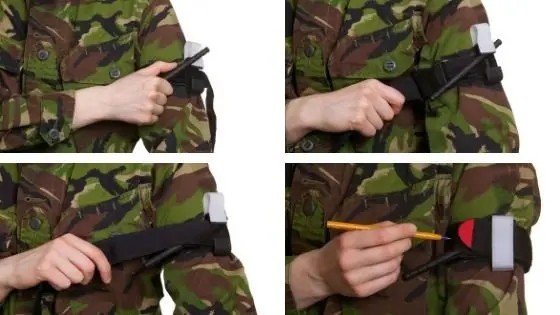

According to international studies, up to 20% of trauma deaths could have been prevented if the bleeding had been stopped within the first few minutes.
How to Apply a Tourniquet Correctly
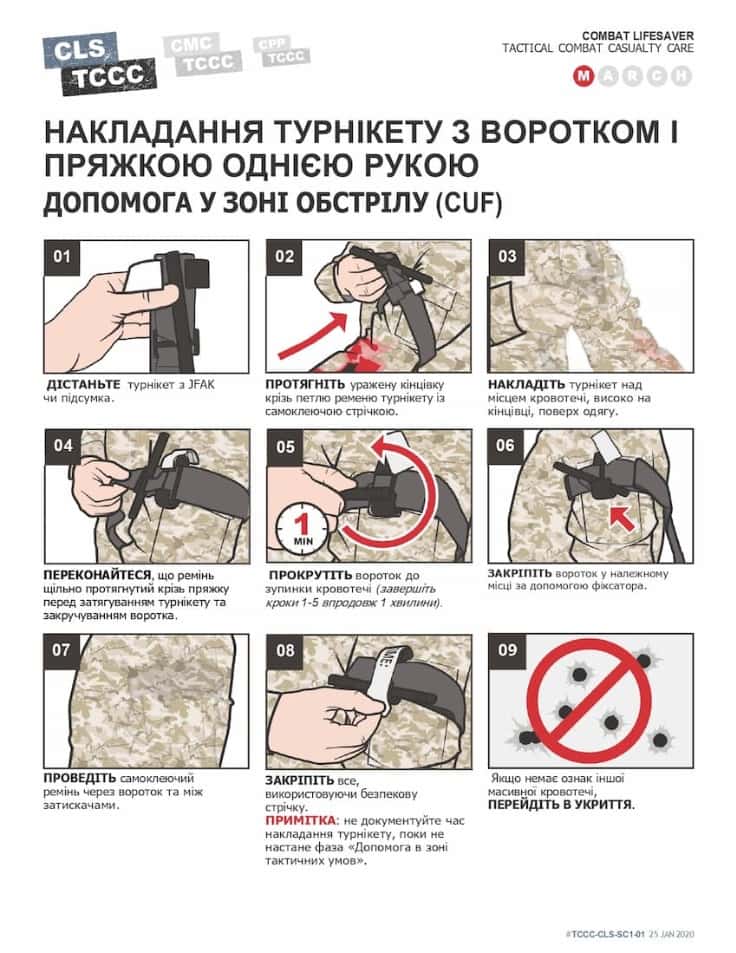
The basic rules:
-
Apply above the wound site (by 5-7 cm/2-3 inches).
-
If the wound is not visible – rule of thumb: "High and Tight".
-
Turn the windlass until the bleeding stops completely.
-
Secure the windlass.
-
Always record the time of application.
-
Do not loosen it until the patient is handed over to medical professionals.
During training, the most common mistake I see is insufficient tightening. A tourniquet should be painful – this is normal, as its job is to save a life.
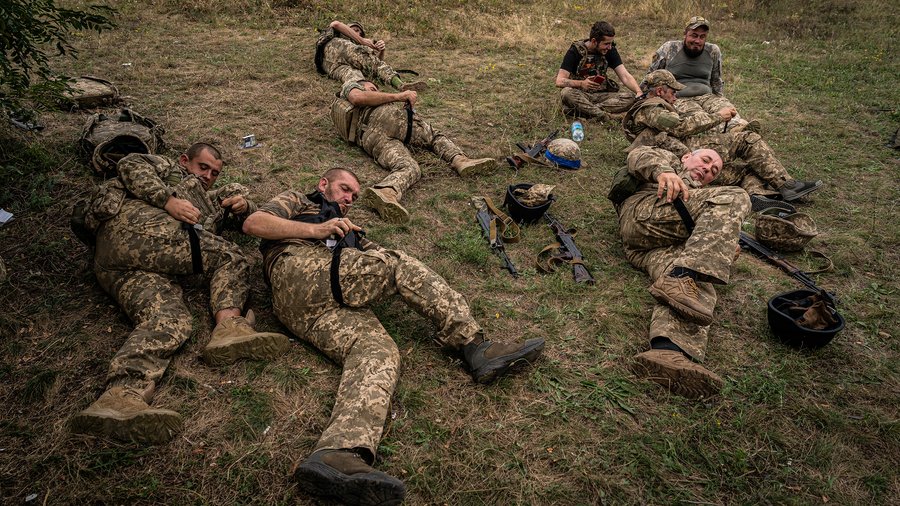
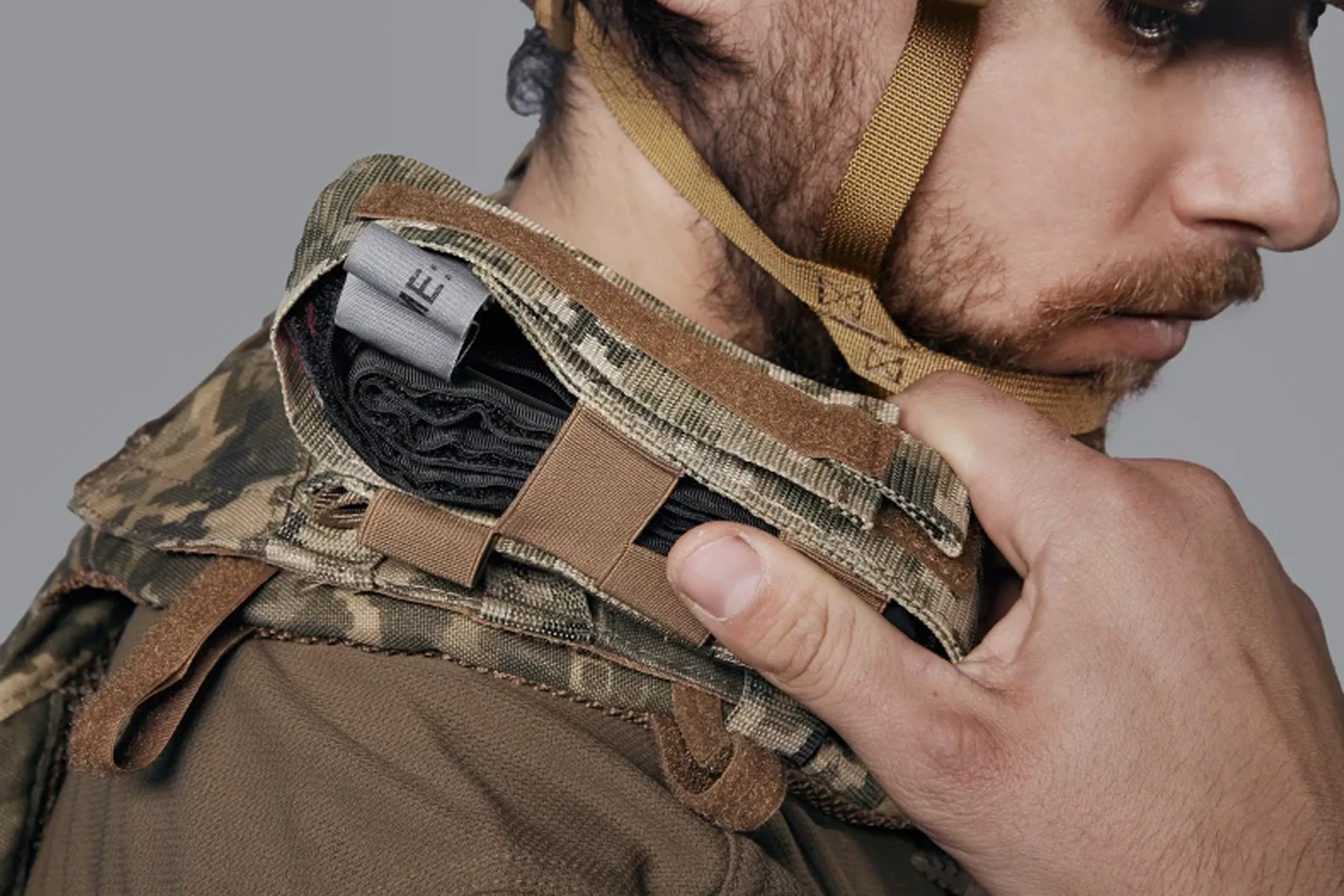
In field conditions, tourniquets are often worn on the outside of gear to reduce access time. Losing even a few minutes searching for one can cost a life.
Reliable Manufacturers
If you are planning to buy a tactical tourniquet, pay attention to these brands:
-
C-A-T (North American Rescue)
-
SOF Tactical Tourniquet
-
SAM Medical
-
TacMed
These specific models are included in the TCCC recommendations.
Furthermore, the tactical medicine market is actively developing in Ukraine. In addition to global brands, Ukrainian tourniquets have appeared, created with real combat experience and the needs of both military and civilians in mind.

From practice, I can say: while working with units and during training, I have repeatedly seen that high-quality Ukrainian models effectively handle their main task – rapidly stopping massive hemorrhage.
Among the most well-known Ukrainian tourniquets, it is worth highlighting:
-
SICH Tourniquet: One of the most common Ukrainian tourniquets. It features a strong strap, a reliable windlass, and stable performance even in difficult conditions – such as mud, moisture, or low temperatures.
-
TQ Dnipro: A tourniquet used by military units and included in IFAKs. Its design is focused on quick one-handed application and can withstand significant mechanical stress.
-
PULSE Tourniquet: A modern Ukrainian development for tactical medicine. The manufacturer pays special attention to material quality, ergonomics, and testing in conditions as close as possible to reality.
After 2022, the demand for Ukrainian-made tourniquets increased several-fold. Today, they are actively used not only by the military but also by rescue workers, volunteers, drivers, and civilian owners of individual first aid kits.
How to Choose a Tourniquet Correctly
Regardless of the brand, look for these key criteria:
-
The tourniquet must completely stop the bleeding.
-
The windlass must not deform or break.
-
The strap must withstand strong tension without tearing.
-
A dedicated area for recording the application time is mandatory.
-
Buy only from trusted suppliers to avoid counterfeits.
From my own training experience, the decisive factor is not the country of origin, but the quality of the product and the skills of the user. Even the best tourniquet will not save a life if the person does not know how to use it.
Key signs of an original:
-
High-quality, dense strap material.
-
Clear manufacturer markings.
-
A sturdy windlass with no play.
-
Serial number or batch marking.
-
Official packaging.
From practice: counterfeits often tear or fail to provide sufficient pressure – this is a critical risk.


Storage and Service Life
I often hear the question, "Does a tourniquet have an expiration date?" Officially: no. However, manufacturers (specifically C-A-T) recommend replacement every 3-5 years, regardless of storage conditions.
During the guaranteed service life, the following recommendations apply:
-
Store in a dry place.
-
Avoid prolonged exposure to direct sunlight.
-
Regularly check for damage.
-
Do not use a training tourniquet in a real-life first aid kit.
Future Prospects
Future technologies usually align with modern trends. Therefore, with a high degree of probability, we can expect:
-
Automatic tourniquets with controlled pressure;
-
Proper tension indicators;
-
Integration into gear and clothing;
-
Use of lighter and stronger materials.
The demand for tourniquets among civilians is growing alongside the popularity of first aid courses.
As a specialist, I can summarize: a tourniquet is not a military accessory, but a basic survival tool. The right choice, regular training, and having it within reach are three factors that can save a life in a critical moment.
One more important point: for more convenient storage and transport, tourniquet pouches were invented long ago and are actively used. You should try them too: they make things much more convenient!
FAQ. Answers to Frequently Asked Questions
1. Which is better: a tourniquet or a manual pressure bandage/cravat?
2. How long can a tourniquet stay on?
3. Do I need a tourniquet in a civilian first aid kit?
4. Can I train with my "live" (combat-ready) tourniquet?