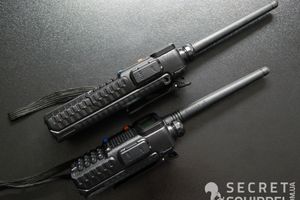

The modern battlefield has long since moved beyond small arms and armored vehicles. Today, control over the airwaves plays a decisive role. This is why Electronic Warfare (EW) systems have become a key element of protection against enemy drones, communication systems, and navigation.
As a soldier AFU who has repeatedly worked with EW systems in real-world conditions, I can assert: a correctly selected and skillfully applied EW system is capable of thwarting an attack without a single shot. So, let’s explore with the guide from the Punisher military store what it is, why it’s needed, and how effective it really is.
What is EW and How It Works
EW (Electronic Warfare) is a complex of measures and technical means aimed at:
- detecting radio signals;
- suppressing communication channels;
- disrupting navigation (GPS, GLONASS);
- disorienting or disabling the enemy's electronic systems.
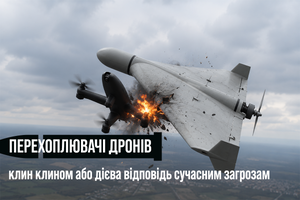
The most common scenario today is EW against drones. The system analyzes the spectrum, identifies the UAV's control frequency, and creates interference (jamming), causing the drone to:
- lose connection with the operator;
- hover in place;
- perform an emergency landing;
- or return to its starting point.
From my own experience: in most cases, 5-10 seconds of correct EW operation is enough for an FPV drone to lose control. The main thing is not to "jam everything at once", but to work with precision.
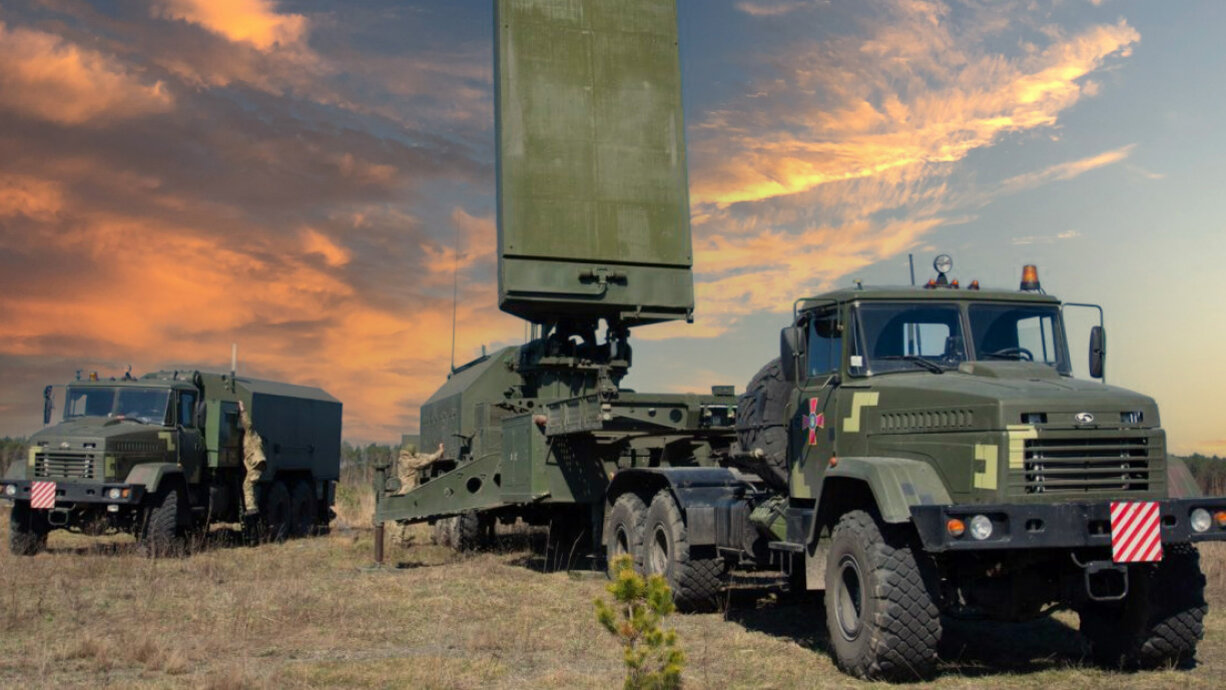
The first elements of electronic warfare were employed as far back as World War II, when they were used to jam aircraft radio navigation. Modern EW systems are high-precision digital systems with software-based logic.
Main Types of EW Equipment
1. Portable EW Devices
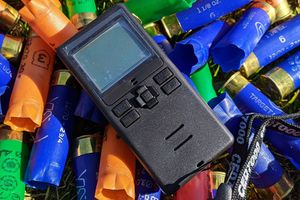
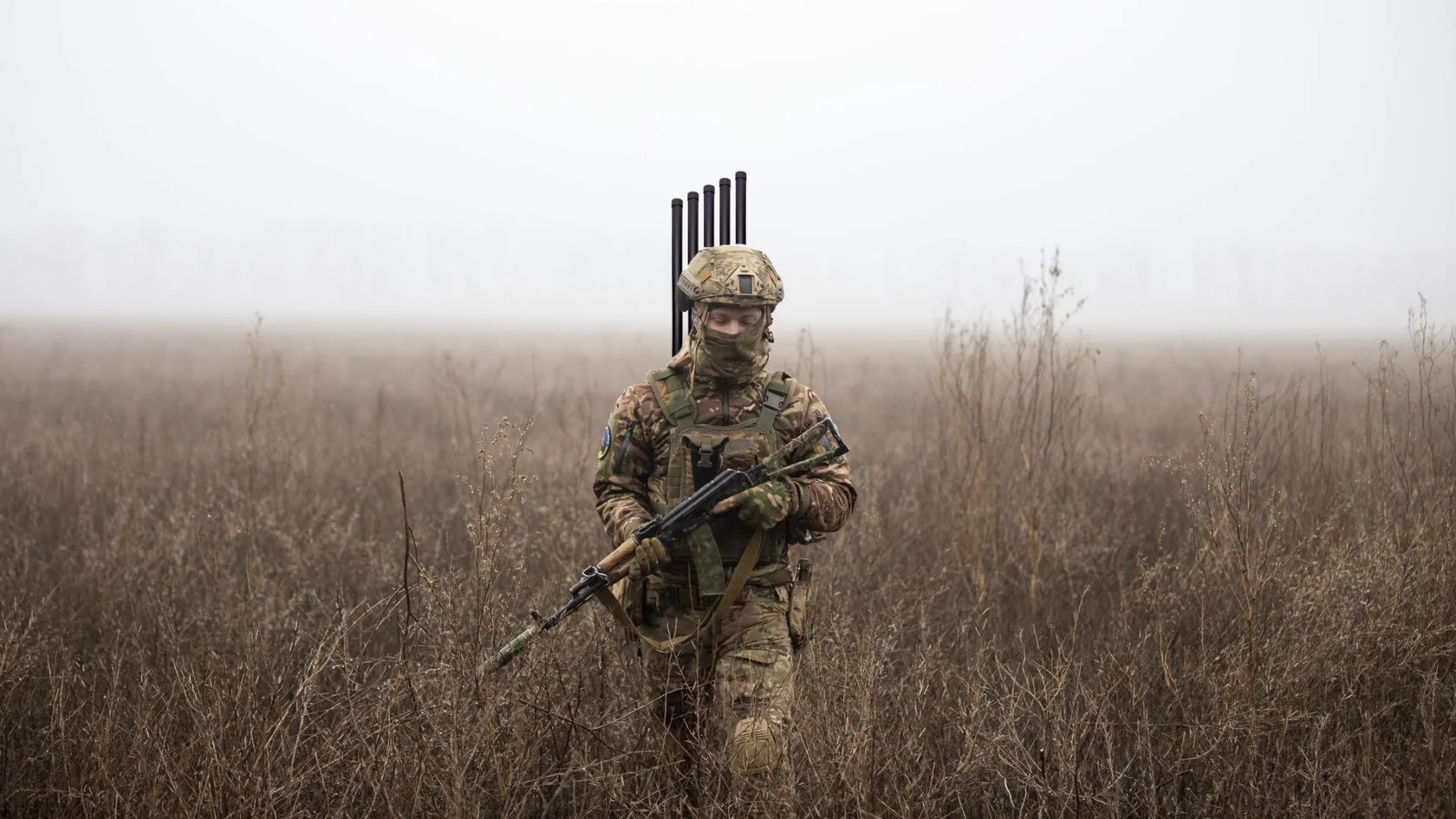
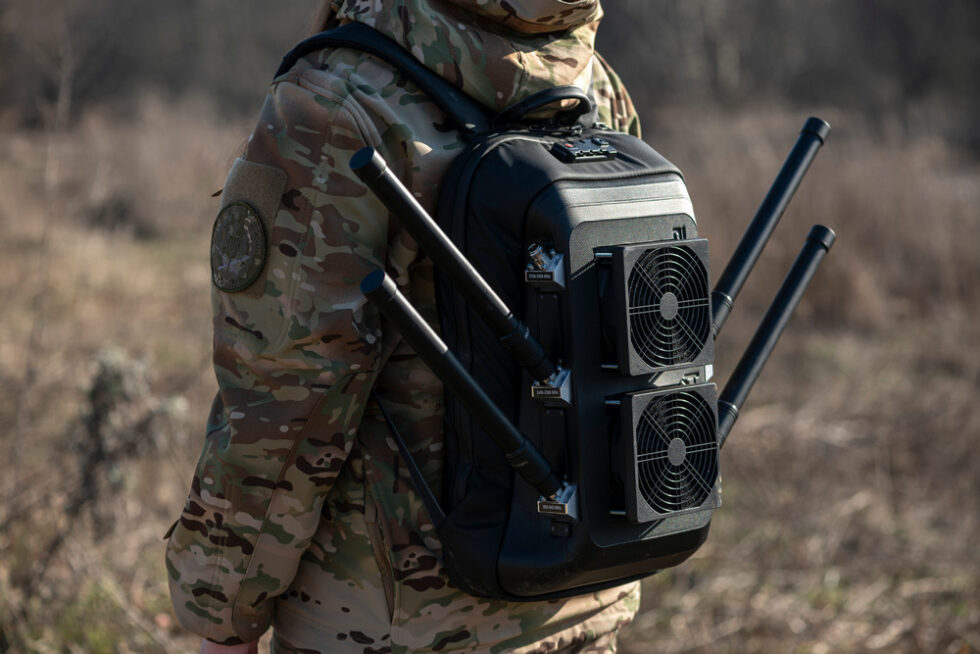
Compact solutions are often referred to as anti-drone guns or mobile jammers.
Advantages:
- mobility;
- rapid deployment;
- effectiveness against FPV and reconnaissance drones.
Disadvantages:
- limited range;
- dependency on battery life.
2. Stationary EW Systems
Used for the protection of facilities, positions, and equipment. In my practice, stationary complexes show the best balance between stability and efficiency, especially when antennas are placed correctly.
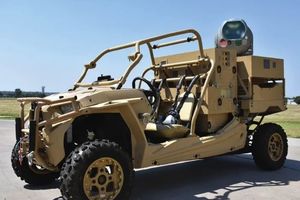
3. Vehicle-Mounted and Integrated EW
Installed on transport or included as part of complex protection systems.
Naturally, the chosen type of EW must match not only the immediate needs but also harsh combat conditions. Therefore, like all military equipment and gear, it does not forgive a dismissive attitude or attempts to save money, as only officially approved manufacturers provide a guarantee of real protection. This also includes adequate provisioning, which is even stipulated at the legislative level.

Modern FPV drones can change frequencies during flight. This is why new EW systems use wideband and adaptive jamming rather than fixed channels.
EW Against Drones: What Really Works
The most frequent question from users is: Is EW effective against FPV drones?
The answer is yes, but only under the following conditions:
- The frequency range is correctly selected.
- Detection is timely.
- There are no "blind spots".
From my experience, EW is not a "magic button." It works as part of a system: reconnaissance + observation + skillful application.

Advantages of Using EW
- non-contact protection;
- reusable application;
- effectiveness against various types of UAVs;
- preservation of equipment and personnel.
In some cases, EW allows for the capture of an enemy drone practically intact, providing valuable technical intelligence and the opportunity to use the device against the enemy in the future.


Electronic warfare systems are no longer the future—they are the reality of modern defense. In conditions of mass UAV use, it is EW that forms a new level of security. But the key to success is not just buying a system, but understanding its principles of operation and its limitations.
And for more conventional protective needs, I recommend visiting a specialized online store – and let it be just an insurance policy that never encounters bullets or shrapnel, but adds confidence and decisiveness to your actions!

Vitalii Buniak — article author
Military gear consultant
Before 2022, he worked as a sales assistant at the Panisher store. After the start of the full-scale invasion, he joined the Armed Forces of Ukraine, gaining real combat experience.
Thanks to his combat experience and deep knowledge of tactical gear, Vitalii serves as a personal expert of the Panisher online store in the fields of:
- Clothing and footwear
- Equipment
His recommendations help customers choose reliable and functional gear for any conditions.
FAQ. Answers to Frequently Asked Questions
1. Can any drone be jammed?
2. Does EW interfere with one’s own communications?
3. Is it legal to use EW?
4. Which is better: EW or physical destruction of the drone?