World naval doctrine is rapidly transforming, and a key role in this process is played by Uncrewed Surface Vessels (USVs) – modern sea drones capable of performing combat and reconnaissance missions without a crew on board. What was perceived as experimental technology just a few years ago has today become a full-fledged tool of asymmetric warfare and a factor of strategic advantage.
Uncrewed Surface Vessels (USVs) are remotely controlled or autonomous platforms equipped with sensors, navigation systems, and, in combat versions, weaponry. They can operate independently or in coordination with other unmanned systems, creating a unified maritime control network. We will dive deeper into this topic together with the Punisher military store, where you can find many interesting and useful items.
How USVs Work: Technologies Changing the Rules of the Game
At the core of any USV is the integration of several key technologies: satellite navigation (GNSS), inertial systems, video channels, night vision, and secure communication links. Modern models can operate autonomously for several days, and their range is measured in hundreds of kilometers.
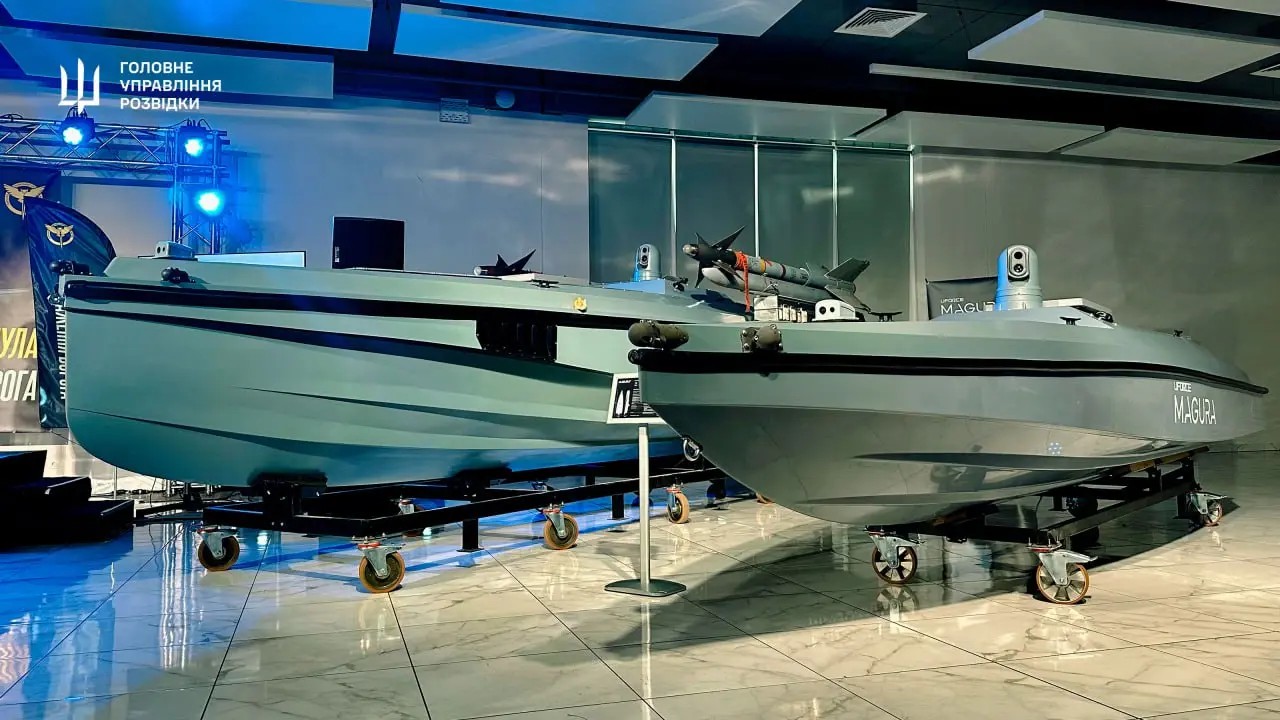
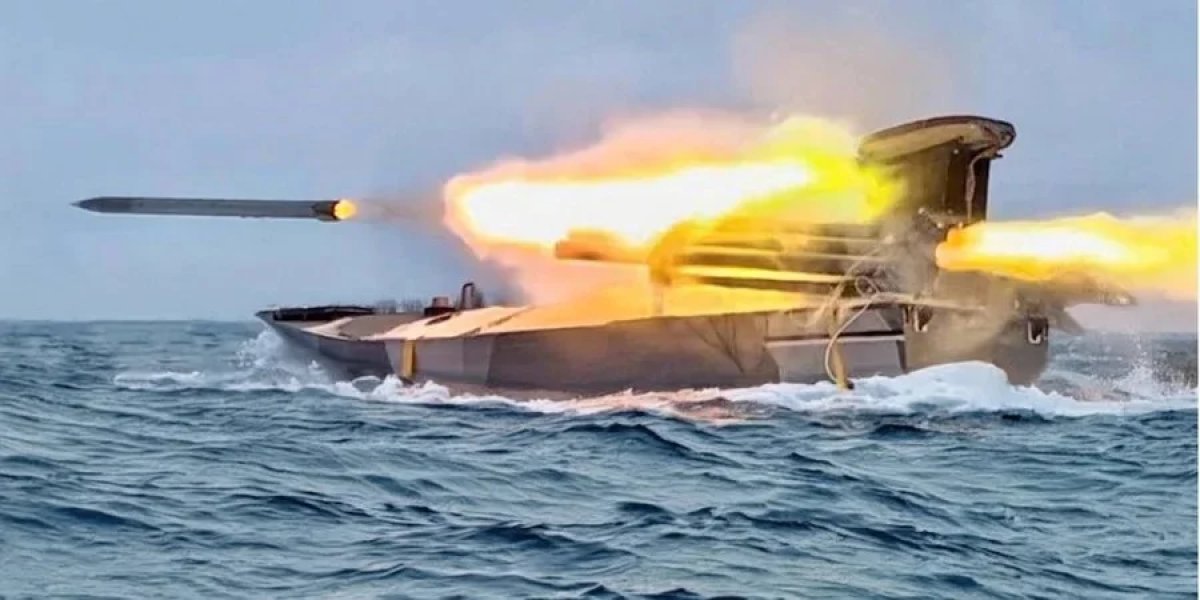
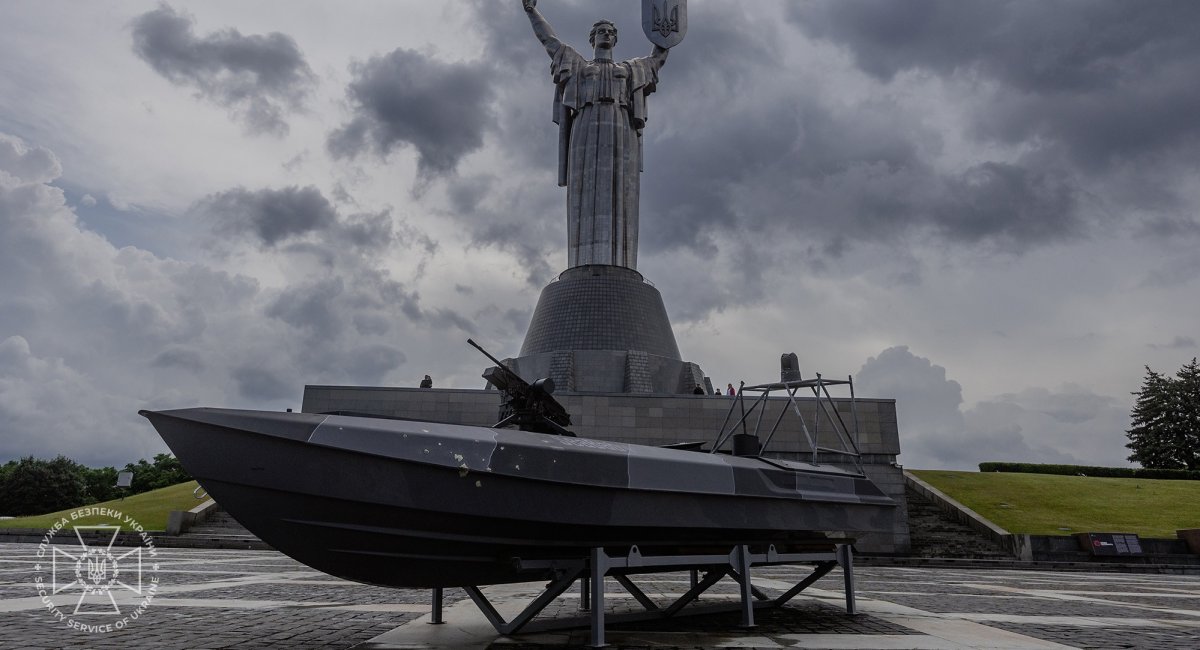
For example, the Ukrainian sea drone MAGURA V5 is capable of performing a wide range of tasks – from reconnaissance to strike operations. It is equipped with an autopilot, video surveillance systems, and can carry a combat payload or even missiles in newer modifications.
Another example is the Sea Baby, which can carry a warhead of up to 850 kg and cover a distance of over 1000 km, making it an effective tool for striking strategic targets.
The first combat USVs in their modern form began to be used en masse only after 2022, although the concept of uncrewed boats has existed since the end of the 20th century.
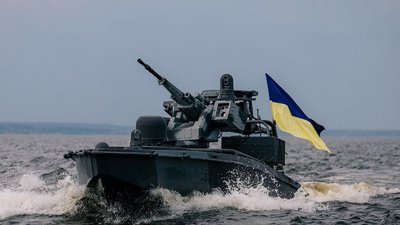
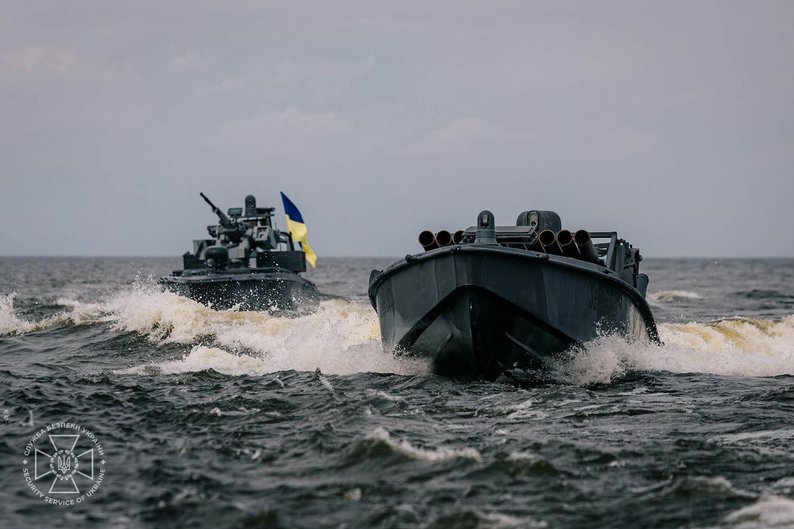
Ukraine as a Driver of the Sea Drone Revolution
The Russian-Ukrainian war became a catalyst for the development of USVs. Ukraine has effectively created a new class of naval forces – an uncrewed fleet. In 2023, the world's first unit specializing exclusively in uncrewed surface vessels was even formed.
Sea drones have proven that small, cheaper, and mobile platforms can effectively oppose large ships. They are used for striking fleets, mining, reconnaissance, and even air defense in the latest configurations.
Some modern USVs can already shoot down aerial targets – for instance, modernized versions of Ukrainian sea drones are being equipped with air-to-air missiles.
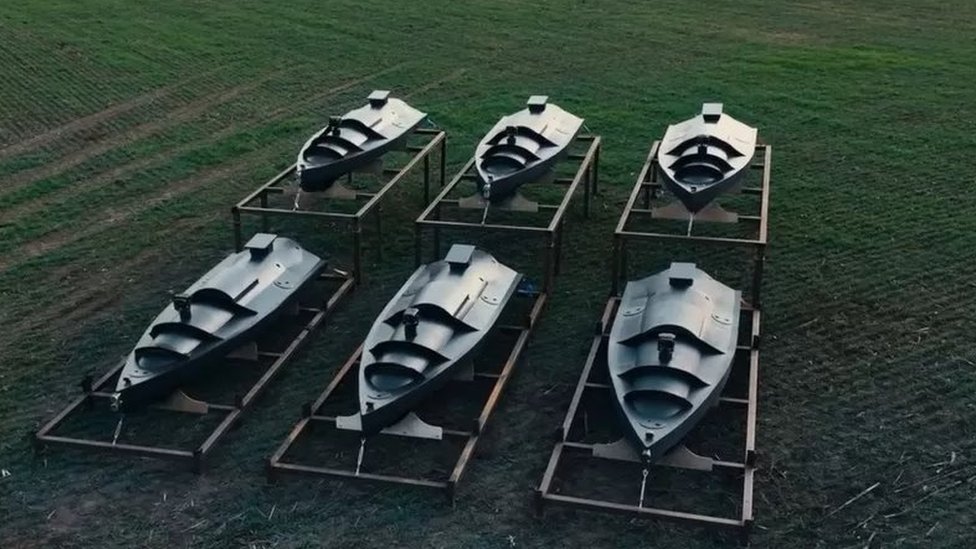
Advantages of Uncrewed Surface Vessels
The main advantage of USVs is the combination of efficiency and cost-effectiveness. The cost of one such vessel is significantly lower than a traditional combat ship, but its strike potential can be comparable.
Other important factors include:
-
No risk to the crew;
-
Possibility of mass application (drone swarms);
-
High maneuverability and difficulty of detection;
-
Rapid modernization for new tasks.
These factors are shaping a new concept of naval warfare – instead of large fleets of expensive ships, flexible, distributed systems are emerging.
Some USVs are built based on civilian jet skis, which significantly reduces production costs and simplifies logistics.
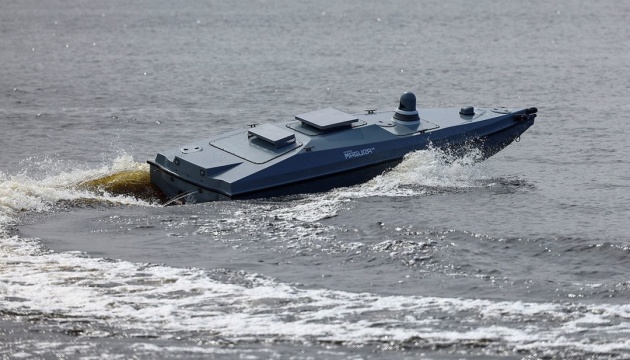
Challenges and Limitations
Despite all the advantages, USVs also have their limitations. They depend on stable communication and can be vulnerable to electronic warfare (EW) and weather conditions. Furthermore, the effectiveness of such systems often depends on coordination with other types of forces – aviation, satellites, and intelligence.
However, technological development is rapidly reducing these risks: autonomy is increasing, and artificial intelligence allows drones to operate even in complex environments.
The Future: A Fleet Without People?
The trend is obvious – the naval forces of the future will be hybrid. Large ships will not disappear, but their role will change: they will become command centers for a network of unmanned systems.
USVs will turn into the "expendable resource" of next-generation warfare – fast, accurate, and scalable. Even today, they demonstrate that control over the sea can be gained not by the size of the fleet, but by technological superiority.
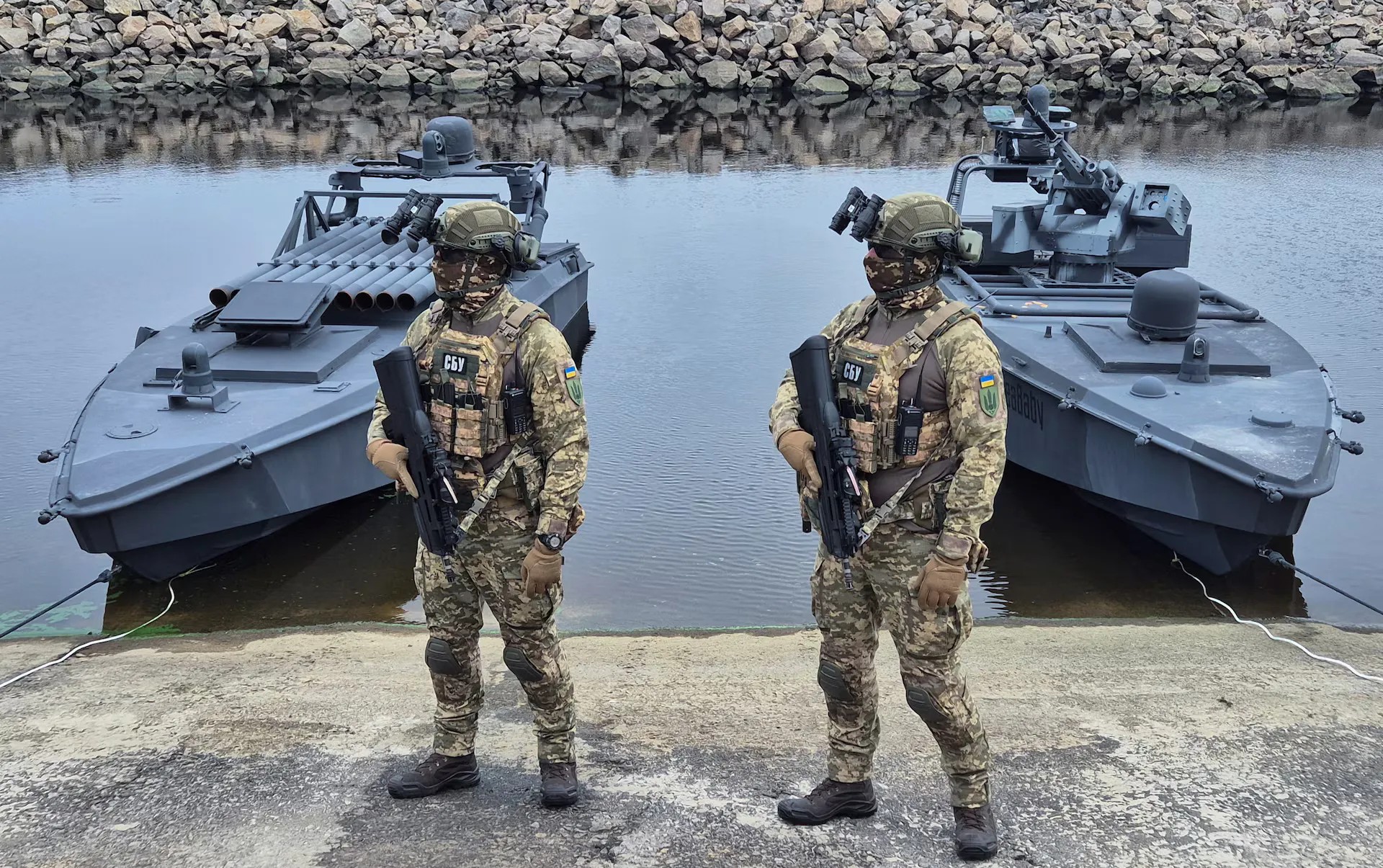
Uncrewed surface vessels are not just a new technology, but a fundamental change in naval strategy. They have proven their effectiveness in real combat conditions and are already setting the standards for the fleet of the future. Ukraine has become one of the key players in this transformation, demonstrating that innovation can change the balance of power even in a traditionally conservative field like naval forces.
And joining this remarkable topic is easy, even for someone far from military affairs. Not only through general and specialized knowledge or donations, but also by purchasing themed symbols that emphasize the owner's good taste and individuality.

Vitalii Buniak — article author
Military gear consultant
Before 2022, he worked as a sales assistant at the Panisher store. After the start of the full-scale invasion, he joined the Armed Forces of Ukraine, gaining real combat experience.
Thanks to his combat experience and deep knowledge of tactical gear, Vitalii serves as a personal expert of the Panisher online store in the fields of:
- Clothing and footwear
- Equipment
His recommendations help customers choose reliable and functional gear for any conditions.
FAQ: Answers to Frequently Asked Questions
1. How does a USV differ from a regular ship?
2. What is the range of sea drones?
3. Can USVs operate independently?
4. Will USVs replace the traditional fleet?