Darkness can alter any terrain beyond recognition. In the daytime, a familiar trail looks safe and predictable, but at night it transforms into a labyrinth of shadows, potholes, tree roots, and unexpected obstacles. For a soldier, shooter, or hiker, quality lighting becomes just as essential an instrument as a map, compass, or communication device. That is exactly why a properly selected tactical flashlight is more than just a source of light. In field conditions, it helps navigate the terrain, execute missions at night, conduct training, service gear, and maintain situational awareness.
In this article, along with a guide from the Punisher military store, we will explore how to choose a flashlight for night training and shooting, which characteristics matter, why the military uses red light, and which models are best suited to different user categories.

Why a Quality Flashlight Matters More Than It Seems
Many beginners evaluate military flashlights solely by their brightness rating. In practice, however, the lumen count is just one of many specifications. From personal experience using various models, I can tell you that an overly powerful beam sometimes creates more problems than benefits. Reflection from walls, dust, fog, or light-colored surfaces can temporarily blind the user.
A good military flashlight must be well-balanced. It should provide sufficient illumination without causing you to lose control of your surrounding environment. For soldiers, law enforcement officers, rescue personnel, and athletes, a tactical flashlight is a safety asset, not just an accessory.

Types of Tactical Flashlights
Before deciding which flashlight is best to buy, it is important to understand the distinctions between the primary types:
Handheld Tactical Flashlight
The classic solution for patrolling, search operations, hiking trips, and firearms training. These models allow for rapid changes in beam direction and accommodate various weapon-retention techniques.
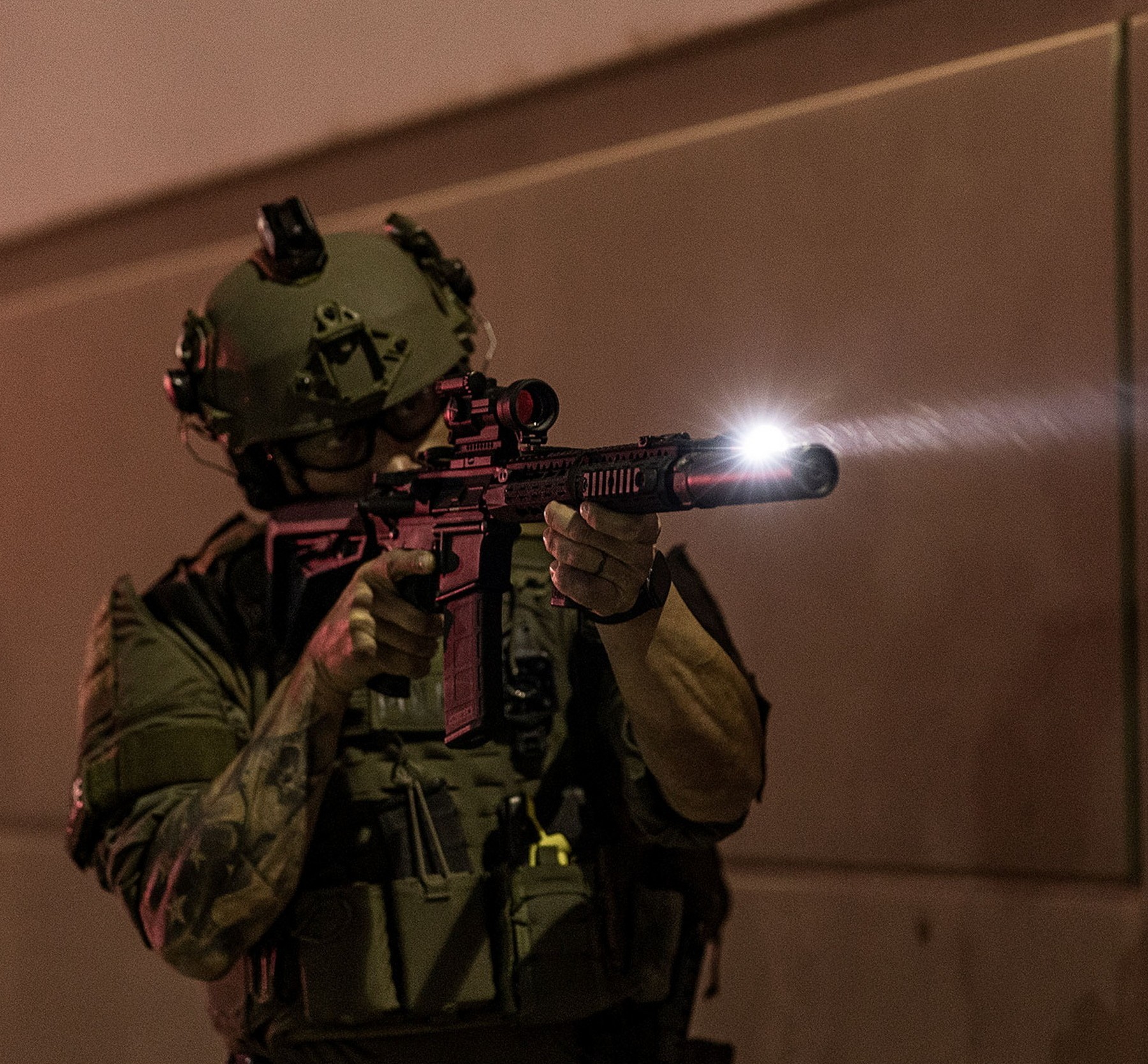
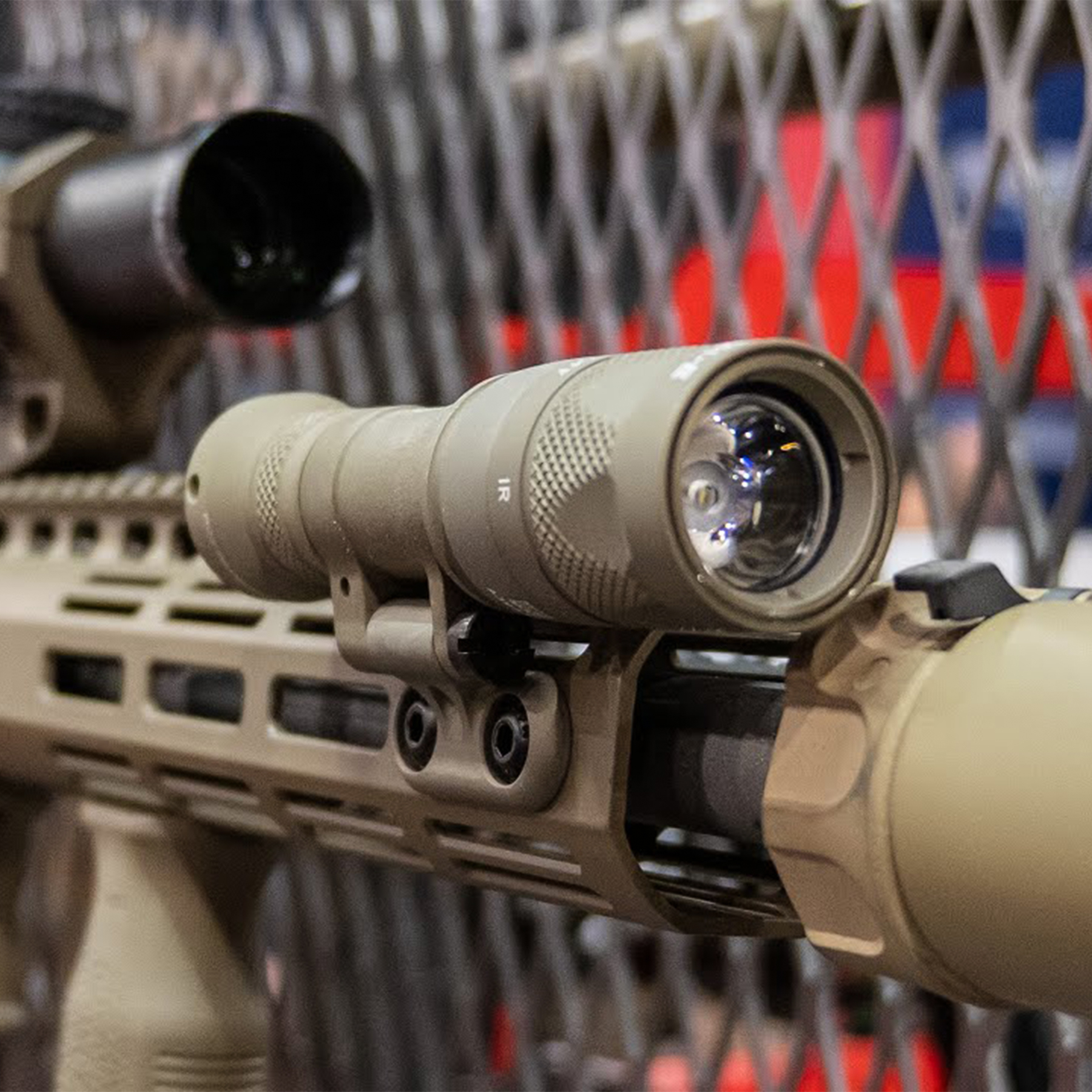
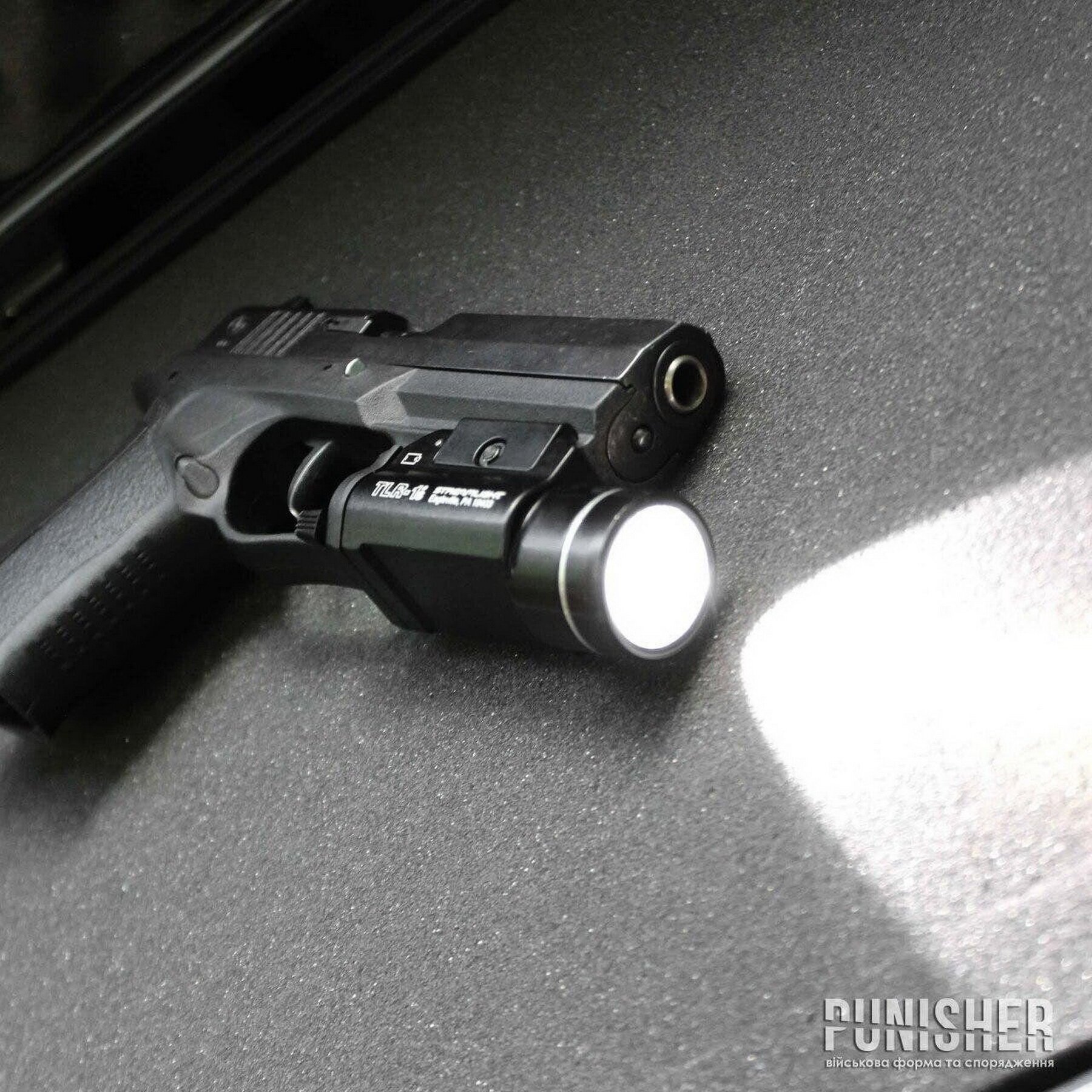
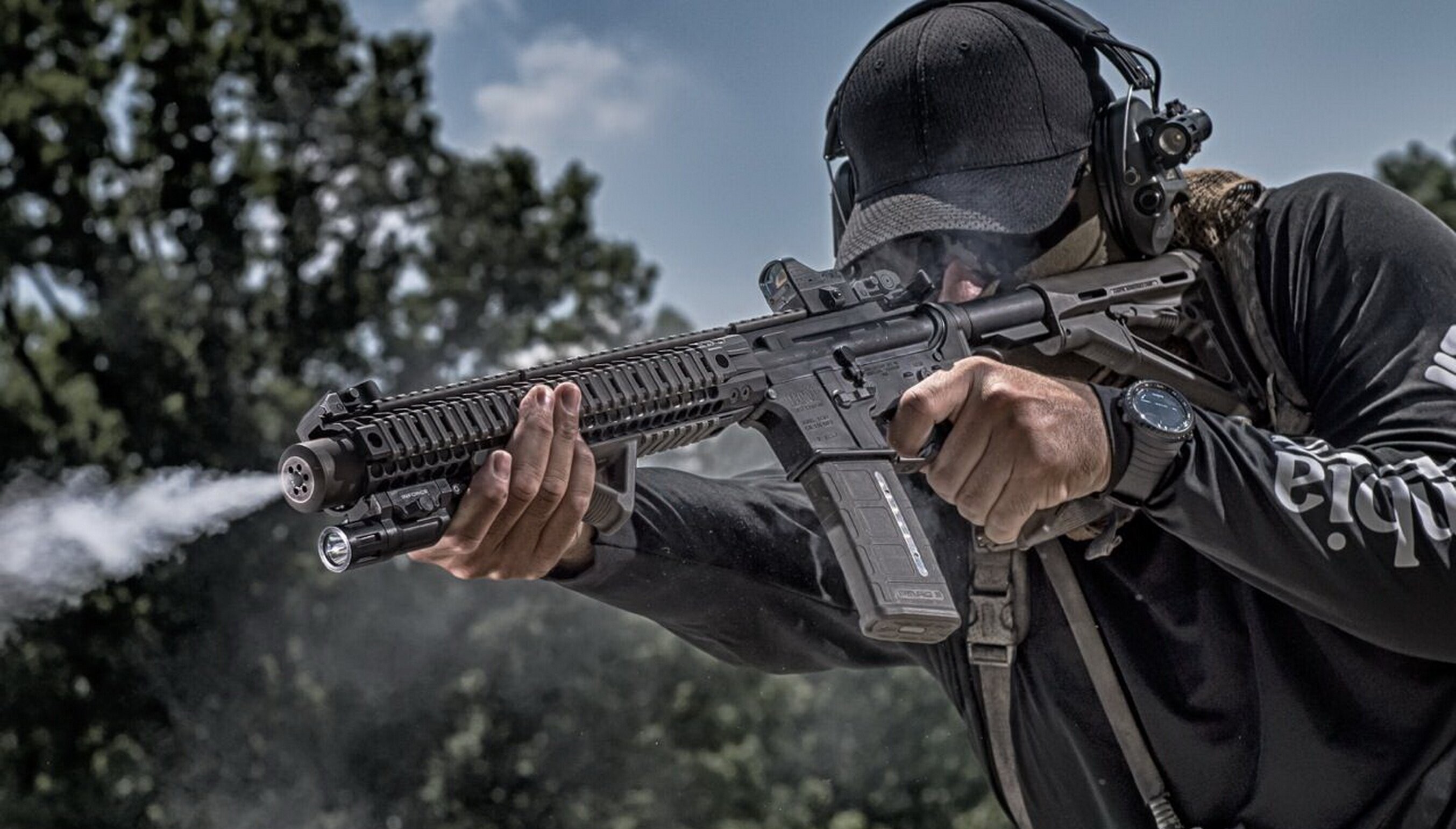
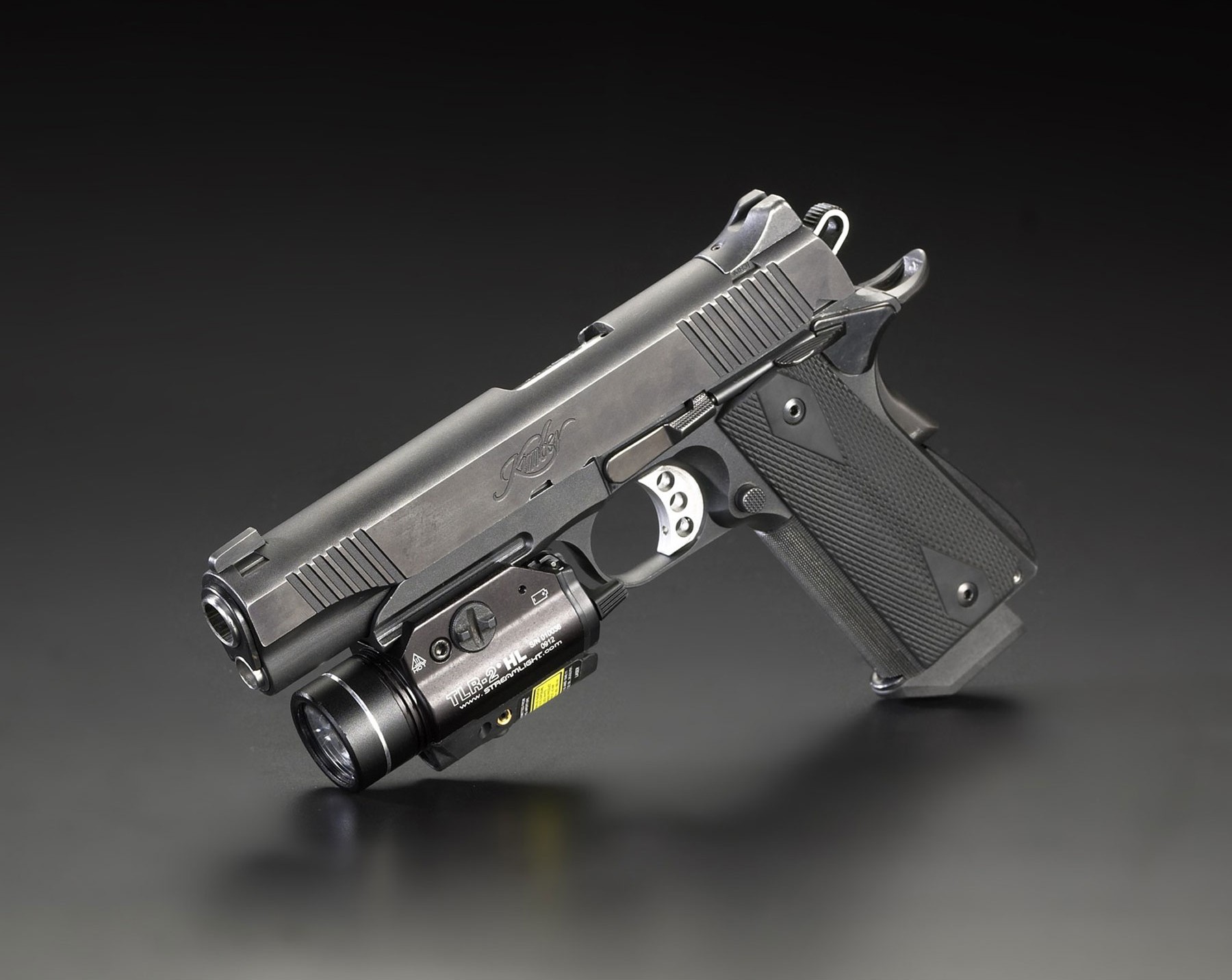
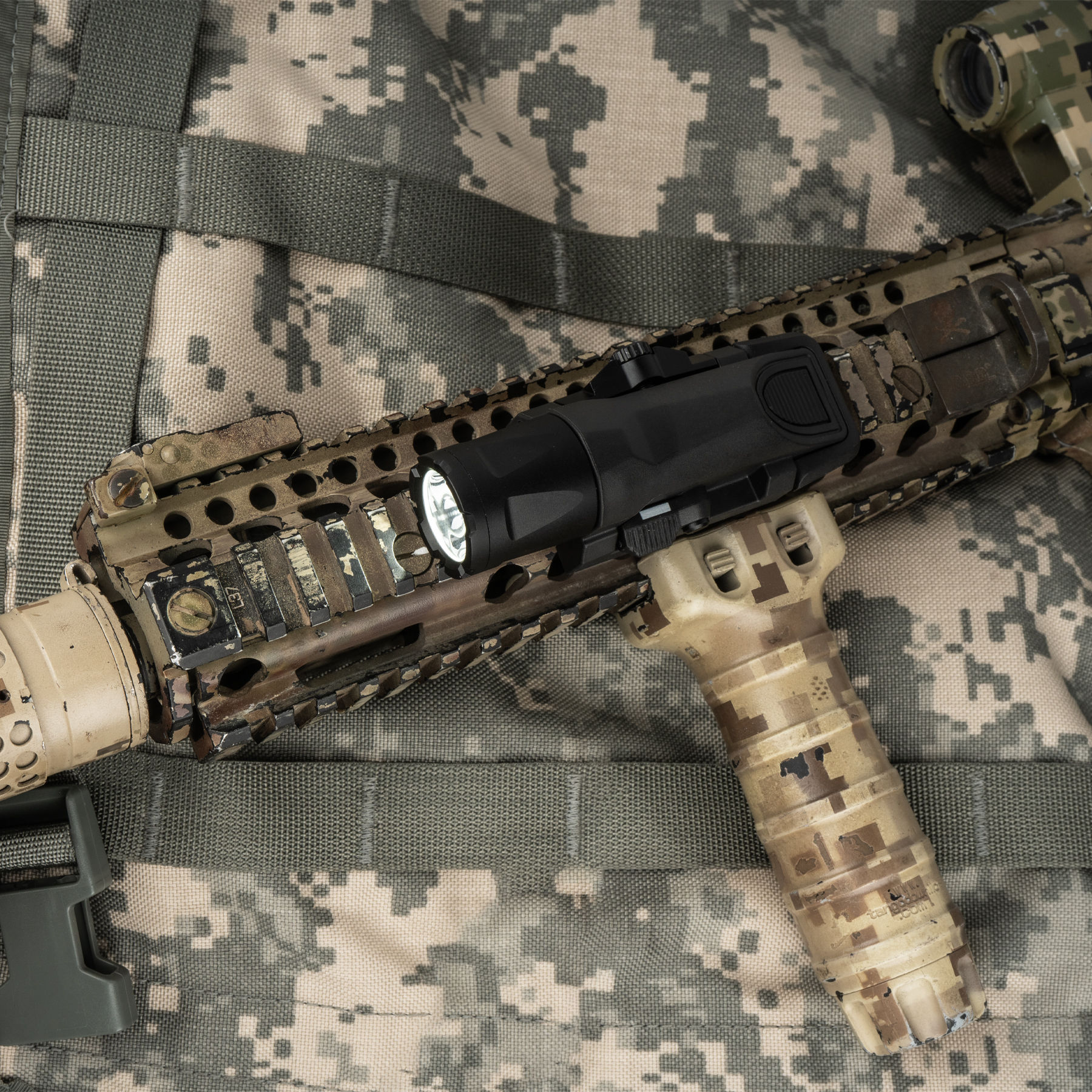
Weapon-Mounted Tactical Light
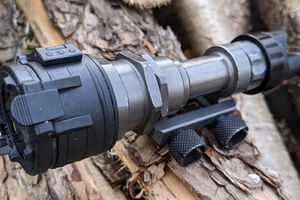
A tactical weapon light mounts directly onto a Picatinny or M-LOK rail. Its advantages include:
-
Keeping your hands free.
-
Aligning the beam precisely with the barrel bore.
-
Enabling rapid target acquisition in the dark.
Because of this, weapon-mounted tactical lights have become standard issue for many military units and special services. However, it is crucial to remember that a weapon light should not be used as a general tool for illuminating terrain. It is designed primarily for weapon-related operations.
Tactical Headlamp
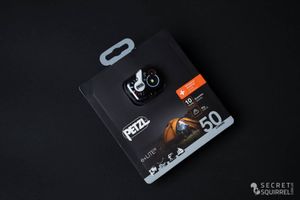
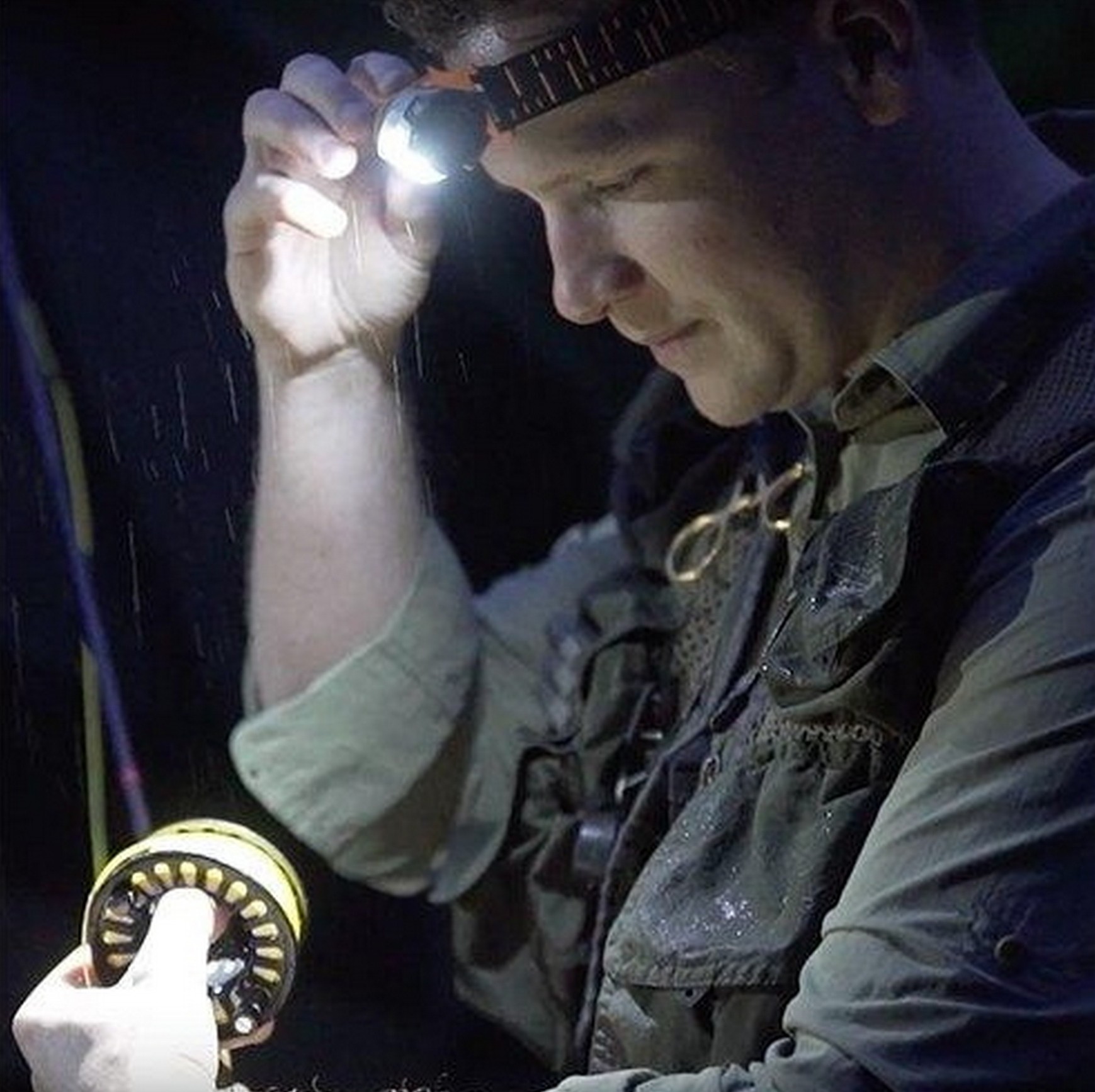
Headlamp models are particularly valued among soldiers, rescue workers, medics, hikers, and volunteers. The primary benefit is hands-free operation. When you need to program a radio, work with a map, repair equipment, or administer aid, tactical headlamps often prove indispensable.
FAST Helmet Light
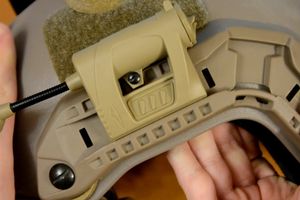
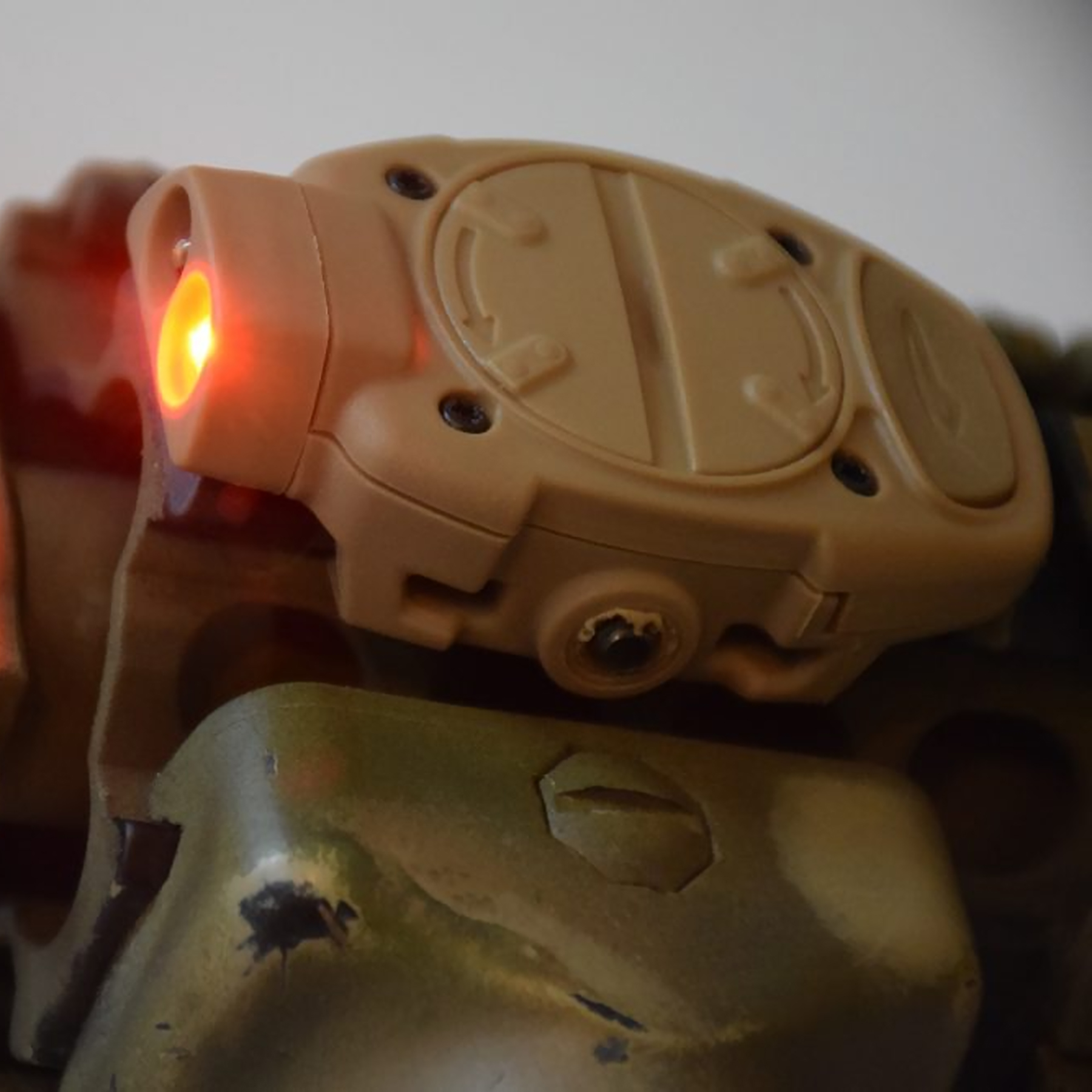
Helmet lights for FAST-style helmets constitute a distinct category. These systems are actively used by operators during night missions. They allow for rapid switching between light modes, function seamlessly with NODs, and keep hands completely free of extra gear.
The earliest military flashlights utilized incandescent bulbs and ran for only a few hours. Modern LED systems can provide dozens of hours of operation while consuming significantly less energy.


Brightness: More Is Not Always Better
When choosing, many people focus exclusively on the lumen count. In reality, the operational scenario is far more important:
Up to 100 lumens
Suitable for reading maps, manipulating gear, illuminating shelters, and low-profile movement.
100-500 lumens
A versatile option for most field tasks. These military flashlights perform well during patrols and training routines.
500-1000 lumens
Well-suited for spotting objects, night shooting, and open-terrain operations.
Over 1000 lumens
Used mainly as specialized models. Excessive brightness can compromise the user's camouflage and reduce battery runtime.

Why the Military Uses Red Light
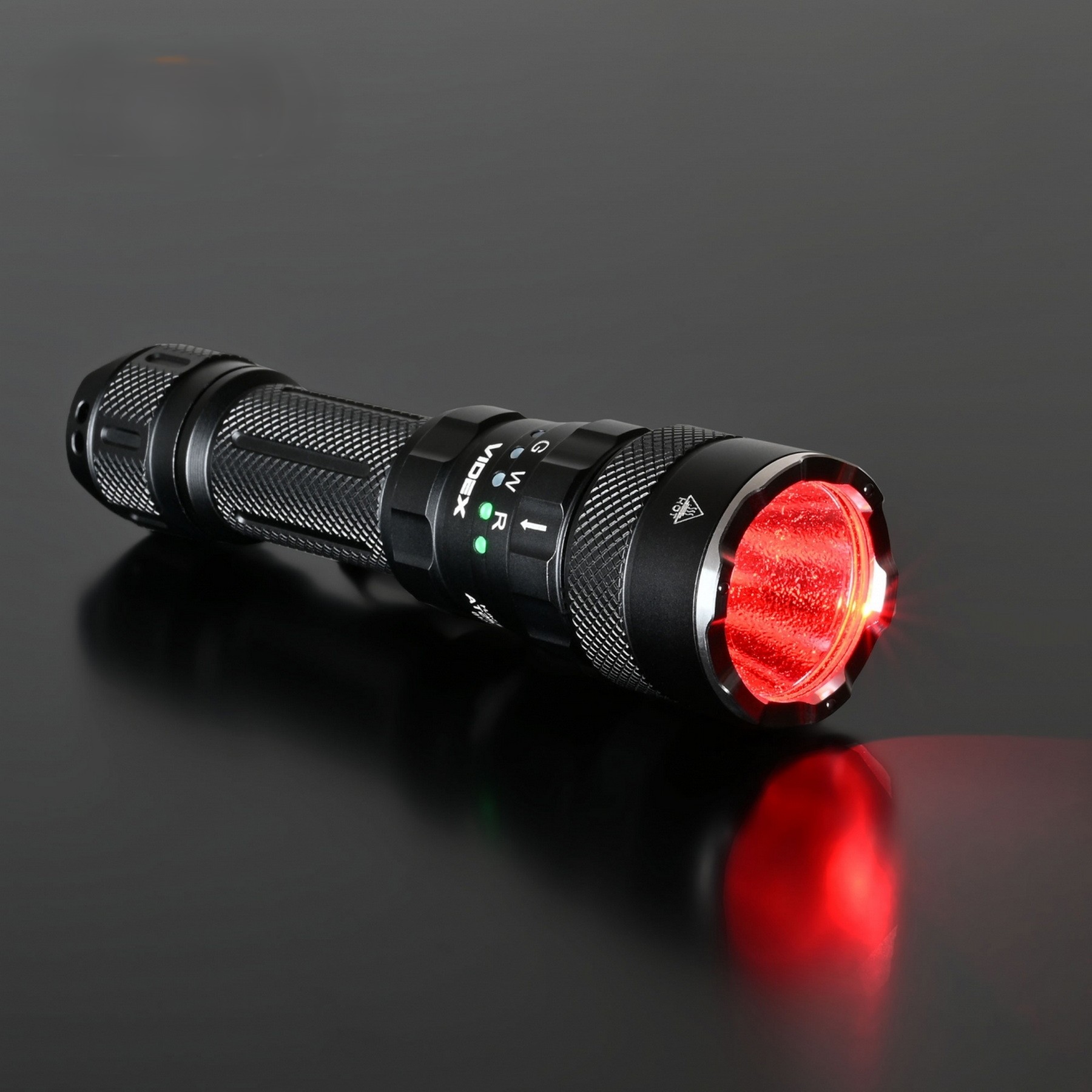
One of the most common questions from beginners is what a red flashlight is for, and why military personnel use red light even when white illumination is readily available. There are several reasons:
Preservation of Night Vision
The human eye adapts back to darkness significantly faster after using red light. Once a white light is turned off, it can take up to several minutes for the eye to regain full night vision.
Reduced Signature
Red light is less visible at long distances. This is exactly why a tactical headlamp with a red light mode is frequently used during night movements.
Comfort and Legibility with Maps and Documents
Red illumination does not create harsh glare and causes less eye strain.
During World War II, red lighting was actively used by aircrews to preserve their eyes' adaptation to the dark prior to night flights.


Power Source: Batteries or Rechargeable Cells?
Another critical criterion is the energy source:
Rechargeable Models
The benefits include cost efficiency, the capability for multiple recharges, and high power output. The downside is the dependency on a power source to charge.
CR123A Batteries
Frequently used in professional-grade models. The advantages are a long shelf life, resistance to cold temperatures, and a compact form factor.
AA and AAA Batteries
Easy to source even in field environments. For hikers and civilian users, this is often the most practical solution.

Features That Matter in Field Conditions
If you are searching for the best tactical flashlights, look beyond mere brightness. The following specifications are critical:
Water Protection
Optimally IPX7 standard or higher.
Impact Resistance
The housing must withstand drops and impacts.
Operational Modes
Useful configurations include a low mode (power-save), medium mode (for most tasks), maximum power (for specific use cases), strobe (for signaling), and red light (for night vision retention and low visibility).
Weight
Particularly critical for head-mounted models.
Mount Compatibility
For military use, the ability to mount the light on a helmet or weapon platform is often essential.
Multi-spectral flashlights are becoming increasingly common in modern military forces, combining white, red, blue, and infrared light to work in tandem with night vision equipment.


How to Choose a Flashlight for Different Categories of Users
For Military Personnel
The best fits include: a tactical military handheld flashlight, a weapon-mounted tactical light, a FAST helmet light, and models featuring red and infrared modes.
For Shooters
Attention should be paid to a weapon-mounted tactical light with a good beam throw and quick access to the activation switch.
For Hikers
A tactical headlamp with a long runtime is the optimal choice.
For Rescue Personnel
Priorities include impact resistance, waterproofing, and the capability to run for many hours without a battery swap.
For Cyclists and Motorcyclists
The best flashlights for this group feature a wide beam flood and high-visibility signaling modes.
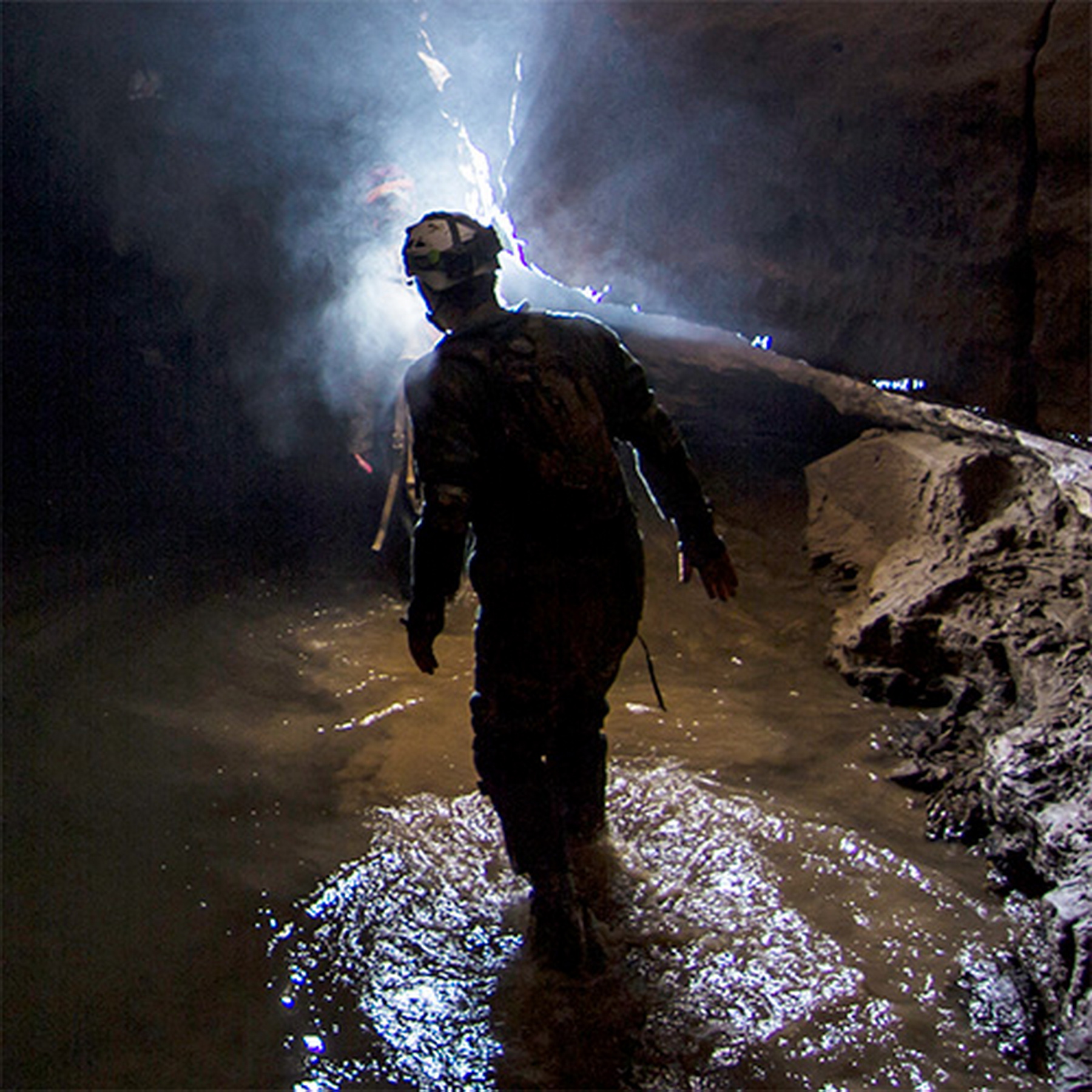
A modern tactical flashlight is not just a light source, but a full-fledged tool for survival, navigation, and mission execution after dark. Therefore, when choosing a tactical flashlight, you should factor in the operating conditions, mounting style, runtime, brightness, and secondary modes.
For the military, durability, gear compatibility, and the presence of a red light mode remain paramount. For hikers and rescue workers, battery endurance and user comfort often take precedence. By clearly defining your specific needs, your chosen flashlight will serve you for years to come, proving to be a reliable asset on the training range and in real-world challenges alike.

Vitalii Buniak — article author
Military gear consultant
Before 2022, he worked as a sales assistant at the Panisher store. After the start of the full-scale invasion, he joined the Armed Forces of Ukraine, gaining real combat experience.
Thanks to his combat experience and deep knowledge of tactical gear, Vitalii serves as a personal expert of the Panisher online store in the fields of:
- Clothing and footwear
- Equipment
His recommendations help customers choose reliable and functional gear for any conditions.
FAQ: Answers to Frequently Asked Questions
1. How do I choose a flashlight for night training?
2. How does a tactical weapon light differ from a regular flashlight?
3. Why do I need a tactical headlamp with red light?
4. Which flashlights are considered the most versatile for military use?