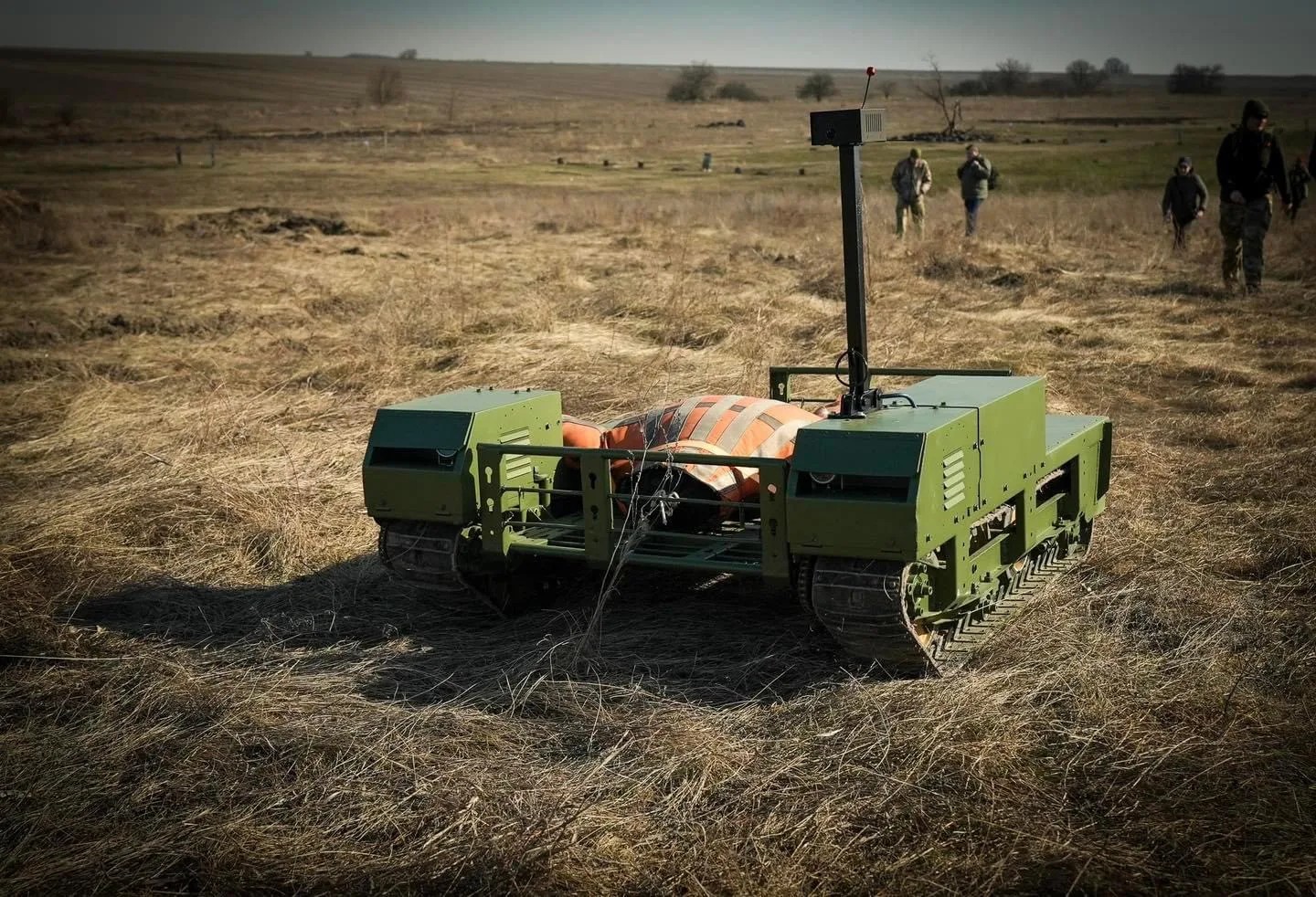
Until recently, a robot on the battlefield was associated with futuristic concepts, but today ground robotic complexes (GRCs) have become a commonplace reality of modern warfare. They don't just supplement the infantry – they change the very logic of conducting combat operations, shifting the most dangerous tasks from human to machine.
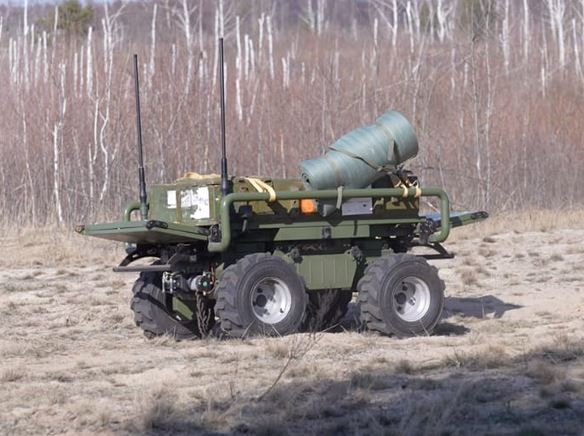
GRCs are remotely controlled or partially autonomous ground platforms that perform a wide range of tasks: from ammunition delivery to casualty evacuation and even fire engagement. Effectively, they are a full-fledged element of the modern military ecosystem, allowing for reduced losses and increased unit efficiency. We'll examine the ins and outs of this together with the Punisher military store.
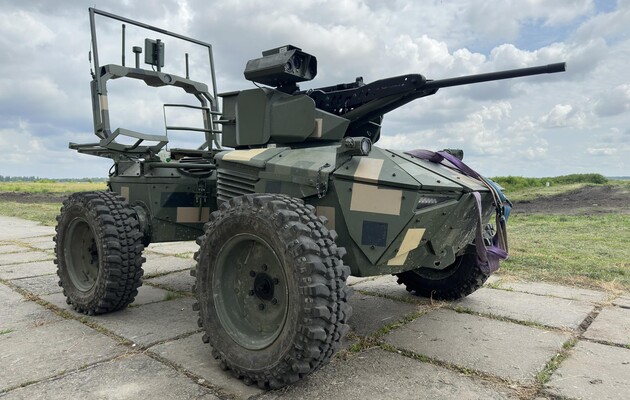
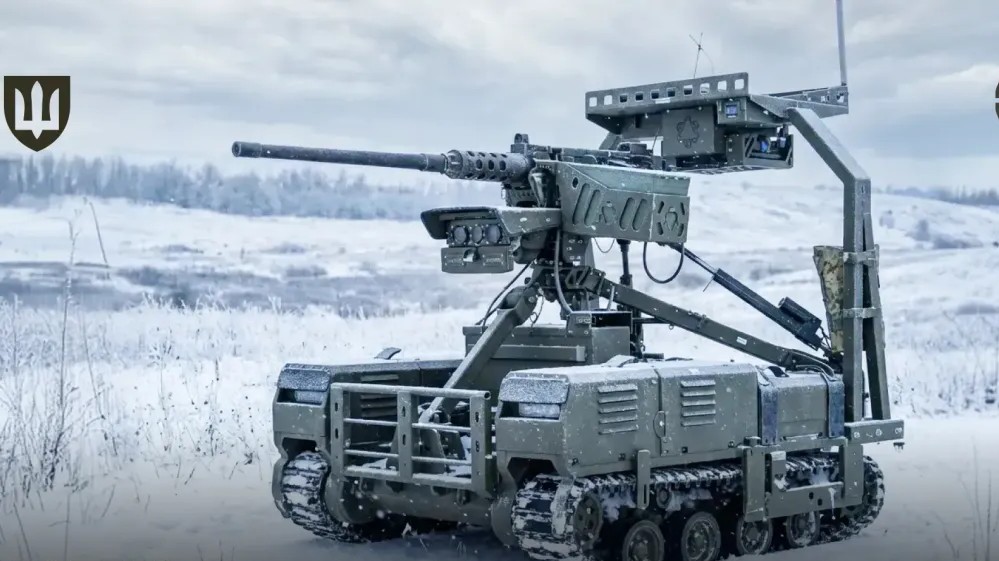
How GRCs Work: Technologies Fighting Instead of Humans
The heart of any ground robot is the integration of a mobile platform, control systems, sensors, and communication channels. Cameras, thermal imagers, motion sensors, and protected data transmission channels allow the operator to control the complex even in difficult combat conditions.
Modern GRCs can operate in conditions where a human is effectively doomed: under heavy fire, in minefields, among debris, or in the "grey zone." They are capable of traversing cross-country terrain – mud, trenches, forests – and performing tasks where traditional equipment is powerless.
Experience shows that the greatest value of GRCs lies not in "wow-technologies," but in mundane logistics. When a robot delivers ammunition under fire, it effectively saves several lives per trip. This is an effect that isn't always visible in the news, but it is critically important on the front lines.
Ground robots often work in tandem with aerial drones: one conducts reconnaissance from the sky, while the other performs tasks on the ground – these are already elements of network-centric warfare.
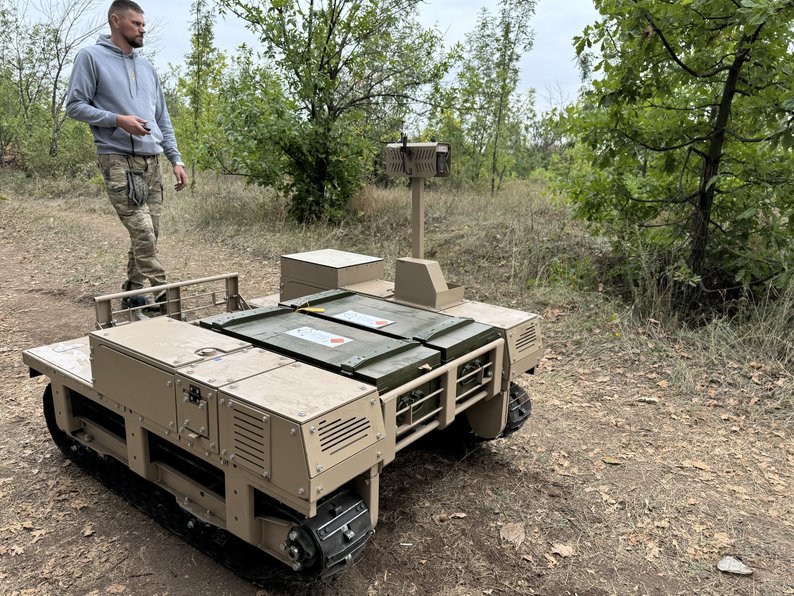
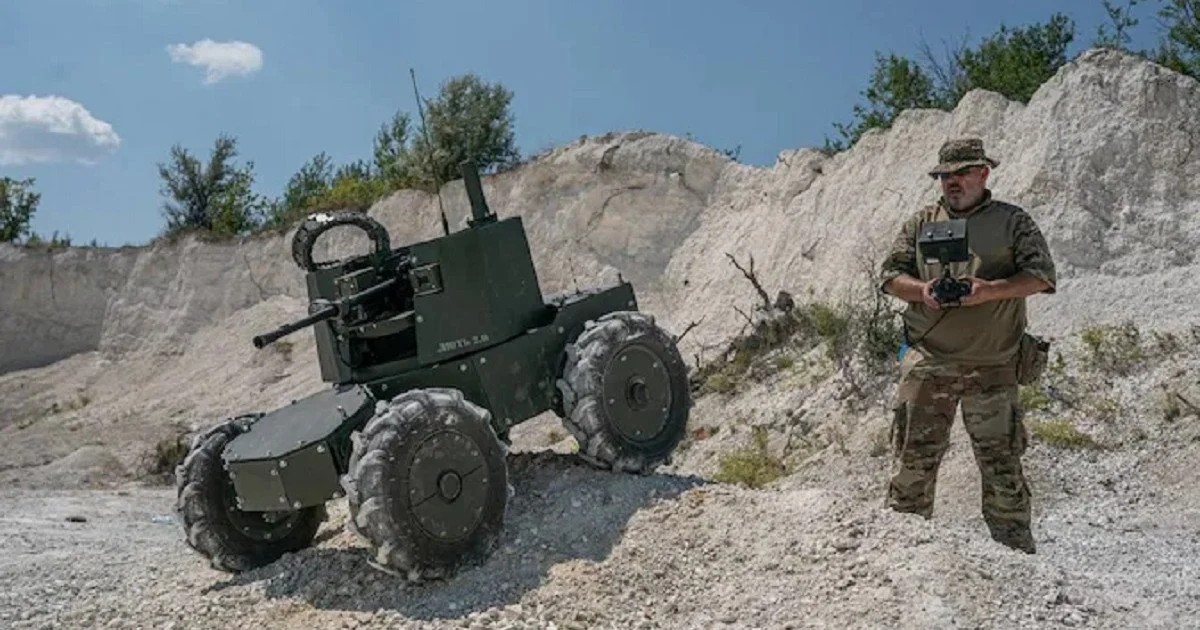
Main Tasks of GRCs on the Battlefield
The scope of application for ground robotic complexes is constantly expanding. If we integrate key roles into a single logic, GRCs today cover several critical areas at once: they deliver ammunition and water to positions, evacuate the wounded, conduct engineering work, including mining and demining, and can also act as mobile firing points.
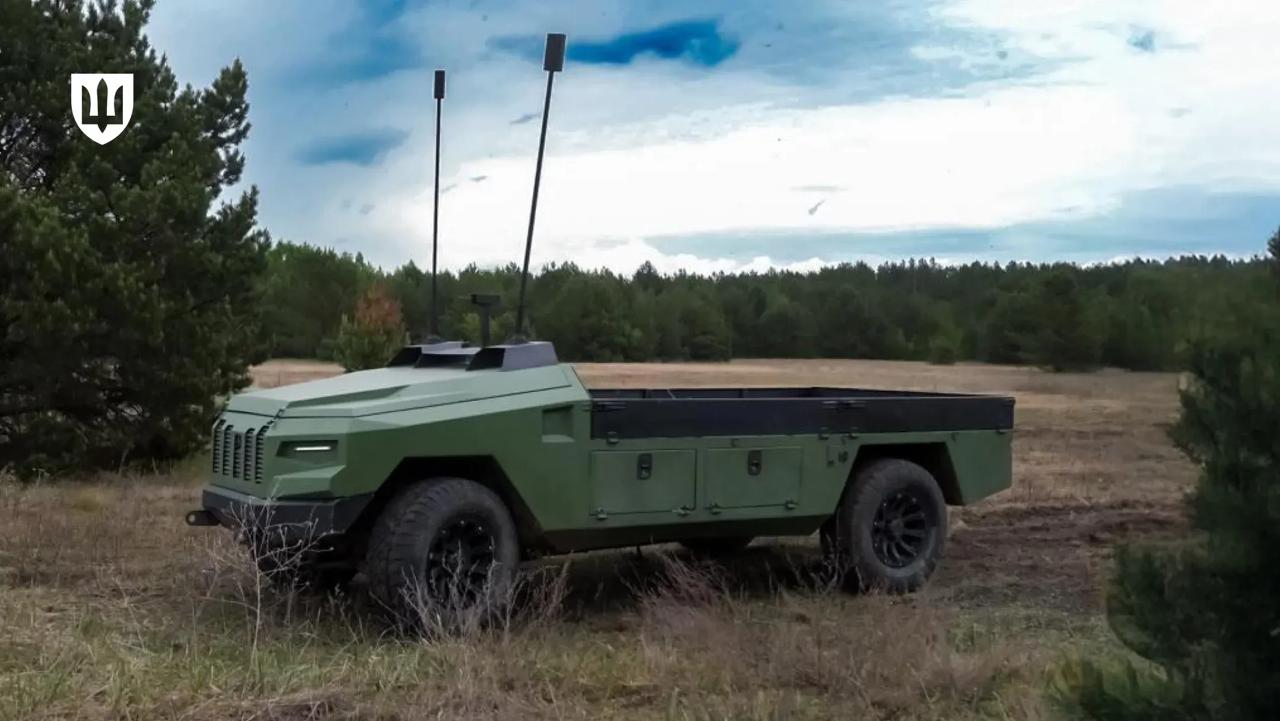
Various types of such systems are already being used in Ukraine – from compact logistical platforms to strike robots. Notable examples include "Lyut," "Termit," "Hnom-miner," and others actively used at the front.
The most effective units do not view a GRC as a standalone tool. It is part of a system: a recon drone finds a target, a ground robot brings up ammunition or acts as a carrier, and an FPV drone completes the job. It is in such synergy that the maximum result is achieved.
Cases of fully robotic attacks have already been recorded in some units, where ground drones performed the key role.
Advantages of GRCs: Why They are the Future
The primary strength of ground robotic complexes lies in reducing risks for personnel. They allow for the execution of the most dangerous tasks without direct human involvement, which is especially important in conditions of intensive fire contact.
Additionally, GRCs have another strategic advantage – scalability. They are cheaper than armored vehicles, faster to produce, and can be used as an "expendable resource" in modern warfare.
Meanwhile, their effectiveness directly depends on technical support, communication, and application tactics. For example, losing such complexes is a normal occurrence, and units constantly replenish their fleet to maintain combat capability.
A GRC is not a "superweapon," but a tool. Without a skilled operator and proper integration into the unit, it turns into just an expensive gadget. But in the right hands – it's a force multiplier.
Some modern GRCs can be transported in an ordinary pickup truck or even launched literally "from the hands," making them maximally mobile on the battlefield.
Challenges and Limitations
Despite obvious advantages, GRCs also have weaknesses. The biggest problems are dependence on communication, the influence of electronic warfare, and the complexity of field repairs.
Another important factor is terrain. While an aerial drone has freedom of movement, a ground robot is always limited by the surface. This is why developing autonomy and artificial intelligence is a key direction in GRC evolution.
The Future of Ground Robots: From Support to Autonomy
Today, GRCs are infantry assistants. Tomorrow – they could be fully autonomous combat units capable of performing missions independently. Until then, personal body armor remains the primary need of the infantry.
Ukraine is already actively investing in this direction: according to official data alone, contracts have been signed for hundreds of robotic complexes for the military. This means that the role of GRCs will only grow.
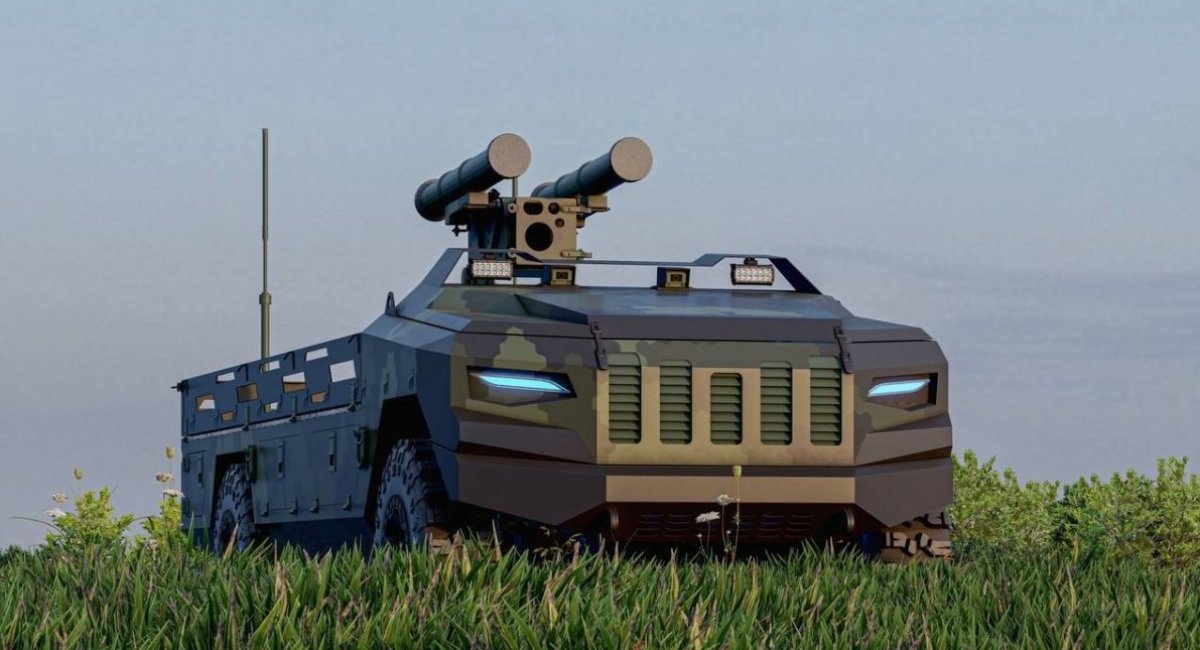
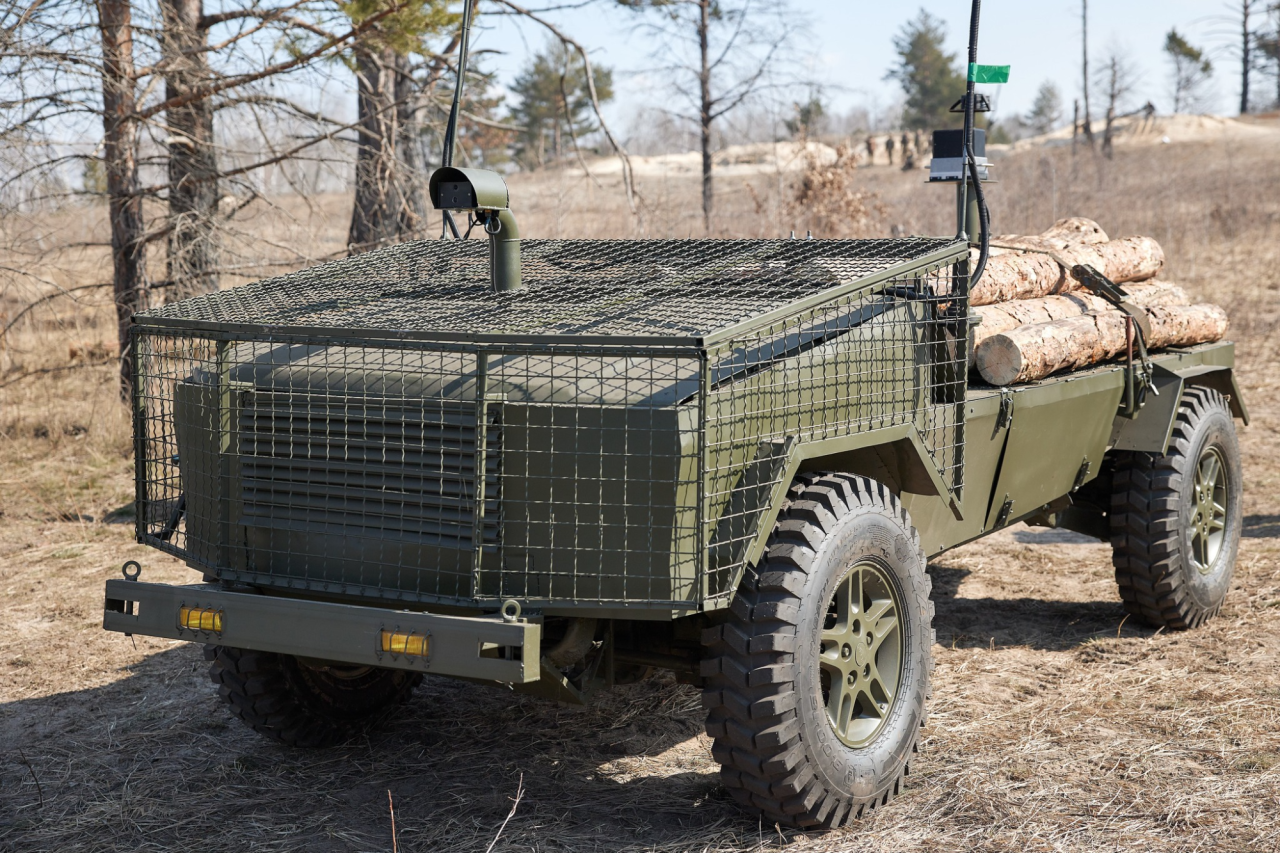
Ground robotic complexes are one of the most important elements of modern war, which is already saving lives and changing the approach to conducting combat operations. They will not replace infantry, but will make it significantly more effective, mobile, and protected.
Effectively, GRCs are a new standard of warfare, where technology works alongside humans, and sometimes instead of them.

Vitalii Buniak — article author
Military gear consultant
Before 2022, he worked as a sales assistant at the Panisher store. After the start of the full-scale invasion, he joined the Armed Forces of Ukraine, gaining real combat experience.
Thanks to his combat experience and deep knowledge of tactical gear, Vitalii serves as a personal expert of the Panisher online store in the fields of:
- Clothing and footwear
- Equipment
His recommendations help customers choose reliable and functional gear for any conditions.
FAQ: Answers to Frequently Asked Questions
1. What is a GRC and where is it used?
2. Can GRCs fight independently?
3. What are the main advantages of GRCs?
4. Is a GRC an "expendable resource"?