
Firearms are not just tools, but a complex system of skills, decisions, and psychology. Modern small arms require more than just basic skills; they demand comprehensive training that combines technique, tactics, and self-control. This is why the fundamentals of small arms shooting are considered today as the foundation for military personnel, law enforcement officers, and civilians undergoing weapons handling courses.
The recommendations that form the basis of this material are based on years of research by US law enforcement agencies, including FBI analytics. They show that most critical situations develop rapidly, at close range, and without warning. Thus, armed with personal experience and the findings of analyst-authors from the Action Target Academy – Ben Miller and Ben Kurata, this guide from the Punisher military store is ready to delve into this topic with you.
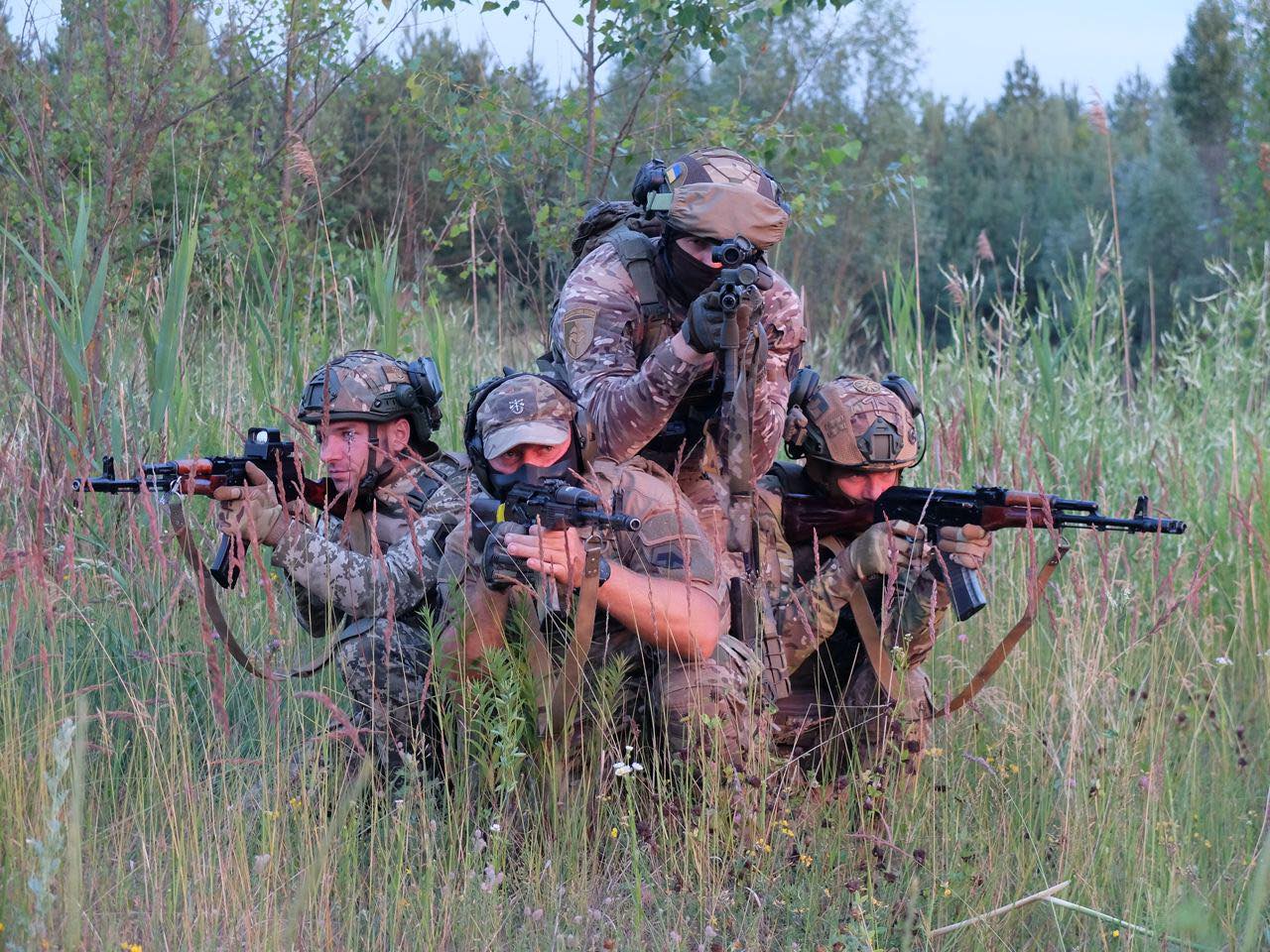
How Modern Shooting Training Was Formed
The history of small arms development has directly influenced the approach to training. From the first muskets to modern carbines and pistols, not only the technique but the very logic of combat has changed.
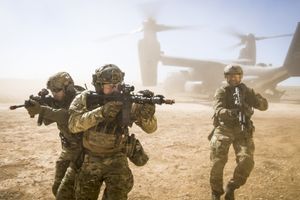
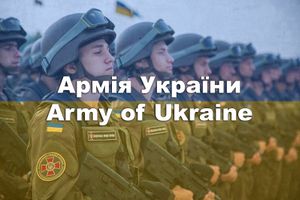
Today, small arms of the AFU and other modern armies are used in a dynamic environment where not only accuracy is important, but also reaction speed, teamwork, and adaptation to conditions.
From experience – most beginners underestimate the dynamics. Static shooting at a range provides a base but does not prepare you for real-world scenarios.
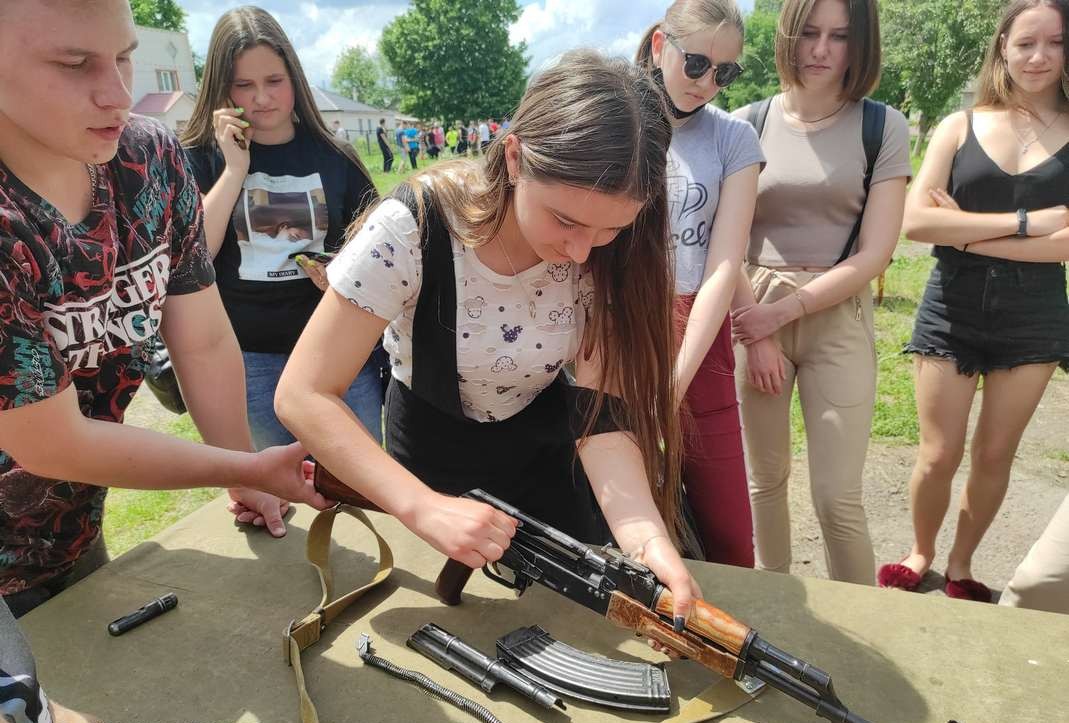
Classification and Understanding of Weapons
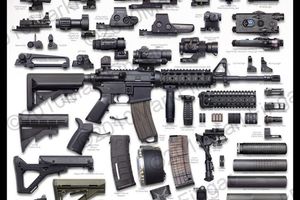
To learn to shoot effectively, one must understand the types of weapons and their characteristics. There is a clear classification of small arms that takes into account purpose, design, and caliber.
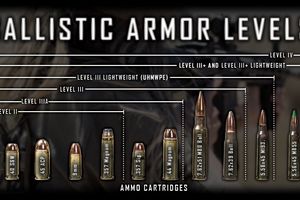
In particular, weapon classification by caliber and types of small arms by caliber affect recoil, range, and accuracy. This is critical for choosing a weapon for specific tasks – from training at a shooting range to combat application.
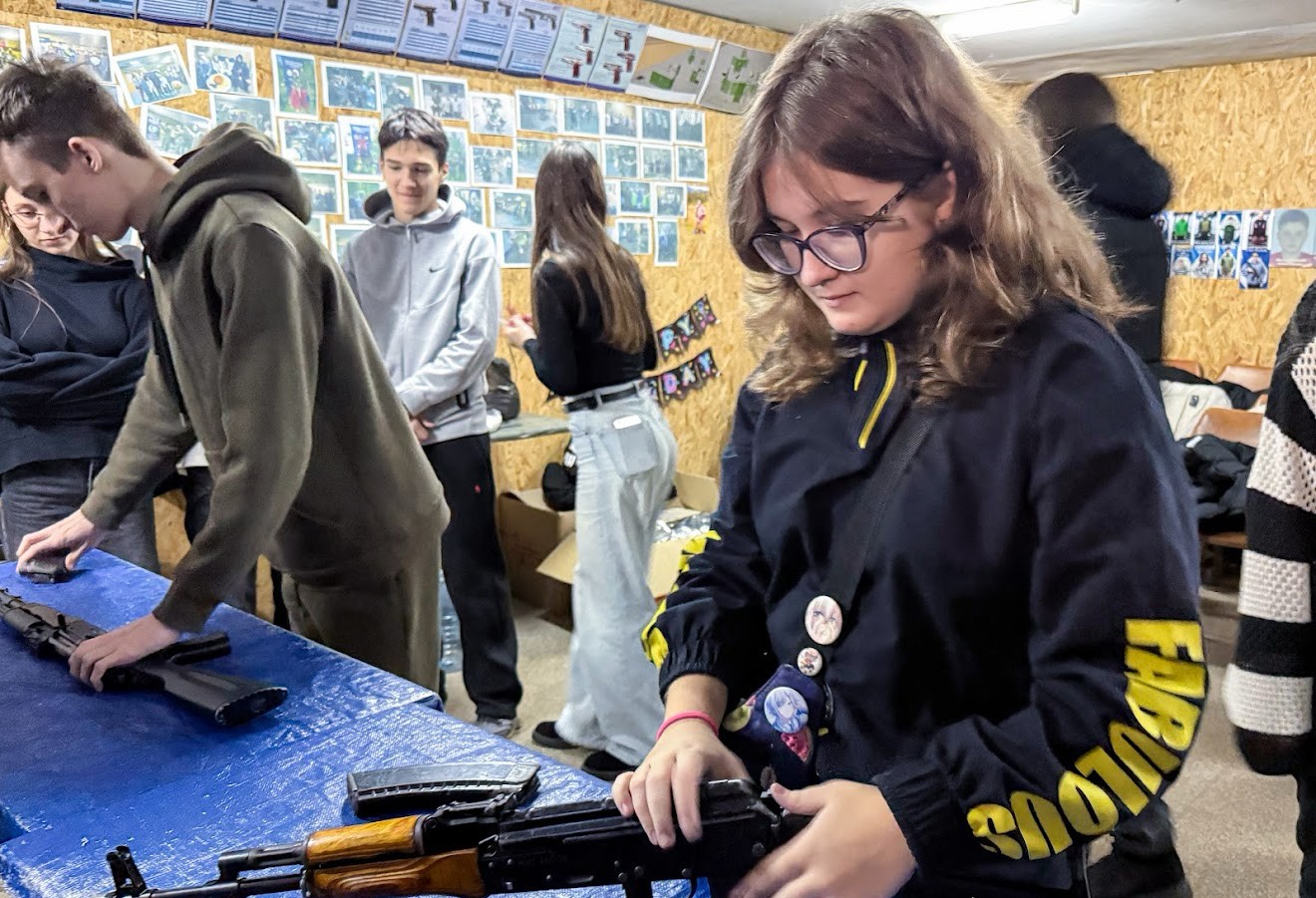
12 Critical Elements of Training
-
Readiness for a Sudden Attack
Most incidents happen without warning. This is why shooting must be practiced from various positions and distances.
-
Engaging Multiple Targets
Real-world scenarios often involve more than one adversary, requiring situational awareness and rapid decision-making.
-
Transitioning from Control to Fire
The skill of instantly transitioning from physical contact to weapon deployment is critical.
-
Close Quarters as a Standard
Most engagements occur at short distances, which defines the nature of training.
-
Motor Control Under Stress
Under stressful conditions, fine motor skills deteriorate; therefore, technique must be honed to the point of automaticity.
Research shows that under stress, a person can lose up to 70% of the accuracy of fine motor movements – this is why automaticity is more important than "perfect technique".
-
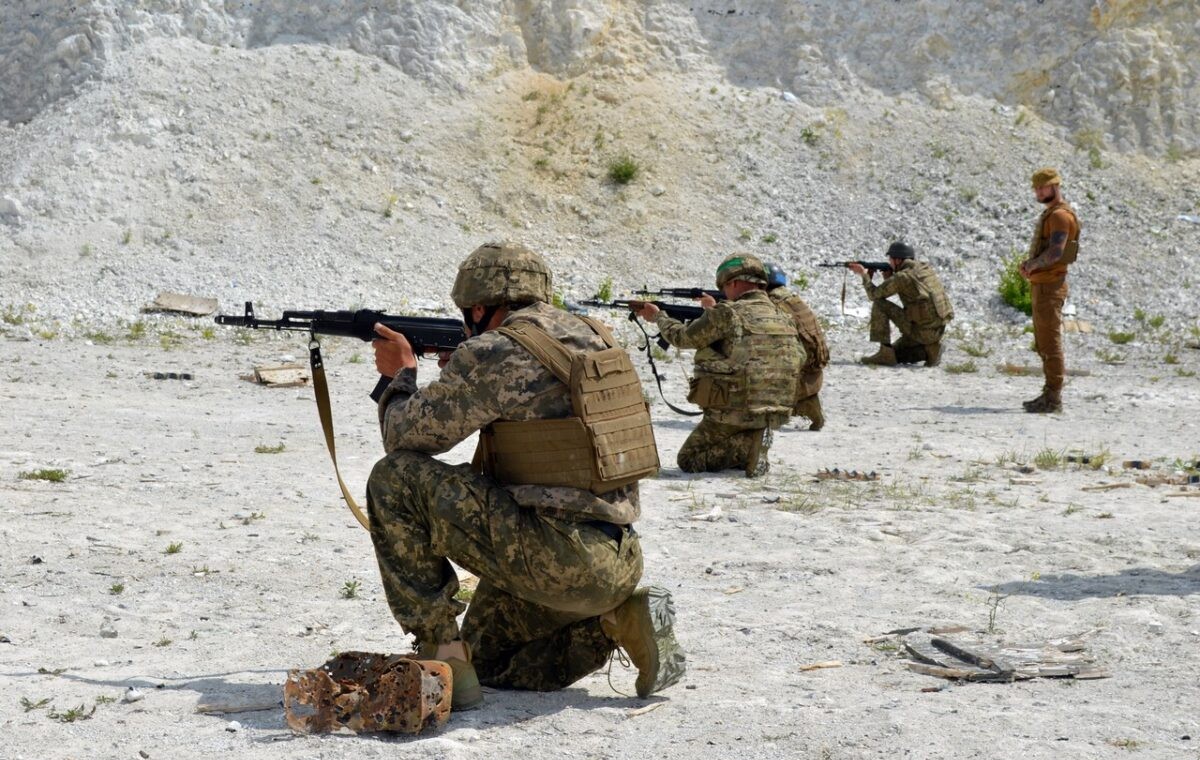
Teamwork
Synchronizing actions within a group is one of the most difficult elements of training.
-
Psychological Readiness
The will to survive and act decisively often determines the outcome more than technique does.
-
One-Handed Shooting
The ability to operate with both the dominant and weak hand is critically important.
-
Indoor Operations
Real scenarios often take place in confined spaces rather than open terrain.
-
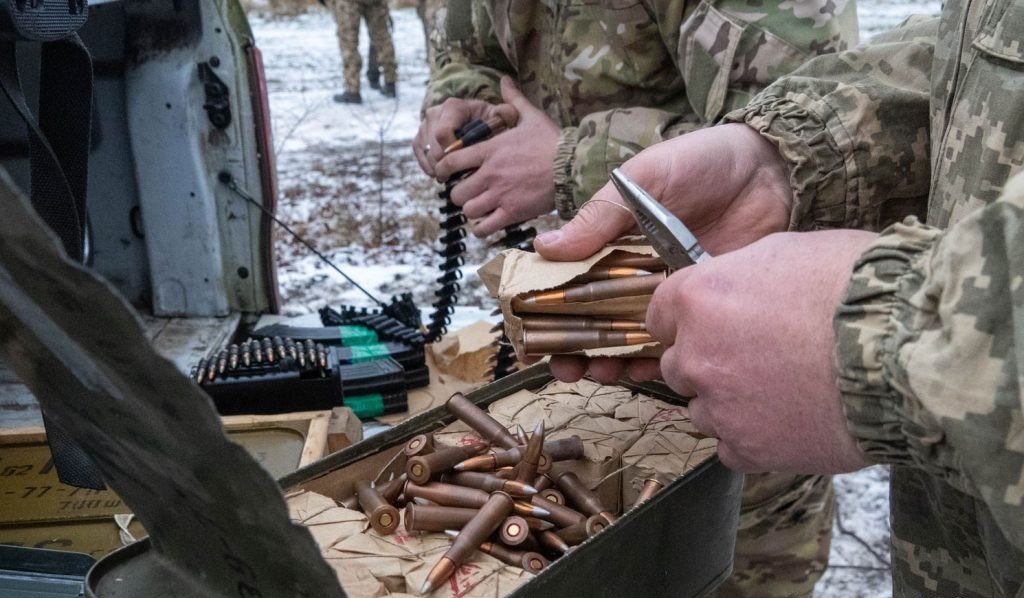
Low Light Conditions
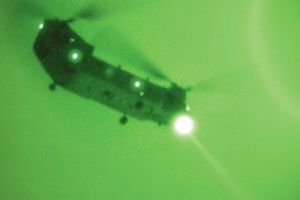
Most incidents occur at night or in poor lighting.
Statistically, over 60% of incidents involving the use of weapons occur in low-visibility conditions.
-
Shooting on the Move
Modern training includes shooting lessons while moving, which significantly increases survivability.
-
Engaging Moving Targets
This is one of the most difficult yet critically important skills.
Where and How to Learn to Shoot
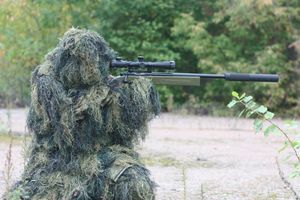
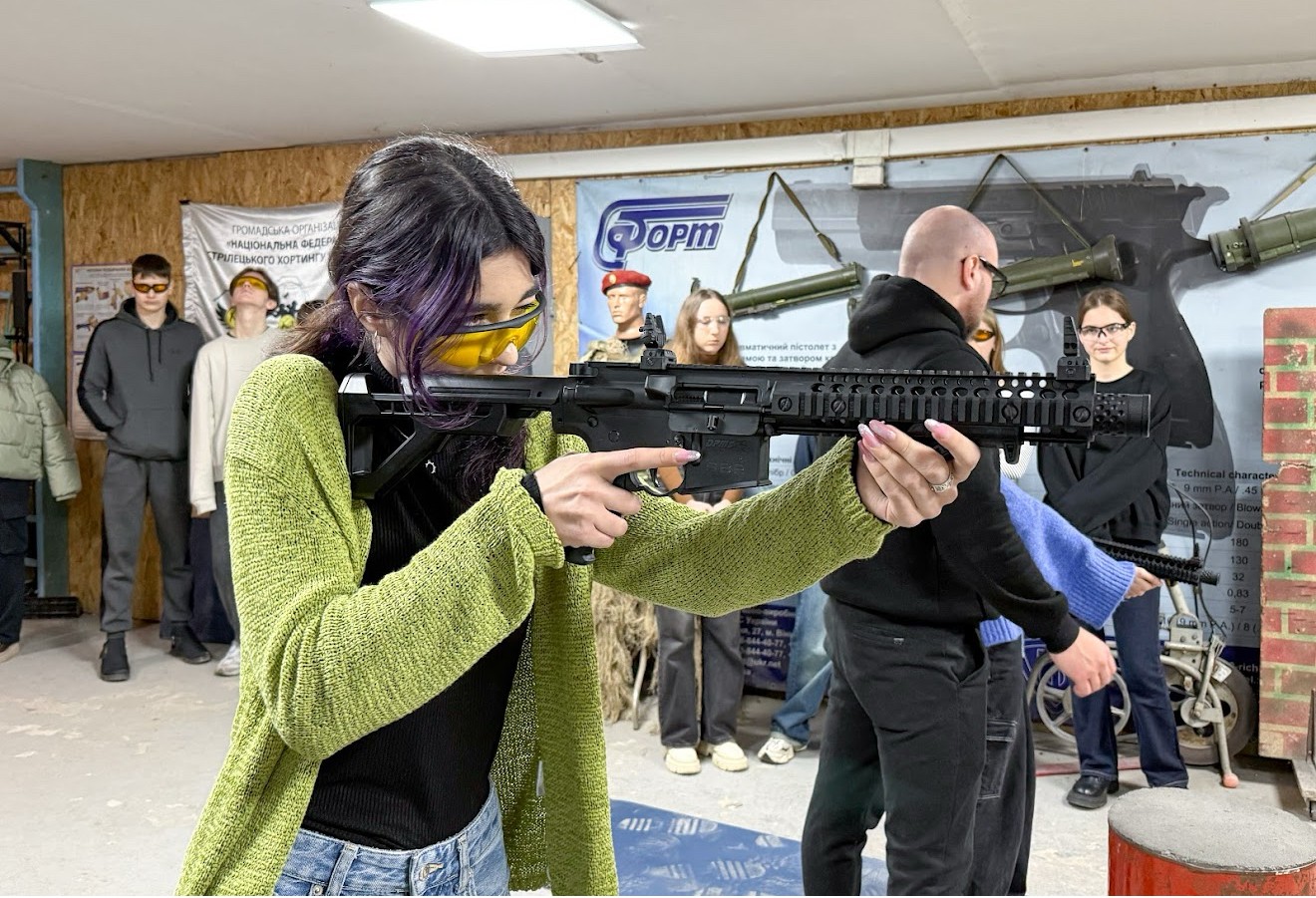
Today, there are many training options available, ranging from basic shooting courses to specialized programs such as sniper training or firearms handling courses.
Practicing at a shooting range allows you to consolidate basic skills, but full-scale training also includes tactical scenarios.
Practice shows that people who undergo systematic weapons handling courses demonstrate significantly better results than those who train on their own.
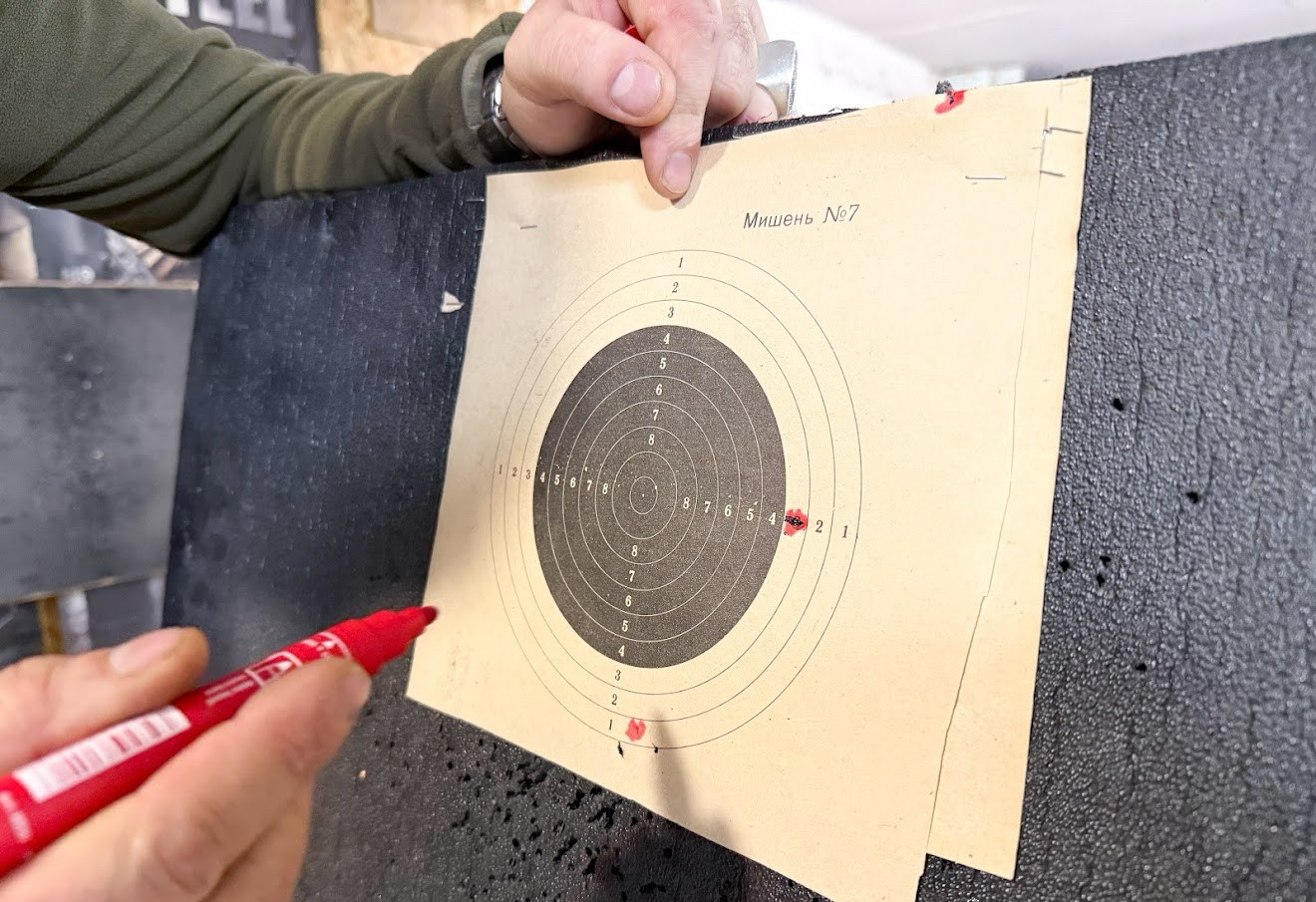
Even professional shooters regularly return to basic exercises – this allows them to maintain consistent results.
Shooting training is not just learning to fire a gun, but a comprehensive system including technique, psychology, and tactics. Understanding what a firearm is, its classification, and proper use is the foundation of safety and effectiveness.
Modern approaches prove: it is not the one who shoots faster who survives, but the one who is better prepared for real-world conditions.
Also, do not neglect the technical side of preparing for accurate shots – take care of the high-quality and complete equipment of your arsenal so that it does not fail you in a difficult moment!

Vitalii Buniak — article author
Military gear consultant
Before 2022, he worked as a sales assistant at the Panisher store. After the start of the full-scale invasion, he joined the Armed Forces of Ukraine, gaining real combat experience.
Thanks to his combat experience and deep knowledge of tactical gear, Vitalii serves as a personal expert of the Panisher online store in the fields of:
- Clothing and footwear
- Equipment
His recommendations help customers choose reliable and functional gear for any conditions.
FAQ. Answers to Frequently Asked Questions
1. What is a firearm, and what are the types of small arms?
2. Where can I learn to shoot?
3. Is it mandatory to take courses?
4. What is the most important thing in shooting training?