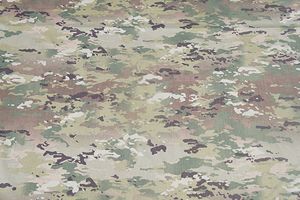

Multicam camouflage and the Crye Precision company are consistently associated by most tactical gear enthusiasts with "modern kit" and the "new school." There is a widespread belief that this camouflage only appeared in 2009-2010. Today, together with the Punisher military store, we will dive into the true origin story of the world's most popular camouflage and the company that became the "Gucci" of the gear and apparel world.
The History of Multicam and the Rise of Crye Precision
Today, Multicam is synonymous with modern military aesthetics, special forces, and high-tech gear. Many mistakenly believe it only emerged in the late 2000s; however, its history begins much earlier and is closely tied to the evolution of Crye Precision.
It all started in 2000, when Caleb Crye and Gregg Thompson created a small project called Crye Associates. At the start, it was more of an experimental hobby without clear guarantees of success. Both founders came from a creative background – design and form-work – which eventually became their key advantage in developing next-generation equipment.
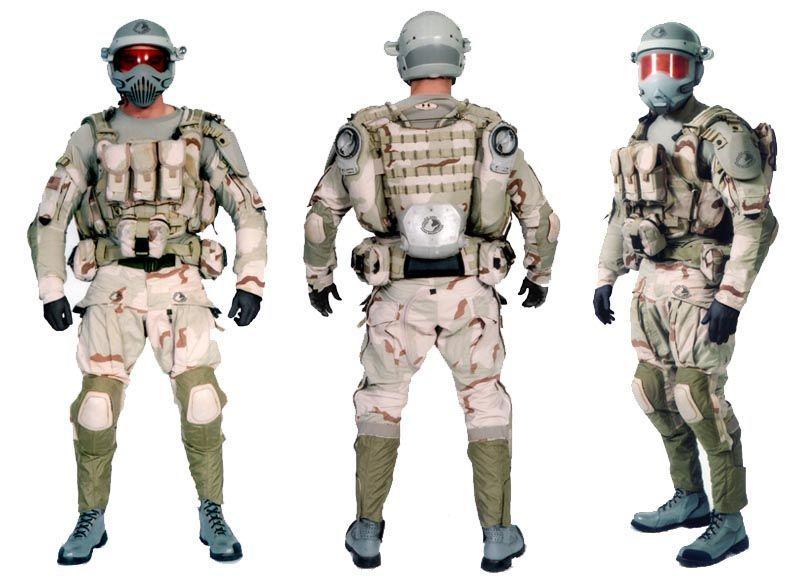
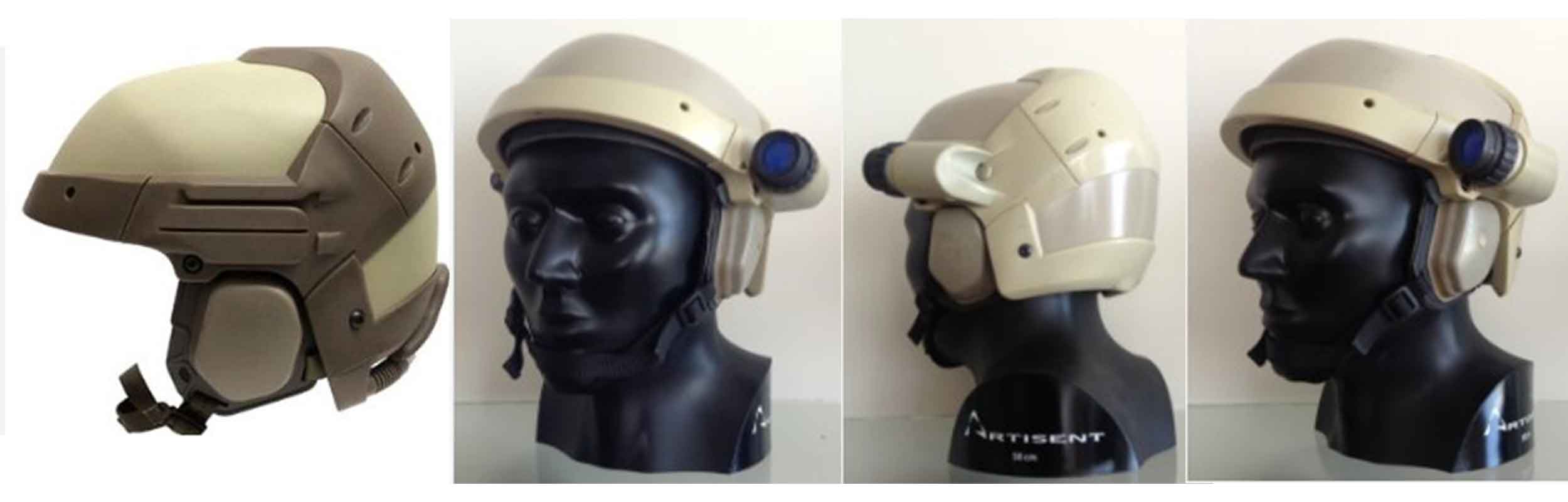
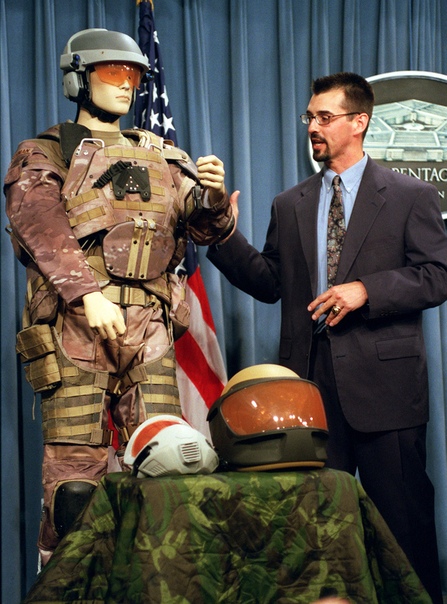
As early as 2001, Crye got the chance to prove themselves within the Objective Force Warrior program. In an extremely tight timeframe, they created an innovative helmet prototype with integrated technologies – ranging from a headset to a built-in camera. This project laid the foundation for their approach: providing comprehensive systems rather than individual pieces of gear.
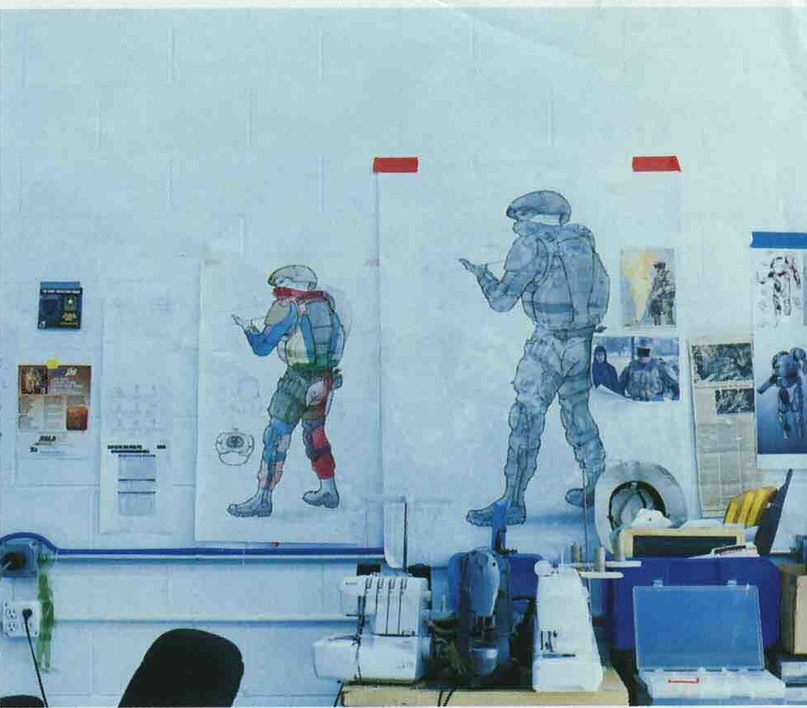
Crye's first attempts at collaborating with the military did not yield immediate results: their early product – an advanced handheld computer for mortar crews – did not receive a contract. However, the team caught the attention of Pentagon representatives, which proved critical for future development.
The Origins of Multicam: From Scorpion to the Standard
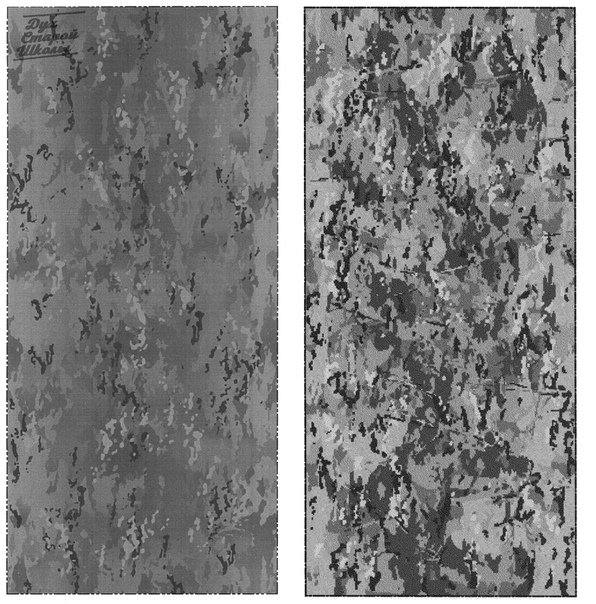
Parallel to equipment development, the team worked on a new camouflage. In collaboration with Natick Labs, the "Scorpion" camouflage was created. Its concept was based on an "analog" approach – smooth color transitions instead of the pixelated patterns that were gaining popularity at the time.
Scorpion showed high results during testing in 2002-2004, but lost out due to economic factors. The victory went to UCP (Universal Camouflage Pattern) – a simpler and cheaper-to-produce three-color variant. This decision later became one of the most criticized in modern military history: UCP proved to be ineffective in many environments.
Crye did not stop. They refined Scorpion, adding depth, variability, and an additional color – thus, Multicam was born. The new pattern was patented and focused on maximum adaptability to different types of terrain.
How Multicam Became a Global Standard
Despite the initial rejection, Multicam quickly gained recognition among the military, especially within special operations units. By 2005, tests confirmed its significantly superior effectiveness compared to UCP.
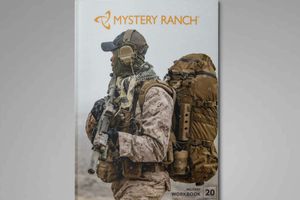
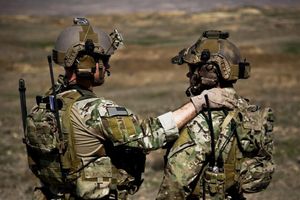
By 2008-2009, Multicam was being actively used by special forces operators and subsequently began to be implemented on a wider scale. Its versatility caught the attention of U.S. allies, leading to the appearance of adapted versions such as MTP (UK) and AMCU (Australia). From that moment on, Multicam ceased to be just a camouflage – it became an industrial standard. Today, nearly every tactical gear manufacturer has its own interpretation of this pattern.
The Evolution of Crye Precision: From Startup to Icon
In 2002, the company transformed into Crye Precision and began full-scale manufacturing. This was a difficult decision due to strict U.S. legislation (Berry Amendment) regarding the localization of production for military contracts.
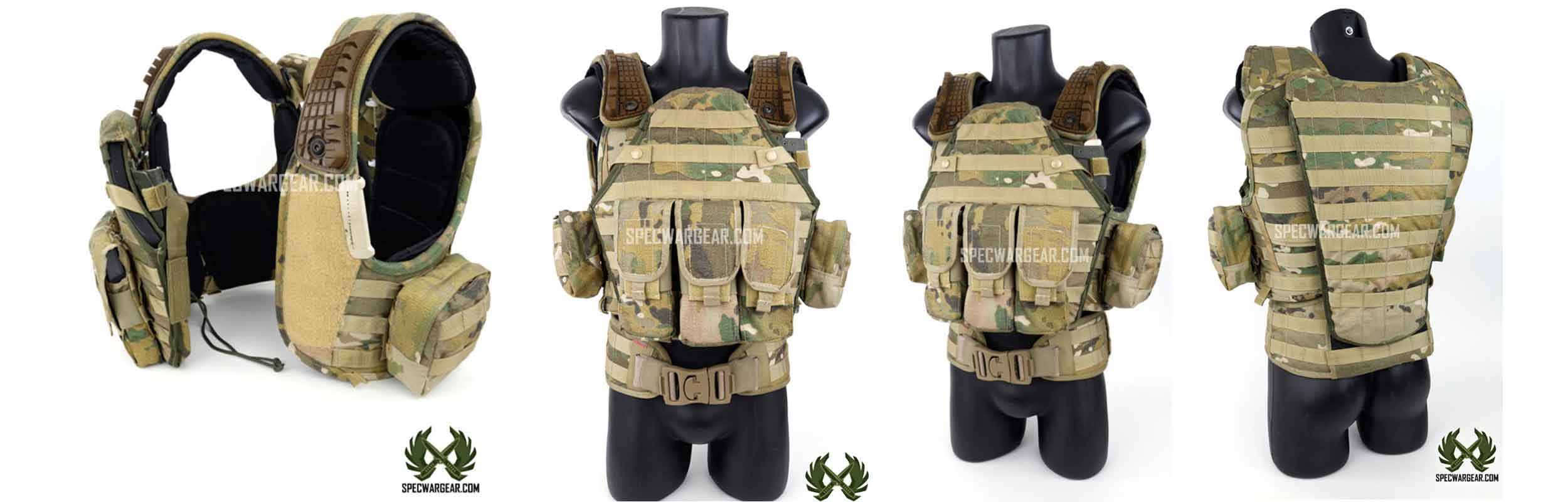
However, the bet on quality and innovation paid off. Crye didn't just create individual products – they formed integrated systems: uniforms, armor protection, ergonomics, and electronics integration. This very approach made the brand a benchmark in its segment. Today, Crye is often compared to tech giants, as the company effectively set the trend for the entire tactical gear industry.
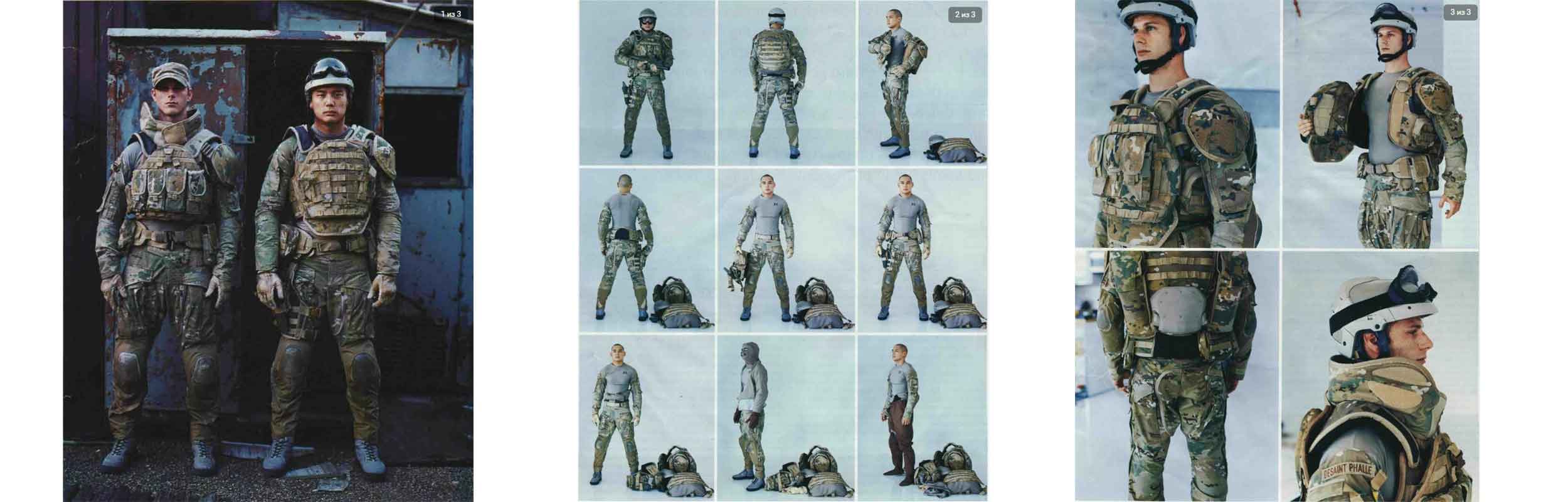
Multicam was not originally intended to be a mass-market camouflage. It was created as an experiment within a military program, but it was specifically the failure of UCP that paved its way to global recognition.
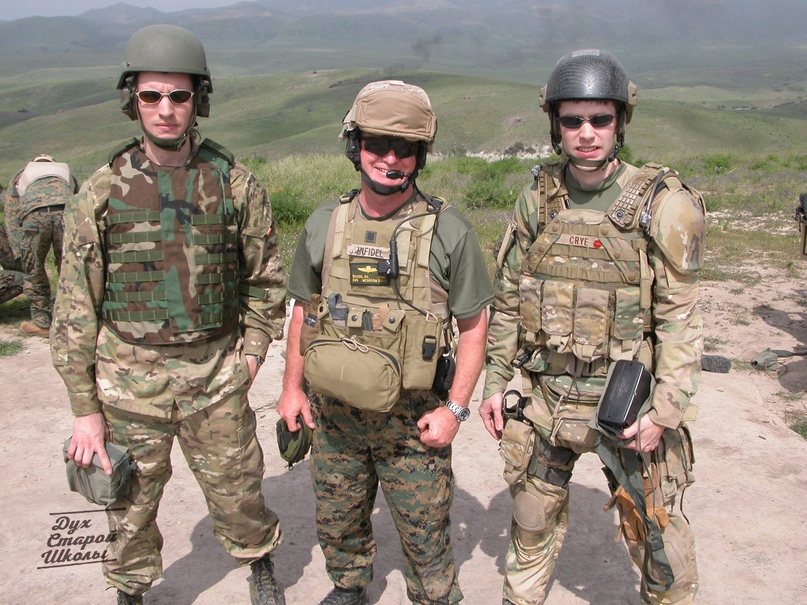
The story of Multicam and Crye Precision is an example of how innovative thinking and attention to real user needs can change an entire industry. From a small startup to a global standard, this journey proves that even in a conservative military environment, there is room for breakthrough solutions. Multicam didn't just survive the competition – it defined new rules of the game that remain relevant today.

Vitalii Buniak — article author
Military gear consultant
Before 2022, he worked as a sales assistant at the Panisher store. After the start of the full-scale invasion, he joined the Armed Forces of Ukraine, gaining real combat experience.
Thanks to his combat experience and deep knowledge of tactical gear, Vitalii serves as a personal expert of the Panisher online store in the fields of:
- Clothing and footwear
- Equipment
His recommendations help customers choose reliable and functional gear for any conditions.
FAQ: Answers to Frequently Asked Questions
1. Why is Multicam better than UCP?
2. Who created Multicam?
3. Is Multicam used today?
4. How does Multicam differ from its analogs?