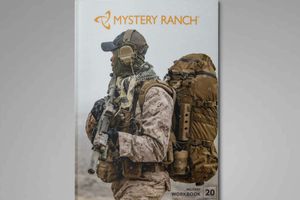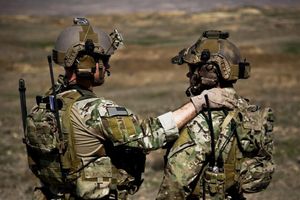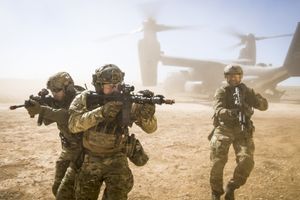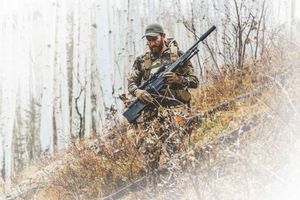
If you’ve ever chosen a uniform or gear, you’ve probably caught yourself thinking: “Is this MultiCam or is it already that OCP? And why do they look so similar?” This is a perfectly normal question. In practice, MultiCam, Scorpion W2, and Operational Camouflage Pattern (OCP) really do look like "relatives." And that’s no coincidence.
Let’s break it all down – without excessive academic fluff, but with a practical focus on how it works in real conditions: the range, combat missions, hunting trails, or just trekking. To help us navigate this topic professionally, here is a guide from the Punisher military store.
Where Does This "Similarity" Come From?
In short, it all started from a single root in the 2000s when the U.S. military was looking for a universal camouflage for various environments (Afghanistan very quickly proved that old solutions didn't work).
In this context:
-
Crye Precision developed MultiCam as a commercial product;
-
Simultaneously, government agencies worked on their own adaptation – resulting in Scorpion;
-
Later, it evolved into Scorpion W2, which became the U.S. Army standard under the name OCP.
-
In plain terms: MultiCam and Scorpion W2 are not copies, but "descendants" of the same idea.
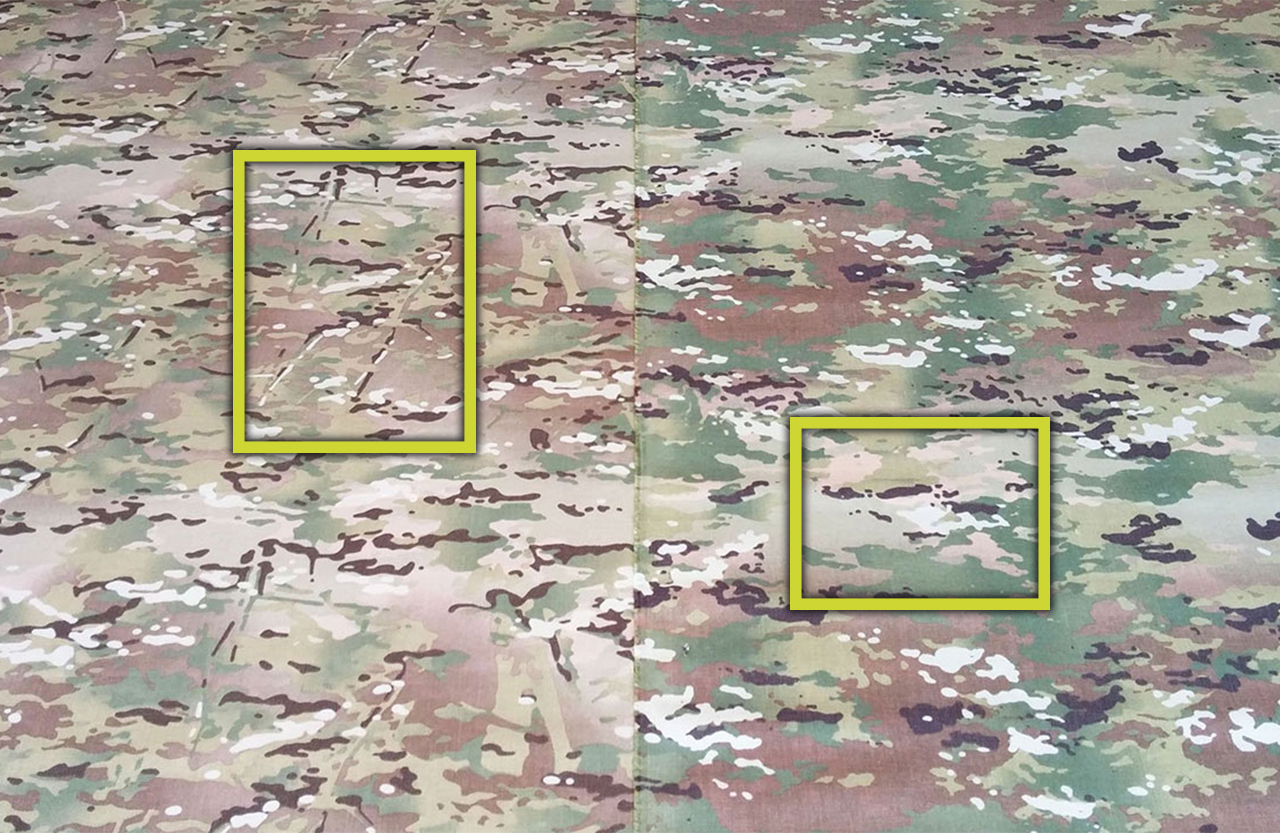
Visually: What Is the Difference?
If you look at it not as a collector but as someone who actually moves in the field, the difference is felt, but it doesn't always jump out at you.
What Is Immediately Noticeable:
-
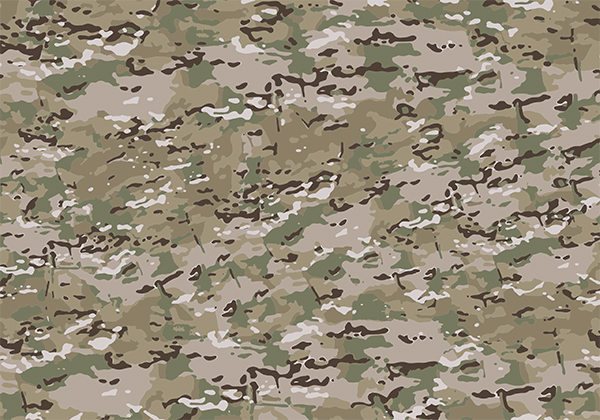
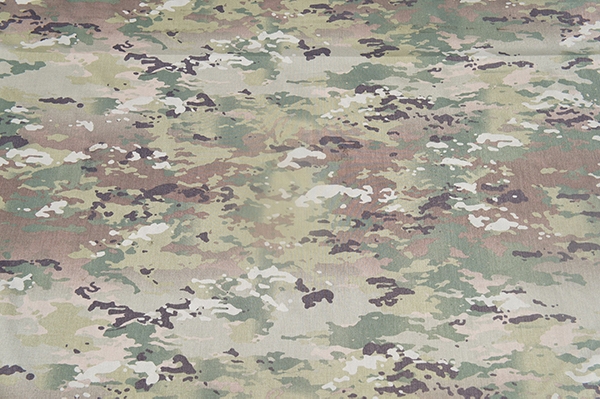
MultiCam looks "livelier" – there are more transitions and depth.
-
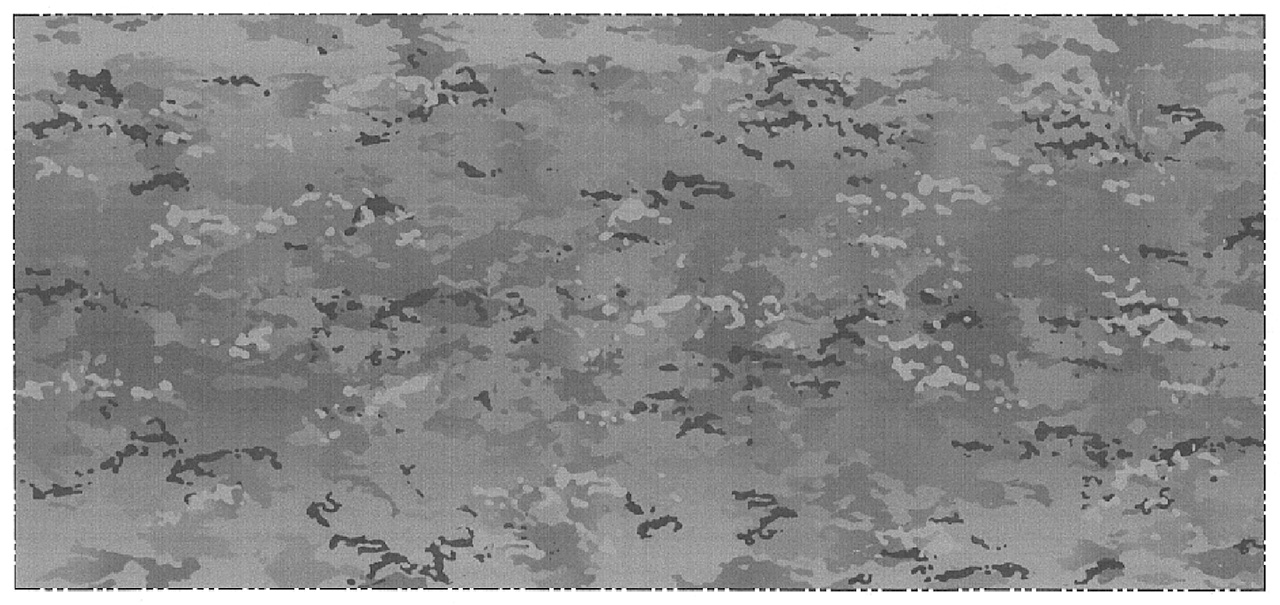
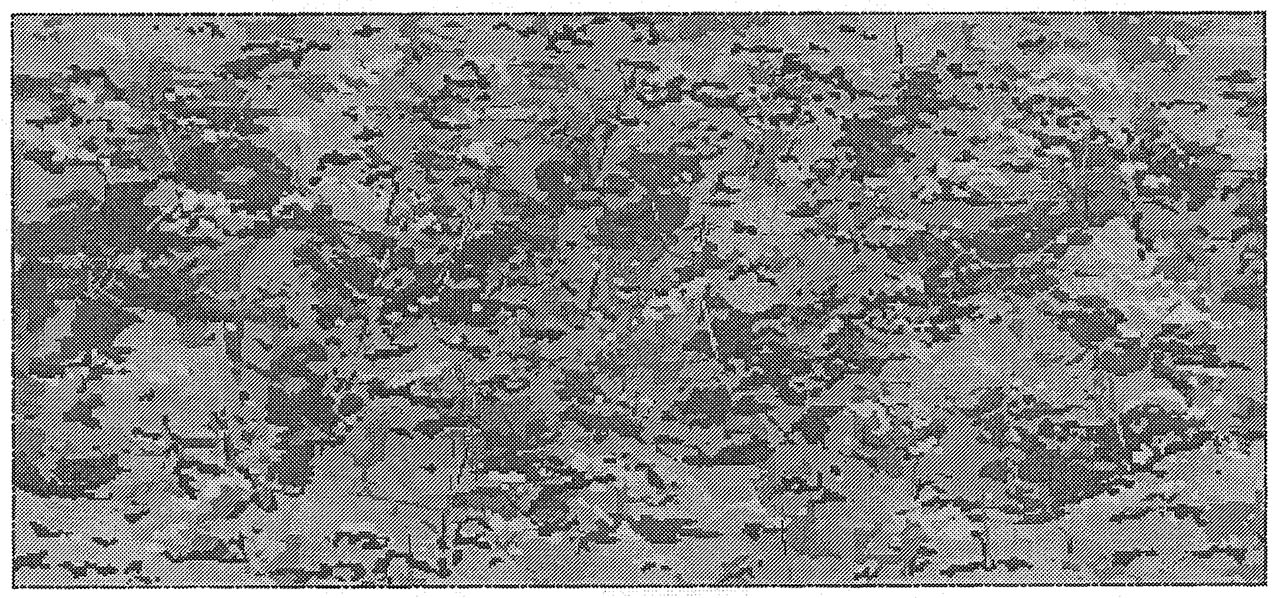
Scorpion W2 is slightly darker and "calmer."
-
MultiCam features characteristic vertical breaks that do a great job of "breaking up" the silhouette.
What Is Less Obvious, but Important:
-
MultiCam has a "denser" pattern structure;
-
Scorpion W2 is slightly simpler but more stable under various lighting conditions;
-
Both patterns repeat at approximately the same interval (≈63 cm), which is important for long-distance concealment.
Even experienced soldiers sometimes cannot distinguish between MultiCam and OCP at a distance of 20-30 meters – especially in mixed terrain.
How It Works in a Real Environment
This is where it gets interesting. Camouflage isn't about "looking good"; it's about how quickly you get spotted.
MultiCam – When Versatility is Key
From personal experience and observations:
-
Works well in "transitional" environments: field + bushes + dust.
-
Breaks up the silhouette better while moving.
-
Has a slight edge in variable lighting conditions (morning/evening).
This is one of the reasons why it is so beloved by military units, instructors, civilian shooters, and hikers.
Scorpion W2/OCP – When Standardization Matters
This pattern is about something else:
-
Stable efficiency without "surprises";
-
Cheaper to produce (critical for the military);
-
Controlled use (government-owned pattern).
-
In field conditions, it is slightly less "contrasting" and works better as a background than as an active silhouette "breaker".
The U.S. Army's choice of Scorpion W2 was not just about concealment, but also about economics and license control. MultiCam required royalties, while Scorpion did not.
Efficiency by Environment (A Practical Look)
Straight to the point, without the theory:
-
Dry grass, steppe, dust → Both work well.
-
Mixed landscape (the most common scenario) → MultiCam is slightly ahead.
-
Forest, greenery → Neither is perfect, but MultiCam "plays" a bit better.
-
Urban ruins/Gray zone → Difference is minimal.
-
Mountains/Rocks → Depends on the light, but Scorpion sometimes looks more natural.
The Main Point That is Often Ignored
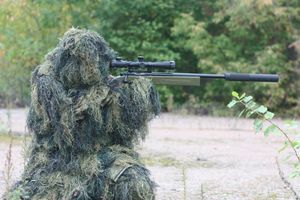
From experience, I’ll tell you straight: the pattern is only 50% of concealment. The other 50% consists of movement, silhouette, gear shine, shadows, and behavior. You can be in top-tier MultiCam and "glow" at 200 meters. Conversely, you can remain invisible in basic OCP if you work smart.
The human eye catches movement and contrast faster than the camouflage itself. That’s why incorrect behavior "kills" any pattern.
In short, without the marketing:
-
MultiCam is more "flexible" and universal; it breaks up the silhouette better.
-
Scorpion W2/OCP is a stable, cheaper, and standardized option for the military.
In real life, however, the difference between them is smaller than internet debates suggest.
The main takeaway: Camouflage is not magic. It’s a tool. And it only works when paired with the right behavior.

Vitalii Buniak — article author
Military gear consultant
Before 2022, he worked as a sales assistant at the Panisher store. After the start of the full-scale invasion, he joined the Armed Forces of Ukraine, gaining real combat experience.
Thanks to his combat experience and deep knowledge of tactical gear, Vitalii serves as a personal expert of the Panisher online store in the fields of:
- Clothing and footwear
- Equipment
His recommendations help customers choose reliable and functional gear for any conditions.
FAQ. Answers to Frequently Asked Questions
1. Are MultiCam and OCP the same thing?
2. What does the U.S. Army wear now?
3. What is better for civilian use (hiking, shooting)?
4. Is there a critical difference in efficiency?