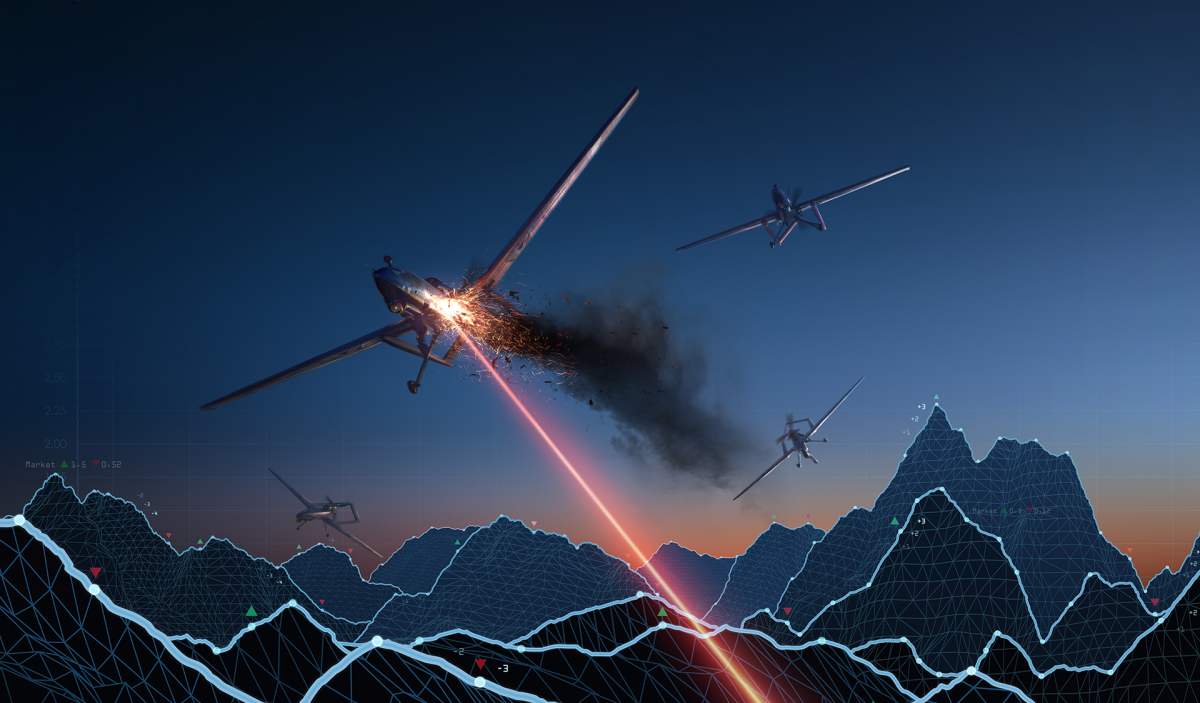
Just a few years ago, combat lasers were perceived more as an attribute of science fiction than as a real tool of war. Today, the situation is different. Laser weapons are gradually moving from the category of "technologies of the future" into the realm of practical military solutions, and the fight against drones has become one of the most promising areas of their application.
And this is logical. The modern battlefield is increasingly dependent on UAVs: reconnaissance drones, FPVs, loitering munitions, reusable unmanned platforms, and even swarm solutions. For air defense, this means a new reality: cheap aerial threats have become numerous, they are maneuverable, mass-produced, and often appear where firing an expensive missile is simply uneconomical. This is why laser systems are increasingly being considered as one of the promising tools of C-UAS – counter-unmanned aircraft systems. Let's look closer into this topic together with a specialist from the Punisher military store.
Why Laser Weapons Interested the Military Specifically in the Context of UAVs
To put it simply, laser weapons strike a target not with a bullet or a missile, but with focused energy. In the case of small aerial targets, this provides several advantages at once.
First, a laser does not require a conventional ammunition load. It does not "run out of ammo" in the usual sense – the main limitations become power supply, cooling, platform stability, and environmental conditions. Second, the beam works almost instantly, as we are talking about an engagement at the speed of light. Third, laser systems theoretically offer highly precise guidance at a specific element of the target – optics, hull, engine, battery, or another vulnerable component.
That is why combat lasers are often seen today as a way to reduce the cost of intercepting cheap drones, especially when it comes to the mass deployment of UAVs, where launching an expensive missile at every object is doubtful economics even for a very wealthy army.
Video from the testing of Lockheed Martin's ATHENA system (2017):
How a Combat Laser Works
Unlike traditional small arms or missile systems, a combat laser does not "shoot" a physical projectile. The power source generates a high-energy beam of coherent light, which is focused onto a tiny area of the target via a system of mirrors and adaptive optics. Within a few seconds, the energy heats the material to a temperature where it loses structural integrity or degrades completely. For unmanned aerial vehicles, the most vulnerable points are optical modules, electronics, the battery, engines, and structural frame elements.
Modern military lasers predominantly utilize fiber laser or solid-state laser technology, which features high efficiency, compactness, and relatively straightforward maintenance compared to legacy chemical lasers.
Main Advantages of Laser Weapons in the Fight Against Drones
Low cost of a "shot"
One of the main reasons for the interest in combat lasers is the economics of modern war. When an enemy drone costs a nominal hundreds or thousands of dollars, and the means to destroy it is tens or hundreds of times more expensive, the balance does not favor the defender. Laser systems are compelling because they potentially allow some aerial threats to be downed more cheaply than conventional anti-aircraft missiles do.
Engagement at the speed of light
Unlike traditional munitions, a laser does not travel to the target for seconds or tens of seconds. Once the system detects the object, locks onto it, and maintains the beam, the impact occurs almost instantaneously. For countering small, maneuverable, low-altitude UAVs, this is a vital advantage.
High precision
Laser weapons are interesting not only because they can "shoot down a drone", but also because of how exactly they do it. Due to precise target tracking, the beam can be concentrated on a specific area – for example, on a camera, engine, body, or control system. For a small UAV, this can be enough to lose control, crash, or disrupt the mission.
Potential in fighting mass aerial threats
One of the biggest problems for modern air defense is not a single drone, but mass volume. A swarm of drones or a sequential attack by multiple cheap targets quickly depletes a conventional ammunition load. This is why lasers are frequently presented as a promising tool for scenarios where a large number of small aerial targets must be engaged sequentially.
Video demonstration of Raytheon's HELWS system:
In popular culture, laser weapons usually look like a beam after which everything instantly explodes. In reality, it is more complicated. A combat laser might not just burn through a structure, but also disable sensors, overheat individual components, damage optics, or destroy critical elements of the drone. For a UAV, this is often enough to render it combat-ineffective.
Why the Laser is Not a Magic Wand: Weak Points of the Technology
Despite all the prospects, laser weapons are not yet a universal answer to all aerial threats. And it is important to address this honestly so that the article does not turn into a promotional booklet for a "weapon of the future".
Weather and atmospheric dependence
Fog, rain, snow, dust, smoke, and moisture in the air – all of these degrade the passage of a laser beam. The worse the atmospheric conditions between the system and the target, the harder it is to deliver sufficient energy to it.
Need to keep the beam on the target
Another feature of laser weapons is the dwell time on the target. While a bullet or a missile inflicts damage almost instantaneously, a laser needs to continuously concentrate energy on a single spot for several seconds. For small quadcopters, 2 to 5 seconds may suffice, but high-speed or actively maneuvering targets significantly complicate the process.
High power and cooling requirements
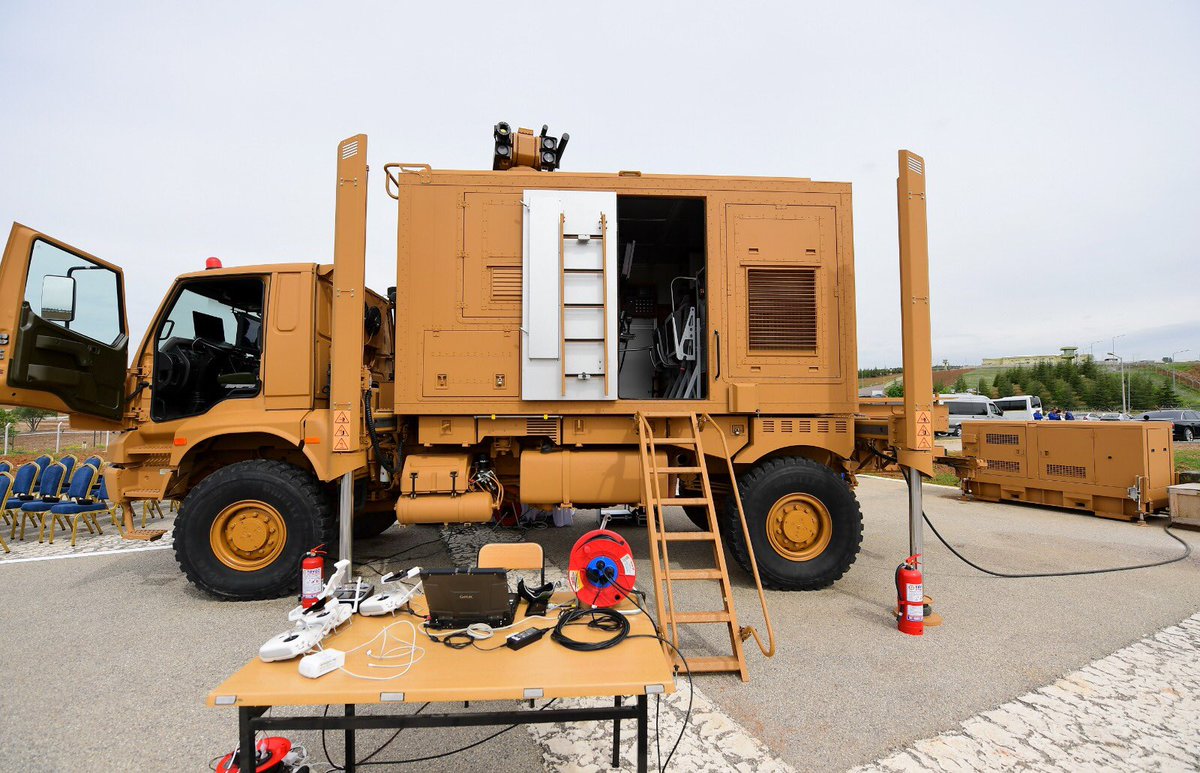
A laser system is not just the emitter itself. It also includes a power source, optics, a control system, cooling, stabilization, sensors, and the platform that must carry all of this. This is why lasers currently feel most comfortable on ships, large ground vehicles, or stationary objects, rather than in a "pocket superweapon" format.
Limitations by target types
Downing a small UAV is one thing. Engaging a more complex, faster, or better-protected target is a completely different level of challenge. This is why combat lasers are currently viewed primarily as a means of short-range or point defense against specific types of threats, rather than a total replacement for traditional air defense.
Video of Roketsan's Alka system:
The US, UK, and the Development of Combat Lasers
Among the countries actively investing in laser weapons, the US and the UK are particularly prominent. And here it is important to speak not about abstract "working on the technology," but about specific programs that have already undergone testing or are moving toward practical application.
ATHENA: American laser system for countering drones
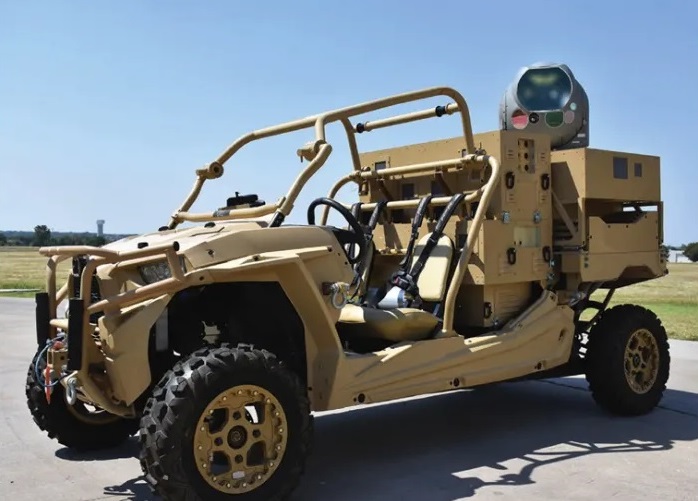
One of the most famous examples is ATHENA (Advanced Test High Energy Asset) by Lockheed Martin. In 2019, the company reported a successful demonstration of the system at the Fort Sill range in Oklahoma, where the system, networked with a radar and a command loop, struck several drones of various types. This is a significant milestone because it was not just a "nice shot at an exhibition", but the execution of a full cycle: target detection, data transmission, tracking, and engagement.
During the testing, ATHENA deployed a 30-kilowatt fiber laser capable of operating in integration with a radar station and an automated command and control system. The system successfully tracked targets at a distance of several miles (kilometers) and sequentially engaged multiple drones without needing a reload.
HELIOS: US Navy shipboard laser
Another illustrative direction is HELIOS (High Energy Laser with Integrated Optical-dazzler and Surveillance), which is being created for the US Navy. This is a shipboard system of the roughly 60 kW class, designed not only to destroy UAVs but also to dazzle optics, perform surveillance, and counter small surface targets. For the navy, such a weapon is especially interesting: a ship has the power capacity, space for cooling, and constantly faces the threat of cheap aerial and surface targets on which it is not always practical to expend expensive missiles.
DragonFire: the British perspective on laser air defense
In the UK, one of the most high-profile projects has been DragonFire – a laser system developed through cooperation between defense companies and government entities. In 2024, the British Ministry of Defence reported successful trials of DragonFire against aerial targets and announced its intention to accelerate the integration of the system onto Royal Navy ships. One of the reasons for this interest is precisely the need for a cheaper way to combat drones and other mass aerial threats.
According to the UK Ministry of Defence, the maximum effective range of DragonFire remains classified. It is only known to be a line-of-sight weapon capable of engaging any visible target. At the same time, the tracking system's accuracy is so high that it is compared to the ability to hit a 1-pound coin (0.89 in/22.5 mm) from a distance of 0.62 miles (1 kilometer). The estimated cost per "shot" is valued at around £10 (approximately $13.50 USD), which is tens of thousands of times cheaper than launching a modern surface-to-air missile.
Tryzub and Sunray: Ukrainian Developments in Directed-Energy Air Defense
Western counterparts cost over 150 million dollars and were developed during peacetime over decades. Meanwhile, Ukrainians have created cheap and effective alternatives after just two years of a full-scale war against a bloodthirsty neighbor.
Sunray Air Defense:
-
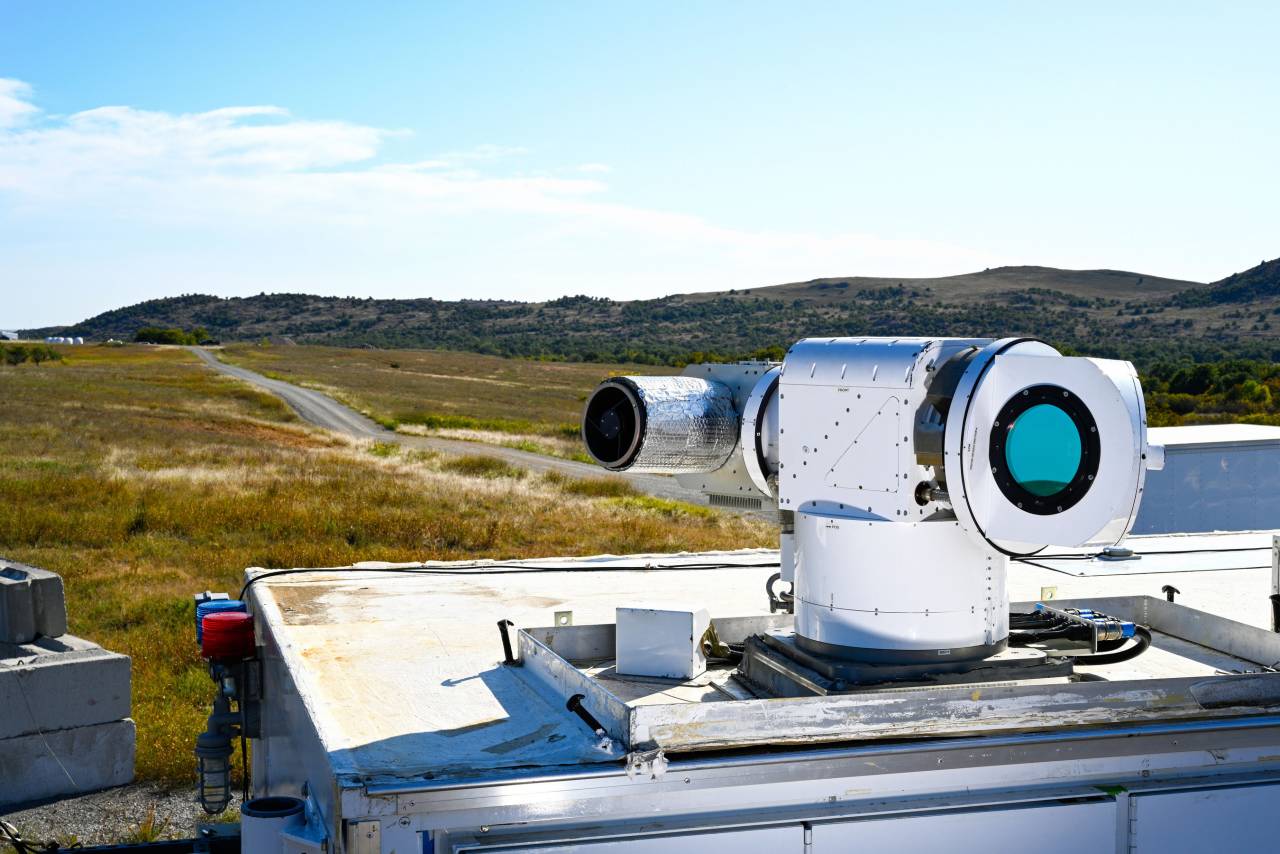
The laser cannon is mounted on the roof of a pickup truck and can be operated by a single soldier;
-
The system resembles a telescope with video cameras attached to the side for visual target acquisition;
-
The laser system traversed toward the target and shot down a small drone at a distance of over 330 ft (100 m);
-
After the laser was turned on, the target caught fire within seconds;
-
The estimated cost of a single system reaches several hundred thousand dollars.
Tryzub Air Defense:
-
Engagement altitude of about 6,560 ft (1.2 miles/2 km);
-
Laser power of up to 50 kW;
-
Potential targets include objects moving at speeds of approximately 125 mph (200 km/h) (drones, light-engine aircraft).
For comparison, the P1-Sun anti-drone interception UAV costs 1 thousand dollars per unit and shoots down targets at an altitude of about 29,500 ft (5.6 miles/9 km).
In 2022 trials, firings were conducted at the Porton Down range at distances up to 2.1 miles (3.4 km), but this was not a demonstration of the system's maximum range. This was merely the maximum distance of that specific series of tests, and the British deliberately emphasized that the real performance specifications of DragonFire remain classified.
Who is Developing Combat Laser Technologies Today
The US, the UK, and Ukraine are far from the only nations investing in directed-energy weapons. Other states are also actively pursuing research and development in this sector, with each country betting on its own specific operational scenarios.
Germany
The German defense contractor Rheinmetall has been working on combat lasers for over a decade. The company has repeatedly demonstrated the interception of drones, mortar rounds, and small-scale aerial targets. One of its most prominent projects is the High-Energy Laser Weapon Demonstrator (HEL), which underwent trials aboard the German Navy's frigate Sachsen. During these tests, the system successfully tracked and engaged UAVs, proving the viability of lasers for naval air defense.
Israel
One of the most ambitious projects in recent years is Israel’s Iron Beam, developed by Rafael. The system is designed to counter drones, mortar rounds, rockets, and other short-range targets. It is engineered to operate alongside the Iron Dome, David's Sling, and Arrow platforms, reinforcing Israel’s multi-layered air defense network. In 2025, the Israeli Ministry of Defense announced the initiation of integrating Iron Beam into its operational air defense system.
China
China is also heavily investing in laser technologies. Chinese defense enterprises regularly showcase mobile anti-drone counter-measures mounted on wheeled vehicle chassis. Although most specifications remain classified, it is clear that Beijing views laser weapons as a core vector for the development of its future air defense.
Turkey
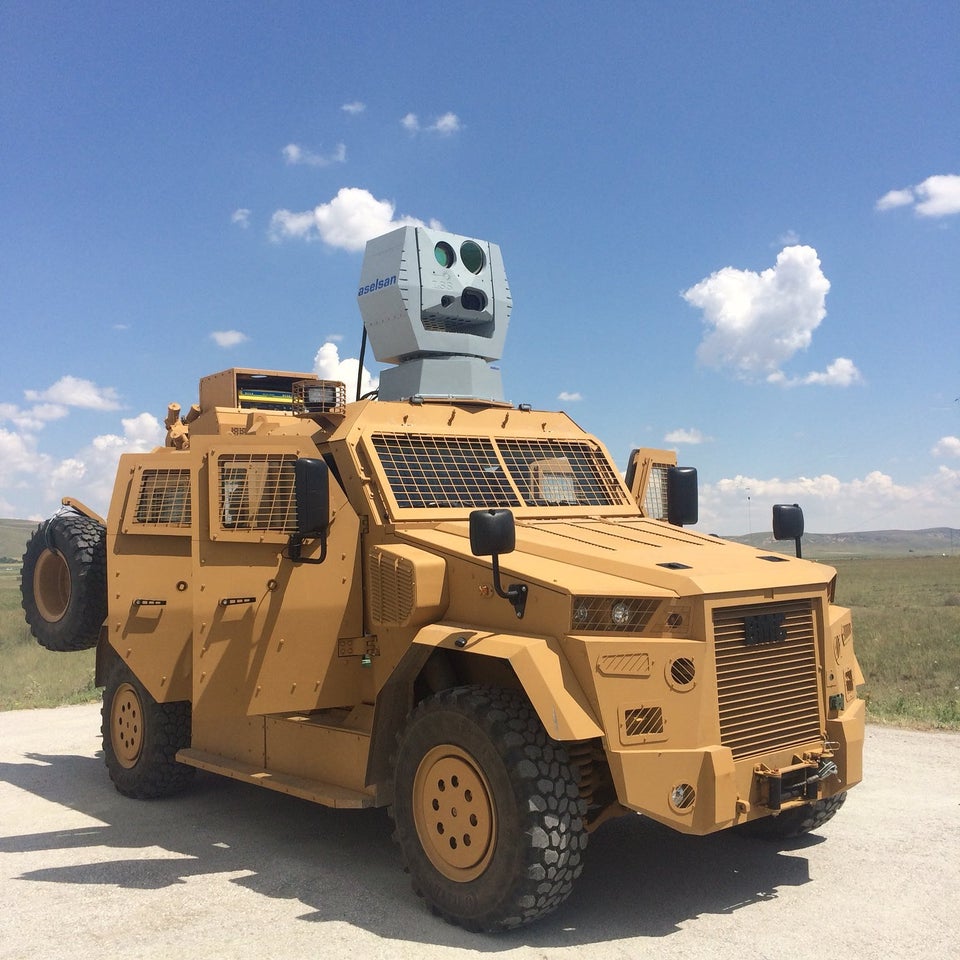
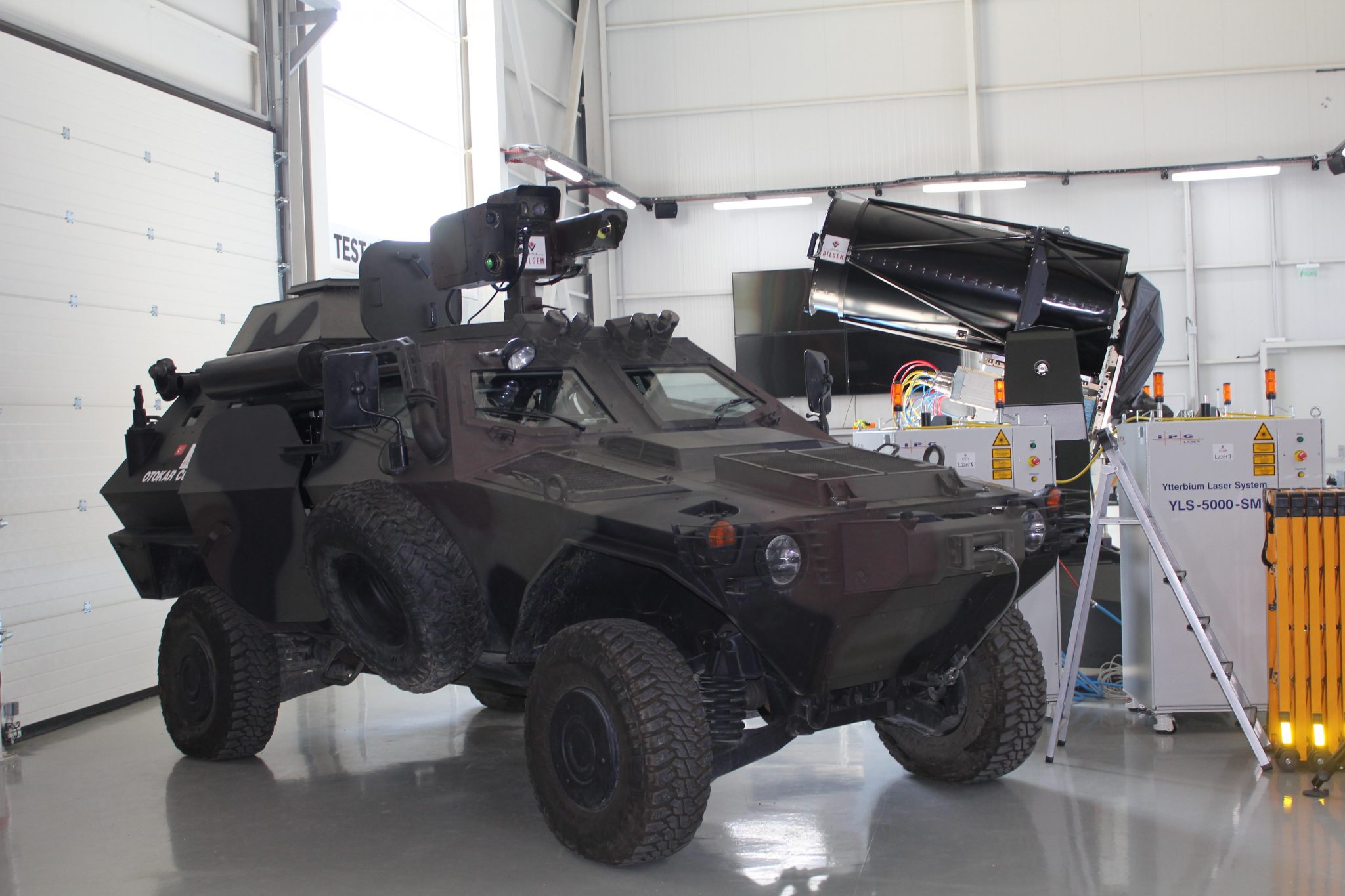
The Turkish defense industry has been aggressively working on its own directed-energy systems over the last few years. Aselsan developed the GÖKBERK system, which pairs a combat laser with advanced target detection and tracking suites. The system's primary objective is to combat small drones and other asymmetric aerial threats.
Video demonstration of the ARMOL laser system from TUBITAK BILGEM:
What Power is Needed to Destroy a Drone?
Many mistakenly believe that any combat laser must possess megawatt-class power. In reality, everything depends on the target type.
Roughly speaking, the following power classes are utilized today:
-
5-20 kW – blinding optics, disrupting sensors, countering individual small UAVs.
-
20-50 kW – effective destruction of most commercial quadcopters and light reconnaissance drones.
-
50-100 kW – neutralizing more complex drones, loitering munitions, and selected aerial targets.
-
100-300 kW and up – a promising class for missile defense, intercepting cruise missiles, and other high-speed threats.
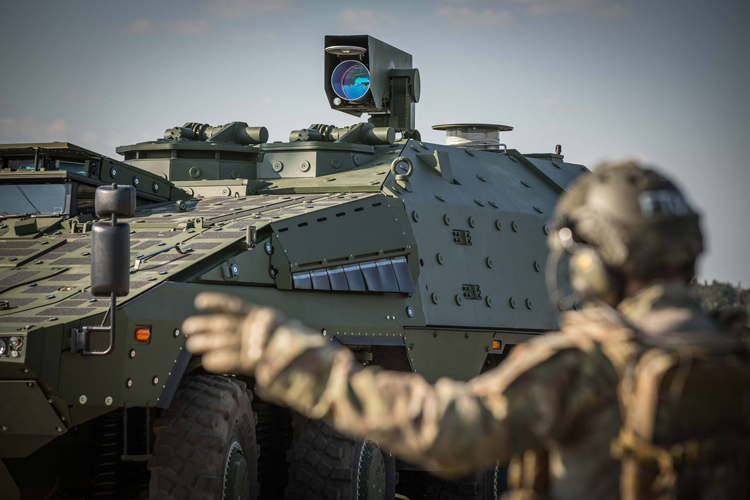
This is why the American ATHENA utilizes a laser of approximately 30 kW, while the shipboard HELIOS already belongs to the 60 kW class.
Other Military Scenarios for Laser Use
Laser weapons are not just an "anti-drone beam". In fact, the military application of lasers is much broader, which is what makes the technology so interesting.
First, lasers can be used to blind optics, cameras, sensors, and sighting systems. For modern warfare, where a massive portion of surveillance, guidance, and adjustment is tied to optics, this is a serious factor. Second, laser systems have long been operating in the form of rangefinders, target designation, and target illumination for precision-guided weapons. Third, in the long term, lasers are considered as an option for defense against small boats, loitering munitions, certain types of missiles, and even some artillery threats, though here the technology still has a long way to go before widespread combat deployment.
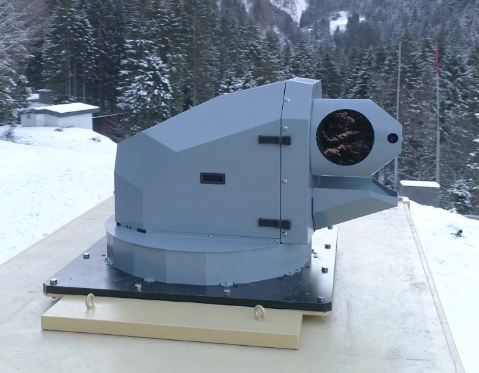
When we hear the phrase "laser weapon", we imagine something ultra-modern and almost cosmic. But in reality, lasers have long been a common part of military systems – from rangefinders and target illumination to sighting complexes, sensors, and intelligence elements. In other words, combat lasers are an evolution of an already familiar technology, rather than something that suddenly fell from orbit in 2024.
A video demonstration of the capabilities and prospects of Rheinmetall's HEL combat lasers:
How Much Does a "Laser Shot" Cost?
The laser system itself can cost tens of millions of dollars; however, once operational, the costs per engagement are primarily determined by the electrical power consumed and the wear on components. This is why the cost per application is estimated from a few dollars to a few dozen dollars, whereas a modern anti-aircraft missile can cost anywhere from tens of thousands to several million dollars, depending on the platform. This very delta makes combat lasers highly attractive for defeating mass attacks of cheap UAVs.
Development Timeline
-
1970s-1980s – Experimental chemical lasers, which were oversized and prohibitively expensive;
-
1990s-2000s – Transition to solid-state and fiber laser technologies;
-
2010s – Initial successful live-fire trials against UAVs;
-
2020s – Integration of laser systems onto naval vessels, armored vehicles, and stationary facilities.
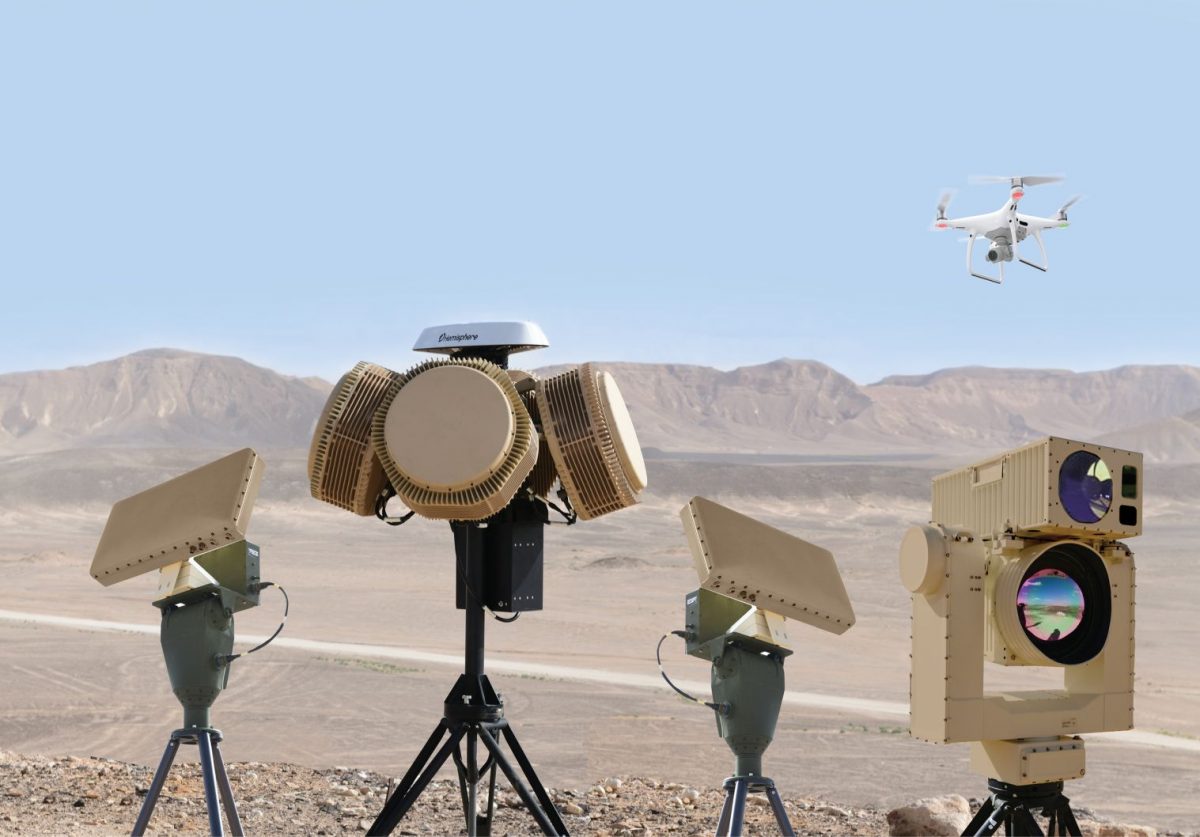
Video of the Drone Dome in action:
Will Laser Weapons Replace Conventional Air Defense
The short answer is no, they will not. At least not in the near future.
Laser weapons make sense not as a "single answer to all threats," but as one of the layers in a multi-level defense. Roughly speaking:
-
EW jams or disrupts navigation.
-
Interceptor drones hunt enemy UAVs in the air, physically destroying them before they reach the target.
-
Machine guns, cannons, and other close-in weapon systems cover a portion of threats at short ranges.
-
Missiles handle more complex, faster, or distant targets.
-
Laser weapons take on a portion of cheap aerial threats where the cost of interception, precision, and reaction speed are particularly vital.
It is within this logic that combat lasers look most realistic: not instead of everything, but alongside the rest of the tools. And the more actively reconnaissance drones, FPVs, and loitering munitions are used on the battlefield, the more obvious it becomes that the future of anti-drone defense lies not in a single "wonder solution," but in a combination of EW, interceptor drones, conventional air defense, and directed-energy systems.
And Where Does the Punisher Military Store Fit In
Obviously, a military store does not trade in combat laser systems – and pretending otherwise would be strange. But the topic of anti-drone defense directly intersects with the equipment that units actually need right now.
In practice, working with UAVs, anti-drone groups, surveillance, or modern air defense elements almost always comes down not only to "big technology," but also to basic things: eye and hearing protection, tactical headphones and headsets for coordination, backpacks, organizers, and pouches for batteries, cables, tools, and small electronics, flashlights and headlamps for night operations, multitools for field maintenance of equipment, camouflaging solutions, and tactical medicine, without which any work closer to the frontline is at the very least irresponsible.
That is, while laser weapons are a conversation about the future of anti-drone systems, the military store's inventory is about the practical needs of the soldier, crew, team, or operator working with these systems today.
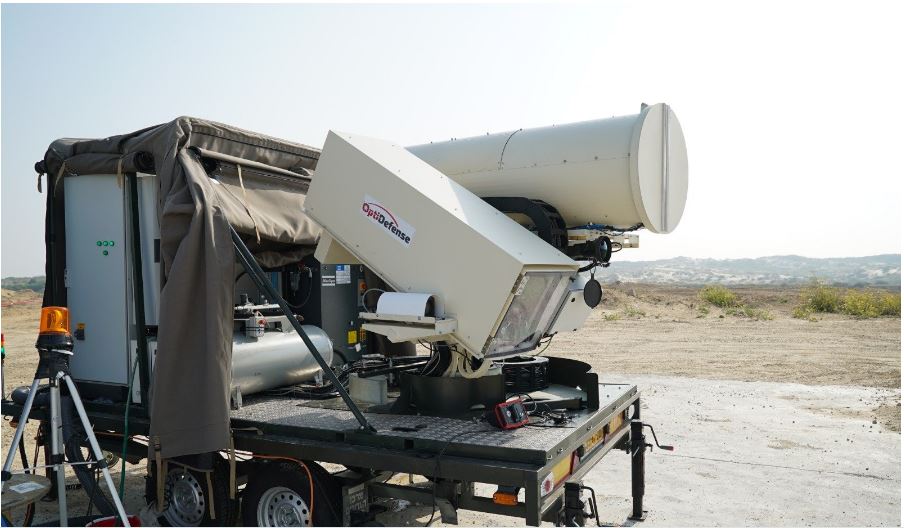
Laser Light Blade from OptiDefense:
Laser weapons have long ceased to be pure fiction, but it is also too early to call them a ready-made replacement for conventional air defense. The most realistic scenario today is the use of combat lasers as one element of a multi-layered anti-drone defense, where they work not on their own, but in tandem with radars, optics, EW, interceptor drones, gun systems, and missile weaponry.
For countering UAVs, lasers are compelling for three reasons: the low cost of a single engagement, high precision, and the almost instantaneous action of the beam. This is why the US, the UK, and other countries are actively investing in programs such as ATHENA, HELIOS, and DragonFire, as well as other solutions in the directed-energy sphere. At the same time, the technology's weak points – weather dependence, high power requirements, the need for cooling, and limitations on target types – do not yet allow us to speak of the laser as a "superweapon that will replace everything".
Therefore, looking at the topic soberly, combat lasers are not a magic "minus drone" button, but one of the most interesting and promising tools for future air defense, which has every chance to take its place alongside conventional means of combating aerial threats. And for the military, UAV operators, anti-drone groups, and air defense crews, this topic is important today – even if they currently see the laser system in the news about where modern war is heading rather than in the back of their own truck.

Vitalii Buniak — article author
Military gear consultant
Before 2022, he worked as a sales assistant at the Panisher store. After the start of the full-scale invasion, he joined the Armed Forces of Ukraine, gaining real combat experience.
Thanks to his combat experience and deep knowledge of tactical gear, Vitalii serves as a personal expert of the Panisher online store in the fields of:
- Clothing and footwear
- Equipment
His recommendations help customers choose reliable and functional gear for any conditions.
FAQ: Answers to Frequently Asked Questions
1. What are the main downsides of combat lasers?
2. Can lasers completely replace conventional air defense?
3. Where else, besides shooting down drones, are lasers used in the military?
4. How does this topic relate to a military store's inventory?