Colors in a tactical environment are not about style, but about function. While civilian wardrobe choices are often based on aesthetics, for military or hunting apparel, it is a matter of survival, camouflage, and safety.
This is why color coordination follows a strict logic: minimize visibility, break up the silhouette, and "blend" into the background as much as possible. While many look for a "color matching table," in reality, it is not about tables but about understanding the environment and specific camouflage patterns – from the classic Woodland to modern MultiCam, MARPAT, AOR1, and AOR2. This guide from the Punisher military store will help you understand how this works in practice.

How Colors Work in Natural Environments
Any color changes depending on lighting, season, and terrain type. For example:
-
olive drab and dark green work well in dense forests;
-
in steppes or dry fields, they become too dark and create contrast;
-
in urban settings, green looks unnatural – grey, graphite, and concrete shades work better here.
Camouflage is a system, not just a single color. Examples:
-
Woodland (M81) – A mix of dark green, brown, black, and sand, designed for forests.
-
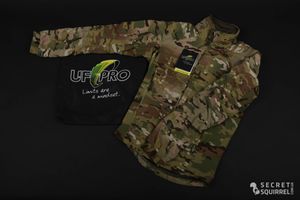
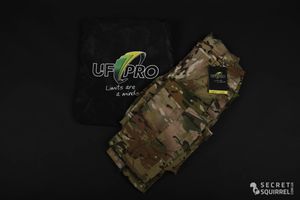
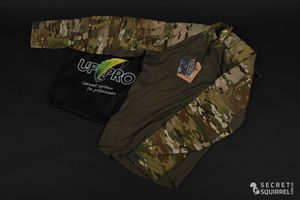
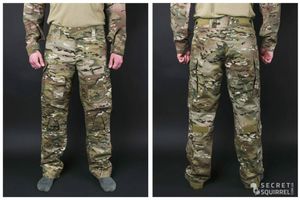
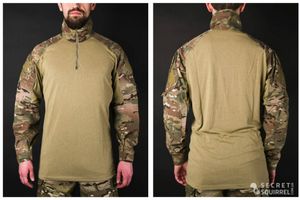
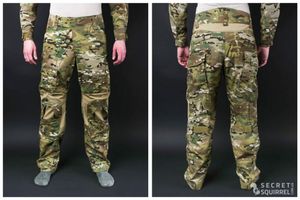
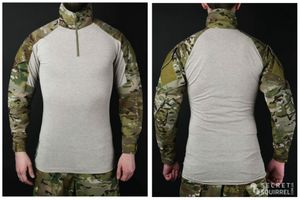
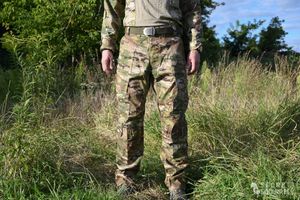
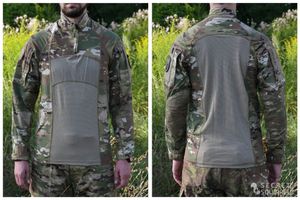
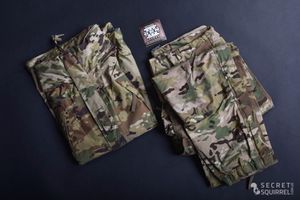
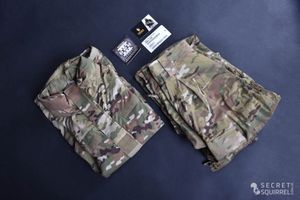
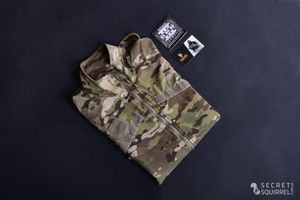
MultiCam – Developed as a universal camo for various environments (from Afghanistan to Europe), combining light green, coyote, beige, and grey-brown shades.
-
MARPAT – A digital camo with a small pattern that effectively "blurs" the silhouette.
-
AOR1 (Desert) – Light beige, sand, light brown.
-
AOR2 (Forest) – Green, olive, dark brown.
The key idea is not "merging" but breaking up contours. Therefore, even the best camouflage fails if it does not match the environment.
The human eye reacts faster to shape and movement than to color. Therefore, camouflage is not meant to make you "invisible" but to break the silhouette.

Core Color Combinations in Tactical Apparel
The tactical palette is based on specific natural references:
-
coyote brown – dry earth, dust, sand;
-
olive drab – living vegetation;
-
ranger green – dark foliage;
-
urban/wolf grey – concrete, asphalt, stone;
-
tan/khaki – dry grass and sand.
Practical Combinations:
-
Coyote + Olive = Universal field solution.
-
Grey + Black + Navy = Urban environment.
-
Tan + Coyote + Light Brown = Desert and dry fields.
-
Ranger green + Olive + Brown = Dense forest.
Often, a simple combination of two colors works better than a complex camouflage pattern if it precisely matches the terrain.

Complementary Colors: When Contrast is a Mistake
In a tactical setting, contrast = detection.
Examples:
-
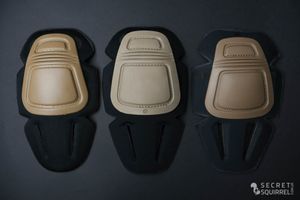
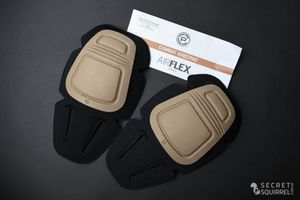
black kneepads on light sand camouflage;
-
a light beige backpack on a dark green uniform;
-
bright patches or accessories.
Even a small light or dark spot can "highlight" a silhouette from a distance.
Real-world scenario: A soldier in AOR1 (desert) enters a green zone. The light camouflage contrasts sharply with the background, acting as a marker instead of concealment. Result: detection by the enemy and increased risk of engagement.
Most effective camouflages use 3-5 similar shades rather than contrasting colors.

The Role of Grey in the Tactical Palette
Grey is one of the most underrated colors.
Its specific advantages:
-
In the city (concrete, asphalt, metal) – nearly ideal.
-
In mountains and rocky terrain – natural background.
-
In mixed environments – often works better than "pure" green.
Most effective variations:
-
wolf grey – light grey for the city;
-
urban grey – darker, closer to asphalt;
-
ash grey – universal mixed option.
Grey combines perfectly with coyote, black, dark green, and even tan.
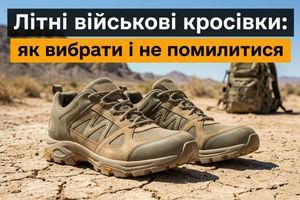
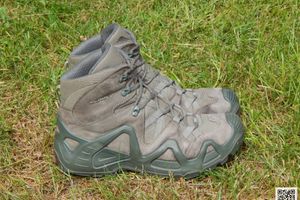
Footwear: A Critical Element of Color Balance
Footwear often gives you away more than the uniform.
Best options:
-
coyote – universal standard;
-
brown – forest and soil;
-
tan – dry conditions;
-
ranger green – dark vegetation.
Black footwear:
-
looks good in the city,
-
but in a field, steppe, or forest, it creates a sharp contrast and stands out from the picture.
Due to movement when repositioning, legs draw attention, so a poor footwear color choice is a frequent cause of detection.
Coyote brown became the standard in many world armies due to its sheer versatility.

Color Ratios and the Balance Rule
In tactical clothing, the proportion matters as much as the palette.
Base Scheme:
-
60-70% – Primary camo or uniform (e.g. MultiCam or Woodland);
-
20-30% – Gear (coyote, olive, ranger green);
-
10% – Footwear and small elements.
For example: MultiCam + coyote plate carrier + brown footwear – a balanced and universal solution.
Seasonality and Adaptation
Camouflage is always tied to the season and terrain:
-
summer – green spectrum (olive, ranger green, AOR2);
-
autumn – brown, yellow, coyote;
-
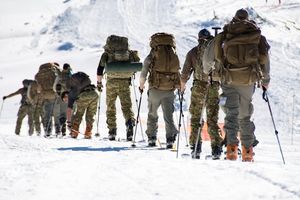
winter – light, grey-white solutions;
-
city – grey, black, navy blue.
There is no "universal camouflage", but MultiCam comes closest to this due to its adaptive palette.
Even dust or mud can improve camouflage, adjusting the color of the equipment to the terrain.
Common Mistakes in Color Combinations
The most common mistakes:
-
Wrong camo for the environment (e.g. Woodland in a steppe).
-
Black elements in a natural landscape.
-
Clothes that are too clean without natural wear and tear.
-
Mixing incompatible patterns (e.g. AOR1 + Woodland).
Critical example: Using dark Woodland in an open field or in a sandy area. Dark spots create a clear silhouette visible from a distance – this is a direct risk of detection.

Camo Comparison by Environment
Different camouflages were created for specific theaters of operation, and their effectiveness depends directly on how well they match the actual background. Below is a practical breakdown of the most common patterns.
Forest and dense vegetation
-
Woodland (M81) – One of the most effective in dense forests due to the combination of dark green, brown, and black. Works well in shade and wet environments.
-
AOR2 – A more modern version with a smaller pattern, better at "breaking up" the silhouette at medium distances.
-
MARPAT Woodland – Digital structure provides an advantage when moving and at different distances.
Obviously, Woodland and AOR2 are the top choice for forests, but Woodland works worse in open areas.
Steppe, field, dry grass
-
MultiCam – One of the best options because it combines green, coyote, and beige, adapting to the changing background.
-
ATACS FG/IX – Work well in mixed environments (grass + soil).
-
Flektarn – Can be effective, but is sometimes too dark.
What can we say: MultiCam is a universal leader, especially in Ukrainian conditions.
Desert and sandy conditions
-
AOR1 – Light sandy shades, minimal contrast, works well in open spaces.
-
Desert MARPAT – Slightly more contrasting, but effective at medium distances.
-
3-color Desert – Classic, but less adaptive.
As a conclusion: AOR1 is one of the best for dry climates, but completely fails in green zones.
Urban environment
-
Grey shades (urban grey, wolf grey) – The most effective due to matching concrete, asphalt, and metal.
-
Black – Works only in the shade or at night, often gives you away during the day. Even at night, black is not the best color. Navy blue or dark grey works better because the night sky and shadows usually have a bluish or graphite tint.
-
MultiCam – Can work, but is inferior to grey.
In reality, camouflage in the city often loses to plain grey solutions.
Mountains and rocky terrain
-
Grey + coyote – Optimal combination;
-
MultiCam – Shows stable results;
-
ATACS AU – Works well in dry mountain conditions.
Therefore, grey and light brown shades win due to the natural stone background.
Critical Point
Even the best camouflage loses its effectiveness outside its environment:
-
AOR1 in a forest – light spots become "beacons";
-
Woodland in a desert – dark contours are visible for hundreds of meters;
-
black in the wild – creates an unnatural contrast.
Remember: there is no such thing as "universal camouflage without conditions". There is only the right choice for a specific environment.

Tactical color combination is not about aesthetics, but about adaptation. From Woodland to MultiCam and the AOR series – every camouflage is created for specific conditions.
The main principles remain unchanged: minimum contrast, proper selection for the environment, and color balance. This is exactly what determines whether a camouflage works or exposes you.

Vitalii Buniak — article author
Military gear consultant
Before 2022, he worked as a sales assistant at the Panisher store. After the start of the full-scale invasion, he joined the Armed Forces of Ukraine, gaining real combat experience.
Thanks to his combat experience and deep knowledge of tactical gear, Vitalii serves as a personal expert of the Panisher online store in the fields of:
- Clothing and footwear
- Equipment
His recommendations help customers choose reliable and functional gear for any conditions.
FAQ. Answers to Frequently Asked Questions
1. What colors work best in tactical clothing?
2. Do I need a color matching table?
3. Can I use black?
4. Which camo is the most universal?