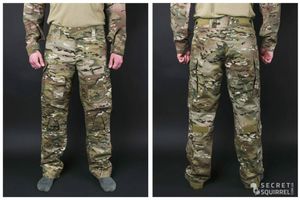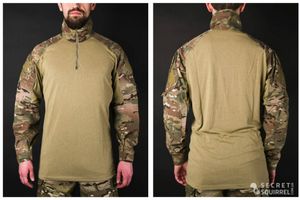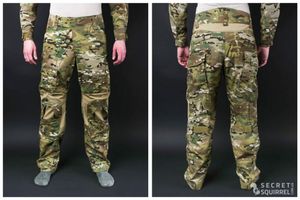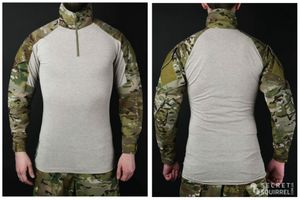
In modern combat, danger arrives not only in the form of shrapnel, bullets, or blast waves. Sometimes the greatest threat is something unseen until the very last second – fire. A secondary ammunition explosion, a vehicle catching fire, the detonation of fuel and lubricants, or the thermal impact following a blast can transform standard field uniforms into an additional source of injury.
This is precisely why military personnel in many countries are gradually shifting to specialized fire-resistant clothing. One of the most renowned manufacturers of such gear is the American company Massif – an official clothing supplier for the U.S. Armed Forces.
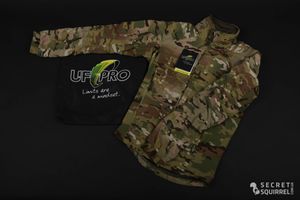
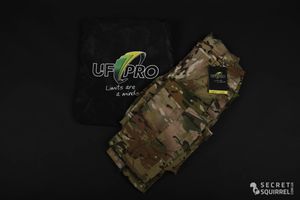
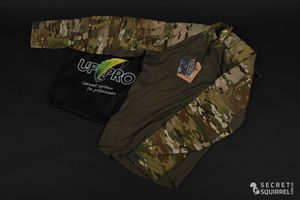
Today, accompanied by a guide from the Punisher military store, we will examine one of the brand's most popular models – the Massif Army Combat Shirt Type II FR, a combat shirt designed for personnel operating around vehicles, ammunition, and potential sources of ignition.
Why Standard Combat Uniforms Do Not Always Save the Day
Most modern field uniforms are sewn from synthetic or blended materials. They are durable, lightweight, quick-drying, and stand up well to intense field wear. However, synthetics possess one characteristic that is often remembered only after pyrotechnic training exercises or when working near an open flame:
If you hold a piece of nylon webbing to a flame, the fibers will begin to melt and turn into a hot, plastic mass. A similar process occurs with clothing containing a high percentage of synthetics.
In the event of a fire, the problem is not limited to the burn itself. The molten fibers literally fuse into the skin, which significantly complicates medical treatment and prolongs the recovery process. This next generation of fire-resistant clothing was created specifically to minimize such risks.
From Heavy Coveralls to Modern Combat Shirts
Just two decades ago, fire-resistant gear closely resembled the flight suits of pilots or firefighter equipment. It was bulky, poorly ventilated, and frequently worn directly over the primary uniform.
Real-world experience with various types of military clothing shows that spending long periods in heavy protective coveralls quickly leads to core body overheating. Sweat builds up inside, ventilation is virtually nonexistent, and physical exertion becomes significantly harder to endure.
Modern technology has fundamentally changed the situation. The Massif Army Combat Shirt Type II FR proves that flame resistance no longer equals discomfort.
A Design Engineered for Real Combat
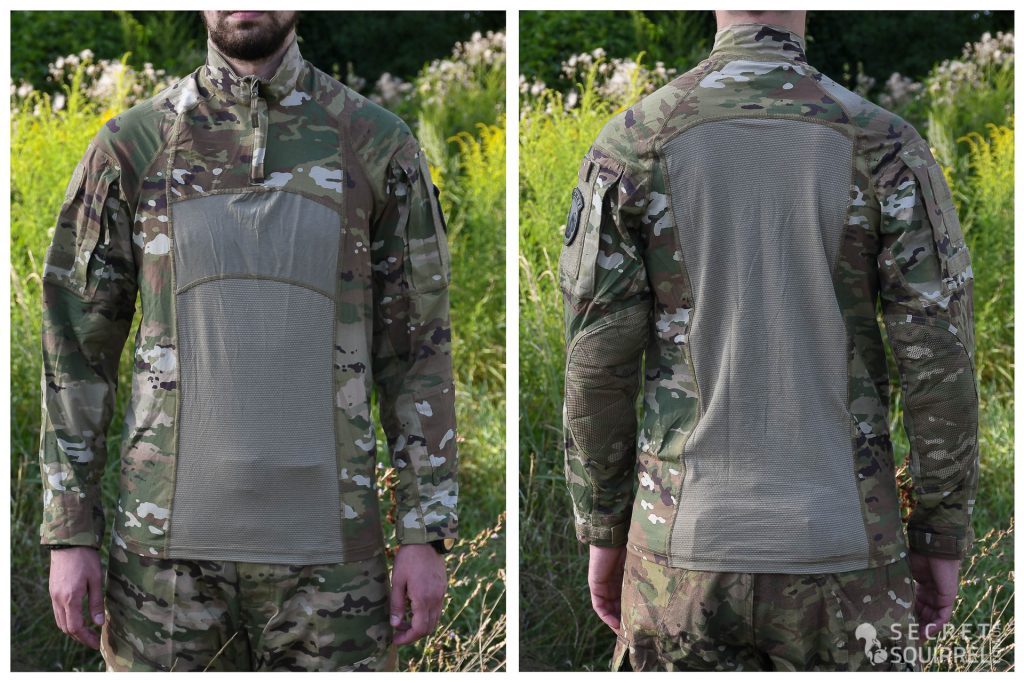
At first glance, this model resembles a classic combat shirt. But upon closer inspection, it becomes clear that every single element performs a specific task. Key features include:
-
fire-resistant materials meeting FREE (Fire Resistant Environmental Ensemble) standards;
-
an elevated mock neck collar;
-
YKK zippers on sleeve pockets;
-
hook-and-loop panels for insignia;
-
an integrated IFF marker;
-
elbow reinforcements using SuperFabric;
-
an efficient ventilation system;
-
design adaptation for wearing body armor and plate carriers.
A Smart Balance Between Protection and Comfort
One of the most intriguing features of the shirt is its combined construction:
-
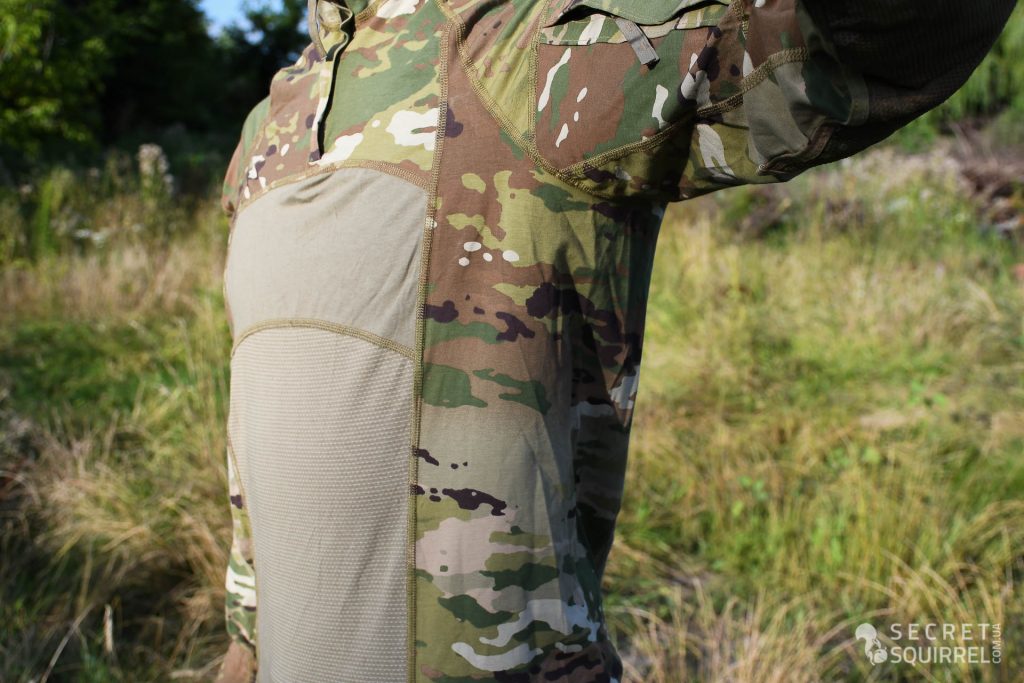
The torso is made of a lighter, fire-resistant material based on cotton, rayon, spandex, and polyester. Since this section sits beneath a plate carrier, its primary job is the efficient management of heat and moisture. The fabric actively absorbs sweat, distributing it over a large surface area to accelerate evaporation. Consequently, during prolonged wear of body armor, the difference is felt physically. The body experiences less overheating, and the shirt itself remains comfortable even in high temperatures.
-
The sleeves and shoulder area are constructed from a denser fire-resistant fabric with a high cotton content. These zones are the most likely to make contact with the surrounding environment and require additional protection.
The FREE (Fire Resistant Environmental Ensemble) program, for which Massif materials were created, was developed to improve soldier survivability when exposed to flame and high temperatures. Its implementation marked one of the largest updates to the U.S. Army's protective clothing in the 21st century.
A Collar That Protects More Than Meets the Eye
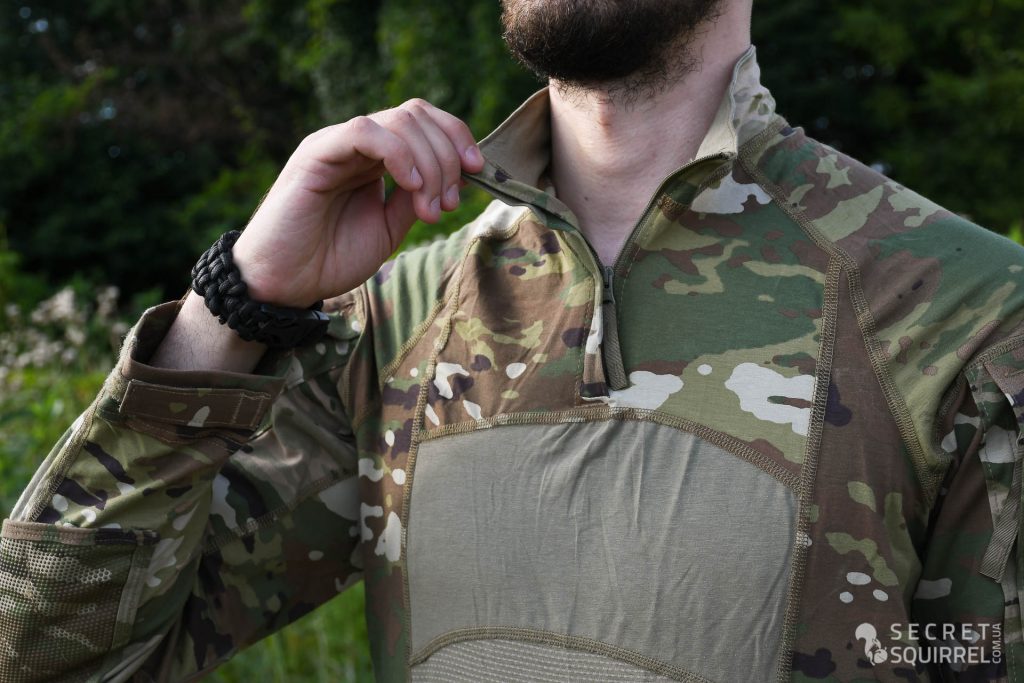
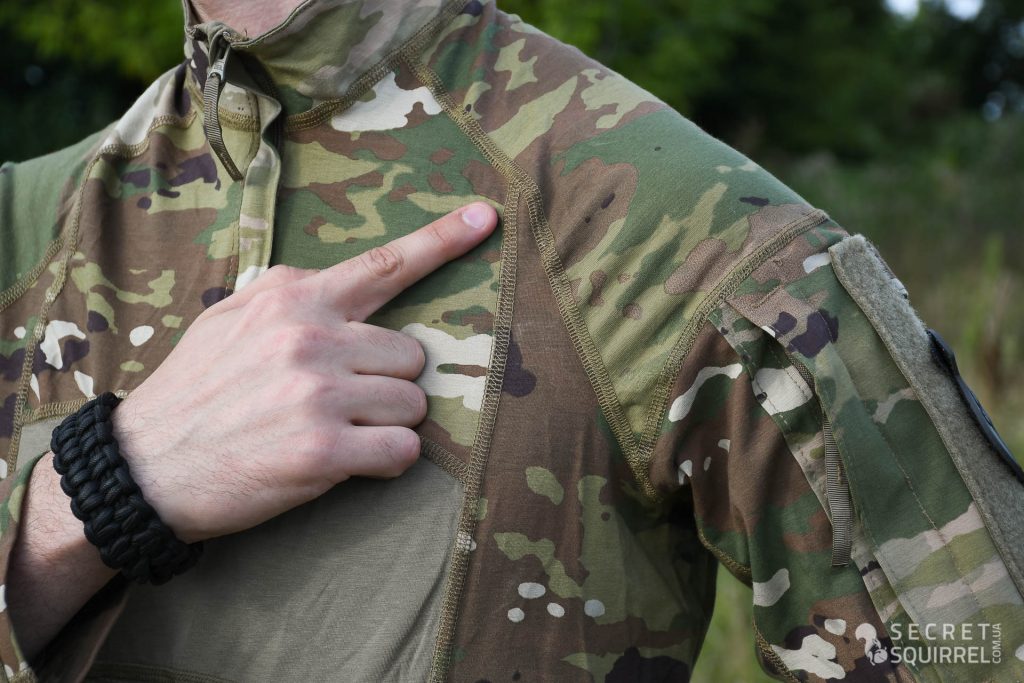
One of the main updates of the second generation was the modernization of the collar. Its height was increased to approximately 5 centimeters, thereby expanding the protected area of the neck. In practice, this delivers several advantages at once:
-
additional protection against thermal exposure;
-
a lower risk of sunburns;
-
protection against dust and small debris;
-
an extra barrier against insects.
To improve ventilation, a front zipper is utilized. When unzipped, it acts as a cooling valve, allowing excess heat to dump quickly.
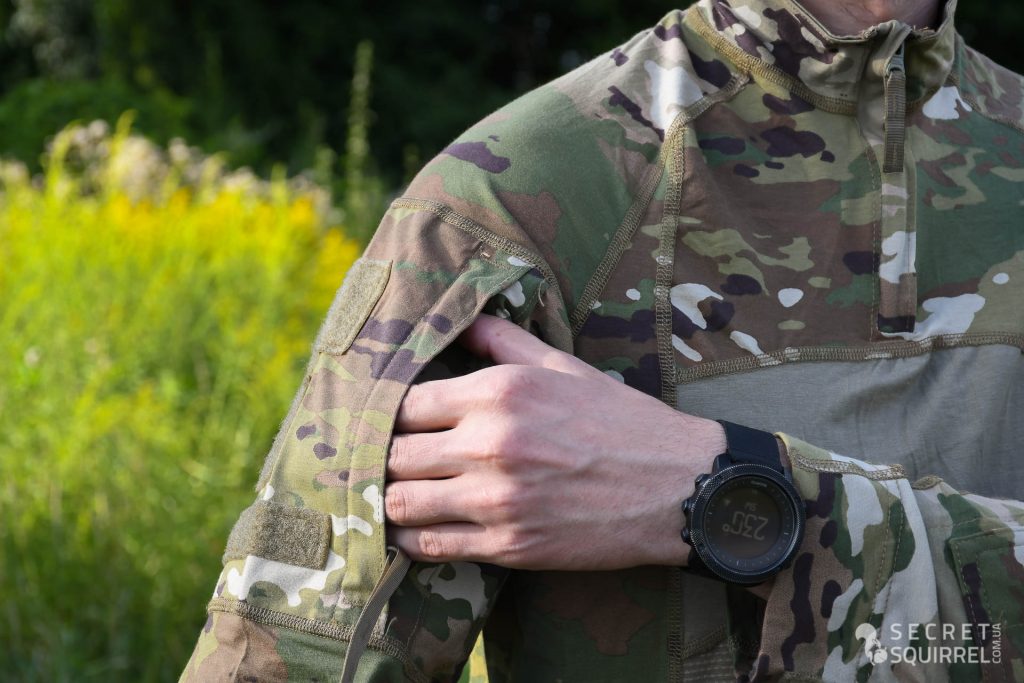
Sleeve Pockets and the Identification System
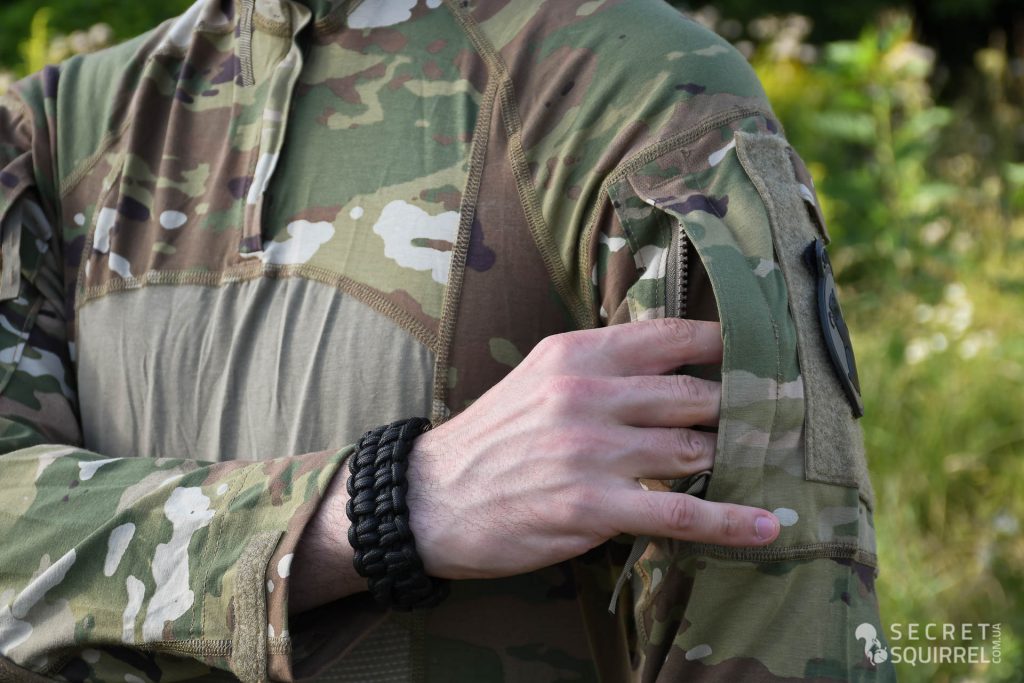
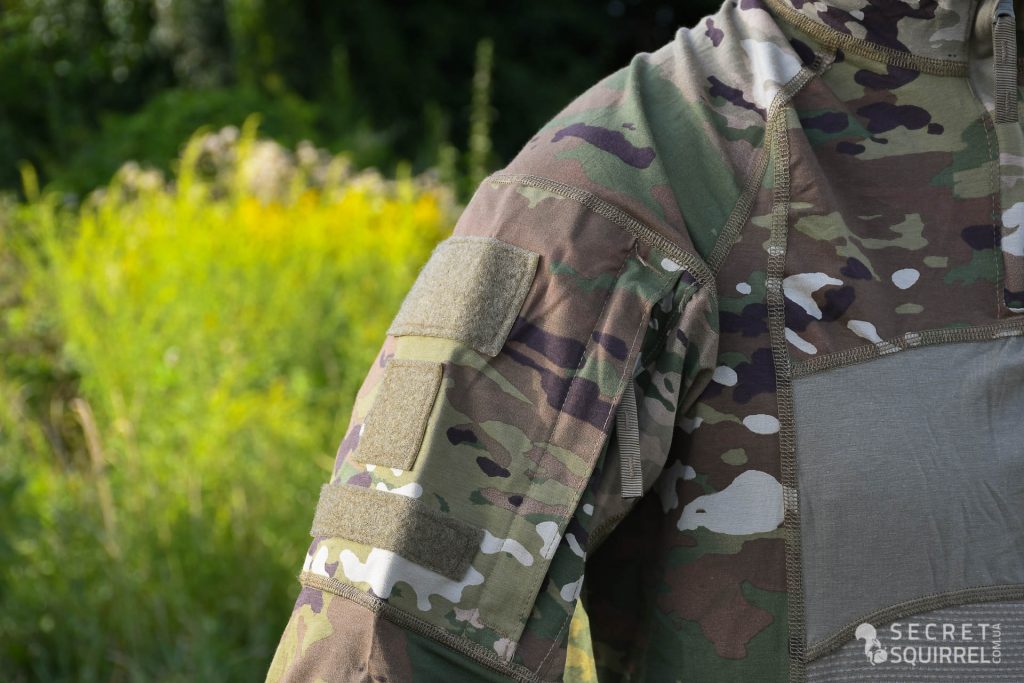
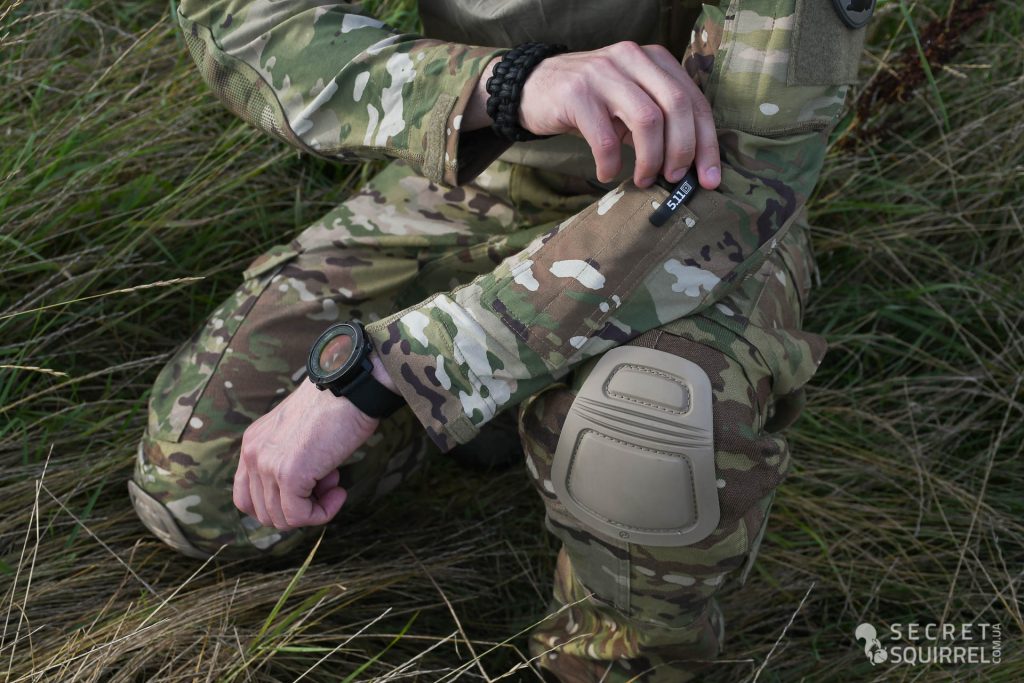
- The shoulders feature spacious pockets secured with YKK zippers, which have long been the gold standard for reliability in the tactical gear world.
- There is another pocket for office supplies on the left forearm.
-
The left side features a large platform for patches and unit insignia.
-
A particularly interesting detail is the hidden IFF (Identification Friend or Foe) marker. When using night vision devices, it allows for the rapid identification of friendly forces in the dark. If necessary, the marker can be concealed or exposed with a single movement.
-
There are three more panels on the right shoulder, secured with Velcro. Each has a specific purpose. The top one is for attaching a flag. The middle one is for attaching a rank chevron. The bottom one is for attaching a name patch.
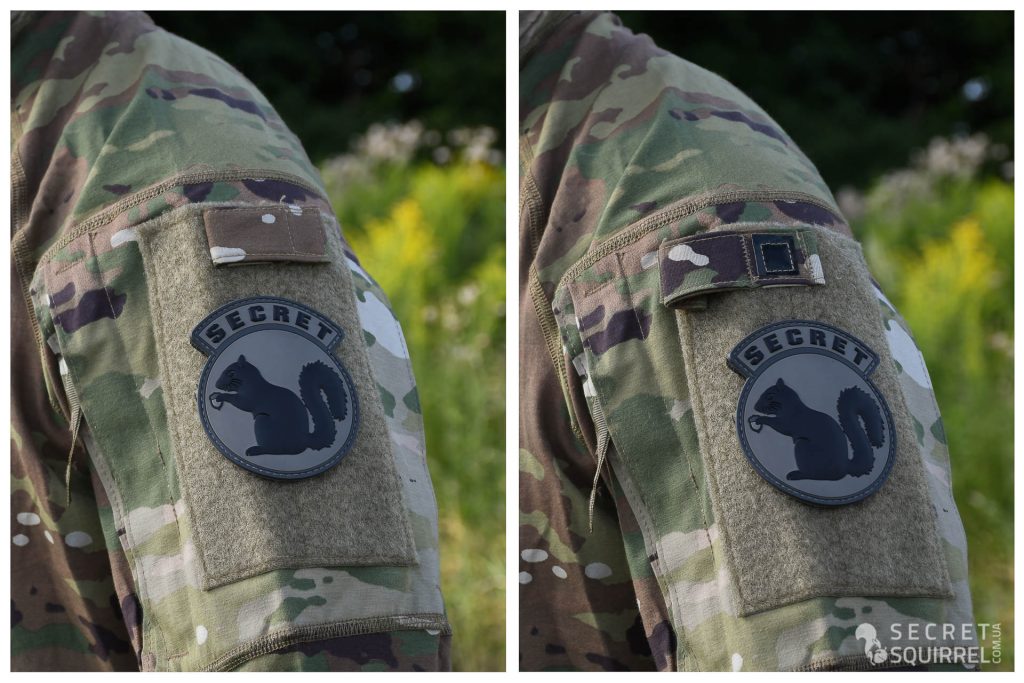
IFF markers are actively used by the militaries of many NATO nations during night operations. To an outside observer, they remain practically invisible, but through an NVD, they are clearly visible from a significant distance.
SuperFabric: Armor for Elbows Without Metal
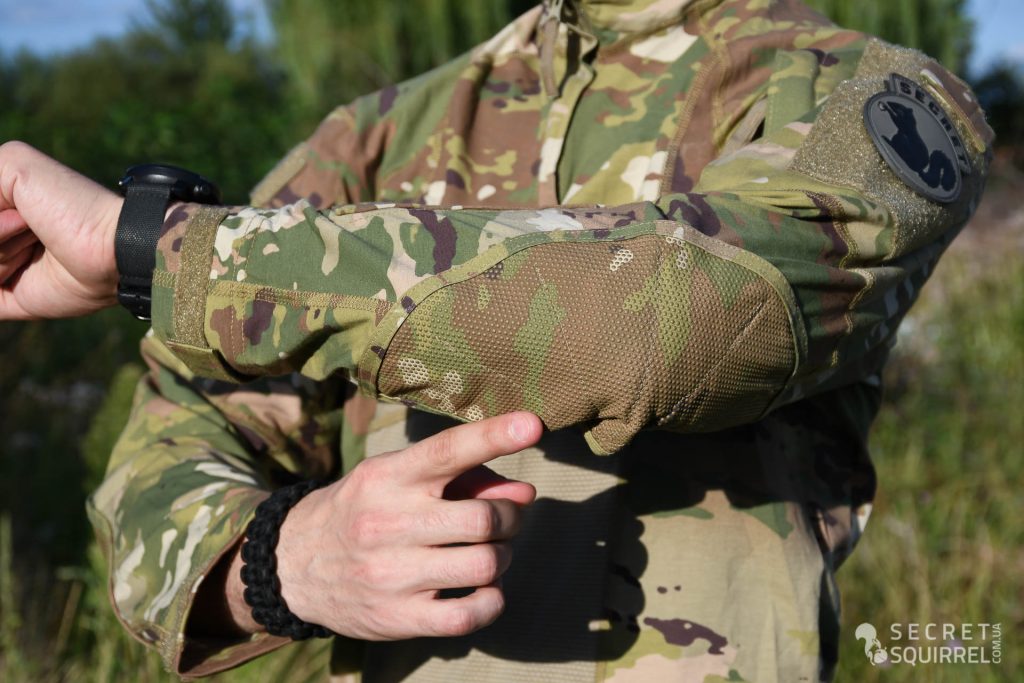
One of the highest-wear zones of any combat shirt is the elbows. When shooting prone, crawling, or operating around cover, they are the first to hit concrete, rocks, shrapnel, and metallic surfaces. In the Massif Army Combat Shirt Type II FR, this issue is solved through the integration of SuperFabric.
This material is renowned for its extreme resistance to abrasion and mechanical damage. Furthermore, it retains its protective properties under high temperatures and does not melt when exposed to open flames. From a practical standpoint, this translates into less wear on the shirt and added protection for the user during tasks.
Why Type II Works Better with Modern Plate Carriers
One of the key updates in the second generation concerns the layout of the ventilated panels. In the previous version, lighter sections of fabric could remain visible under compact plate carriers or skeletonized cummerbund systems. In the Type II design, the layout was modified so that primarily camouflaged elements remain visible on the exterior. For the end-user, this means better compatibility with modern plate carriers, less de-masking contrast, and a more uniform appearance of the gear setup.
At first glance, the change appears minor, but in field environments, it is exactly these small details that frequently impact camouflage effectiveness.
The vast majority of modern combat shirts are created on a simple principle: maximum ventilation where the body is covered by armor, and maximum durability where the fabric interacts with the environment. The Massif Army Combat Shirt Type II FR serves as one of the most prominent examples of this design philosophy.
Who the Massif Army Combat Shirt Type II FR Was Created For
The personnel who stand to benefit the most from this model are those regularly operating in high-risk ignition environments:
-
armored vehicle crews;
-
mechanized infantry;
-
tankers;
-
aircraft and helicopter crews;
-
marines;
-
combat engineers;
-
machine gunners;
-
combat ship and boat crews.
For these specific categories, even a few additional seconds of protection against flame exposure can be completely decisive.
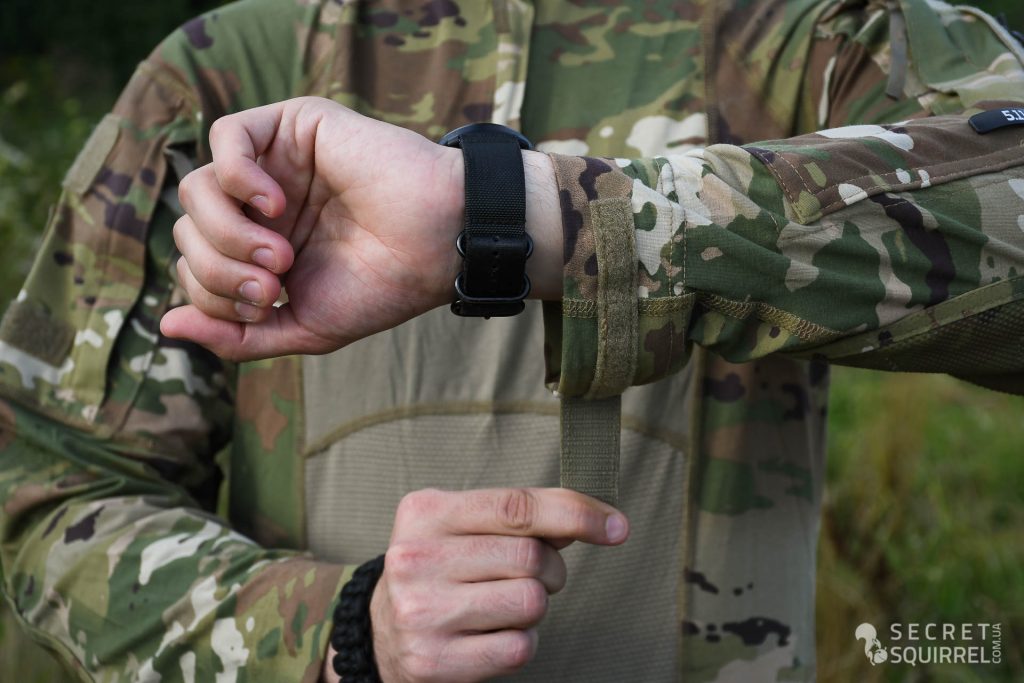
The Massif Army Combat Shirt Type II FR is not merely a high-quality combat shirt, but a specialized piece of protective equipment engineered for military personnel operating in environments with an elevated risk of fire and high thermal exposure. Thanks to the use of fire-resistant FREE materials, intentional ventilation, SuperFabric reinforcement, and seamless integration with modern body armor systems, this model successfully balances safety, comfort, and functionality.
If your line of duty involves armored vehicles, aviation, explosive ordnance disposal, or other fields where an ignition risk is present, the Massif Army Combat Shirt Type II FR will prove to be a much more justified investment than a standard combat shirt.

Vitalii Buniak — article author
Military gear consultant
Before 2022, he worked as a sales assistant at the Panisher store. After the start of the full-scale invasion, he joined the Armed Forces of Ukraine, gaining real combat experience.
Thanks to his combat experience and deep knowledge of tactical gear, Vitalii serves as a personal expert of the Panisher online store in the fields of:
- Clothing and footwear
- Equipment
His recommendations help customers choose reliable and functional gear for any conditions.
FAQ: Answers to Frequently Asked Questions
1. How does the Massif Army Combat Shirt Type II FR differ from a standard combat shirt?
2. Who is this shirt best suited for?
3. Can this shirt be worn during the summer?
4. What is SuperFabric?