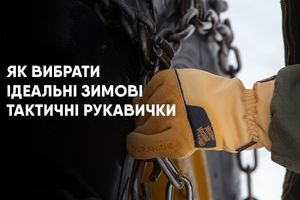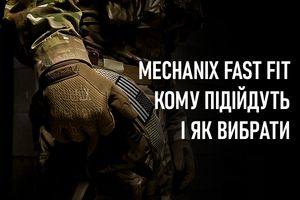
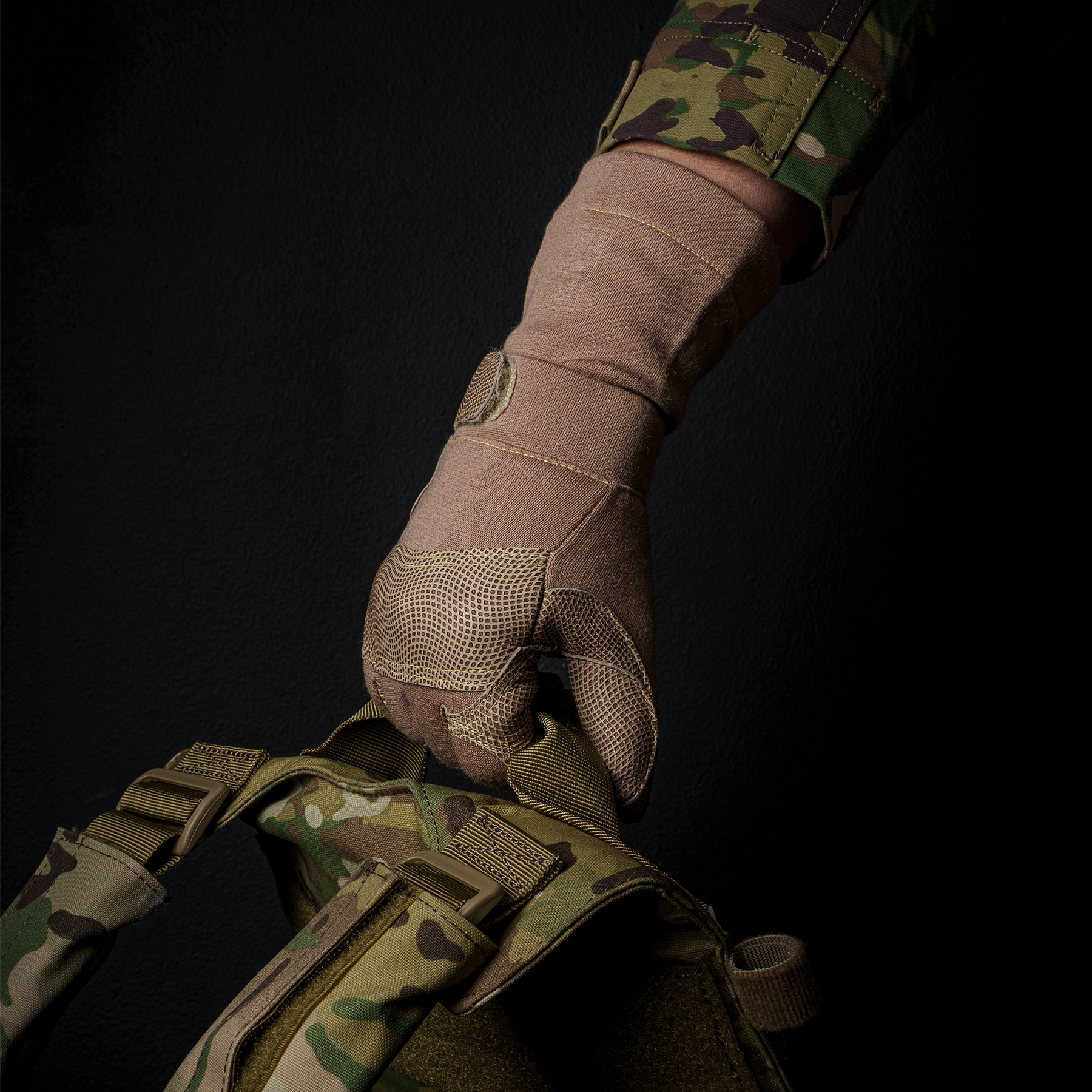
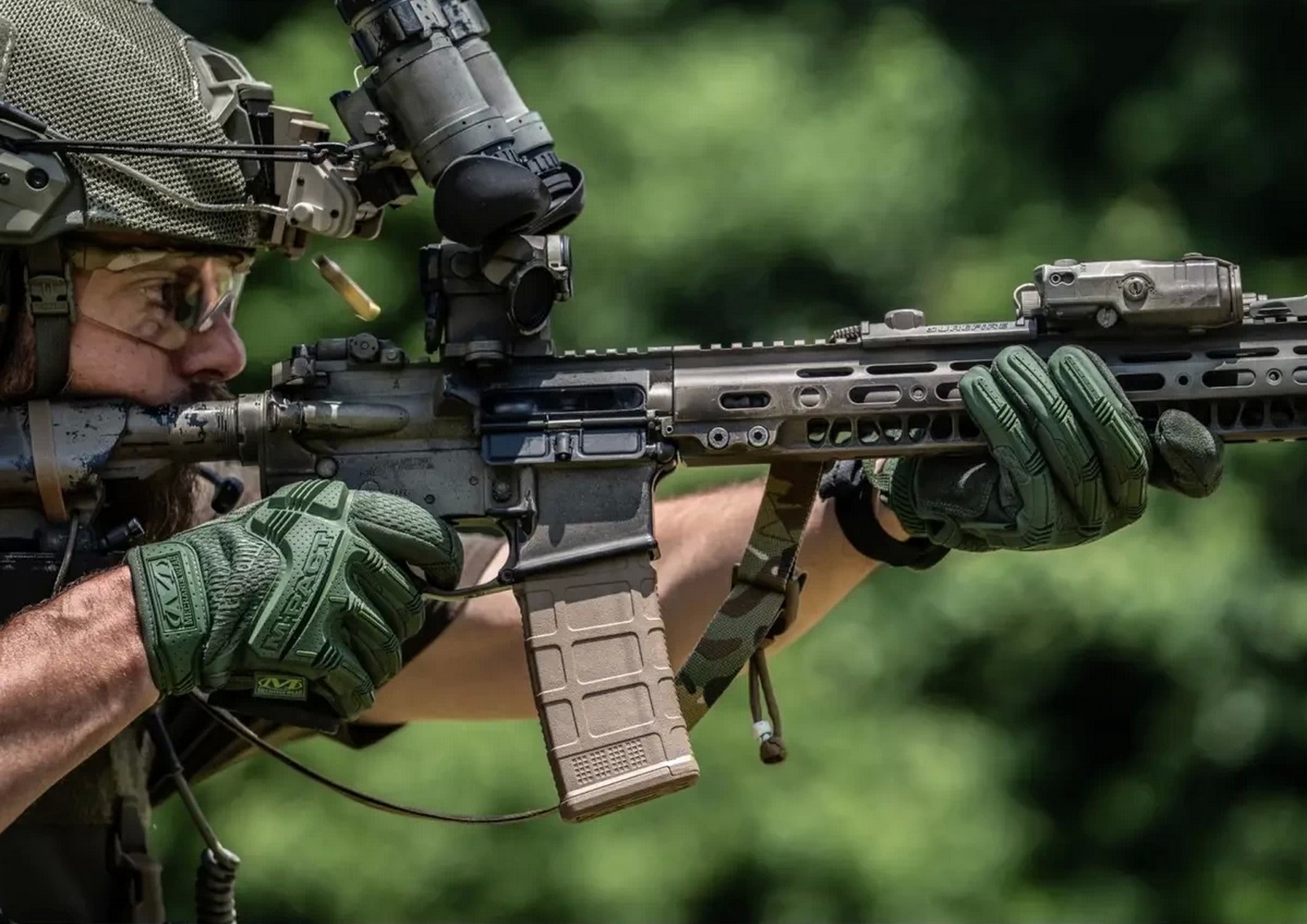
If you look at the gear of a soldier or a shooter from the side, most of the attention usually goes to the armor, helmet, footwear, or weapon. But there is one thing that is very often thought of as an afterthought – tactical gloves. And for no good reason. Because it is the hands that work constantly in field conditions: weapons, magazines, equipment, metal, cables, wood, hot surfaces, mud, frost, concrete, debris, evacuation, digging, vehicles. All of this very quickly demonstrates that good military gloves are not an "accessory" but a full-fledged element of protection.
From personal experience, our guide from the Punisher military store assures us that the difference between normal gloves and a cheap random model becomes noticeable after just a few days of active work. Especially when hands start to get chafed, cold, or slip on the weapon.

Tactical Gloves – It's Not Just About Shooting
When people look for tactical gloves for the first time, they often imagine something exclusively "for the shooting range". In reality, the spectrum of tasks is much wider. Today, AFU tactical gloves are used for:
-
working with weapons;
-
driving vehicles;
-
field work;
-
evacuation;
-
working with tools;
-
assault actions;
-
setting up positions;
-
working with UAVs;
-
serving in cold weather.
And this is where the main problem begins: universal models almost do not exist. Gloves that work perfectly at the shooting range can be uncomfortable for digging or working with heavy equipment. And warm winter models often reduce finger sensitivity. That is why the question of "how to choose tactical gloves" always comes down to the usage scenario.
During active shooting or working with equipment, a person's palm can lose sensitivity even without the cold – due to constant friction, vibration, and strain on nerve endings. That is why good tactical gloves for the military often have reinforcements in critical areas of the palm.
What Are Tactical Gloves and How Do They Differ from Regular Ones
One can often hear the question: "are tactical gloves just fashionable gloves"? In fact, no. Tactical gloves are specialized hand protection for working in high-load conditions. Their task is not only to keep warm, but also to:
-
Protect the skin.
-
Maintain grip.
-
Do not interfere with weapon handling.
-
Withstand abrasion.
-
Provide control over fine motor skills.
To put it simpler – regular gloves are made for comfort. Whereas tactical gloves, what are they? They are a working tool.

Materials: Why More Depends on the Fabric Than It Seems
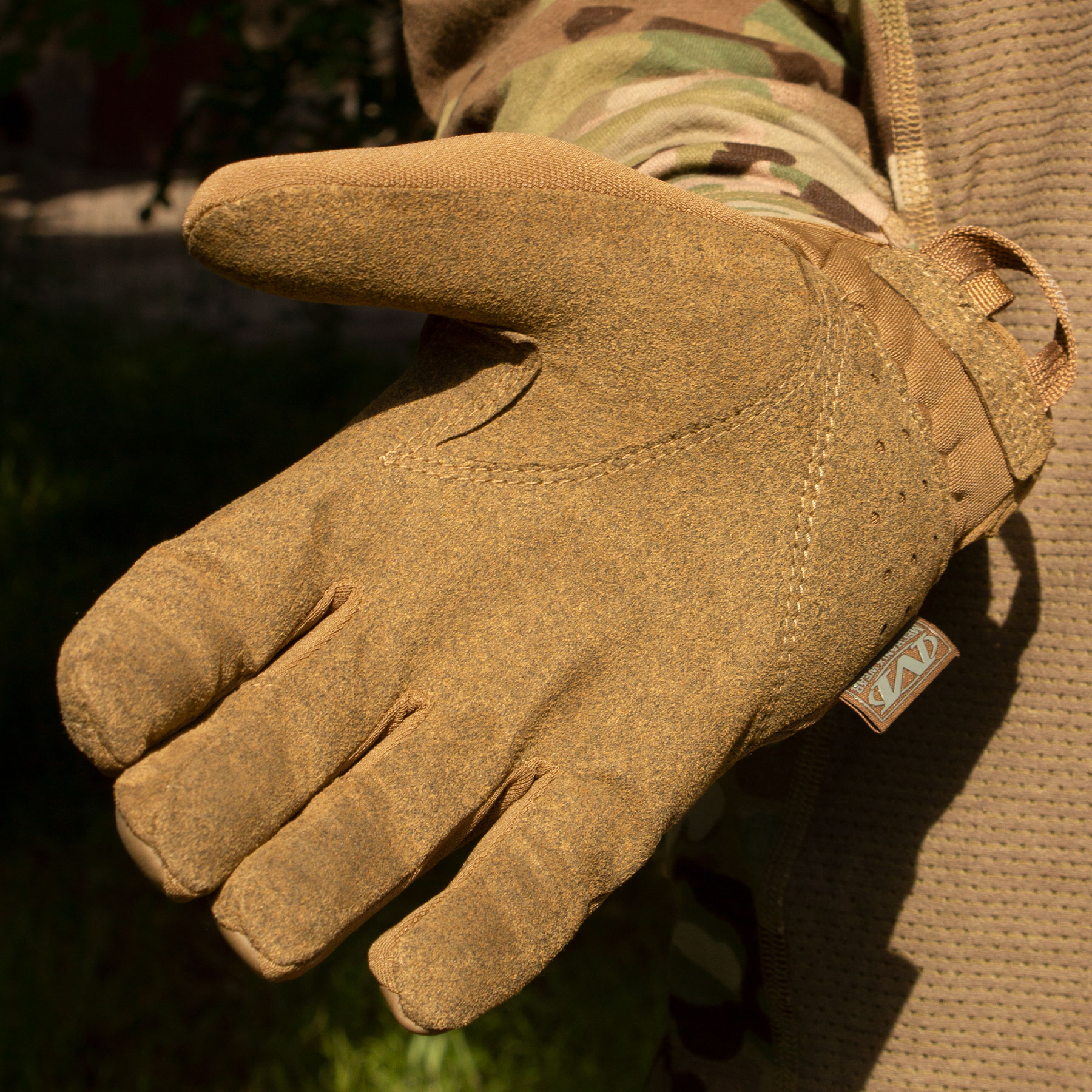
In field conditions, the material decides a lot. The cheapest models are often made of thin synthetics, which look beautiful in photos but quickly wear out on the palms or start to slip.
Good tactical gloves usually combine:
-
synthetic fabrics;
-
artificial or genuine leather;
-
elastic inserts;
-
reinforced threads;
-
protective pads.
For shooting, finger sensitivity is critically important. Especially if a person works with the trigger, magazines, or small elements of equipment. For field work, on the contrary, durability is more important. And here the difference between "shooting" models and gloves for heavy work is very noticeable.

Shooting Gloves: Why Excessively Thick Models Are Annoying
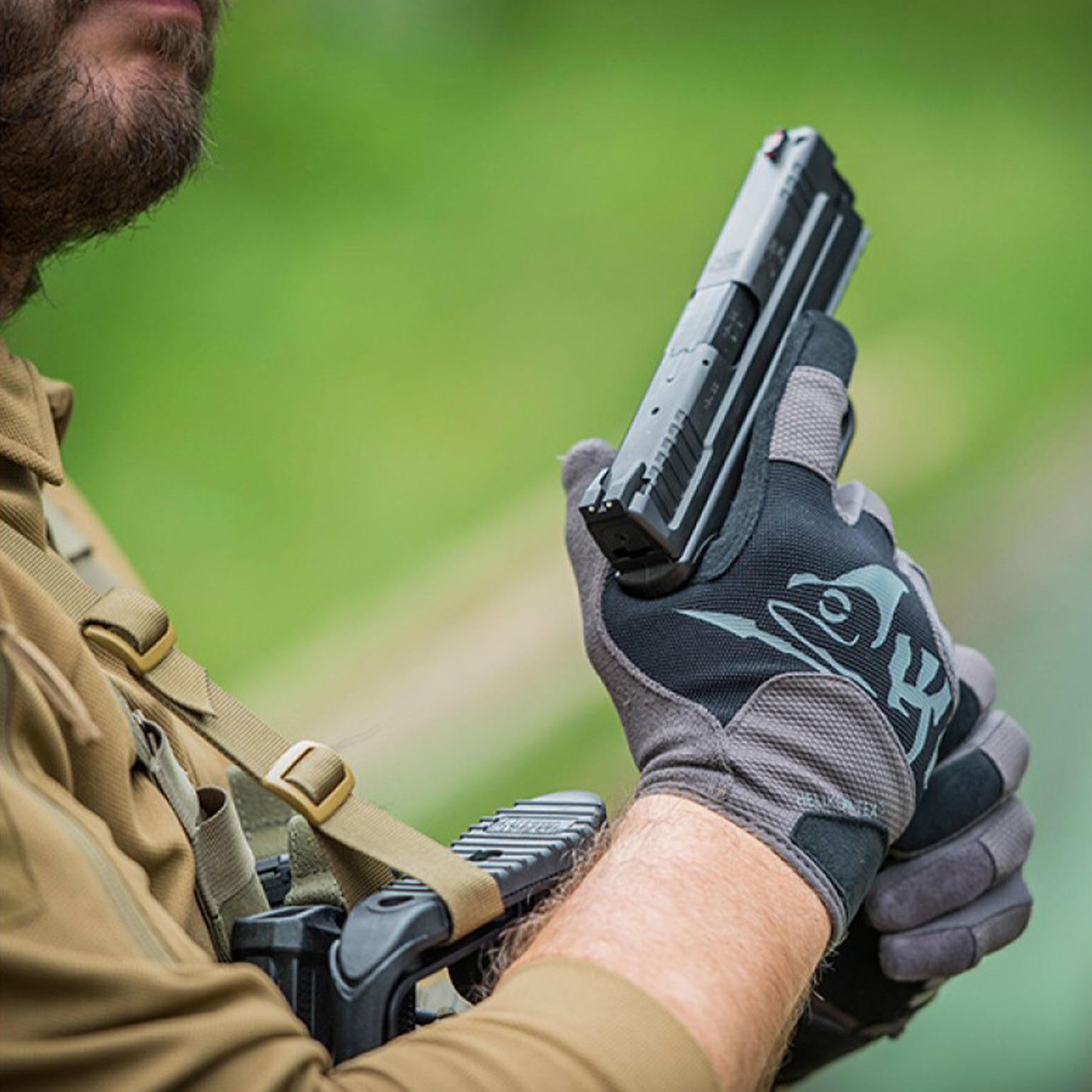
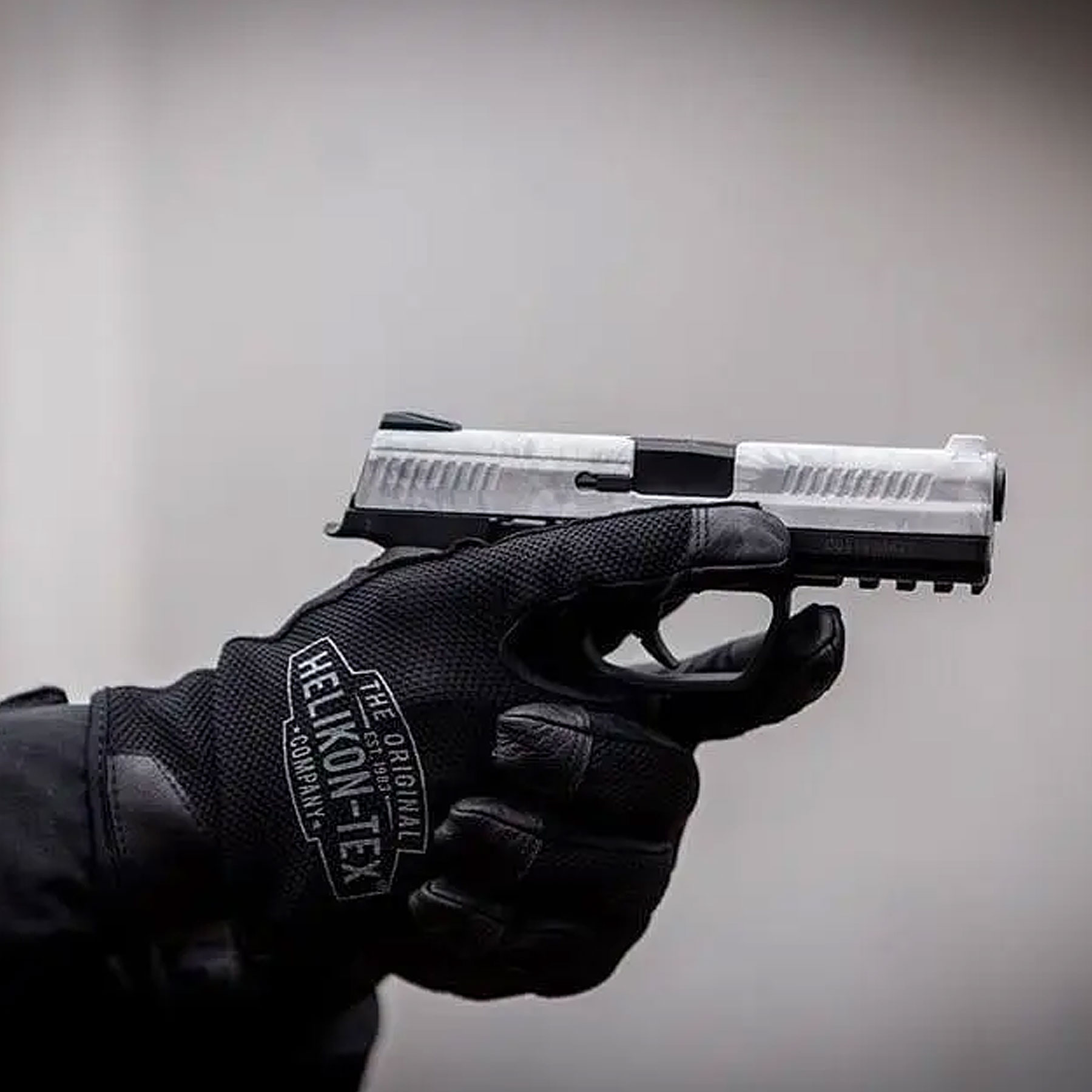
There is an interesting thing that you understand well only after long training sessions. Excessively thick shooting gloves tire the hand more actively and worsen weapon control. Especially during a quick magazine change or when working at short distances. That is why many shooters love lightweight tactical gloves with thin fingers and a good grip.
But there is a nuance. The thinner the model, the less protection against mechanical damage, hot metal, debris, and rough work. Therefore, balance here is very important.
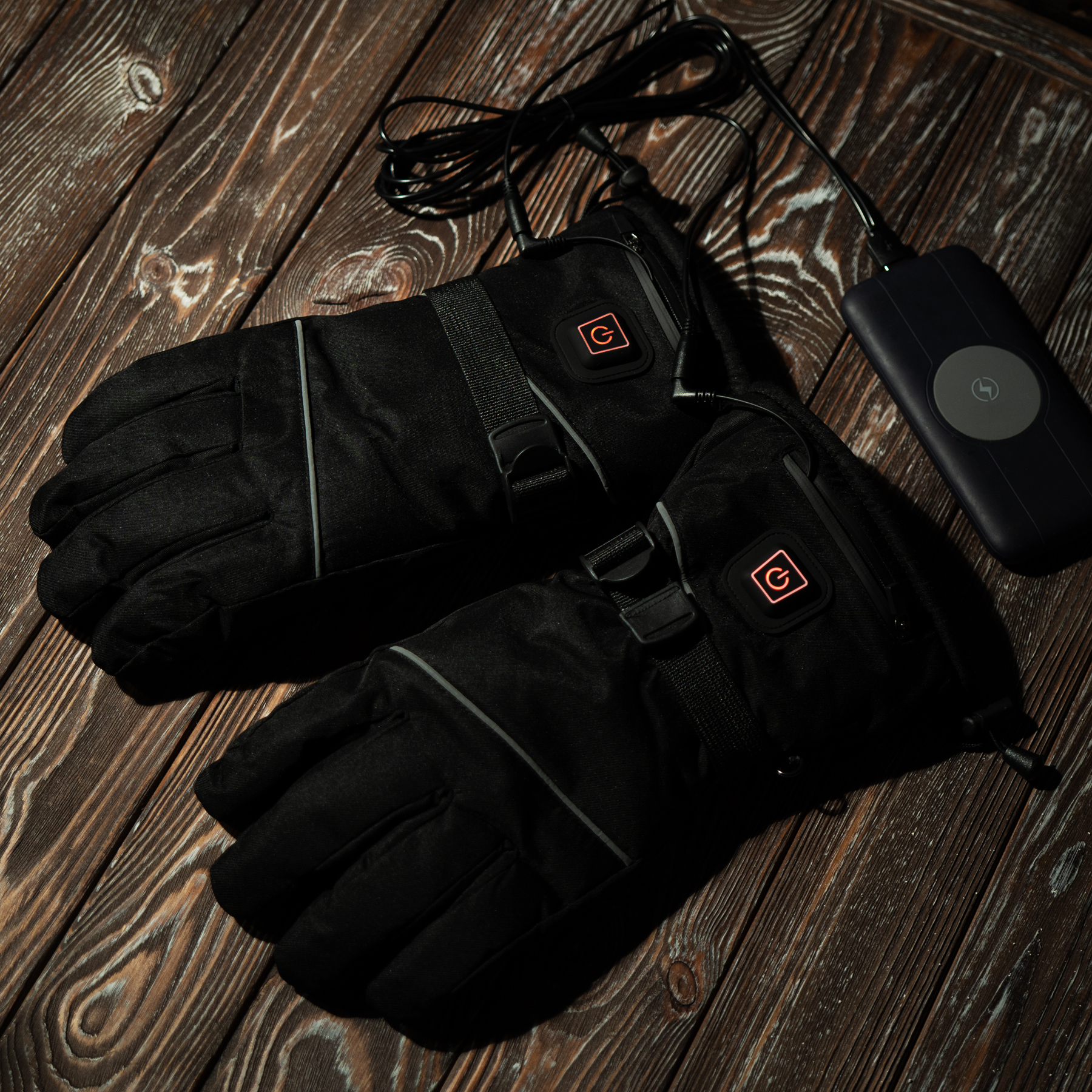
After prolonged contact with weapons or metal parts in cold weather, hands can lose sensitivity even without severe frostbite. Because of this, winter gloves for the military often have combined protection: insulation plus thin "working" fingers.


Hard Knuckle Protection: Needed or Not?
One of the most popular questions is whether knuckle pads are needed. Because for many, tactical gloves are associated with a "special forces style," with mandatory massive carbon inserts. But in practice, everything is more complicated.
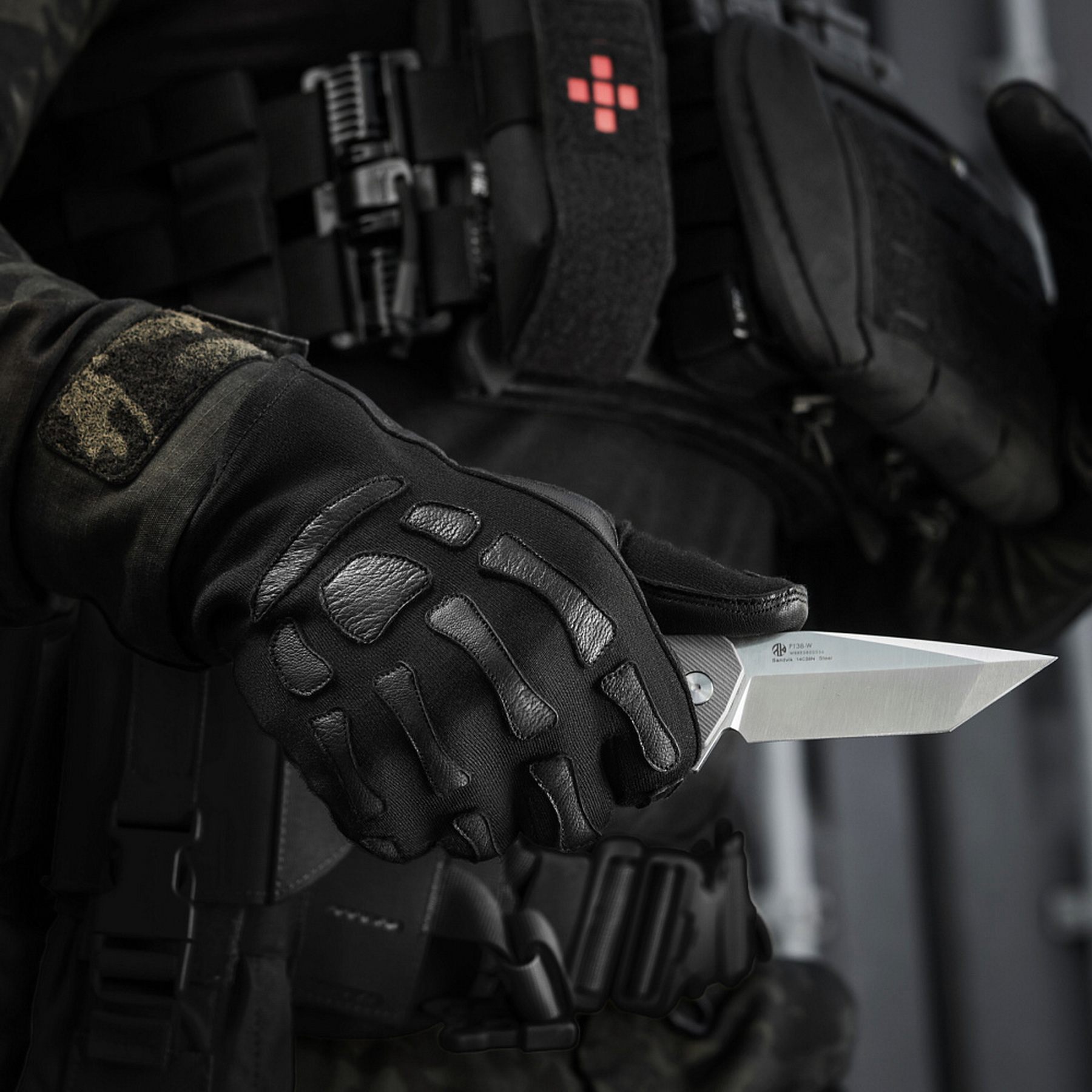
Hard protection really helps when working in vehicles, assault tasks, working among concrete or metal, and various kinds of mechanical impacts. But the downside is that such models are often less comfortable for prolonged shooting or fine motor skills. Therefore, for the training grounds and everyday work, many choose softer models without "armored" knuckles.
How to Determine Tactical Gloves Size
One of the most common mistakes is taking gloves "by eye". And then a person either cannot clench their hand properly, or the fabric begins to bunch up inside the palm.
How to determine the size of tactical gloves correctly? Remember the main thing:
-
The primary parameter is the palm circumference without the thumb.
-
But there is another important nuance: different brands have a different fit. Some models fit "tightly," others are looser. This especially applies to winter gloves. Therefore, before purchasing, it is advisable to refer to the manufacturer's chart.


Tactical Gloves Sizes: Why "Slightly Big" Is Not Always Good
There is a common myth that it is better to buy gloves with room to spare. In field conditions, this often plays against the user. Because oversized gloves:
-
worsen grip;
-
slip;
-
chafe;
-
interfere with weapon handling;
-
tire the hand faster.
This is especially noticeable during quick reloading or working with small elements of equipment.
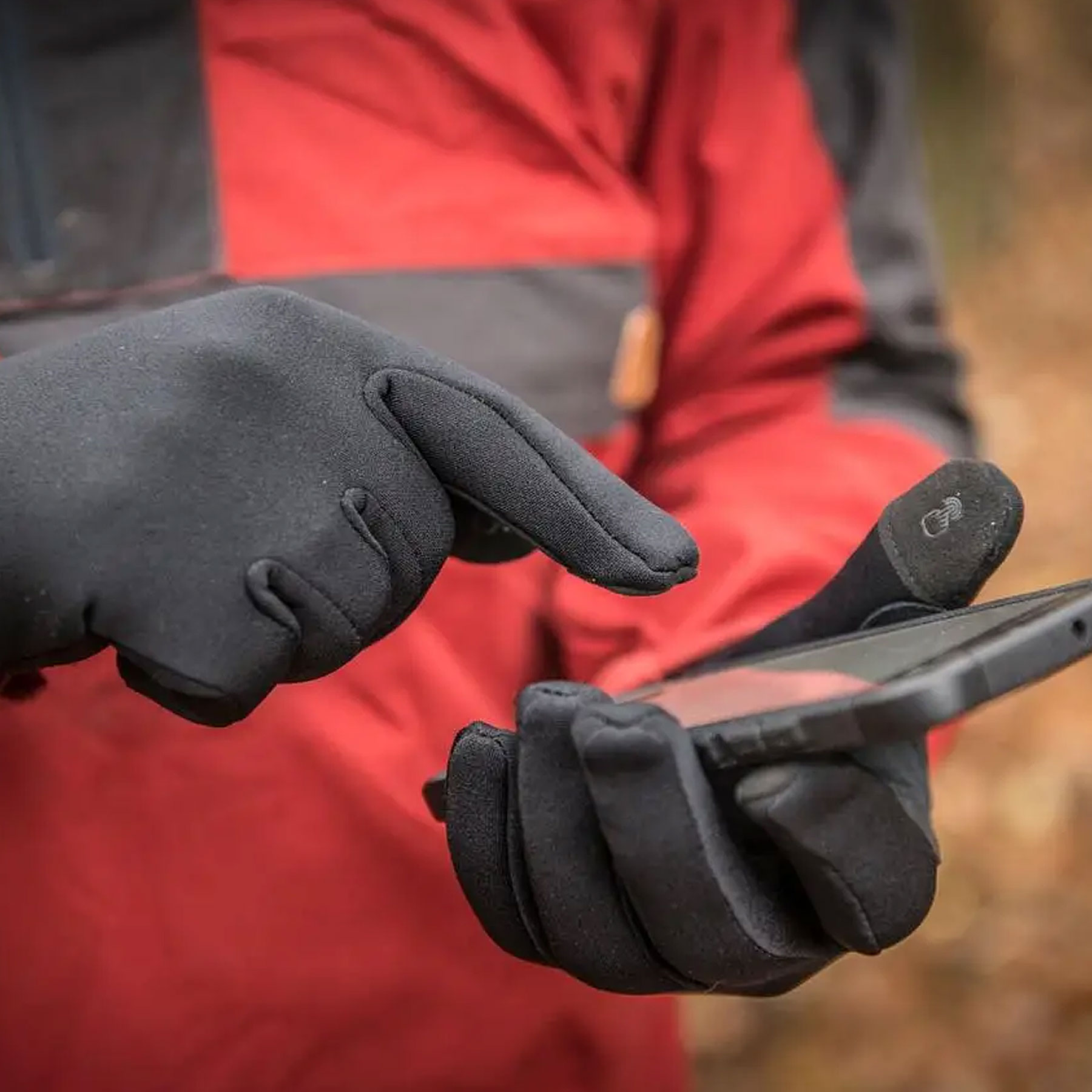
Some modern tactical gloves for the military have special inserts for working with touchscreens. And this is no longer "marketing," but a real need – due to the active use of navigation, tablets, UAVs, and phones in field conditions.


Which Tactical Gloves to Choose for Different Tasks
To be honest, the "best tactical gloves" do not exist in a vacuum. There are models for specific scenarios:
-
For shooting, people usually choose lightweight, thin, sensitive ones with a good grip.
-
For field work, denser ones with reinforced palms and abrasion resistance are suitable.
-
For cold weather, choose insulated, windproof models, but without excessive loss of motor skills.
And here it is important to honestly answer yourself: what exactly will you be doing in these gloves most of the time.
Tactical Gloves: How to Choose Without Overpaying for "Tact coolness"
A separate problem of the market is the huge number of models that are sold more because of their appearance than their functionality. A beautiful design does not mean that the gloves will withstand wet mud, concrete, daily shooting, working with machinery, and other field conditions.
From personal experience, I will say: sometimes simple and non-flashy models work much better than "super-tactical" options with a bunch of decorative elements.
Why Gloves Became a Standard for the AFU and the Military
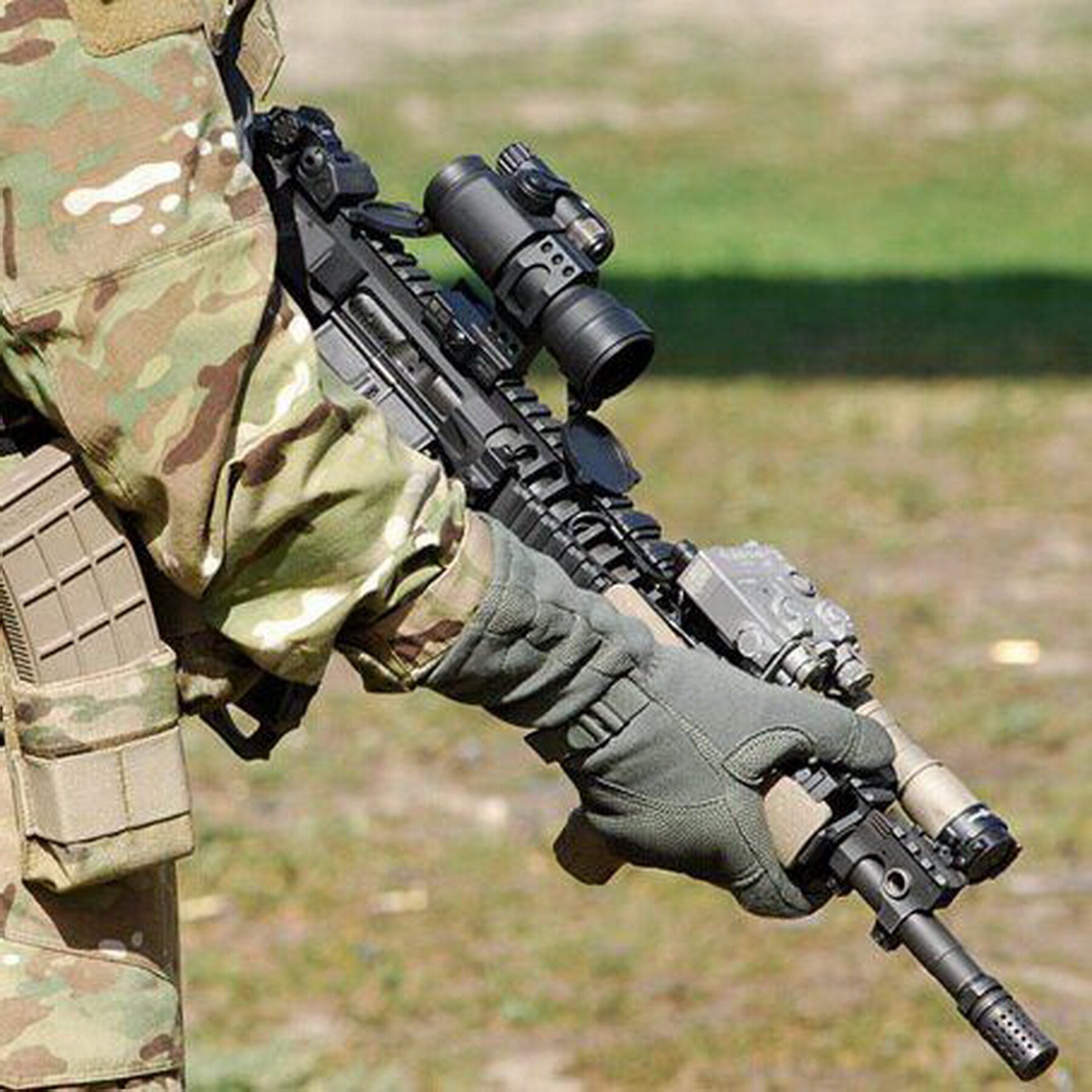
Today, AFU tactical gloves are practically a basic element of equipment. And the reason is simple. In real conditions, hands receive a constant workload. Especially in modern warfare, where a person simultaneously works with weapons, machinery, a drone, equipment, and transport. Good gloves here are not "for style," but basic comfort and protection.


Tactical gloves have long ceased to be just a "military accessory". Today, it is a full-fledged working tool, on which comfort, grip, speed of work, and even hand safety in field conditions genuinely depend. And the main thing here is not to chase a beautiful picture or a fashionable brand. It is much more important to honestly understand your tasks: shooting, service, cold, machinery, training grounds, or field work. Because properly selected gloves for the military quickly stop being noticed on the hands. But bad ones, on the contrary, remind you of themselves constantly.

Vitalii Buniak — article author
Military gear consultant
Before 2022, he worked as a sales assistant at the Panisher store. After the start of the full-scale invasion, he joined the Armed Forces of Ukraine, gaining real combat experience.
Thanks to his combat experience and deep knowledge of tactical gear, Vitalii serves as a personal expert of the Panisher online store in the fields of:
- Clothing and footwear
- Equipment
His recommendations help customers choose reliable and functional gear for any conditions.
FAQ: Answers to Frequently Asked Questions
1. What are tactical gloves?
2. How to determine the size of tactical gloves?
3. Is knuckle protection needed?
4. Are tactical gloves suitable for winter?