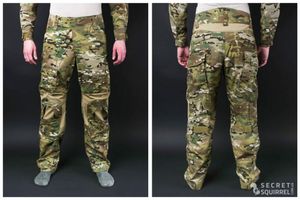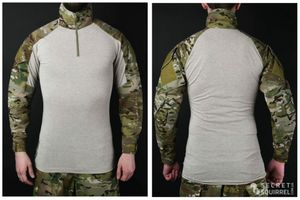
Combat pants are designed for tough conditions, but even the strongest fabric has its limits. Whether you are patrolling rough terrain, training hard, or operating in unpredictable situations, your pants are constantly exposed to dirt, moisture, UV rays, abrasive surfaces, heavy loads, and mechanical wear. However, a few helpful tips from the Punisher tactical clothing store will allow you to keep them intact and undamaged for a long time. Whether you are a tactical fighter, soldier, or field operative, there are ways to keep your combat pants as effective as they were on the first day of use. Over years of testing tactical equipment, we have found that proper care can extend the life of combat pants by 2-3 times. We'll let you know what you need to do below.

You need to understand what material combat pants are made of.
Material is a key factor that determines durability and care instructions. Therefore, when choosing military pants, it is extremely important to understand the composition of the fabric from which they are made. Here is how different materials used in tactical and combat pants perform during use:
|
Material |
Function |
Disadvantages |
|
Ripstop |
Reinforced structure that prevents tears. |
Melts easily when in contact with open flames or high dryer temperatures. |
|
Abrasion-resistant reinforcement (e.g. Cordura®) |
Reinforcement of abrasion zones (through friction) |
Scuffs appear faster if they rub against sharp edges or are subjected to heavy washing. |
|
Elastic inserts |
Mobility, freedom of movement |
Destroyed by bleach, heat or strong detergents |
|
NyCo (nylon/cotton) |
Air permeability and durability |
Shrinks at high temperatures (washing in too hot water, ironing with too hot an iron, etc.) and becomes brittle when dried in a dryer at high temperatures. |
Tip: The label is your product's technical passport, so always read the care instructions. This is your first line of defense against premature wear and tear. If you ignore the label, you will miss important information that directly affects the durability and performance of your combat pants.
Interesting fact:
Ripstop was originally developed as a lighter alternative to silk for parachutes during World War II. The fabric had to be strong, but at the same time light enough for soldiers to parachute safely without the risk of their equipment weighing them down. That is why a reinforced “grid” was woven into the structure of the material, which gave it the name Rip-stop.
This unique mesh structure still protects clothing from tearing and makes ripstop one of the most popular materials for military uniforms, tactical equipment, and outdoor clothing.
Safe cleaning: how to care for pants after use
After use, your combat pants may be covered in dirt, sweat, and salt. Therefore, proper cleaning is important for both hygiene and product durability.
Field example: After long marches in the heat, salt accumulates on the fabric. If it is not washed out, it crystallizes and acts as an abrasive, especially in the groin area and inner seams.
Proper cleaning:
- wash in cold or warm water (max. 30 °C);
- use a pH-neutral detergent (without bleach or fabric softener);
- close all Velcro fasteners, zippers, and buttons, and turn the pants inside out;
- do not wash the pants together with heavily soiled clothing to avoid additional soiling.

Incorrect cleaning:
- do not dry at high temperatures – this leads to deformation of elastic inserts and membranes;
- do not dry in direct sunlight – UV radiation weakens the fibers and causes colors to fade.
- Never dry clean – chemicals are too aggressive for most textiles.
Tip: After spending time in the jungle, pants often retain acidic moisture and bacteria, which damage the fibers over time. Rinsing in fresh water and drying in the open air in the shade will help neutralize this effect.
Tactical repairs: what can be fixed (and when to stop trying)
Even the best combat pants will eventually get damaged and worn out, especially in the field. Therefore, it is important to understand what types of damage exist and what repair methods are appropriate in a given situation.
Typical operational damage:
-
small cracks or punctures caused by spikes or stuck equipment;
- melted areas caused by accidental heat contact (e.g., with a weapon silencer or bonfire);
- seam separation in areas of high mobility, such as the groin or knee.
Expert repair tips:
|
Type of damage |
Advice on repair in the field |
|
Small cracks |
Use strong tape or patches of strong fabric + seam sealant. |
|
Torn seams |
Sew with waxed thread and a needle (saddle stitch works best). |
|
Melted areas |
Cut off the melted edge and glue a patch of heat-resistant material. |
Tip: Regularly check your pants for wear and tear in the knee, buttock, and inner thigh areas. These areas are subject to the most stress during movement.
It should be noted that all care and repair tips apply not only to pants, but also to most tactical clothing. In particular, tactical shorts also require careful care, as with intensive use and high stress, the fabric is prone to accelerated wear.
Recommended repair kit for pants

- 1 roll of Tenacious Tape or similar tape: this is a strong and flexible repair tape for use in the field. It sticks to most fabrics and is ideal for sealing small tears or abrasions on combat pants without sewing.
- 1 curved needle + strong thread: for permanent repairs, such as burst seams, or to reinforce areas of stress.
- 1 small tube of seam sealant: helps restore waterproofing after patching or sewing, especially useful for water-repellent fabrics.
- 1 plastic tie: a lightweight and compact tool that can be a temporary solution in case of damage to belt loops or for securing equipment to pants when sewing is not possible.
When repairing pants is impossible
Unfortunately, there are situations when certain areas of pants cannot be repaired, and you just have to accept it. This happens in the following cases:
- Several repaired areas reopen.
- Elastic inserts are constantly deformed or sagging.
- Thinning of the fabric at points of tension (knees, buttocks, inner thighs).
- Loss of water-repellent properties even after re-impregnation of the fabric.
How to properly store combat pants

Proper storage of combat pants is just as important as their correct use. Violation of storage conditions can lead to fabric damage, mold growth, and seam deformation.
Storage tips:
1. Always store pants in a dry and clean place, as even small pockets of moisture can cause mold to grow.
2. Use breathable bags or mesh bags instead of airtight plastic ones, unless you are only storing them for a short time.
3. Protect pants from direct sunlight to avoid UV damage and fading.
4. Fold them along the natural seams, especially at the knee joints or in reinforced areas, to avoid prolonged fabric wear.
5. If possible, do not store pants in the trunk of a car or in a damp basement, where temperature and humidity fluctuate too much.
6. If you wear different combat pants, it is more convenient to label them and store them according to their condition — for example, “used in wet conditions,” “for dry operations,” or “needs repair.” This will help you organize your storage better and quickly find the pants you need.
Environmental impact: how mission conditions affect the service life of combat pants
Your combat pants will wear differently depending on the terrain. Operating conditions can accelerate or slow down the wear process.
It is recommended to adapt the care of combat pants to the environment.

|
Surroundings |
Impact on pants |
How to protect against wear and tear |
|
Arctic/Cold |
Fabric hardens and develops micro cracks when frozen |
Thaw slowly at room temperature and dry naturally outdoors; never dry in a hurry over a fire or battery. |
|
Jungle/Wet. |
Mold, bacterial damage, pH disturbance |
After a mission, wash your pants and dry them inside a mesh tent or on an elevated platform - there they will air out well and be protected from rain and dirt at the same time. |
|
Desert/Drought |
Fine particles clog vents and wear out seams. |
Shake out dust and debris well every day; if possible, use a can of compressed air to clean sand and dust from your pants. |
|
Urban environment |
Tearing and abrasion of fabric caused by contact with concrete, metal surfaces or assault tools. |
For additional protection of the knee and thigh area, use modular inserts or protective overlays. |
Caring for the key elements of combat pants
Combat pants are not just part of a uniform, but a well-thought-out system in which each component plays its own role. To ensure that your pants last longer and provide maximum comfort, it is important to take care of their main parts:

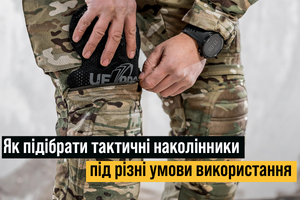
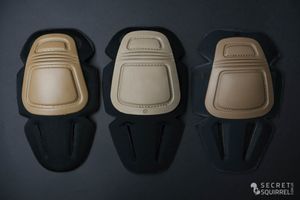
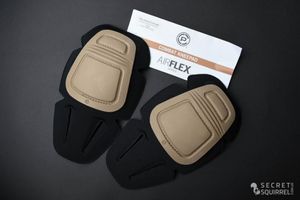
1. Knee pad inserts. You should:
- always remove them before washing your pants;
- regularly check that the knee pads are not deformed from constant pressure during use and that they do not slip out of place when moving;
- If the knee pads have hardened, replace them; do not risk knee injury or limited mobility.
2. Ventilation zippers: regularly wipe them clean of dust and apply silicone or graphite-based lubricant to the zipper.
3. Water-repellent coating (DWR impregnation):
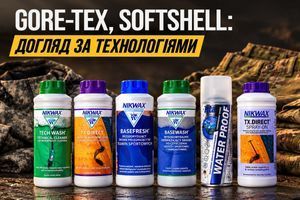
- to maintain effective moisture protection, renew the water-repellent impregnation every 2-3 months, especially after intensive use or frequent washing of pants;
- use a water-repellent spray or laundry additive, whichever is more convenient for you;
- for best results when choosing a water-repellent spray, always follow the instructions on the product packaging and apply it only to clean and dry fabric.
Conclusion
Field experience with tactical pants shows that this piece of equipment is much more than just a part of a uniform. In real-life conditions, combat pants are the first line of defense against mechanical damage, moisture, friction, and sudden temperature changes. That is why proper care for them is not a recommendation but a necessity.
In order for tactical pants made of Cordura, ripstop, or other reinforced materials to serve their purpose fully, it is important to follow the correct care instructions.
Remember: improper care can seriously damage even the strongest Cordura or ripstop, and a worn water-repellent coating loses its effectiveness at a critical moment. Regular inspection, timely re-impregnation, cleaning of hardware, and careful storage significantly extend the life of your pants and help them perform their function where it matters most. Attention to detail is what ensures the durability and full potential of your gear.


Vitaly Bunyak — author of the article
Military consultant
Until 2022, he worked as a salesperson at the Panisher store. After the full-scale invasion began, he joined the Armed Forces of Ukraine, gaining practical experience on the battlefield.
Thanks to his combat experience and in-depth knowledge of equipment, Vitaly is Panisher's personal expert on:
- Clothing and footwear
- Equipment
His recommendations help customers choose reliable and functional equipment for all conditions.