There are items in tactical gear that seem like trifles at first glance. After all, it's just a piece of fabric or rubber on a Velcro backing. It’s not armor, not a first aid kit, not a tourniquet, and not even a pouch. But spend even a little time among soldiers, instructors, volunteers, hikers, or shooters, and you quickly realize: patches have long since become something much more than just a "patch on a plate carrier."
Today, a patch is simultaneously identification, internal communication, psychology, humor, unit symbolism, and even a way to maintain morale in harsh conditions. Moreover, it is a distinct culture that has moved far beyond the military. As usual, a guide from the Punisher military store will help us understand the latest style trends.
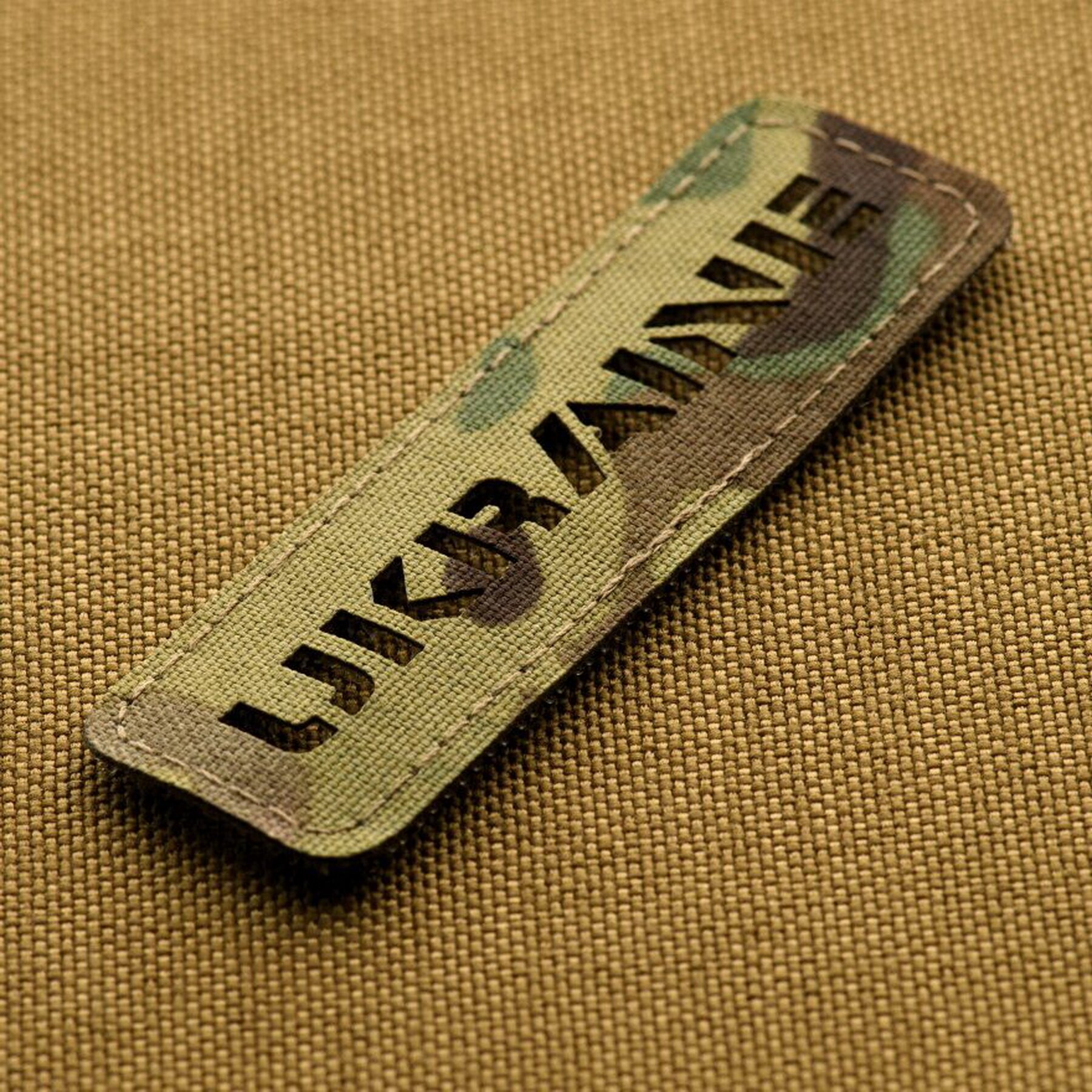
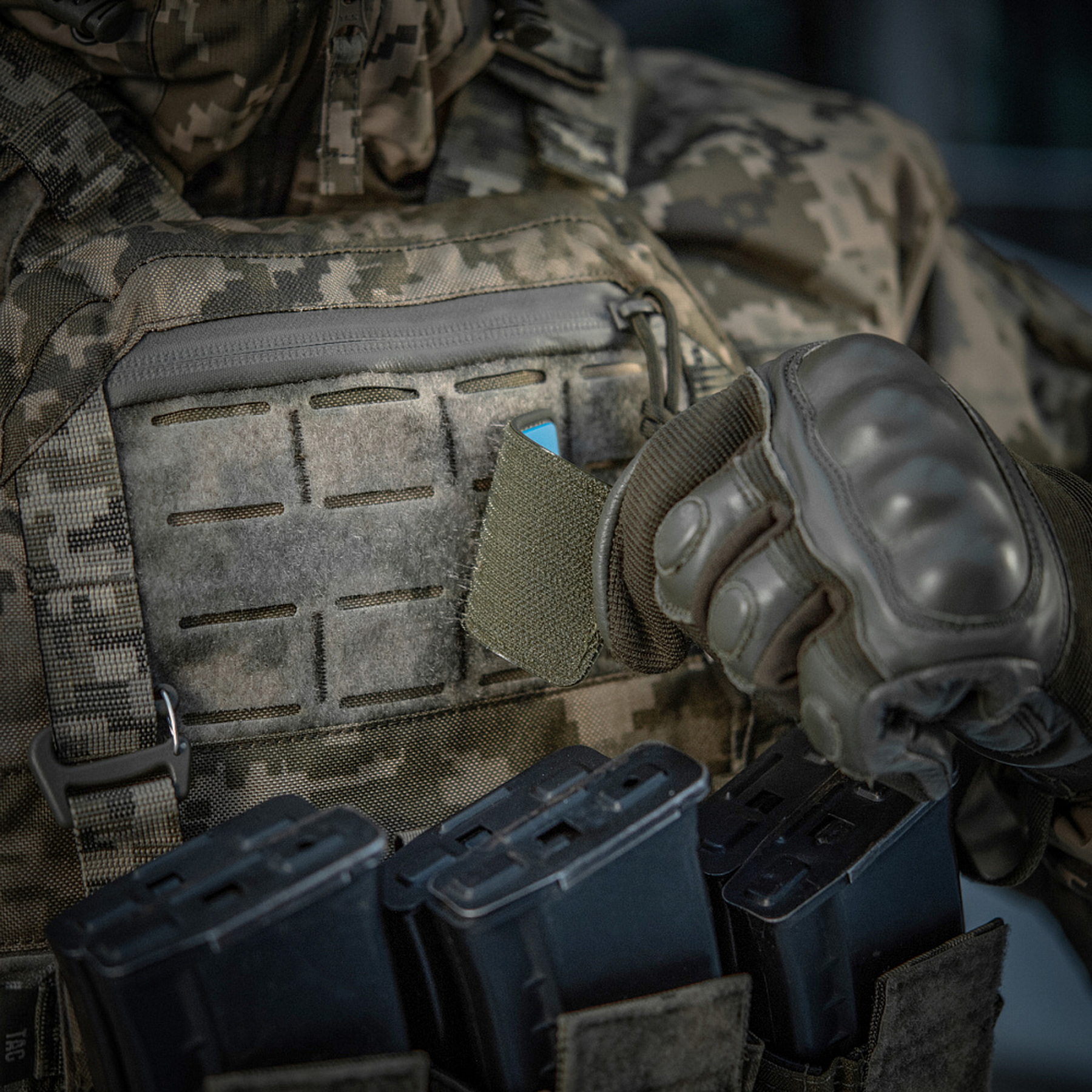
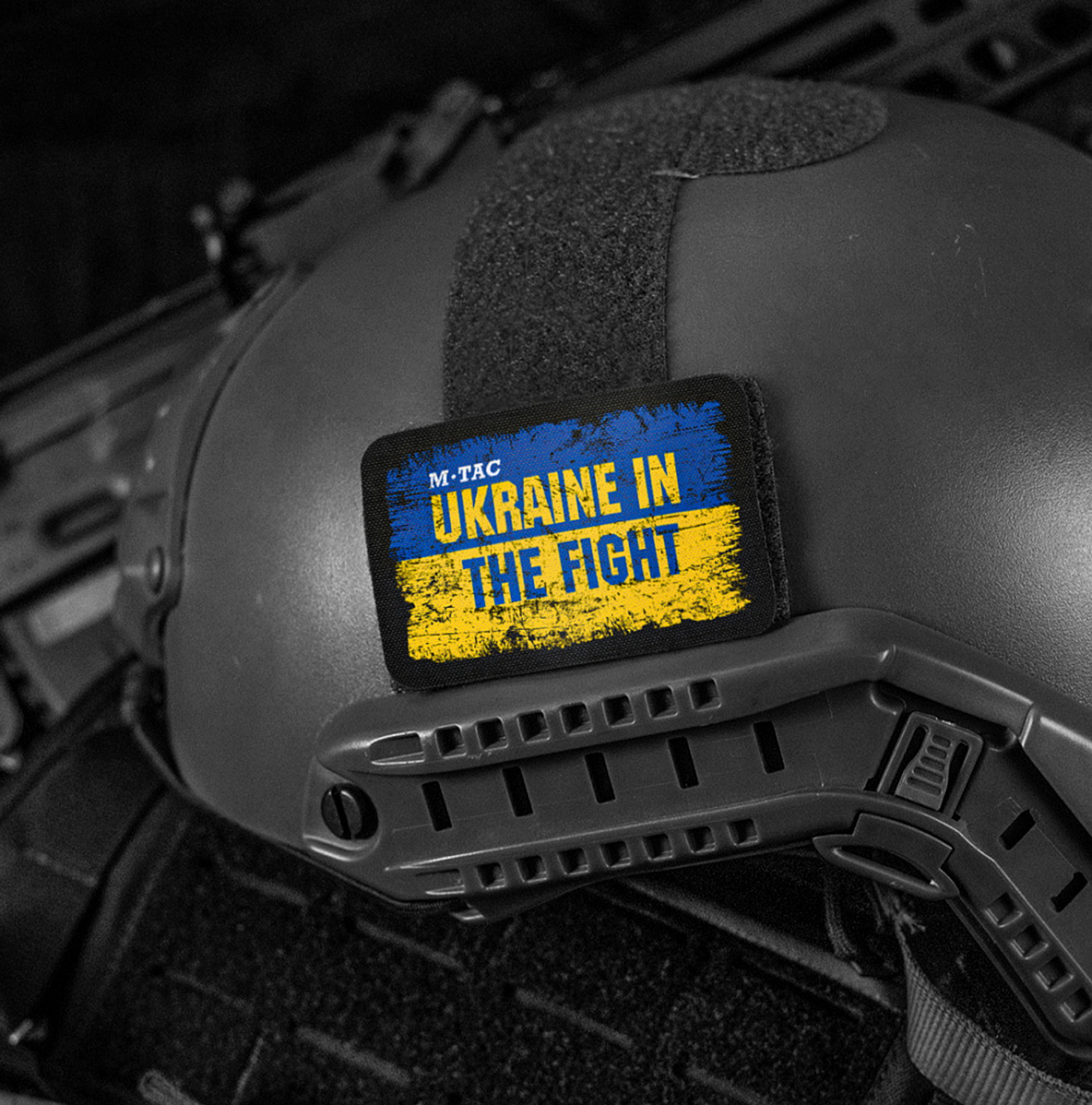
Not Just a Chevron: Why Patches Became So Popular
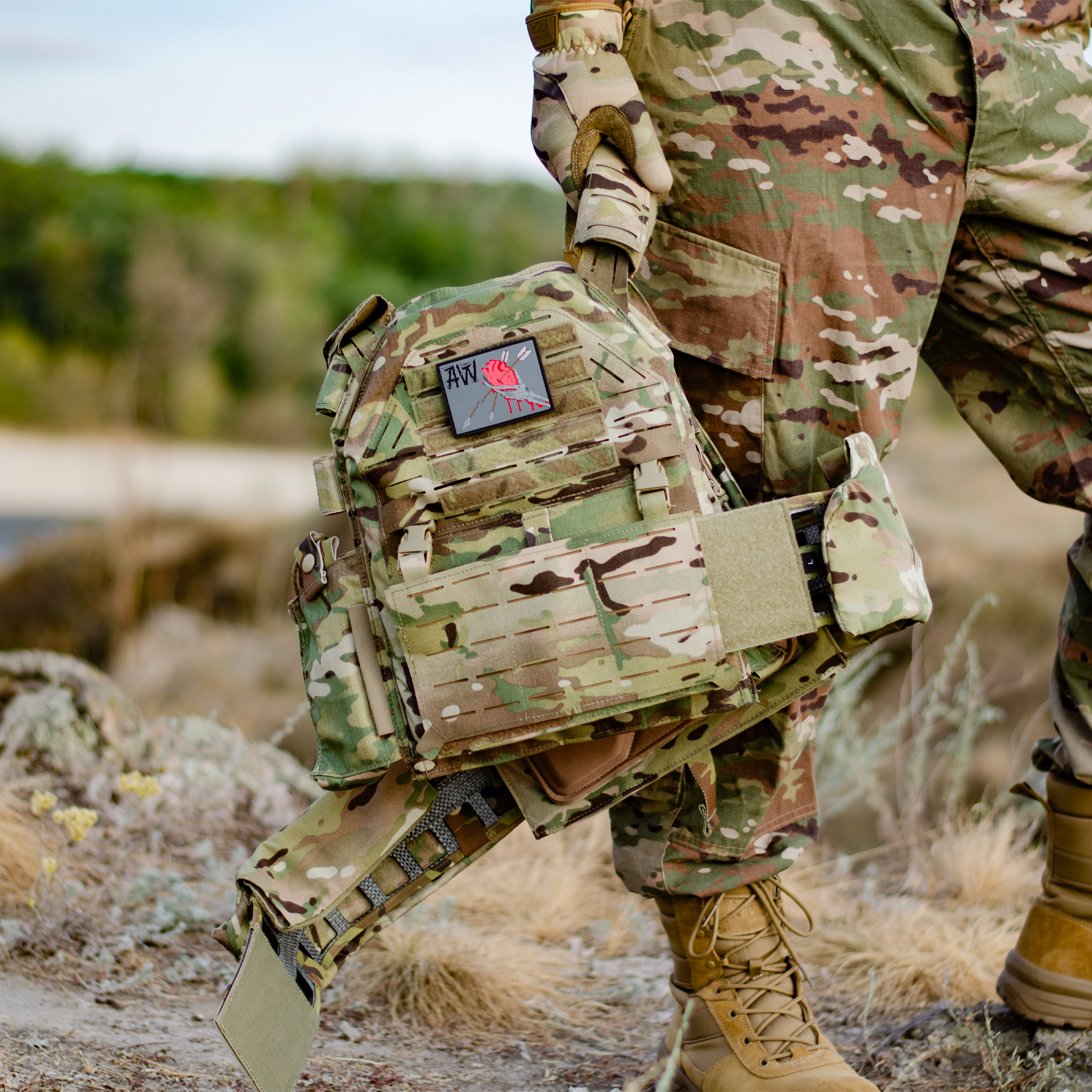
If you look at modern military gear, Velcro panels for patches are almost everywhere: on plate carriers, combat shirts, backpacks, caps, admin pouches, and even on some sleeping bags or jackets.
The reason is simple – patches allow for quick changes of information or markings without re-sewing the uniform. Once, everything was strictly fixed with thread: unit patches, blood types, flags. Now, a single hook-and-loop strip allows you to adapt your gear in literally a minute.
This became especially relevant after the widespread adoption of modular gear in NATO forces. Along with the MOLLE system, admin panels, and gear personalization, morale patches – those motivational or humorous patches familiar to almost everyone today – began to evolve rapidly.
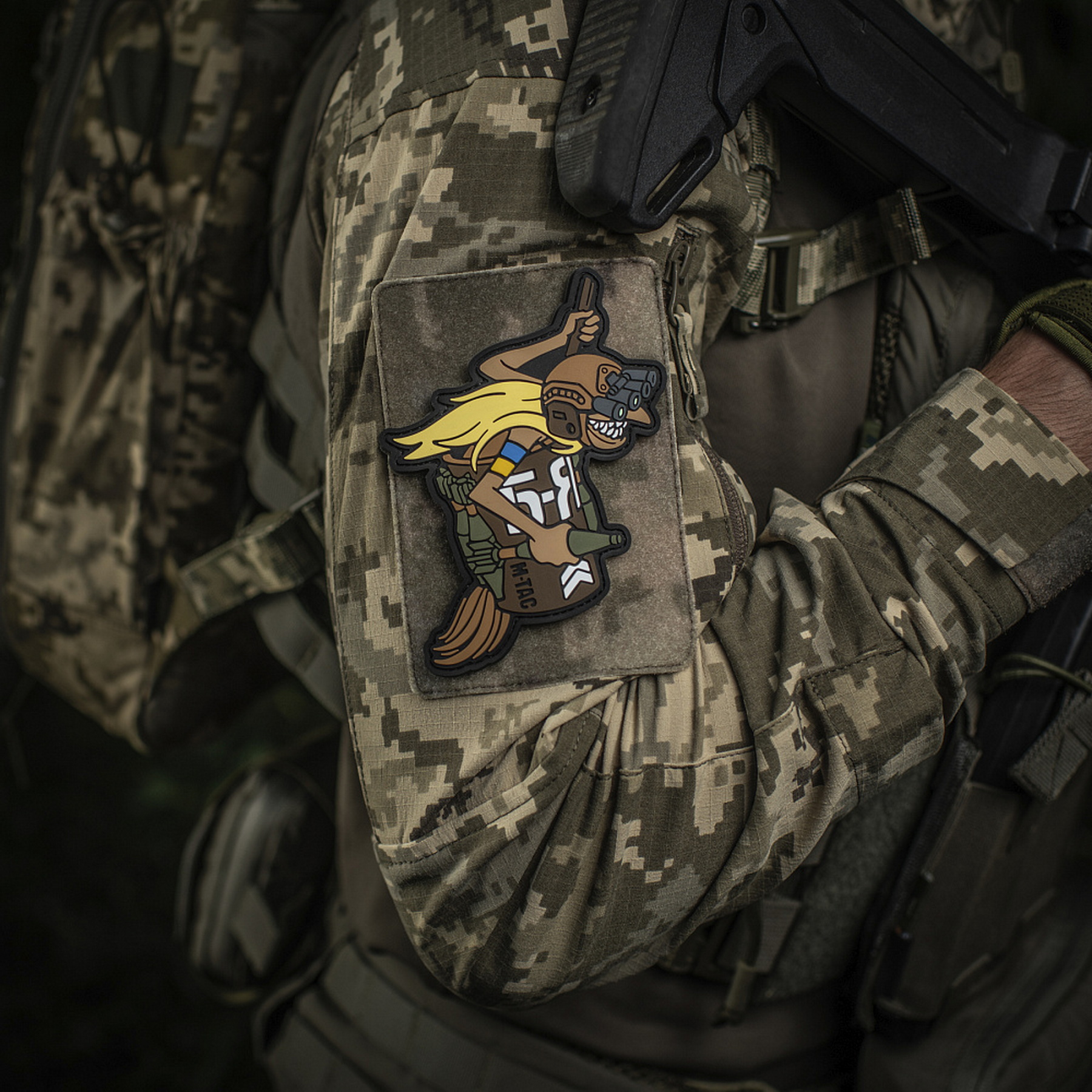
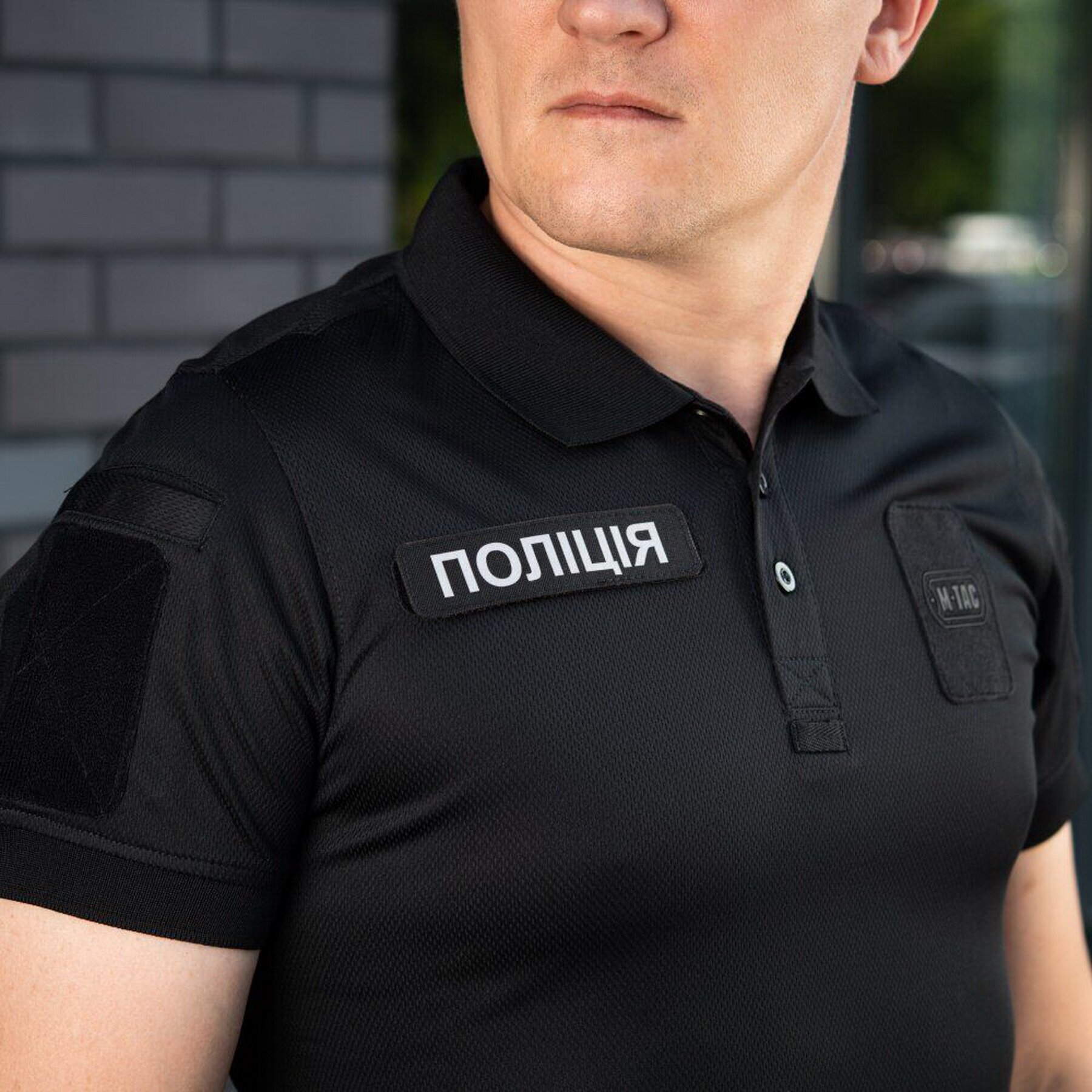
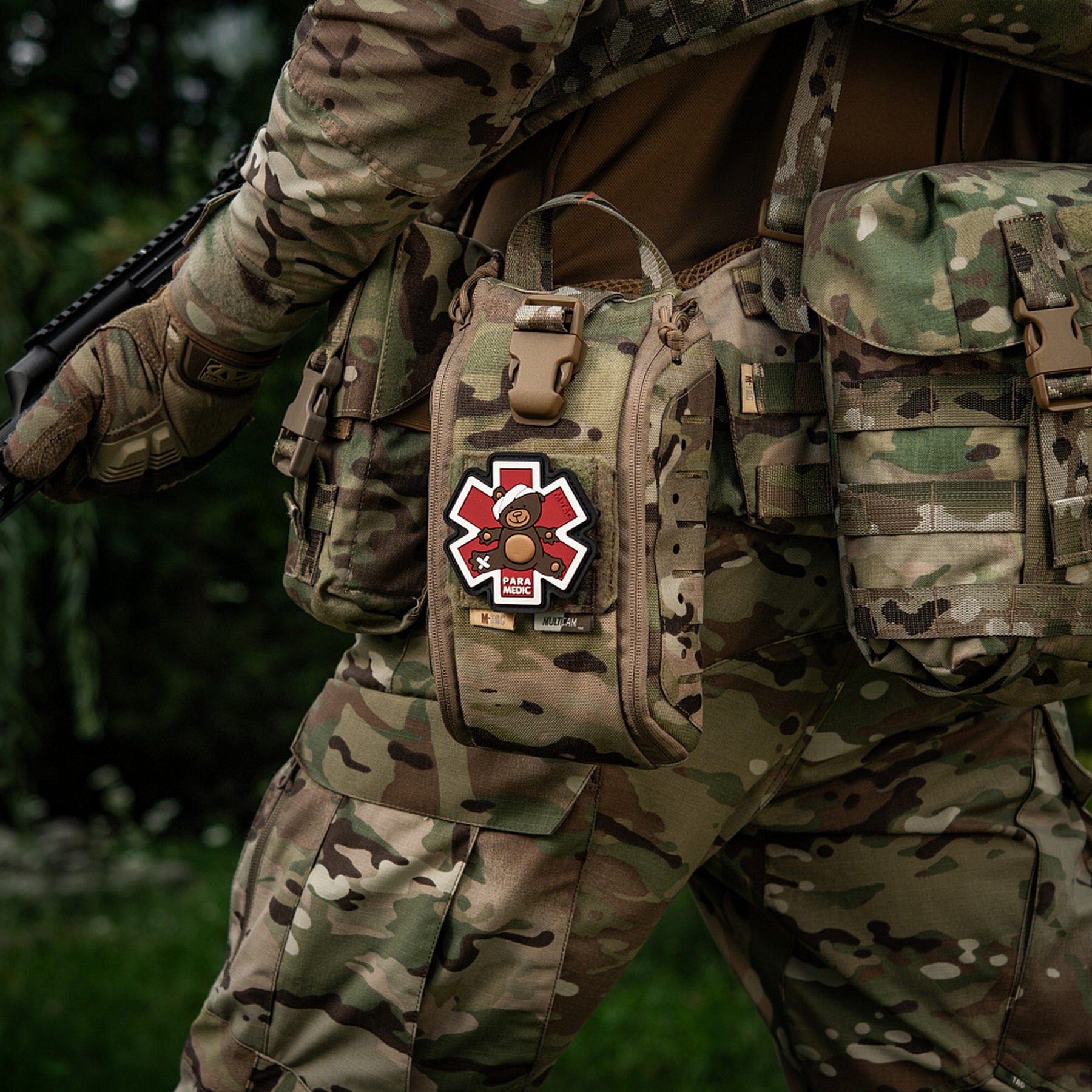
Identification: When a Patch Actually Saves Time and Nerves
In field conditions, proper identification isn't about looking "cool." It’s about the speed of situational awareness.
Who is in front of you? Which group? Friendly or attached unit? Who is the medic? Who is the UAV operator? Who is the commander? In darkness, dust, stress, and under load, the brain reads large, clear markers much faster than faces or small, uniform details.
That is why the following are actively used today:
-
IR patches for working with NVGs;
-
Blood type patches;
-
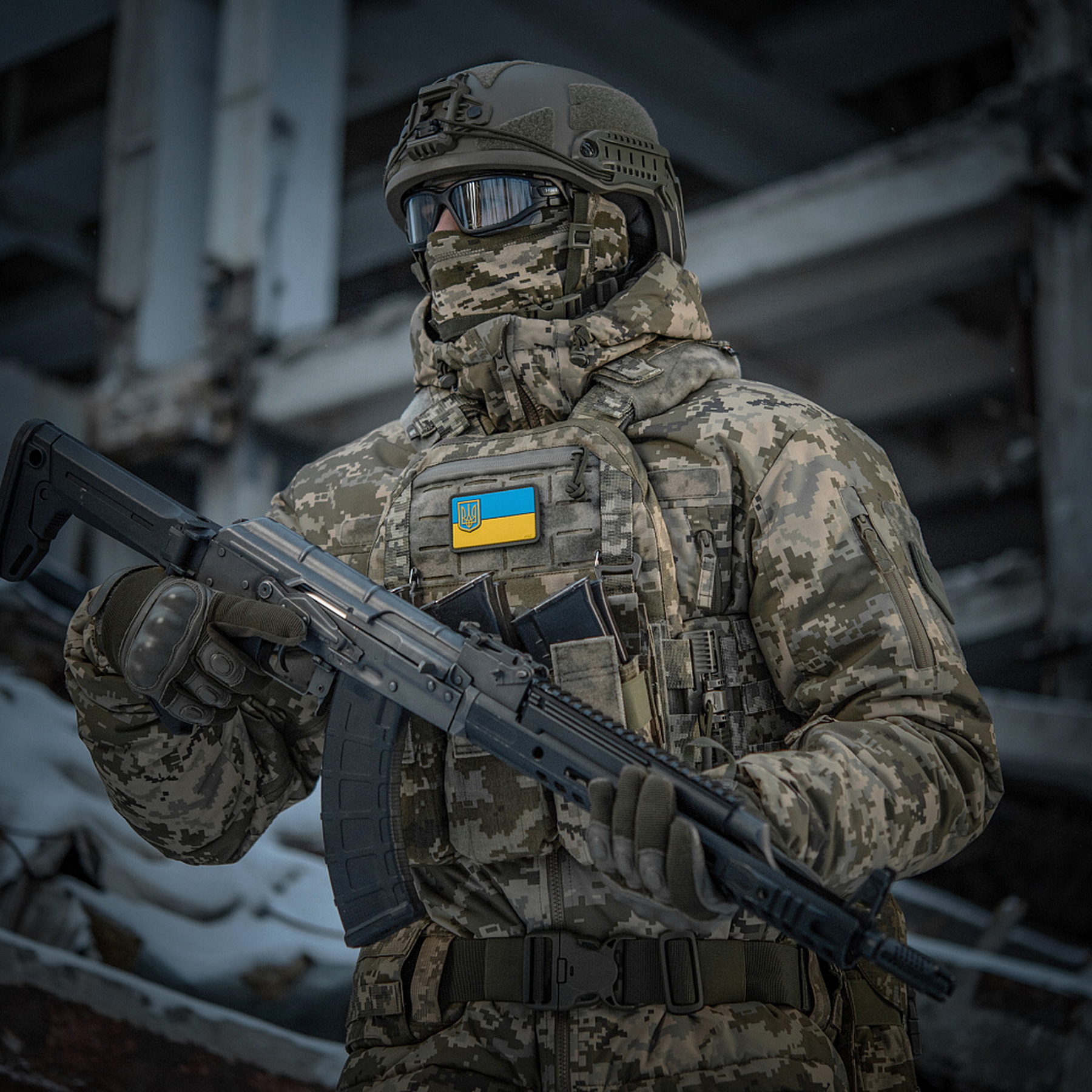
Flags;
-
Call sign patches;
-
Identification insignias;
-
Group or sector markings.
From experience, I can say that well-thought-out gear marking significantly speeds up interaction within a group, especially during rotations, joint missions, or mixed-crew operations. Conversely, a chaotic set of patches often only confuses.
Modern morale patches were largely popularized by U.S. military units during operations in Iraq and Afghanistan. Some patches became so popular among troops that they were recognized far beyond their specific units.
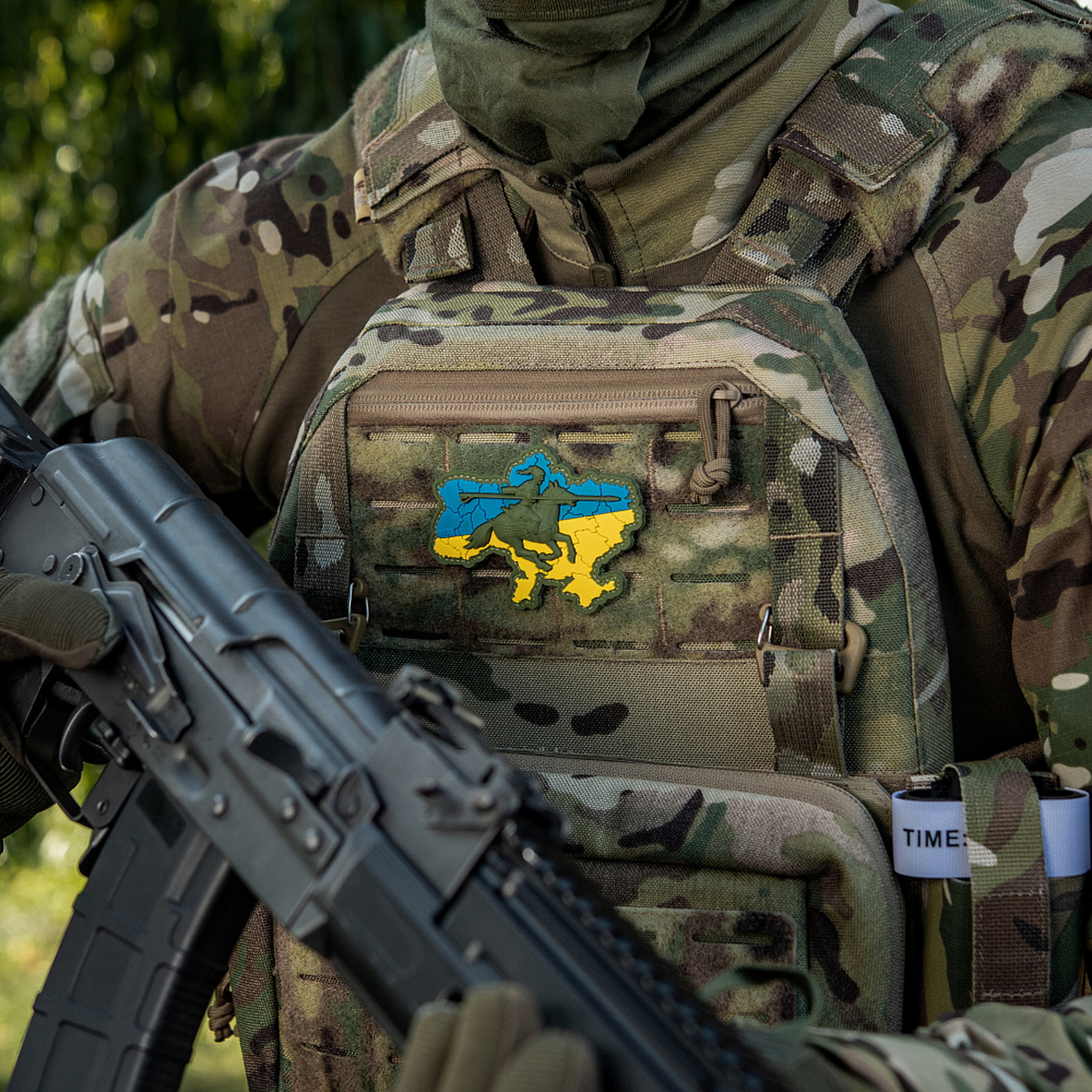
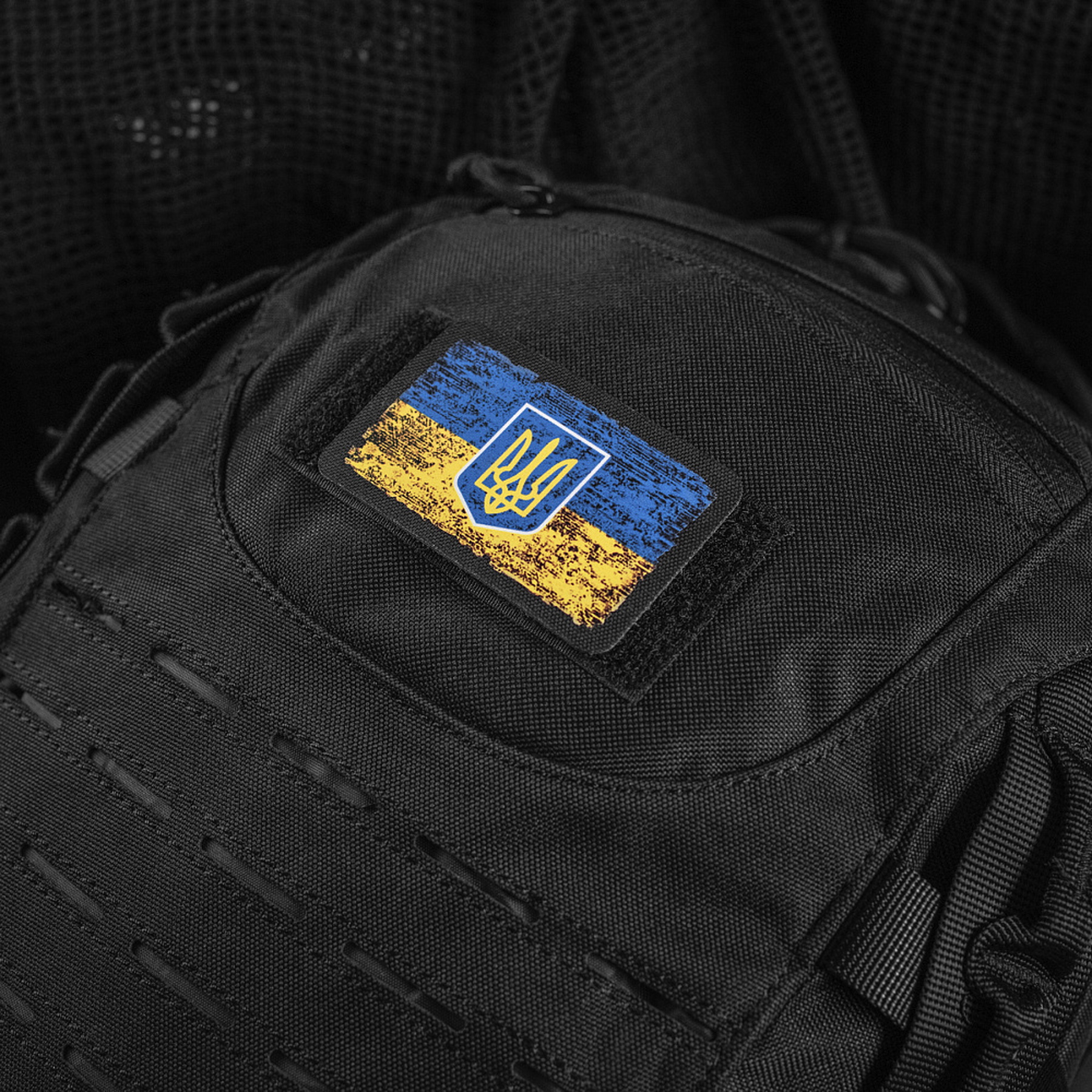

Motivation and Psychology: A Little Thing That Actually Works
It might sound strange to those outside the military, but sometimes one small patch can truly lift the mood after a difficult mission or several days without proper sleep. For some, it’s a unit patch that reminds them of their comrades. For others, it’s a meme or dark humor understood only by "those who were there". For others still, its symbolism is linked to personal motivation or the memory of fallen brothers.
In a combat environment, humor often acts as a psychological safety valve. This is why patches with irony, sarcasm, or very specific jokes have long been part of military culture. This isn't unique to the army; the same can be seen among rescuers, medics, sappers, instructors, and even in remote self-sustained hiking groups.
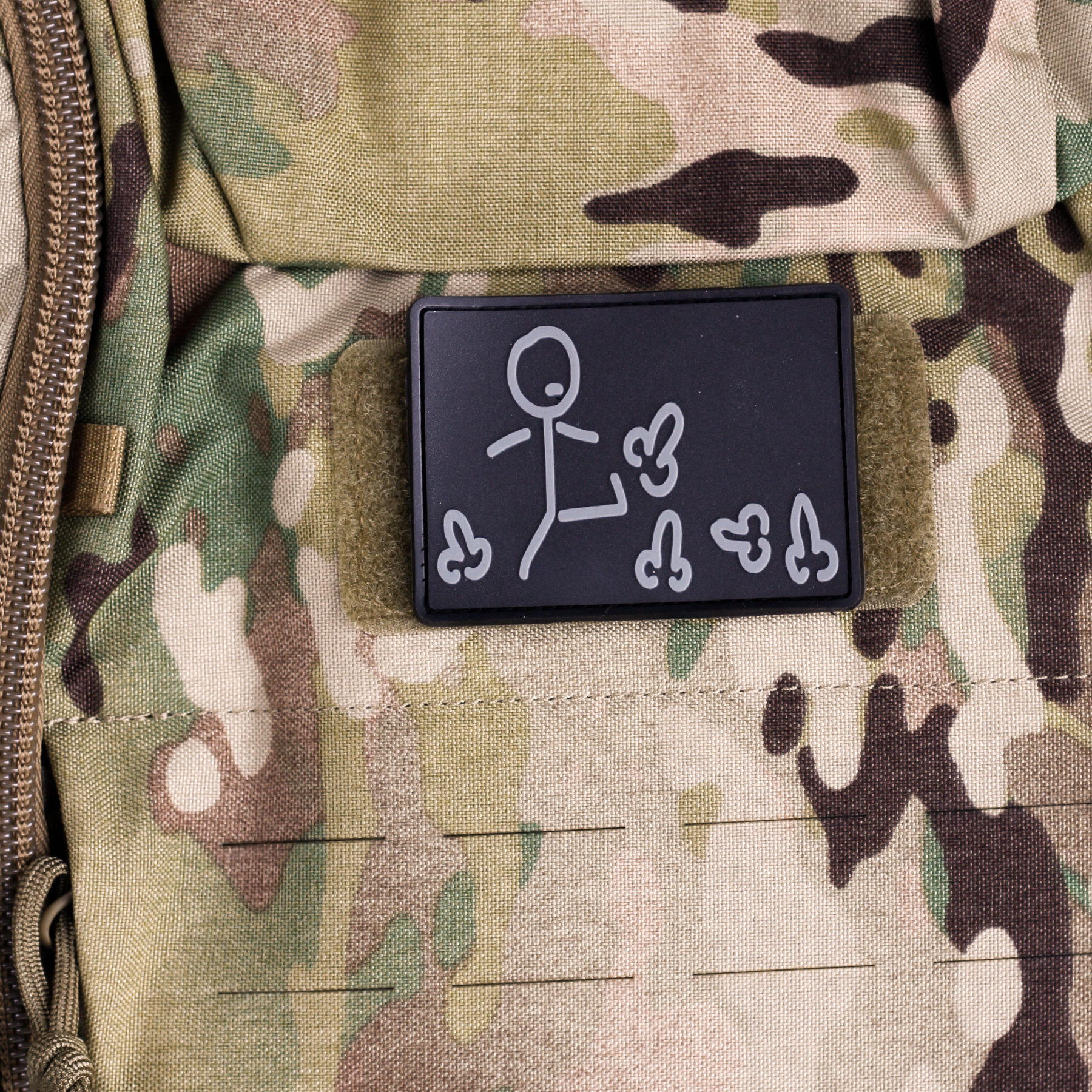
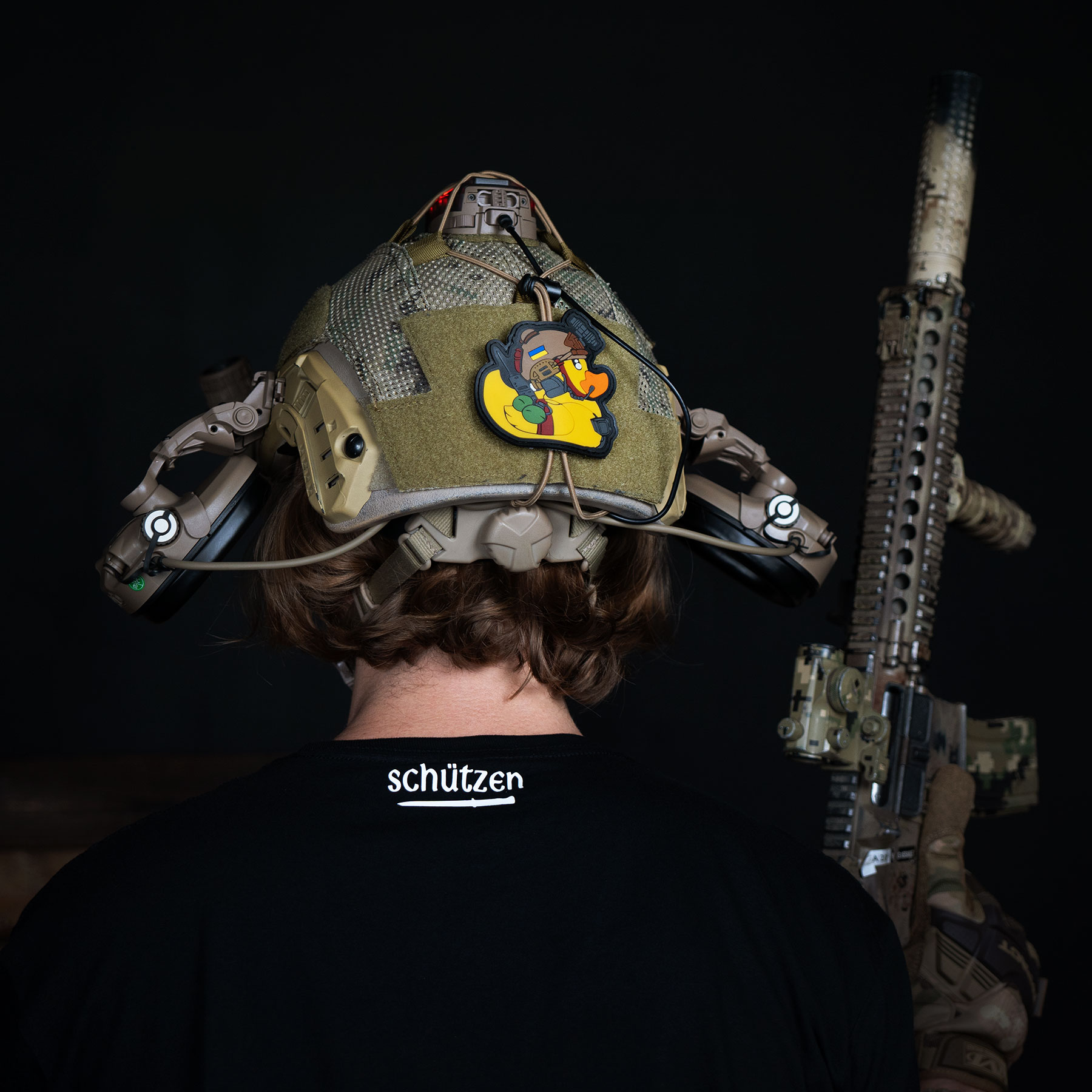
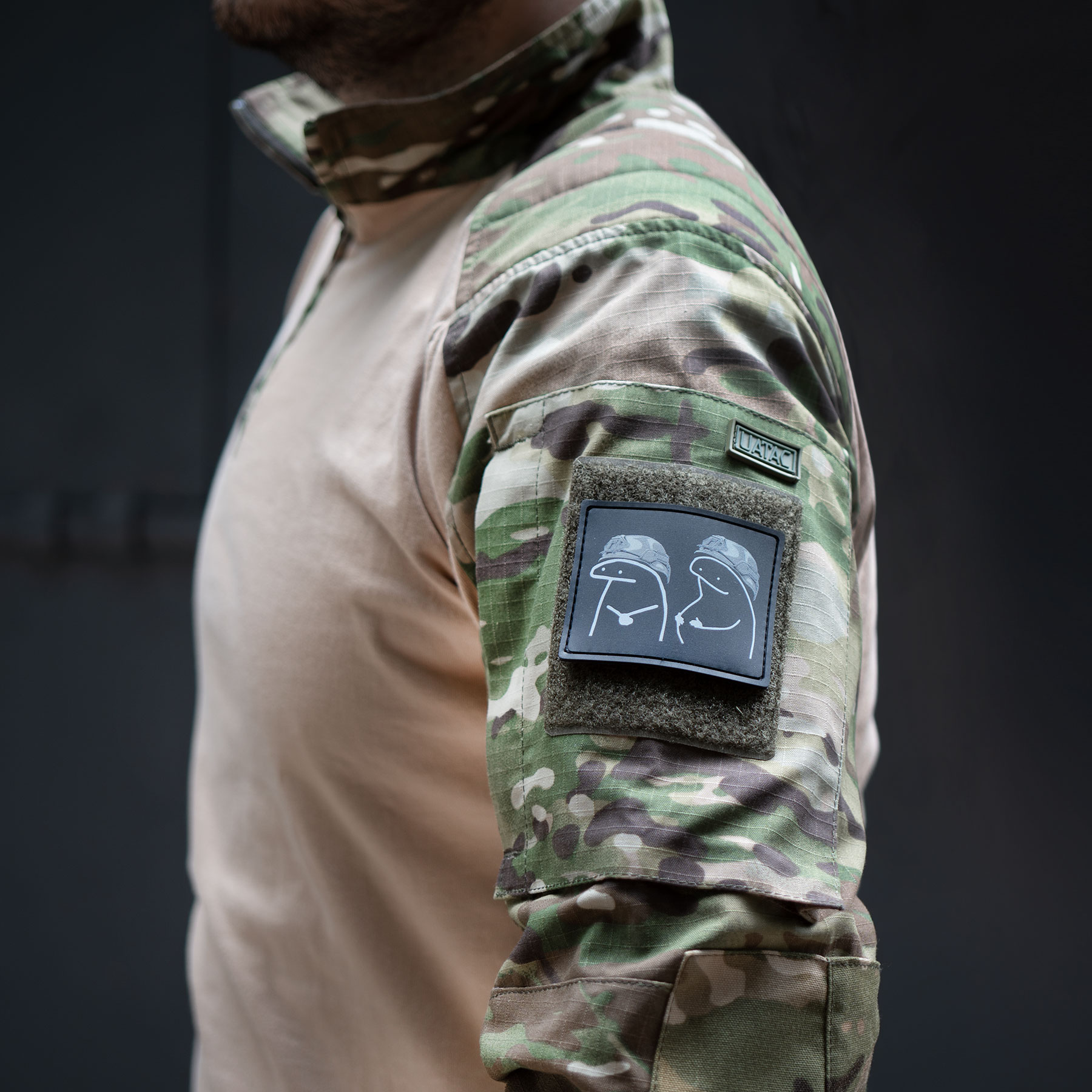
Why Humorous Patches Are So Popular
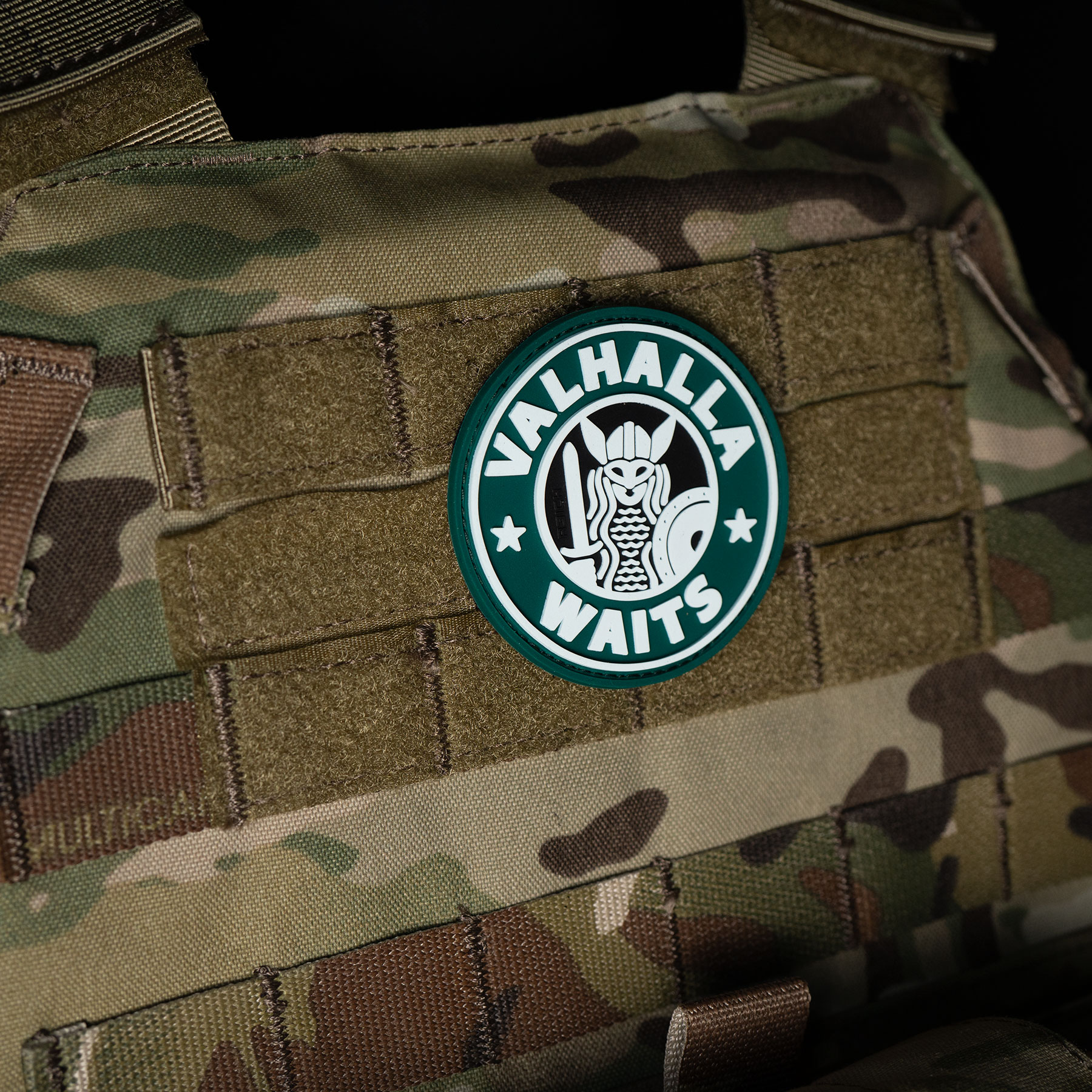
Because they create a sense of community. A person sees a familiar meme, phrase, or symbol and immediately understands the context. It works almost like an internal code.
Currently popular types include:
-
Morale patches;
-
Meme patches;
-
Dark humor patches;
-
Stylized military characters;
-
Animal patches;
-
IR patches with non-standard designs;
-
Rubber PVC patches.
Interestingly, the popularity of PVC patches has grown significantly over the last few years. They are resistant to moisture, dirt, and UV rays, and they handle field conditions much better than classic embroidery.
Some collectible military patches are produced in such small batches that their value among collectors can increase tenfold within a few years.
Patches in Civilian Life: Hiking, EDC, and Shooting Culture
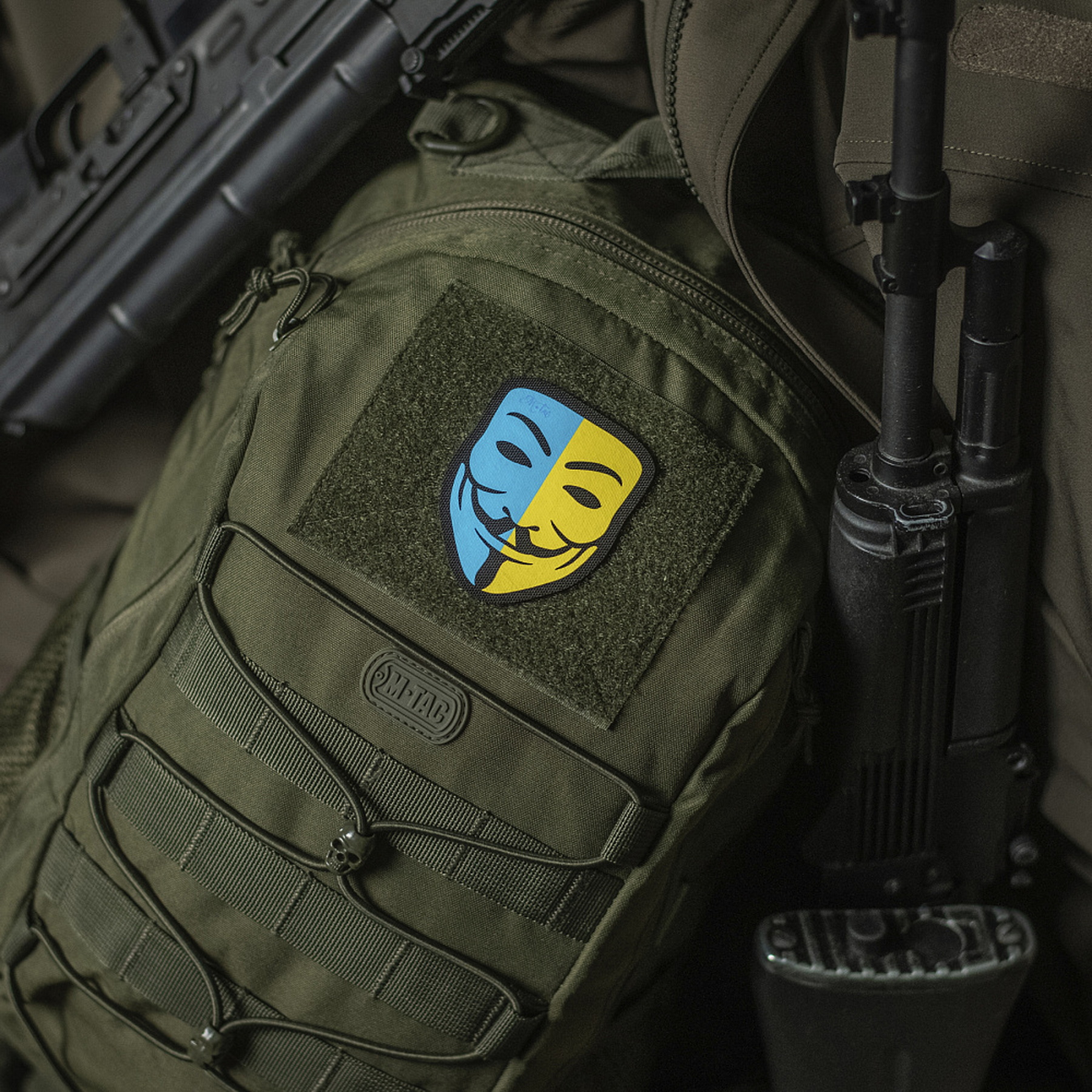
Fifteen years ago, patches were mostly associated with the military. Now, everything has changed. They are actively used by hikers, shooters, hunters, airsofters, EDC backpack owners, automotive communities, volunteers, and instructors. The reason is simple – the patch has become an element of personalization. People want to make their gear not just functional, but "theirs".
Practicality Should Not Be Forgotten
Despite all the atmosphere, patches must remain functional. A few things are truly important:
-
Readability.
-
Proper contrast.
-
Appropriate size.
-
High-quality Velcro.
-
Resistance to dirt and water.
This is especially critical for IR markings or ID patches. If a patch peels off after the first rain or becomes unreadable after a week in the field, it’s of little use. From personal experience: cheap "no-name" patches quickly lose their shape, fade, or tear at the edges.
IR patches can be virtually invisible to the naked eye but are clearly readable through night vision devices. This is why they are actively used for "friend-or-foe" identification at night.
Patches have long ceased to be just decorative elements. Today, they are part of modern military culture, an identification tool, a way to support morale, and even a distinct language within the community. A good patch remains relevant whether it’s for combat operations, shooting practice, hiking, or everyday EDC.

Vitalii Buniak — article author
Military gear consultant
Before 2022, he worked as a sales assistant at the Panisher store. After the start of the full-scale invasion, he joined the Armed Forces of Ukraine, gaining real combat experience.
Thanks to his combat experience and deep knowledge of tactical gear, Vitalii serves as a personal expert of the Panisher online store in the fields of:
- Clothing and footwear
- Equipment
His recommendations help customers choose reliable and functional gear for any conditions.
FAQ. Frequently Asked Questions
1. What is a morale patch?
2. What are IR patches for?
3. Can patches be used in civilian life?
4. Which patches are most popular now?