A military uniform is not just functional clothing for a soldier, but also a symbol of the state's authority, professionalism, and the army's identity. In the case of the Armed Forces of Ukraine (AFU), its evolution is inextricably linked with the formation of the Ukrainian army, historical challenges, and the needs of a modern military in a state of full-scale war.

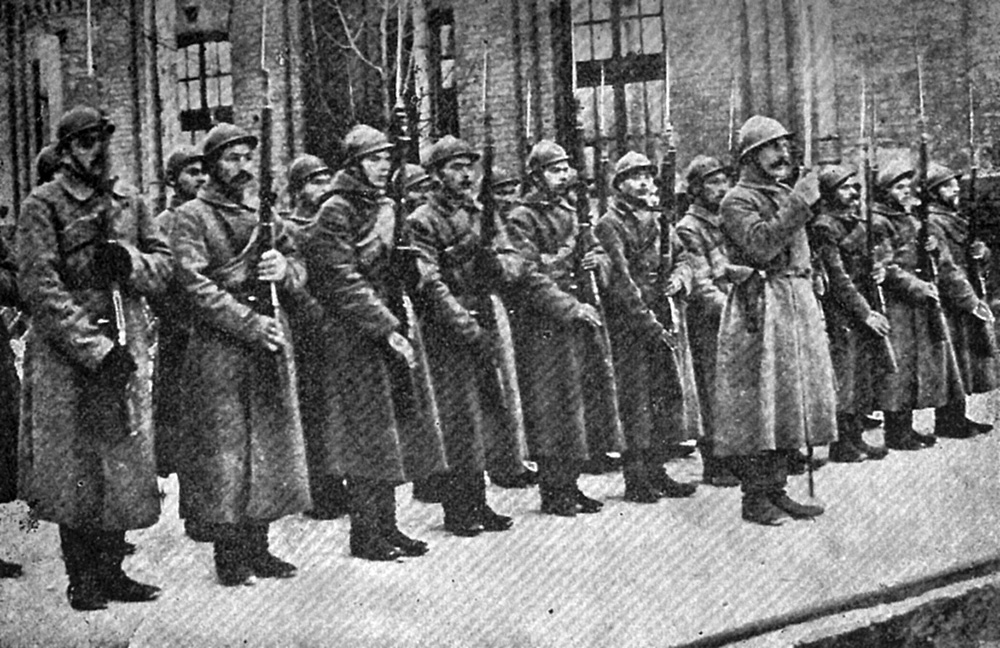

Even Our Grandfathers Wore It
The history of Ukrainian military clothing dates far back into the past. As early as the Cossack era of the 16th-17th centuries, Ukrainian warriors had specific clothing – sharovary (voluminous trousers), zhupans, and unique headgear that combined practicality with national identity.
In the 20th century, during the Ukrainian Revolution of 1917-1921 and throughout the wars of the 20th century, uniforms lacked a single standard. However, every period reflected a striving for a unique style and distinction from foreign armies.
After the declaration of Ukraine's Independence on August 24, 1991, the formation of the Armed Forces of Ukraine as a separate structure began. The legislative foundations for creating the army were laid during this period. In the early years of Independence, the Ukrainian army adopted many elements of the former Soviet system, including uniforms that did not fully meet new requirements or security realities.
Military Clothing in the Ranks of the AFU: From “Dubok” to the Present
In the 1990s and 2000s, the primary camouflage of the Ukrainian army was “Dubok” – a three-color pattern developed in 1996. It was used until 2014 but had limited effectiveness in modern conditions.
Following the outbreak of the Russian-Ukrainian war in 2014, it became clear that traditional uniform models were no longer meeting new requirements: they were often uncomfortable, lacked practicality, and were ill-suited to the conditions of a modern combat environment.
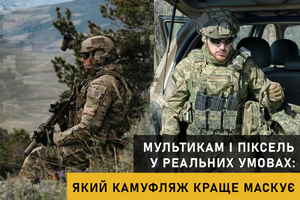
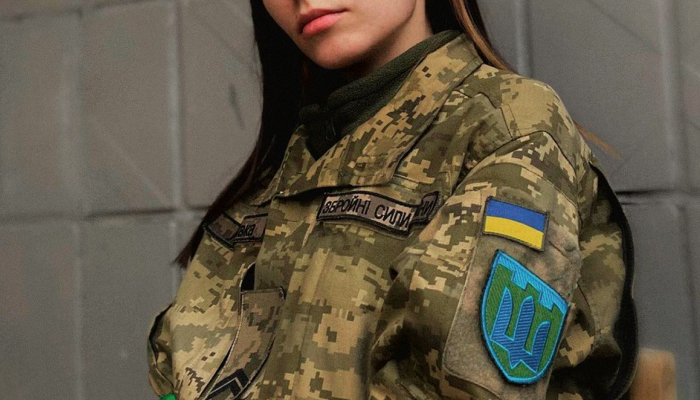
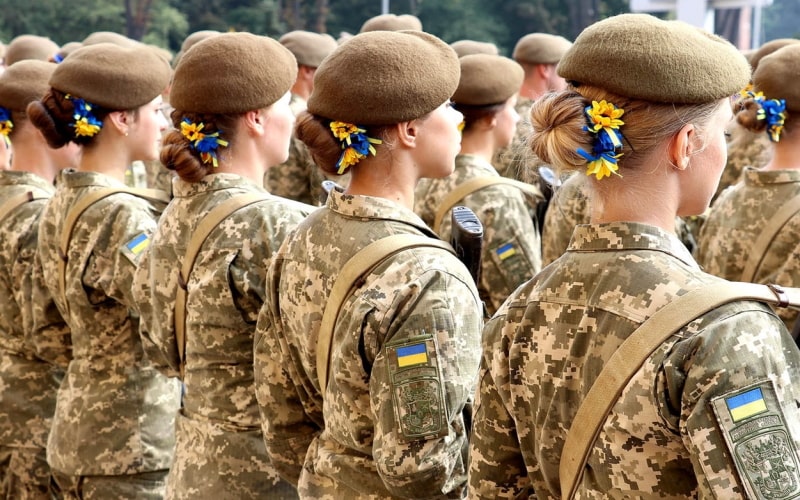
In response to these challenges, in 2014-2015, the AFU began transitioning to new camouflage patterns and uniforms. One such pattern was MM-14 (“pixel”), which was approved by the Ministry of Defense and became the basis for the definition of the "AFU uniform".
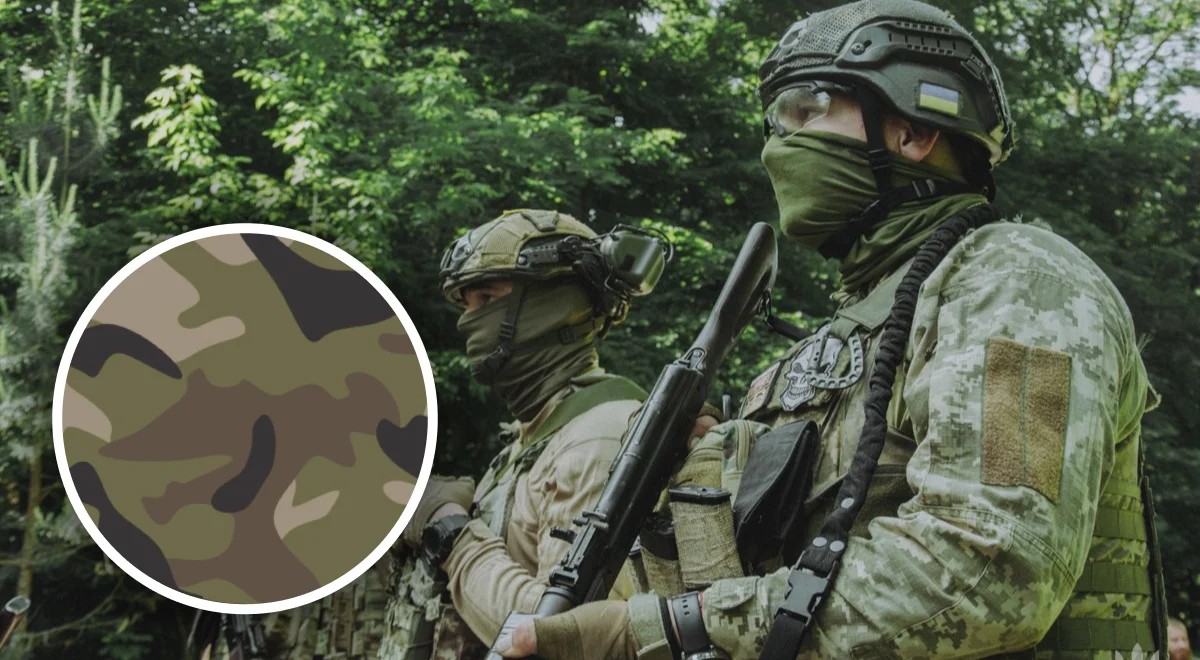
Simultaneously, in 2015, the Varan camouflage began to be actively used among the military – a five-tone pattern combining natural shades of green, brown, and beige, adapted to Ukrainian landscapes.
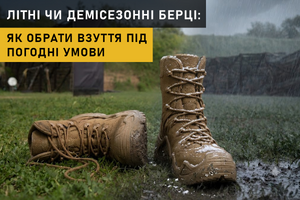
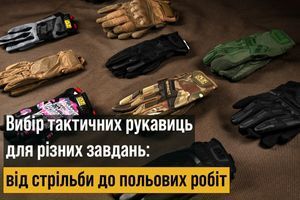
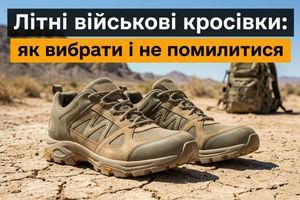
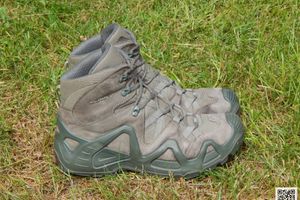
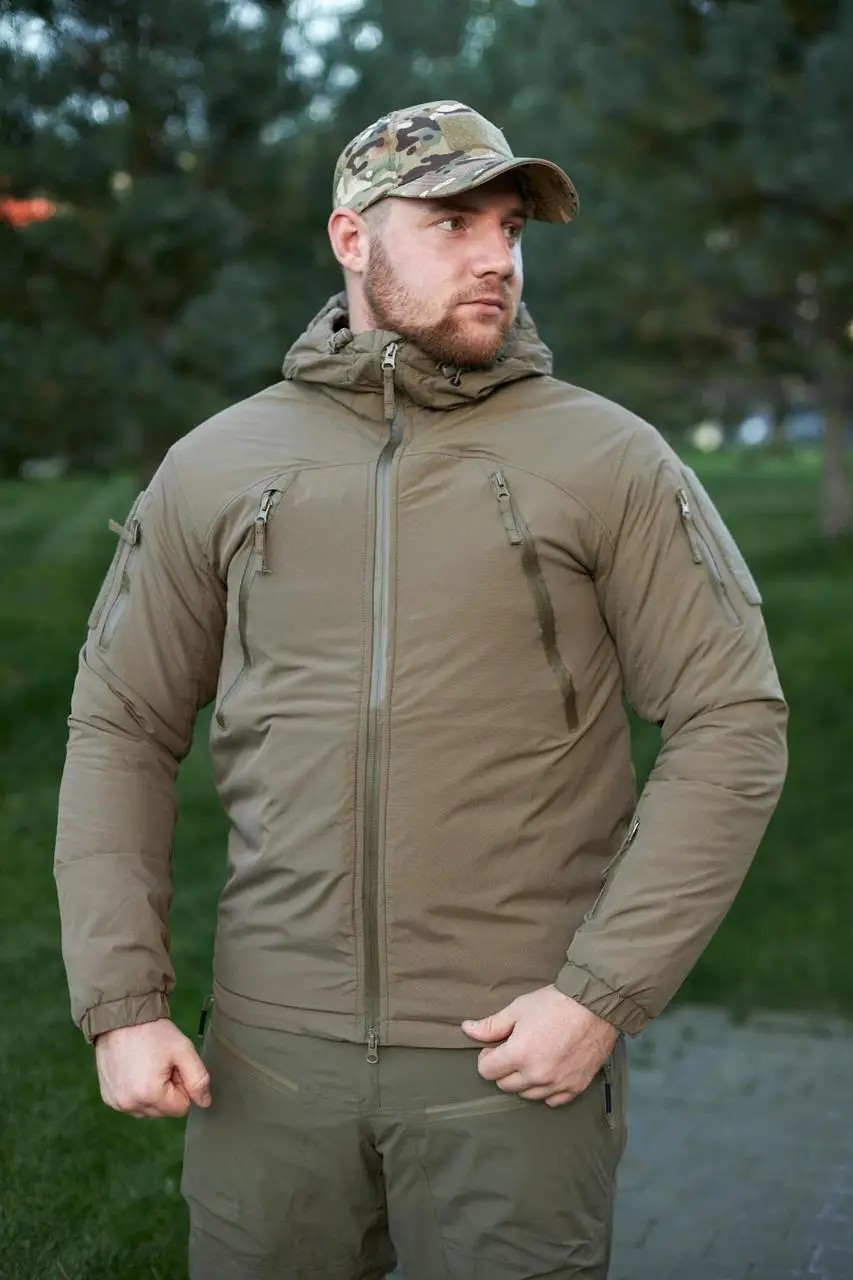
In recent years, more modern equipment elements have also been introduced: improved combat boots, insulation layers, tactical gloves, and various types of headgear – Mazepynka caps, boonie hats, balaclavas, and winter hats.

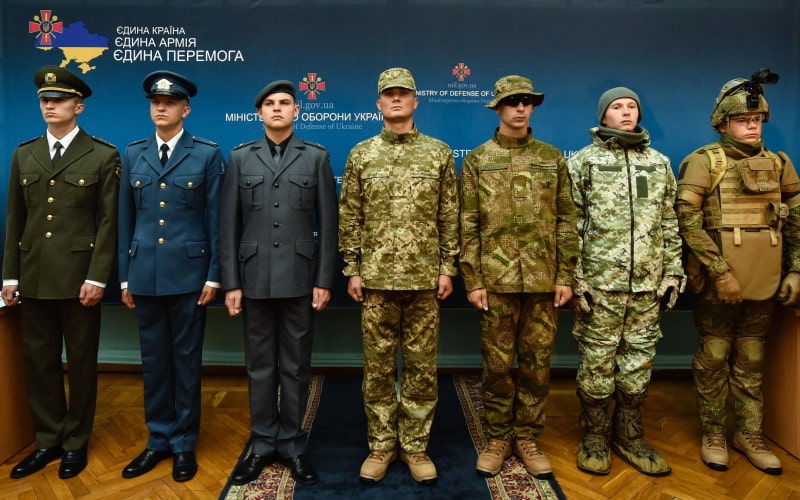
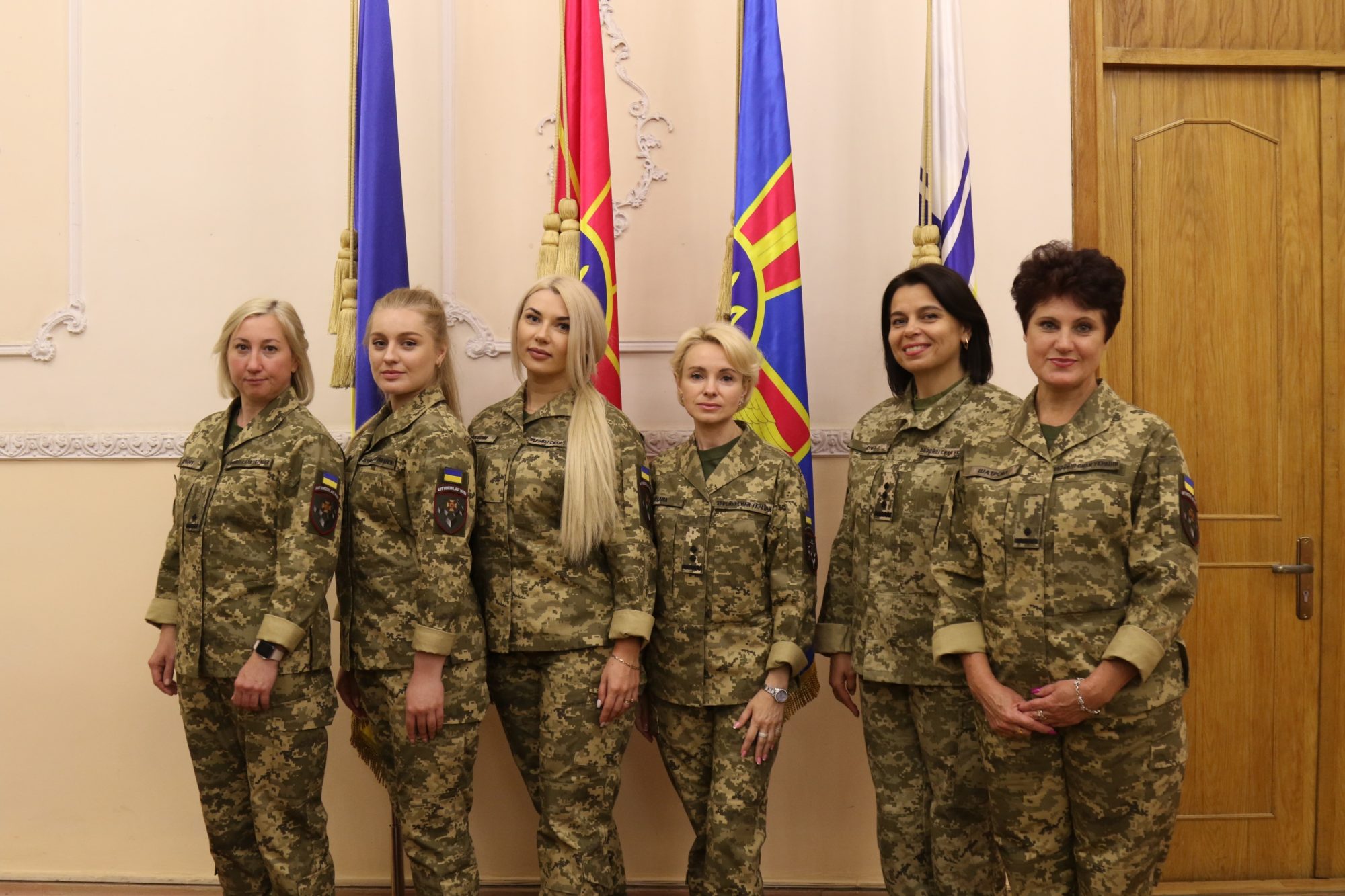
1. MM-14 camouflage was created specifically for Ukrainian landscapes
The MM-14 field camouflage (“Ukrainian pixel”) was developed taking into account the real natural zones of Ukraine – forest-steppe, steppe, and mixed forests. This is why it is effective not only in summer but also in the transitional seasons when gray-green and brown shades dominate.
-
The “Mazepynka” officially returned to the AFU only in the 21st century
The kepi-style headgear, associated with the UNR troops and the liberation struggles, was not used officially for a long time. It was only after 2014 that the “Mazepynka” was returned as an element of daily and ceremonial uniforms, emphasizing the historical continuity of the Ukrainian military.
-
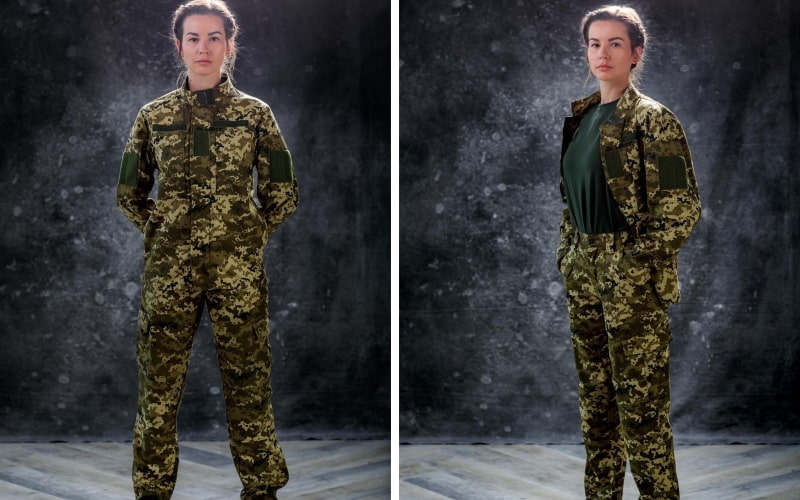
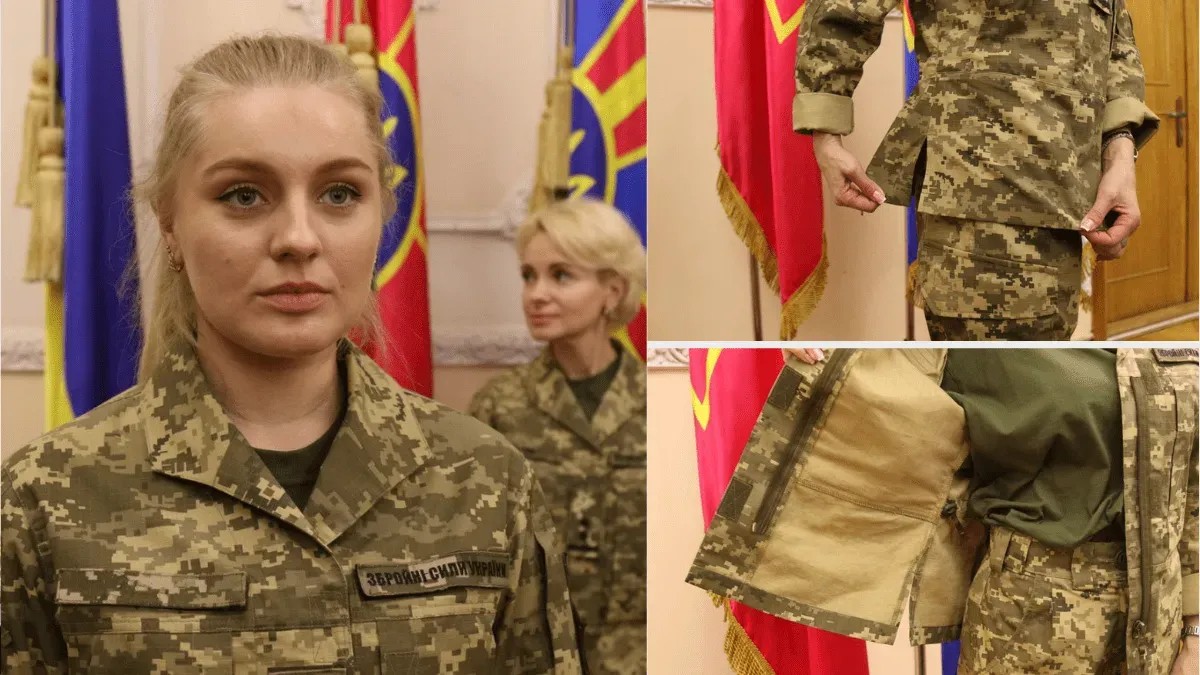
Women’s military uniform is not just a “smaller size”
The modern women’s AFU uniform features separate patterns: a different fit in the shoulders, waist, and hips. This is the first time in the history of the Ukrainian army that a uniform for women was developed as an independent standard rather than an adaptation of the male version.
Turbulent Present
In modern conditions, the Ukrainian army clearly focuses on functionality, adaptability, and international standards. The choice of uniform is based on several key factors:
Tactical Effectiveness: Modern camouflages provide better concealment in various landscapes, while materials withstand intensive use in training and combat conditions.
Comfort and Ergonomics: Modern fabrics and cuts account for the need for freedom of movement, ventilation, water resistance, and comfort during prolonged wear.
Women’s Models: For the first time in 2023, the AFU developed and began implementing a standardized women's field uniform, adapted in sizes and parameters for women serving in the military.
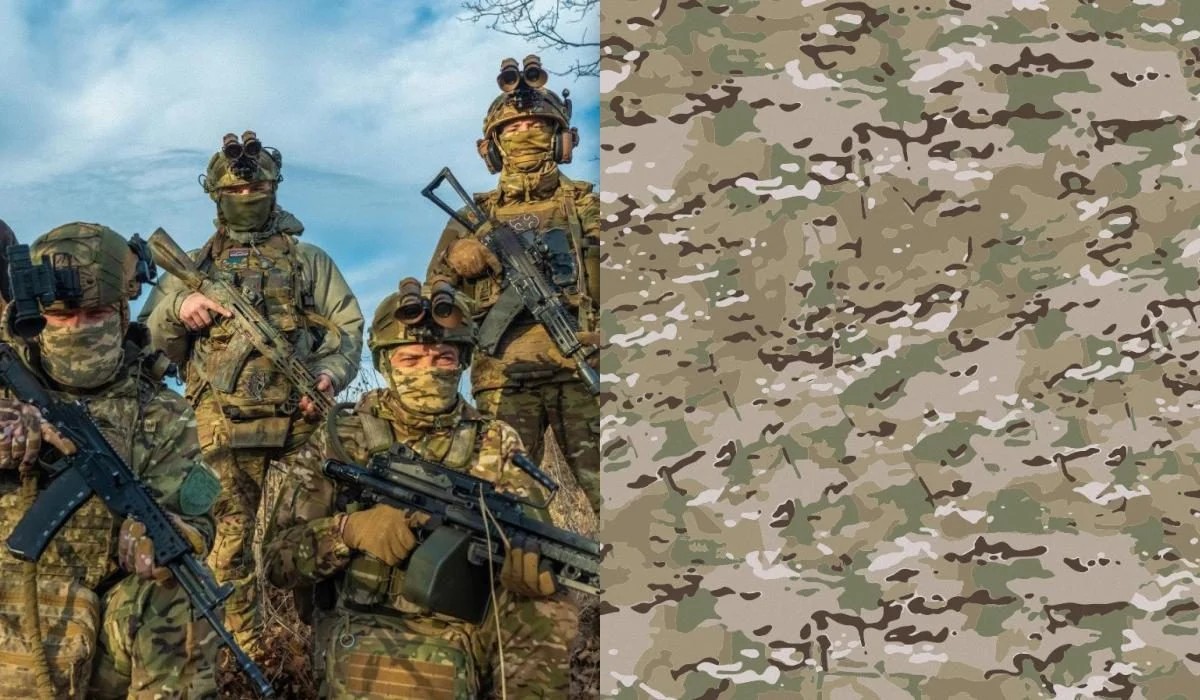
Orientation towards NATO Standards: Ukraine gradually plans to replace the MM-14 (“pixel”) camouflage with the new MM-25 pattern, which adopts the principles of the international Multicam and is designed to improve compatibility with allies.

The Future of AFU Military Uniforms: Tendencies and Plans
Looking into the future of AFU uniforms reflects global trends in military gear development:
- Transition to Adaptive Camouflage: Development of new patterns, such as MM-25, which optimize concealment in various terrain conditions and even for night or IR ranges.
- Integration of Technologies: Experiments with adaptive fabrics that change color or properties based on terrain or lighting are actively discussed in the media and technological experiments.
- Expansion of Size Ranges to ensure the comfort of all groups of service members, including women.
Ukrainian Brands Already Making History Today
-
TTХ: Tactical jackets/pants, technical layers.
-
TMS Tactical: Uniform sets, jackets, tactical vests.
-
M-Tac: One of the most popular brands; a wide range of modular systems and accessories.
-
eKiborg: Combat sets, insulation, tactical modules.
-
Miligus: Tactical vests, belts, utility elements.
-
Olteks: Large manufacturer of uniforms for the MOD, MIA, and NGU.
-
UATAC: Tactical jackets, multi-layers, insulation.
-
STS (Special Tactical Systems): Tactical clothing, vests, pouches.
-
KRPK: Basic uniform sets, jackets, pants.
-
M-GEAR®: Tactical clothing, backpacks, belts.
-
GradGear: Pixelated camouflage and tactical solutions.
-
ARMA: Pants, jackets, focus on versatility.
-
GIG Military: Field equipment systems, vests.
-
Suputnyk Gear: Durable backpacks, pouches.
1. AFU uniforms undergo combat testing faster than in most armies in the world
In NATO countries, new uniform models can be tested for years. In Ukraine, due to real combat operations, changes in fabrics, cuts, or equipment are often implemented after just one season of active use – based on feedback directly from the soldiers.
2. Ukrainian experience influences global approaches
Since 2022, the AFU’s experience regarding layering, combining civilian and military gear, and rapidly adapting clothing to drone warfare has been actively studied by foreign military analysts and gear manufacturers.
In Comparison with Others
Compared to the equipment of other countries' armies, the new-style AFU uniform stands out in several important aspects:
- NATO Standards: NATO armies long ago transitioned to multifunctional camouflages (Multicam, CADPAT, MTP, etc.) with high adaptability, whereas the AFU is just beginning this transition.
- Comfort and Anatomical Fit: Some armies have provided special cuts for different genders and sizes, which has become a standard in all NATO forces; the AFU is also moving in this direction.
- Technological Level of Materials: Many Western armies integrate advanced synthetic fabrics with increased strength, thermal regulation, and minimal weight; Ukrainian manufacturers are actively working to bring their products closer to these standards.
The military uniform of the Armed Forces of Ukraine is an element shaped by historical traditions, combat needs, and modern requirements for comfort and efficiency. Over time, the AFU uniform has undergone significant changes: from the Soviet legacy to modern camouflages and unified equipment sets; from monotonous standardized clothing to adaptive models considering gender and tactical needs. Today, the AFU is moving towards a higher level of standardization, comfort, and compliance with international standards, which is a vital component of the Ukrainian army's development.


Vitalii Buniak — article author
Military gear consultant
Before 2022, he worked as a sales assistant at the Panisher store. After the start of the full-scale invasion, he joined the Armed Forces of Ukraine, gaining real combat experience.
Thanks to his combat experience and deep knowledge of tactical gear, Vitalii serves as a personal expert of the Panisher online store in the fields of:
- Clothing and footwear
- Equipment
His recommendations help customers choose reliable and functional gear for any conditions.
FAQ. Quick Answers to Common Questions
1. What is included in a standard AFU uniform set?
2. How does the modern AFU uniform differ from the Soviet one?
3. Which fabrics are most commonly used?
4. Does the uniform affect a soldier's effectiveness?