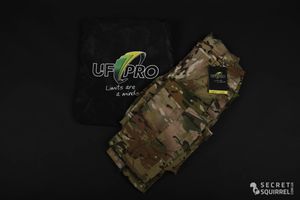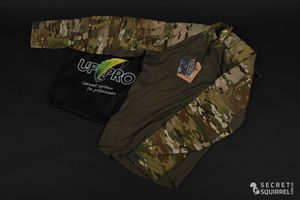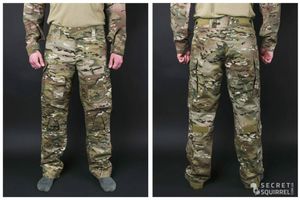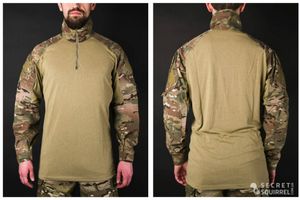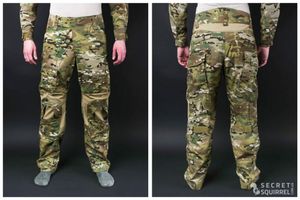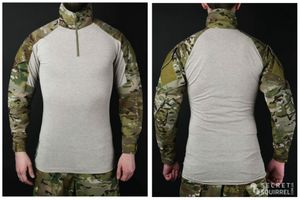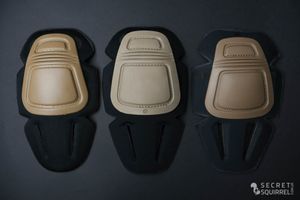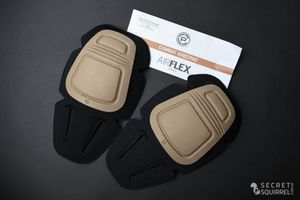
Fire doesn’t give a warning. Fire just strikes. It flares up, rolls, and engulfs the body. And if your gear isn’t ready, you won’t get a second chance. Flame-resistant clothing is more than just a specification. For anyone working around explosives or fuel, or exposed to the risk of ignition or arc flashes, it’s a line of defense that can save a life. However, what’s often overlooked is that even if clothing protects from fire, if it restricts your movement, overheats your body, or weakens you during the mission, it becomes a hazard in itself. The issue isn’t just about safety certification. It’s about protective clothing that does exactly what it’s meant to do when everything is on the line — without slowing you down. Let's take a look at the key details together with Punisher right here, and you can purchase fire resistance and related products in our online store.

So, what exactly should tactical flame-resistant clothing be like in the field? Let’s break it down.
Fire Protection Clothing: What Is It and What Is It For?
Flame-resistant clothing (also referred to as fire-resistant) is made from non-flammable materials that limit the spread of flames and self-extinguish once removed from the heat source. In the field, this means more time to react, less damage to skin and equipment, and a greater chance of emerging unharmed — even from the most intense fires.
To meet these requirements, clothing is certified according to strict industry standards, such as:
- ISO 11612 — Protective clothing against heat and flame
- ISO 15025 — Limited flame spread testing
- ASTM D6413 — Flame resistance test (vertical flammability)
The terms “flame-retardant” and “flame-resistant” are often used interchangeably. However, while both types of clothing provide significant protection against fire and flames, there is a technical difference:
-
Inherently Flame-Resistant Fabrics: flame resistance is built into the fibers themselves (for example, aramid, modacrylic, flame-resistant viscose). These materials are less prone to ignition and are self-extinguishing without any chemical treatment.
-
Treated Flame-Retardant Fabrics: These are standard fabrics, such as cotton or cotton blends, that have undergone chemical treatment to give them flame-resistant properties. The treatment slows ignition and limits flame spread, but its effectiveness can diminish over time due to wear and washing.
Some modern tactical uniform models are made from hybrid materials that combine polyamide, aramid, and elastane fibers. This combination enables the clothing to meet flame-resistance requirements while also enhancing mobility, durability, and comfort when wearing gear. The result is a more versatile solution — clothing that protects against dangerous thermal exposure without sacrificing comfort during prolonged combat operations.
Why Flame-Resistant Clothing Is So Important
In tactical situations involving open flames, fuel storage, explosive devices, or electrical installations, flame-resistant clothing is not just a service uniform — it’s a line of defense, your essential protection that gives you the time and opportunity to take the right actions.

However, the reality is more complex than it seems. Many types of flame-resistant clothing may meet fire and high-temperature protection criteria but fail to meet equally important parameters: freedom of movement, comfort, and durability. For the wearer, this can result in slower reaction times, overheating, and increased fatigue. Therefore, such clothing is not suitable for use in high-risk environments.
So, how do you ensure flame protection without compromising operational performance?

According to general statistics of modern wars, every 20th injury on the battlefield is caused by exposure to high temperatures. Medical practice shows that patients with burns covering more than 40–50% of their body surface rarely survive in field conditions. The most that can be done for them is to provide fluid replacement and high doses of painkillers. And under triage conditions with mass casualties, such patients are classified as Category IV — meaning they will receive only supportive care. As they say, "draw your own conclusions, but if you can, it's better to reduce the risk."
Lazy Compromises: What’s Often Sacrificed for Flame Protection?
Flame-resistant clothing is typically made from fibers such as Nomex®, Kevlar®, modacrylic, or specially treated cotton blends that meet safety standards. While it performs excellently in high-temperature and flame conditions, its operational performance in dynamic environments often leaves much to be desired.
The Vulnerable Points of Flame-Resistant Clothing Include:
- Freedom of Movement: Stiffer fabrics restrict mobility, limiting range of motion — especially during specific activities such as lunging, climbing, or sprinting.
- Breathability: Heavier fabrics reduce air circulation and increase internal heat buildup.
- Weight: Additional flame-resistant layers mean more weight to carry.
- Thermal Regulation: Poor moisture management can lead to increased sweating and faster fatigue.
In challenging operational environments, these drawbacks quickly become apparent and will stay with you until the end of the mission or combat task.
How Does Modern Flame-Resistant Clothing Overcome These Drawbacks?
Fortunately, there’s been a lot of progress in the field of flame-resistant tactical clothing. Manufacturers are developing optimal solutions that go beyond traditional compromises.

They’ve started combining flame resistance with excellent operational performance. Here’s how they do it:
- Hybrid Fabric Zones
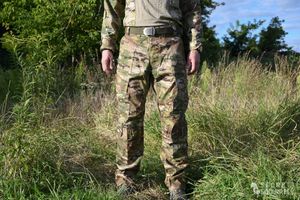
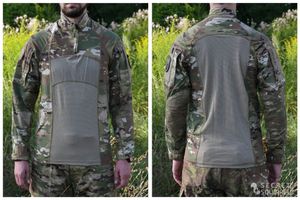
Strategic placement of extremely durable flame-resistant materials in high-risk areas (such as the chest, shoulders, or outer limbs) combined with breathable, highly elastic fabrics in low-risk areas helps maintain body mobility without sacrificing protection.
- Ergonomic Design
Features like anatomically curved panels at the knees and elbows, and stretch inserts in the crotch, provide full freedom of movement. This isn’t just a trendy detail — it’s a structural feature that allows you to run, kneel, crawl, or push through obstacles while maintaining fire and high-temperature protection.
- Efficient Sweat and Moisture Wicking
Modern flame-resistant clothing incorporates ventilation zippers, breathable mesh fabric, and moisture-wicking linings to reduce heat stress and perspiration. It is best to start with a light layer of clothing that will be appropriate in any weather, either on its own or as part of a layered outfit, such as a fire-resistant combat shirt.
Why Fit and Proper Selection Matter in Flame-Resistant Clothing
Protection is only half the battle. Fit, compatibility, and proper selection determine whether your flame-resistant clothing can withstand the harsh conditions of real-world use.
Proper Clothing Selection
Wearing regular undergarments beneath flame-resistant clothing creates a false sense of security. For full protection, the entire clothing system — base, mid, and outer layers — must be flame-resistant. You can choose the first layer of clothing right now.
Proper Fit
Clothing must work seamlessly with combat gear such as body armor, tactical belts, and backpacks, without causing pressure points, restricting movement, or chafing. The right fit ensures freedom of movement and reduces the risk of overheating.

Environmental Adaptability
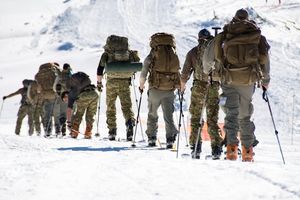
For those operating in rapidly changing climates (for example, extreme heat during the day and cold at night), gear must adapt to both hot and cold conditions. Flame-resistant clothing should be modular (i.e., with removable elements such as a hood or insulated liner to protect against cold and wind, which can be removed in heat) and provide insulation, ventilation, and moisture management based on climate conditions and the wearer’s activity level.
Technical advancements to improve the performance of flame-resistant clothing
Modern innovations in textile technology significantly enhance the properties of flame-resistant apparel.
The situation is evolving. The following are being introduced:
● lighter and stronger materials that meet or exceed thermal and mechanical performance standards;
● integrated stretch zones for greater flexibility and freedom of movement without compromising flame protection;
● advanced DWR coatings that repel water on the outside, while breathable liners or membranes wick moisture and vapor from the inside;
● laser-cut reinforced elements (such as knee and elbow pads) that reduce bulk by cutting with minimal waste and no edge fraying, while increasing durability and functionality.
These technologies ensure that flame-resistant clothing remains highly effective and functional throughout its service life, delivering reliable protection in critical moments.
Conclusion
Flame-resistant clothing today is better than ever before. The uniforms that once were stiff, hot, and restricted movement have now become practical, mission-ready, and highly efficient.
The new generation of tactical flame-resistant gear proves that compromises are finally a thing of the past. By choosing high-quality flame-resistant apparel, you gain:
- certified flame resistance;
- all-day comfort;
- freedom of movement;
- operational adaptability.
In modern flame-resistant clothing, all these qualities are combined into one. The technologies used in Crye Precision FR and DRIFIRE uniforms have already proven their effectiveness in real combat conditions.

Vitalii Buniak — article author
Military gear consultant
Before 2022, he worked as a sales assistant at the Panisher store. After the start of the full-scale invasion, he joined the Armed Forces of Ukraine, gaining real combat experience.
Thanks to his combat experience and deep knowledge of tactical gear, Vitalii serves as a personal expert of the Panisher online store in the fields of:
- Clothing and footwear
- Equipment
His recommendations help customers choose reliable and functional gear for any conditions.
Frequently Asked Questions About Flame-Resistant Clothing (FAQ)
1. What is tactical clothing?
2. What do emergency service professionals say?
- reduces fatigue during long missions, even when worn under body armor;
- improves thermal regulation in both hot and cold climates;
- provides better compatibility with critical gear and equipment.
And most importantly — it gives confidence in your gear. Flame-resistant clothing performs its task without restricting movement or interfering with work.
These improvements are not theoretical — they have been tested in real, harsh conditions. No one needs protective clothing that works in simulations but fails during real missions.
3. Where can I buy tactical flame-resistant clothing?
In our store, you can purchase the following essential elements of protective gear:
| No. | Item | Price from |
|---|---|---|
| 1 | Flame-resistant pants and shirts | from 2520 UAH |
| 2 | Flame-resistant thermal underwear | from 630 UAH |
| 3 | Flame-resistant balaclava for head and face protection | from 840 UAH |
Hurry up and order this high-quality protective clothing that will provide not only comfort and maximum efficiency during tactical operations, but also help save your life.