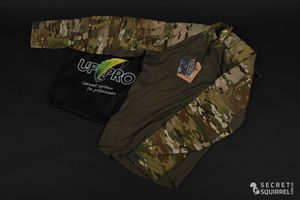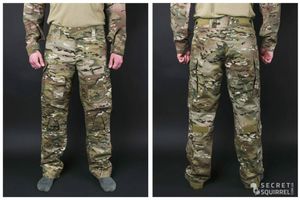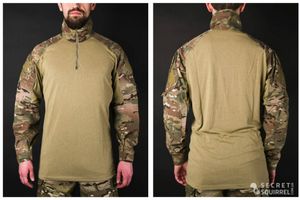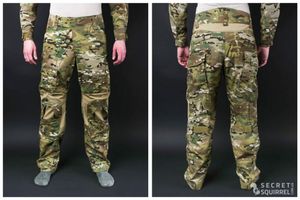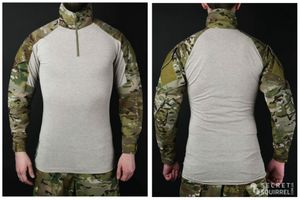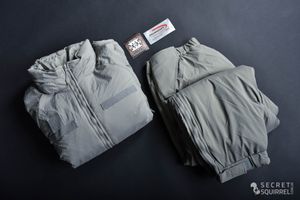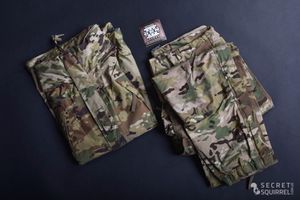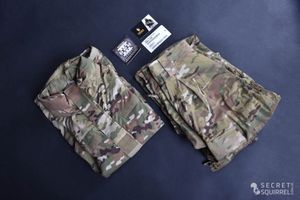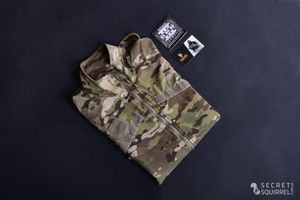
Hot air feels like it is compressing your lungs, sweat runs into your eyes, and clothing quickly becomes wet and unpleasant to the touch. In such conditions, the body operates at the limit of its capabilities, so equipment can either support a soldier and help move forward, or turn into an additional burden that slows every step. Poorly chosen clothing traps heat, sticks to the body, and drains precious energy. In contrast, well-designed tactical clothing for heat effectively wicks moisture away, allows the skin to “breathe,” and helps maintain performance even in harsh weather conditions. At the Punisher tactical clothing store, you will find gear created to perform where the environment works against you.

Consider the Environment: Heat Can Be Different
Hot conditions are not all the same. Air temperature, humidity levels, dust, or dense vegetation create completely different challenges for gear. Clothing that works effectively in a dry desert environment may be uncomfortable or even ineffective in humid jungles or during a hot Ukrainian summer. Below are the main types of hot climates and the requirements for tactical clothing for each.
Hot and Dry Climate (Deserts, Highlands)
Hot and dry climates are typical for regions such as the deserts of North Africa (Sahara), the Middle East (Arabian Peninsula), Central Asia (Gobi and Karakum deserts), the southwestern US states (Arizona, Nevada), as well as high-altitude plateaus in Central Asia and South America (the Andes). Typical features include:
-
very high daytime temperatures;
-
low humidity;
-
sharp temperature fluctuations between day and night;
-
large amounts of dust and sand.

Dry and hot areas quickly deplete the body of moisture. Sweat evaporates almost instantly, creating a deceptive sense of coolness. Dehydration here ceases to be an abstract risk and becomes a constant threat. Additionally, there are sharp daily temperature fluctuations: scorching daytime heat is replaced by cold at night, so military clothing must perform equally well in both conditions. Dust adds another challenge: it clogs the fabric’s ventilation channels, damages fibers, and reduces the efficiency of even high-quality clothing. What breathes well in a temperate climate may quickly lose its properties in a dry, dusty environment due to particle accumulation.

Optimal military clothing for dry heat:
-
Lightweight but durable – minimizes load and withstands abrasive effects;
-
Thoughtfully ventilated – to release heat without excessive dust penetration;
-
Quick-drying – allows adaptation to nighttime cooling.
During World War II, British and American units in North Africa suffered more losses from heat exhaustion and dehydration than from combat injuries. This prompted the development of specialized summer military clothing with improved ventilation.
Hot and Humid Climate: Jungles and Tropics
Central Africa, the Amazon, Southeast Asia, tropical Australia – regions where high temperatures combine with constant humidity, dense vegetation, and frequent rainfall.
High humidity presents a completely different challenge. In tropical climates, the air is already saturated with moisture, so sweat hardly evaporates. It stays on the skin, accumulates in pressure zones, and creates favorable conditions for heat rashes, fungal infections, and irritation. Adding dense vegetation, thorny vines, insect activity, and sudden tropical downpours, it becomes clear that the challenge is not only the climate but also the terrain itself.
In such conditions, ordinary ventilation is insufficient. Tactical clothing for hot and humid climates must actively wick moisture away from the body and dry quickly. This is why summer combat trousers are made from materials that do not retain water and ensure effective moisture wicking even under intense activity. Materials that retain even a little moisture quickly become heavy, sticky, and eventually a source of discomfort and hygiene problems.

Clothing for tropical conditions should be:
-
Maximally breathable – to reduce skin moisture saturation;
-
Antimicrobial – to control odors and bacterial growth;
-
Durable – able to withstand contact with tough vegetation and constant friction.
Summer in Ukraine: Heat, Humidity, and Sharp Temperature Fluctuations
Ukrainian summers have their own specifics. In many regions, daytime temperatures consistently exceed +30°C, while evenings or nights may bring sudden weather changes – drops in temperature, gusty winds, and thunderstorms.
In such conditions, the body experiences significant stress: daytime heat causes overheating, while moisture from sweat or rain creates the risk of cooling at night. The environment also plays a role. In open field and steppe areas, high temperatures are accompanied by dust, which, combined with rain, creates aggressive conditions for gear. Therefore, clothing must not only provide comfort but also maintain protective properties throughout the day, regardless of the weather. In particular, tactical shirts should be made from strong, durable materials that withstand contact with dust, moisture, and constant friction without losing their functional properties.

Tactical clothing adapted to Ukrainian summer should meet the following requirements:
-
Lightweight and thoughtfully ventilated – materials should promote heat dissipation, especially in high-load areas.
-
Quick-drying – ability to rapidly remove moisture after rain or intense sweating.
-
Sun protection – fabrics with UV filters for prolonged exposure outdoors.
-
Hygiene – properties that prevent odor and microorganism growth.
-
Durability – resistance to contact with vegetation, soil, and hard surfaces.
-
Adaptive fit – ability to adjust fit and ventilation according to changes in weather and activity.
In the reality of Ukrainian summer, tactical clothing must be maximally versatile – lightweight and breathable for hot days, practical and quick-drying for cool evenings.

What You Should Know Before Buying Tactical Clothing for Heat
It is clear that choosing the right tactical clothing for a hot climate affects comfort, efficiency, and safety during activity. Therefore, let’s break down what should be considered first in order to select the optimal set for hot weather.
1. Material Selection
For hot climates, tactical clothing is made from high-quality materials – nylon, polyester, and cotton – which are distinguished by their strength and durability. Some brands use technologies that allow fabrics to dry quickly and provide UV protection.
-
Nylon: resistant to tears and capable of withstanding active use.
-
Polyester: quickly wicks moisture away, keeping the skin dry during intense activity.
-
Cotton: a natural material that “breathes” and ensures comfort in contact with the body.
According to the experience of users and tactical equipment specialists, combining these materials in garments provides an optimal balance of comfort and durability.
2. Functionality and Comfort
Tactical clothing is equipped with pockets, size adjustment systems, durable zippers, and fasteners, ensuring convenient storage and quick access to essential items.
-
Special pockets for accessories.
-
Size adjustment to fit the user’s body.
-
Secure closure of pockets during active movement.
-
Ventilation openings, proper fit, and padding in critical areas.
3. Recommended Brands and Models
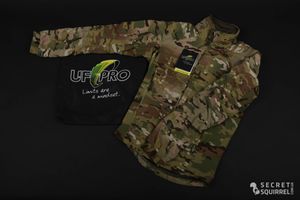
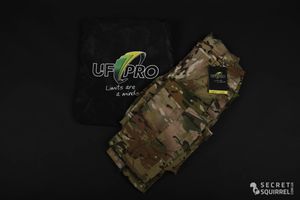
For hot weather, it is important to choose lightweight and ventilated clothing. Trusted brands include Helikon-Tex, Emerson, UF PRO, Crye Precision, and contract manufacturers. They offer shirts, pants, and jackets with excellent ventilation and UV protection. It is also recommended to pay special attention to protection against insects and pests.
In addition, caring for the clothing is no less important than choosing it, as it directly affects the lifespan of the set.
|
Clothing Care in Hot Weather |
|
|---|---|
|
Category |
Recommendations |
|
Washing and Drying |
Turn clothing inside out and close all fasteners. Use mild detergents without bleach. Dry in the shade, avoiding direct sunlight. |
|
Storage |
Ensure clothing is dry before storage. Keep it in a dry, ventilated place protected from sunlight. For travel – use breathable bags or pouches to avoid dust and moisture. |
|
Additional Recommendations |
Regularly remove stains and dirt with a soft sponge or specialized products. Check the condition of zippers and seams before long-term use. |
Hot conditions place serious demands on gear: a poor clothing choice quickly turns it from an assistant into a burden, while a well-thought-out set helps maintain performance and comfort even on the hottest days. When choosing tactical clothing for heat, pay attention to materials, functionality, and protection from external factors, as these determine effectiveness and safety during activity. Properly selected tactical clothing, suited to the climate and local conditions, helps not only to endure the heat comfortably but also to maintain combat efficiency and safety. The range of Punisher tactical clothing specializes in equipment for real operational conditions and offers various sets that meet all requirements, ensuring reliability and functionality in any environment.

Vitaliy Bunyak — author of the article
Military consultant
Until 2022, he worked as a salesman at the Panisher store. After the start of the full-scale invasion, he joined the Armed Forces of Ukraine, gaining practical experience on the battlefield.
Thanks to his combat experience and in-depth knowledge of equipment, Vitaliy is the Panisher online store's personal expert on:
- Clothing and footwear
- Equipment
His recommendations help customers choose reliable and functional equipment for all conditions.