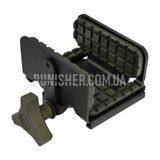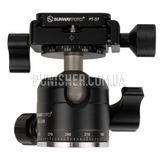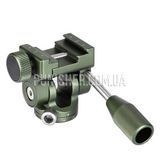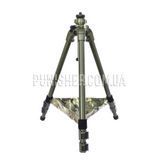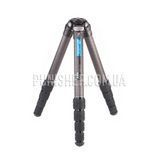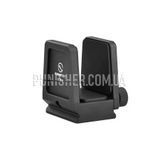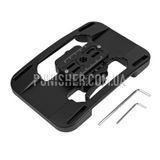
High-precision shooting at medium and long ranges is not just about high-quality ammunition and correct adjustments. The shooter's stable position plays a key role. Even perfectly calculated ballistics won't work if the weapon "wobbles" at the moment of trigger pull.
From my own experience, I can say: I saw the biggest increase in precision not after replacing the scope, but after switching to a high-quality rifle tripod. It was the rigid and predictable support that allowed the system's full potential to be realized.
In this article, together with the Punisher tactical gear store, we will look at how to choose a tactical or hunting tripod, what to look for in the specifications, and which technical nuances actually affect the result.
Why is a Tripod Better Than Shooting Sticks?
Previously, hunters actively used shooting sticks, but modern carbon fiber shooting tripods significantly surpass them in stability and functionality.
A tripod allows you to:
-
Create a rigid platform for shooting;
-
Conduct observation through binoculars or a spotter;
-
Work with a thermal imager or camera;
-
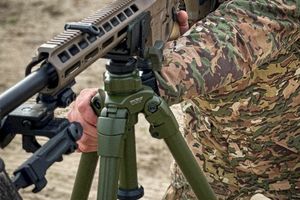
Shoot from various positions – standing, kneeling, or almost from ground level.
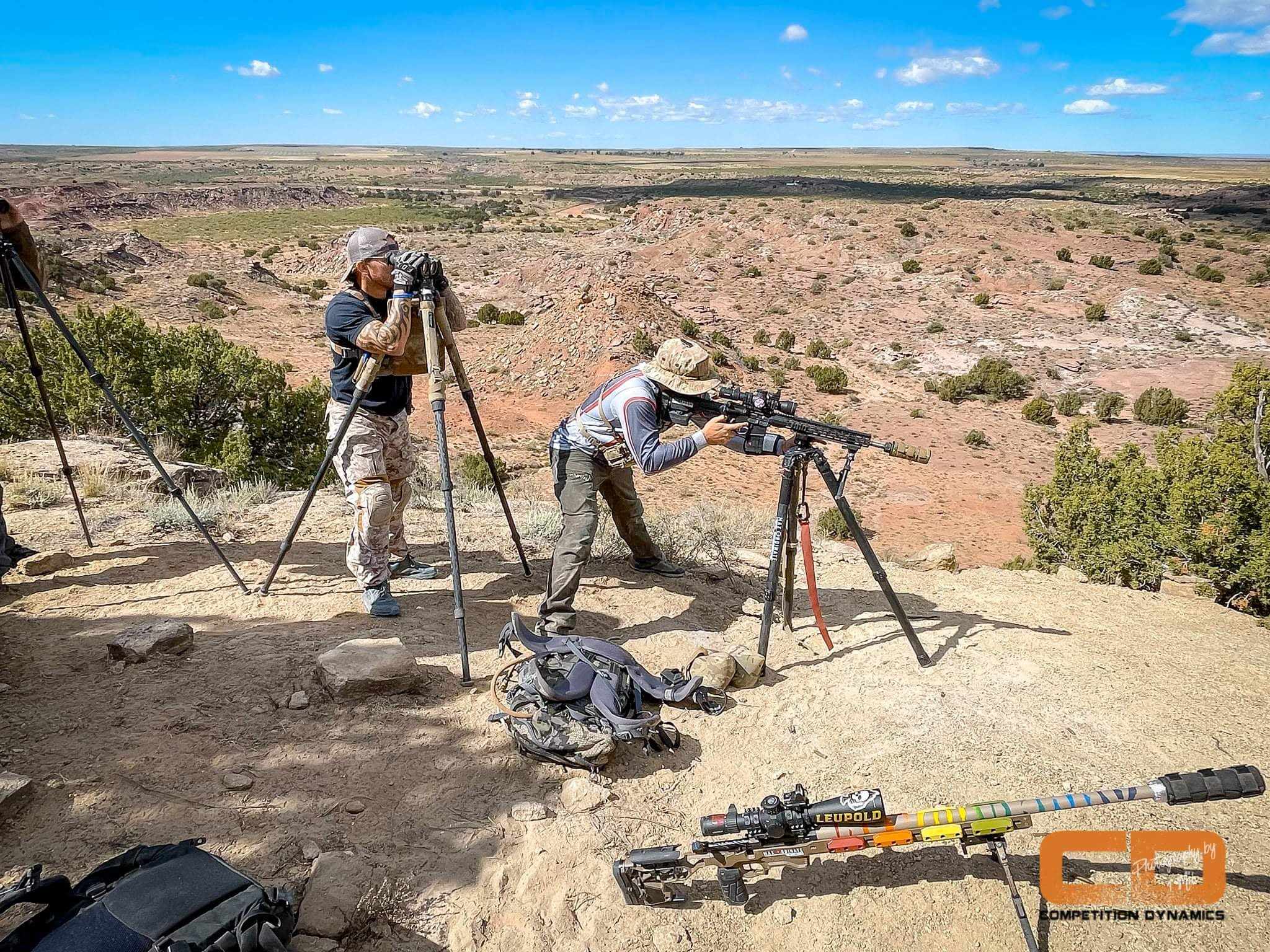
Durability is More Important Than Marketing
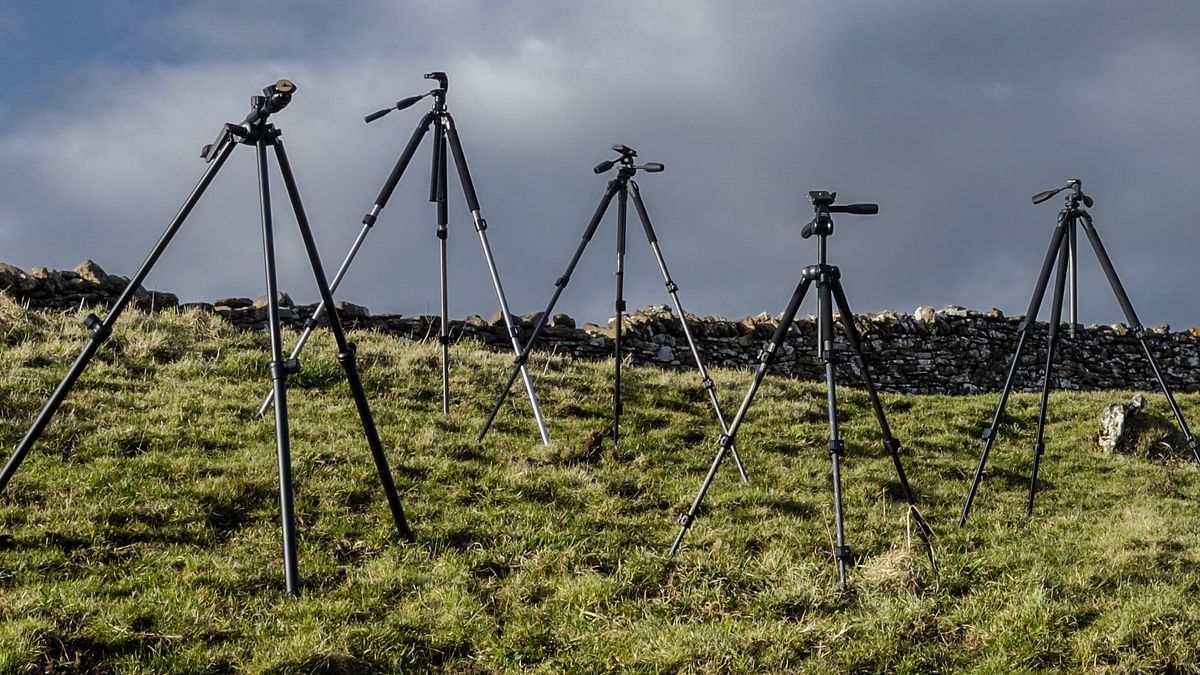
A modern shooting tripod must be both lightweight and rigid. Carbon fiber legs combined with 6061-T6 aluminum components have become the standard precisely because they provide the right balance between mobility and endurance. The weight of high-quality models can range from just over one kilogram to four, but a "dry" number doesn't tell the main story – how the tripod behaves under load.
Shooters often fail to distinguish between the load capacity of the head and the tripod itself. These are fundamentally different parameters. If a ball head can withstand a theoretical 20 kg, it doesn't mean the entire structure will be stable under such a load. I always recommend factoring in a safety margin of at least one-third of the actual weight of the system. Recoil and micro-vibrations create additional dynamic loads that are not accounted for in the "pretty" figures of the spec sheets.
By the way, hanging a backpack or bag on the hook can radically change the tripod's behavior in gusty winds. This simple solution is often underestimated, but in real field conditions, it works better than any advertising promises.
Most modern shooting tripods are structurally based on photo tripods for heavy telephoto lenses. It was the development of sports photography that led to the emergence of lightweight but ultra-strong carbon platforms, which were later adapted for tactical shooting.
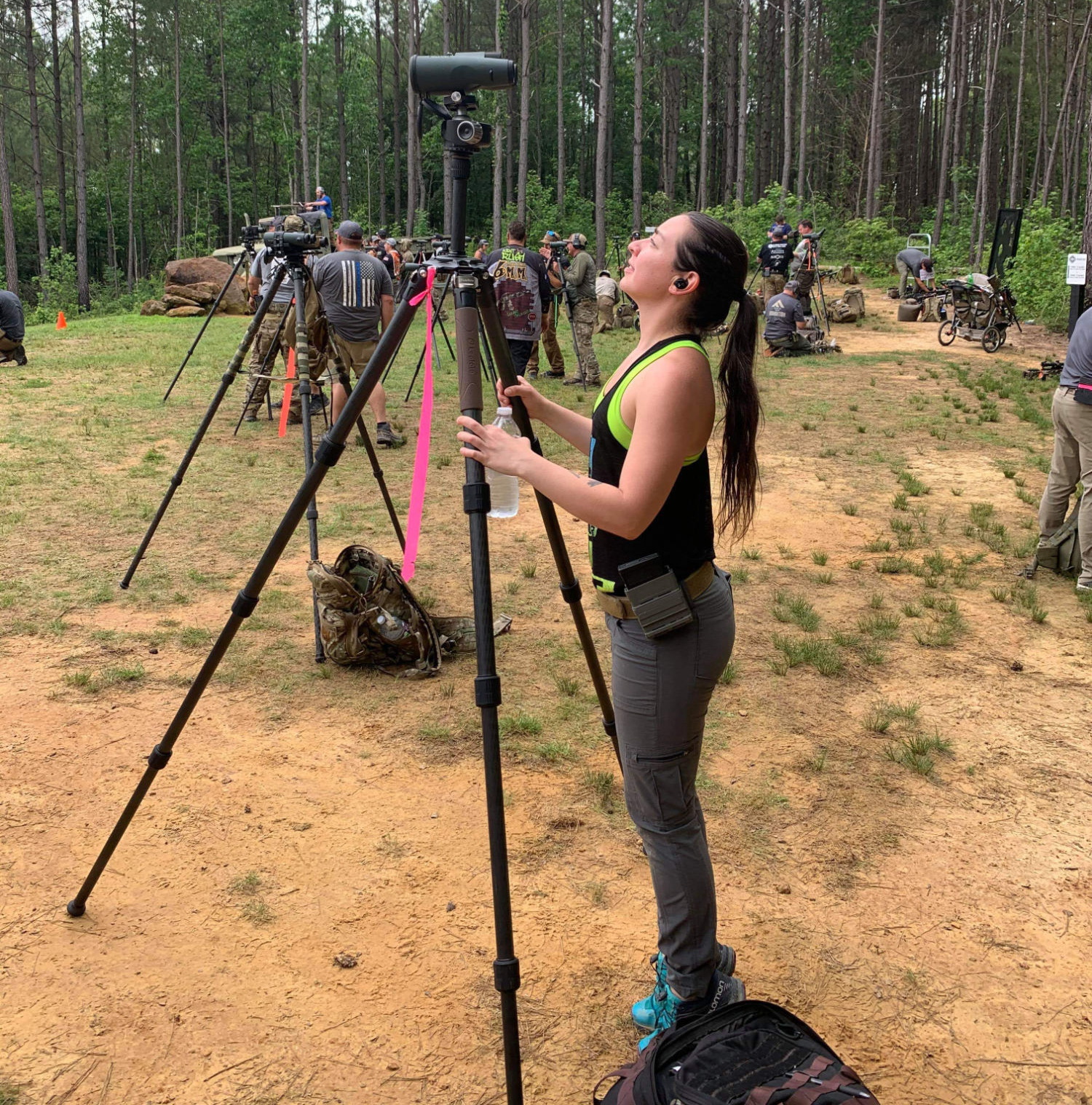
Legs: The Geometry of Stability
Many look only at the height of the tripod, but much more important is how exactly the legs deploy. The ability to change the spreading angle allows you to work both standing and nearly from ground level. If there are few locking angles or they lock weakly, the rigidity of the structure drops immediately.
The number of sections also affects the nature of the work. More sections mean more height options and a more compact folded size, but also more potential points of play (slop). In field conditions, I prefer three-section legs – they deploy faster and feel more monolithic.
Central Column: Convenience or Compromise?
A central column adds height, but any additional extension is potential flexibility. The taller and thinner the column, the higher the probability of parasitic oscillations. If the task involves shooting from a low position or requires maximum stability, you should consider tripods with a removable or minimal central column.
I have repeatedly encountered situations where a few extra centimeters of height cost stability during aiming. Conversely, a lowered center of gravity provides a feeling of a monolith.
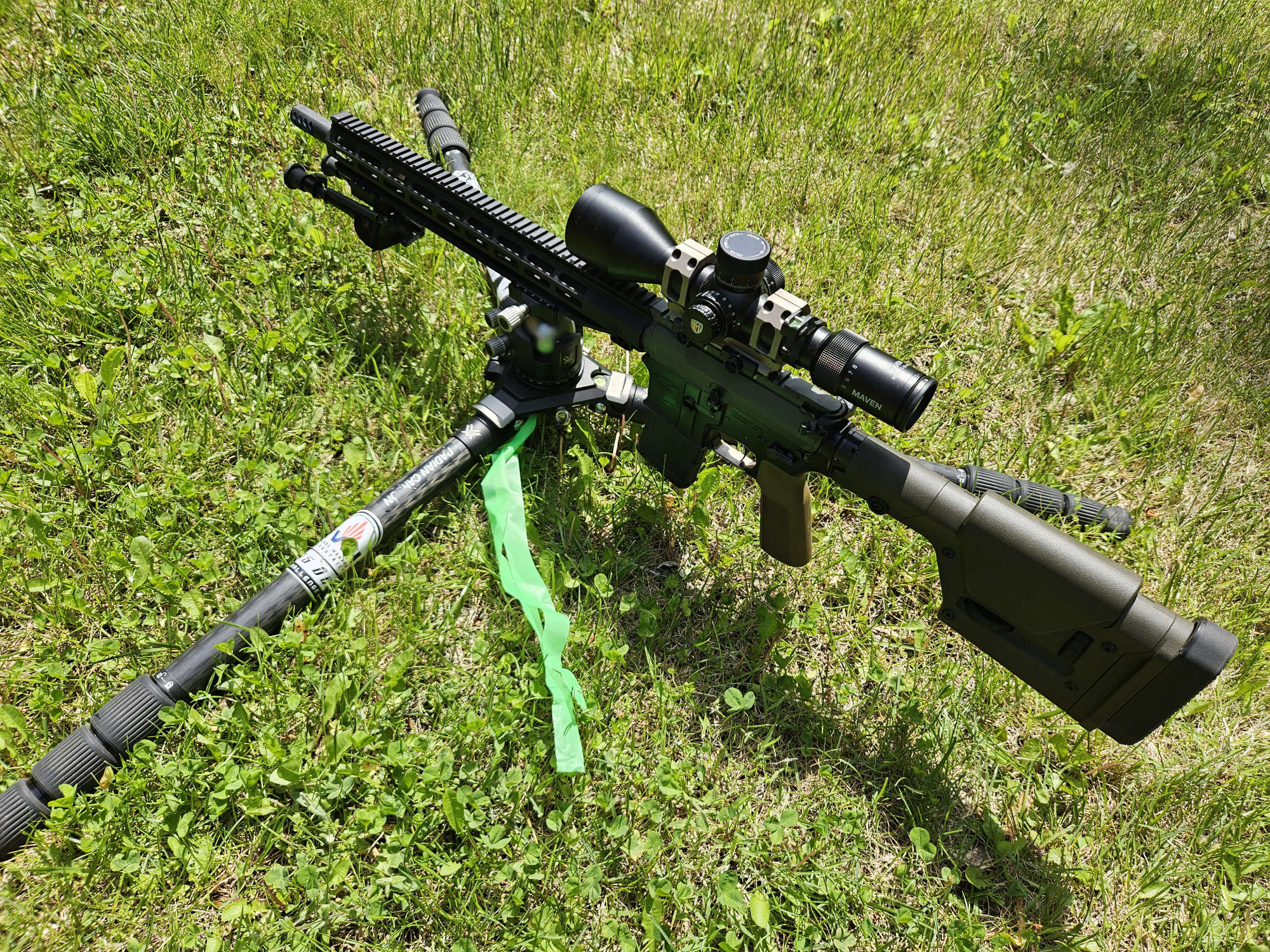
Many modern tactical tripods have "roots" in sports photography. The need to hold heavy telephoto lenses weighing over 5-7 kg forced manufacturers to develop ultra-rigid carbon structures. Later, shooters adapted these technologies to their needs.
The Head – The Heart of the System
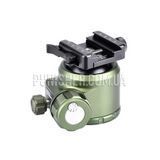
The ball head has effectively become the standard for shooting tripods today. It allows you to quickly set the rifle in the desired plane and lock it rigidly. The key here is not the smoothness of movement, but the ability to withstand the load without sagging. Even a minimal micro-shift after locking can negate a precise shot.
Panoramic heads are great for filming or observation, but they are less versatile for shooting. Weapons with protruding elements often complicate rotation along the axis, and this is felt during operation.
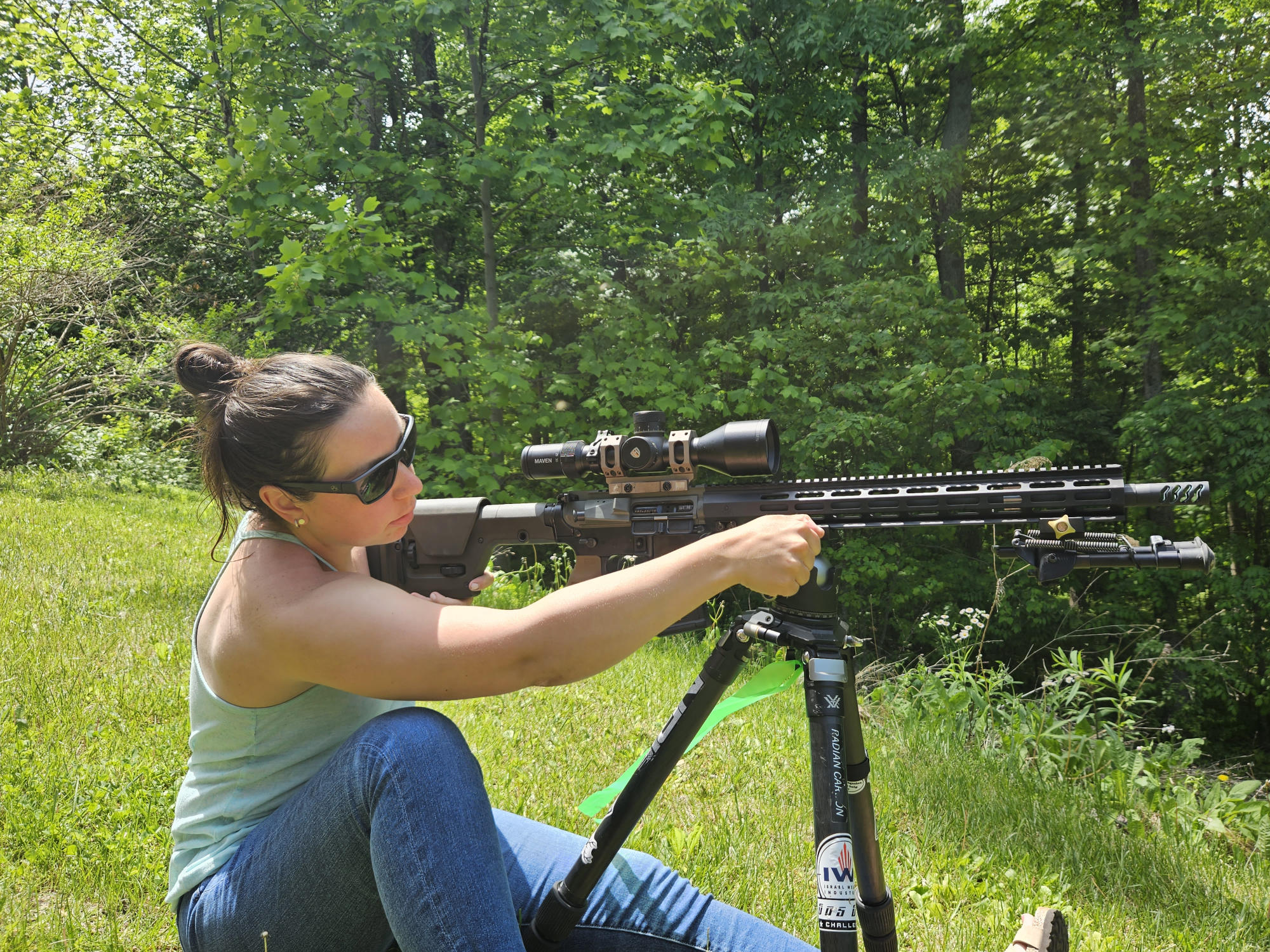
Mounting and the ARCA Standard
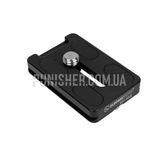
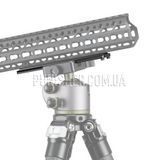
Today, the ARCA-rail has become a nearly universal standard in the world of high-precision shooting. It allows you to quickly mount a rifle on a tripod and just as quickly remove it. The main thing is to check the thread compatibility and the geometry of the adapter. An incorrectly selected mounting unit creates play that is hard to notice immediately but shows up in the results.
Over time comes the understanding that accuracy is not an accident or "luck with the barrel." It is a combination of small, sometimes invisible decisions that work together.
From personal practice: A correctly selected ARCA system saves time on deployment and minimizes play.
In world-class long-range shooting competitions, you can increasingly see the same tripod being used for both observing targets and taking the shot. This isn't about saving gear – it's a pursuit of platform unification and predictability.
Over years of working with various systems, I have become convinced: accuracy is not a "magical" property of the rifle, but the result of the entire platform's stability. If a tripod has play, weak locks, or insufficient load capacity, you will compensate for it with your muscles. And muscles always mean micro-movement.
The ideal tripod is the one you forget about while shooting. A correctly chosen rifle tripod is not an accessory, but part of the shooting system. If your goal is stable groupings and a predictable result, invest in a rigid, reliable platform. Accuracy always begins with support.

Vitalii Buniak — article author
Military gear consultant
Before 2022, he worked as a sales assistant at the Panisher store. After the start of the full-scale invasion, he joined the Armed Forces of Ukraine, gaining real combat experience.
Thanks to his combat experience and deep knowledge of tactical gear, Vitalii serves as a personal expert of the Panisher online store in the fields of:
- Clothing and footwear
- Equipment
His recommendations help customers choose reliable and functional gear for any conditions.
FAQ. Quick Answers to Common Questions
1. Can I use a regular photo tripod for shooting?
2. What tripod weight is optimal for field conditions?
3. Is a central column mandatory?
4. Is an ARCA rail mandatory?