In modern firearm operation, the choice of sighting systems is particularly critical. While rear and front sights used to be the standard, today's user has access to a wide range of solutions: from classical to high-tech.
Low-magnification optics are a category of sights with little to no magnification that provide rapid targeting and versatility. They are used by military personnel, hunters, athletes, and airgun owners alike. Therefore, this overview from our guide at the Punisher military store will be useful for anyone looking to choose the most efficient option.
What Are Low-Magnification Sights and Why They Matter
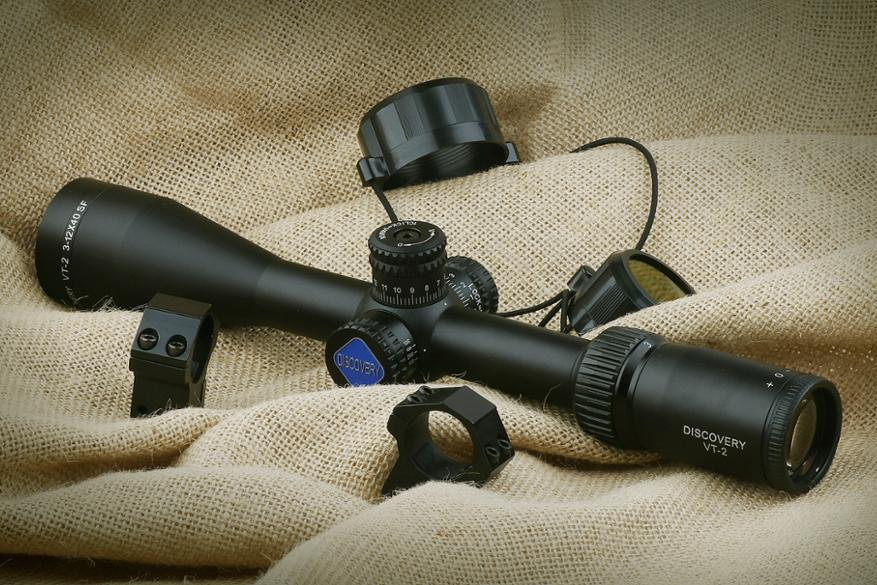
This category includes: collimator sights (red dots), prismatic sights, variable optics like LPVO (low-power variable optic), and systems that use a Magnifier.
Their main advantage is the balance between target acquisition speed and sufficient accuracy at short to medium ranges.
In practice – most users overestimate the need for high magnification. In real-world conditions, sighting speed is more important than maximum magnification power.
Many modern special operations units use low-magnification optics, since most firefights take place at ranges of up to 300 meters.
Collimator Sights: Speed and Simplicity
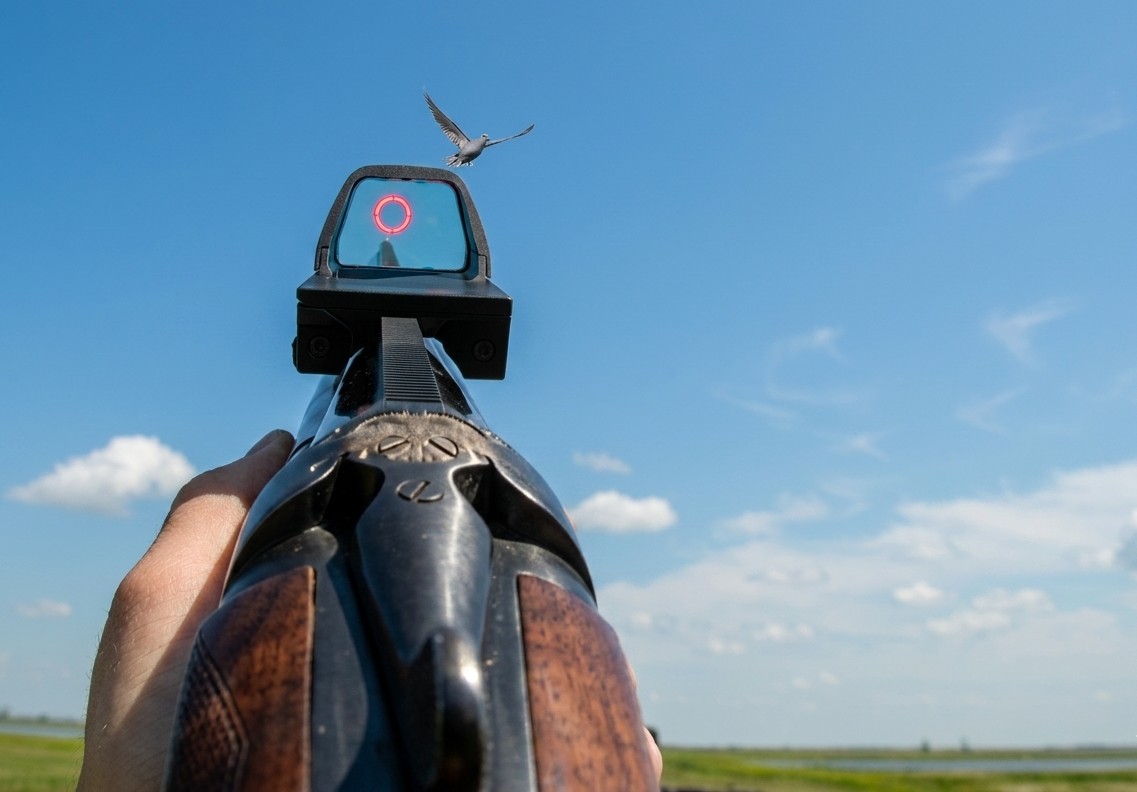
A collimator sight is essentially an electronic sight that projects a dot or reticle onto a lens. It has no magnification but provides maximum speed.
Popular brands like Aimpoint have become the standard in the military environment.
The collimator is the choice for close-quarters battle (CQB). For distances up to 100-150 meters, it is the most effective solution.
Modern collimators like Aimpoint can operate for years without a battery change – this is one of the reasons for their popularity among the military.
Prismatic Sights: Clarity and Reliability
A prismatic sight is a compromise between a collimator and classic optics. It features fixed magnification and an etched reticle that works even without power.
Brands like XD Precision or ELCAN offer solutions that are often used as an alternative to traditional optics.
This type of sight is well-suited for those who want more accuracy without losing compactness.
Optical Sights: Versatility and Accuracy
A low-magnification optical sight (1-4x, 1-6x) is a universal option for various tasks. This is the type most commonly used as a primary optical sight for hunting or sports.
Brands like Leupold, Bushnell, and Hawke have long established themselves in this niche.
The airgun segment is also worth mentioning: an air rifle with an optical sight or a sight for an airgun is one of the most common usage scenarios.
In many cases, an optical sight for an airgun requires a special mount due to the unique recoil characteristics of airguns.
Magnifier: System Flexibility
A Magnifier is an additional module installed behind a collimator to provide magnification. This solution allows for quick switching between modes: close combat and medium distance.
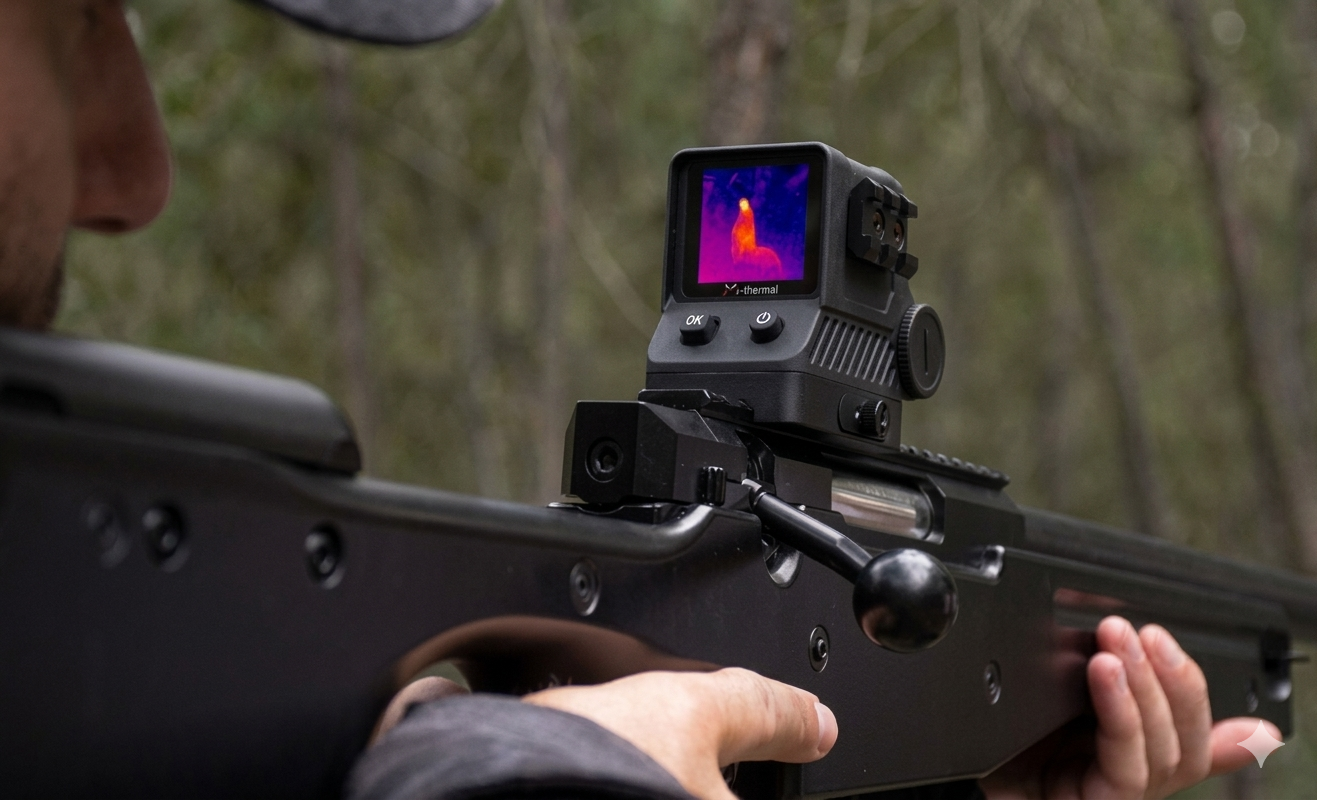
Thermal and Night Sights
Although they are not part of classic low-magnification systems, solutions such as thermal sights or night vision sights are worth mentioning. They are used in specific conditions – at night, in low visibility, or for reconnaissance.

Laser Systems and Auxiliary Optics
An additional tool can be a laser designator (LDP/LS), which complements the primary sight. There are also diopter sights and various versions of mechanical systems used as backups.
How to Choose a Sight for the Task
The choice depends on the usage scenario. For rapid fire, a collimator is better. For versatility, a low-magnification optical sight is preferred. If compactness and reliability are needed, look into prismatic solutions.
The most common mistake is buying a "universal" sight without understanding the task. As a result, it is not ideal for any specific use.
High-magnification sniper systems are often less effective at short distances than a simple red dot sight.

The modern market offers a vast selection of sighting systems: from basic to high-tech. Understanding the difference between them is the key to effective use. A properly selected sight is not just an accessory, but a tool that directly affects the outcome.

Vitalii Buniak — article author
Military gear consultant
Before 2022, he worked as a sales assistant at the Panisher store. After the start of the full-scale invasion, he joined the Armed Forces of Ukraine, gaining real combat experience.
Thanks to his combat experience and deep knowledge of tactical gear, Vitalii serves as a personal expert of the Panisher online store in the fields of:
- Clothing and footwear
- Equipment
His recommendations help customers choose reliable and functional gear for any conditions.
FAQ. Answers to Frequently Asked Questions
1. Which is better: a collimator or an optical sight?
2. What is a magnifier?
3. Is an optical sight suitable for an airgun?
4. Which sight is the most universal?