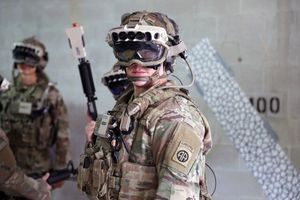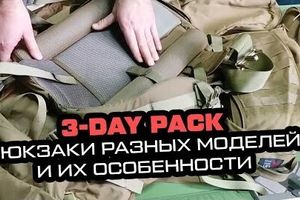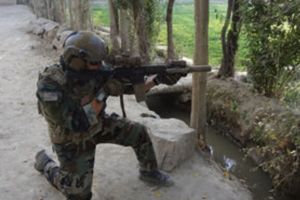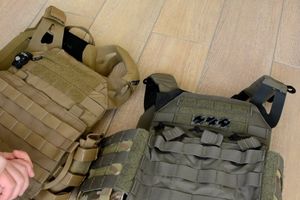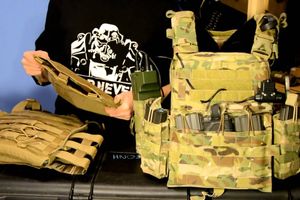
Modern tactical gear has long evolved beyond a "standard set" and has become a tool that adapts to specific tasks. One of the key elements of such equipment is the Belt and Shoulder System (BSS) or Personal Load Carrying Equipment (PLCE). To put it simply, BSS is a platform for the uniform distribution of equipment weight, allowing you to work longer, faster, and without overload.
Regardless of how the question "what is BSS" or "RPS meaning" is phrased, it is highly relevant today not only for the military. These systems are actively used by hunters, sport shooters, and anyone working with loads in the field. We are embarking on a detailed educational journey through the rules and tips for using BSS, guided by the Punisher military store.


What is a BSS and How It Works
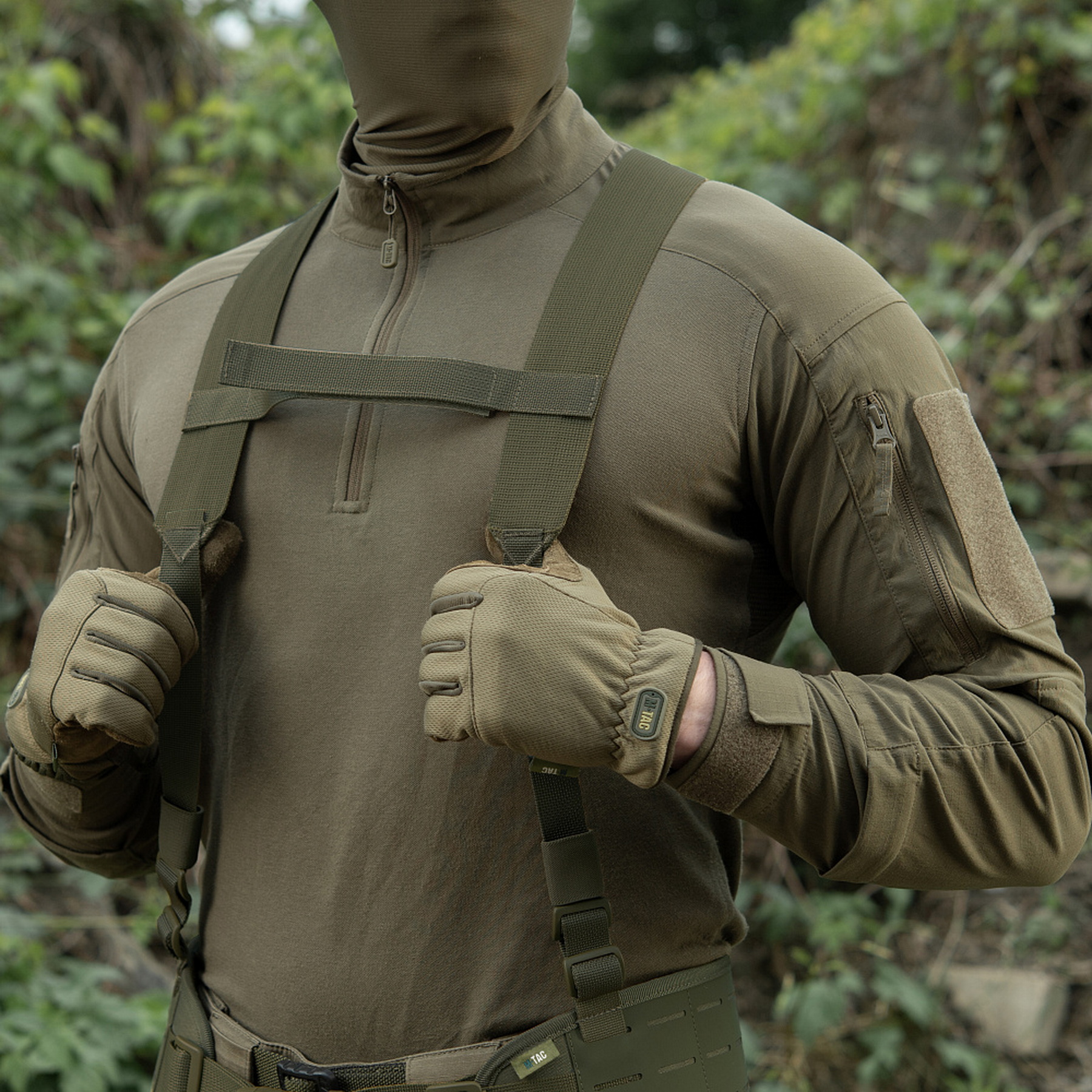
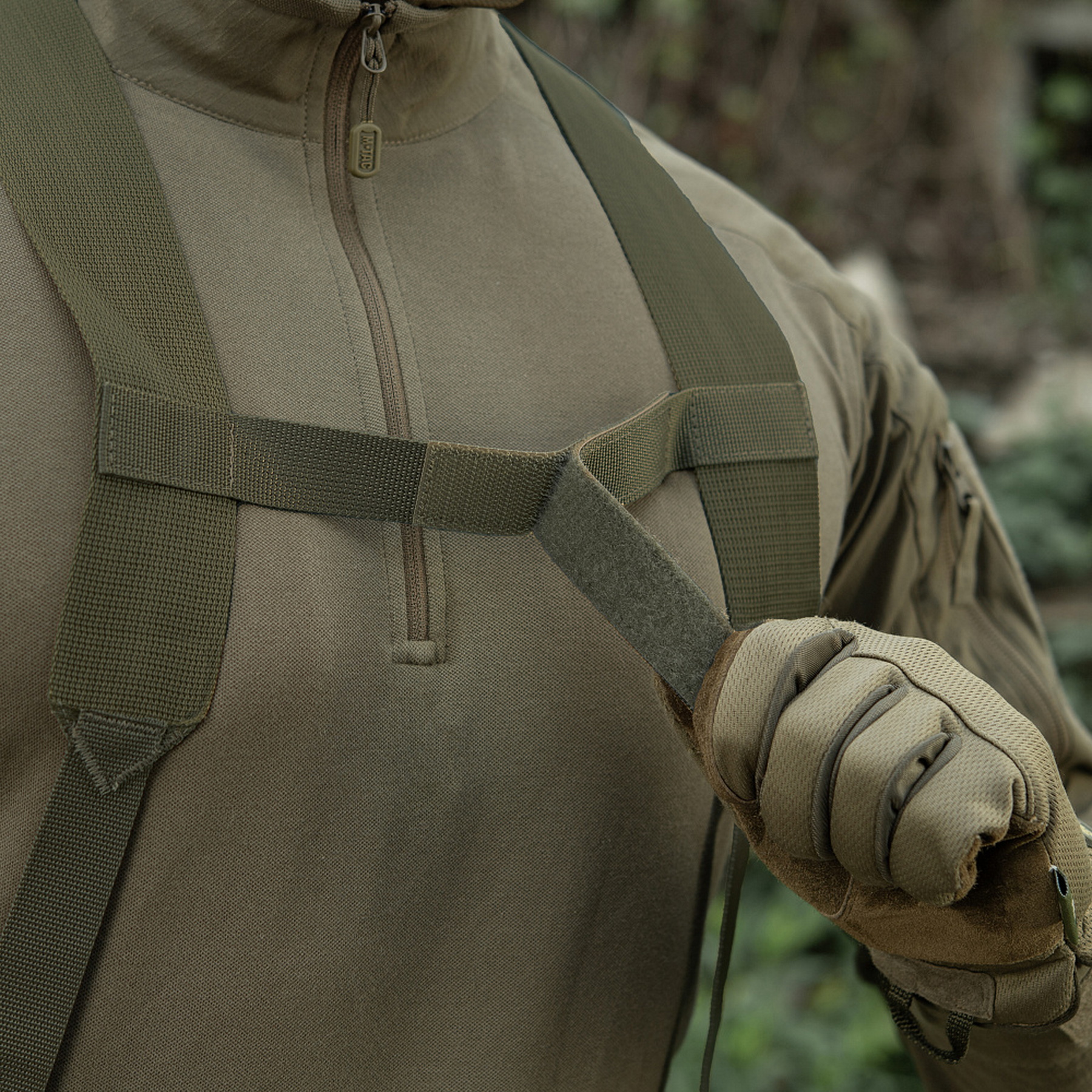
Looking deeper into what an AFU BSS (Armed Forces of Ukraine Belt and Shoulder System) is, it’s not just a belt with pouches, but a well-thought-out load-bearing system. It consists of a belt, shoulder straps, and modular attachments that allow you to adapt the configuration to a specific task.
The core idea is to shift part of the weight from the shoulders and back to the pelvis, which significantly reduces fatigue during long-term wear. This is why belt-and-shoulder systems remain relevant even in the era of widespread plate-carrier use.
In practice, a properly adjusted BSS is often more comfortable than a bulletproof vest for tasks without direct contact. It provides more mobility and "overheats" the body less.
Principles of BSS Operation: What Is Important to Consider
Understanding the principles of a BSS helps to avoid common mistakes. Balance and the logic of equipment access are paramount here.
The system should:
-
distribute weight evenly;
-
not restrict movement;
-
provide quick access to critical items.
When these principles are violated, even the most expensive system performs worse than a simple but correctly configured one.
The first BSS prototypes appeared in the mid-20th century, but modern modular systems are much more efficient thanks to the MOLLE standard.
How to Properly Choose a BSS for Your Tasks
Selection always starts with the task. A BSS for assault operations, patrolling, or range shooting requires different configurations.
In short:
-
For mobile tasks – minimum weight;
-
For long-range missions – balance and distribution;
-
For shooting – quick access to magazines.
This is why the question of "how to properly wear a BSS" cannot be separated from the usage scenario.
The most common mistake is copying someone else’s configuration. What works for one person might not necessarily work for you.
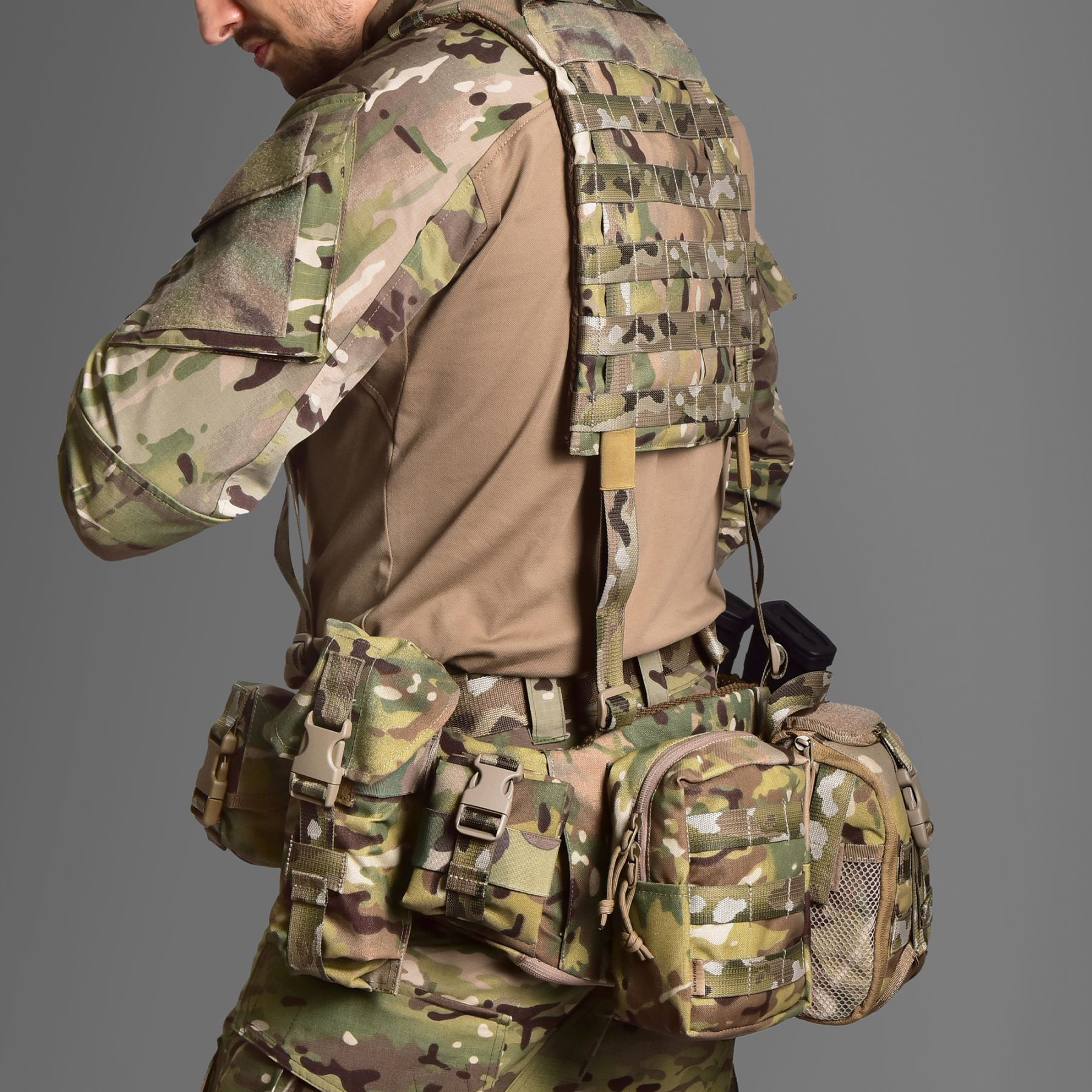

Pouch Placement: Logic and Practice
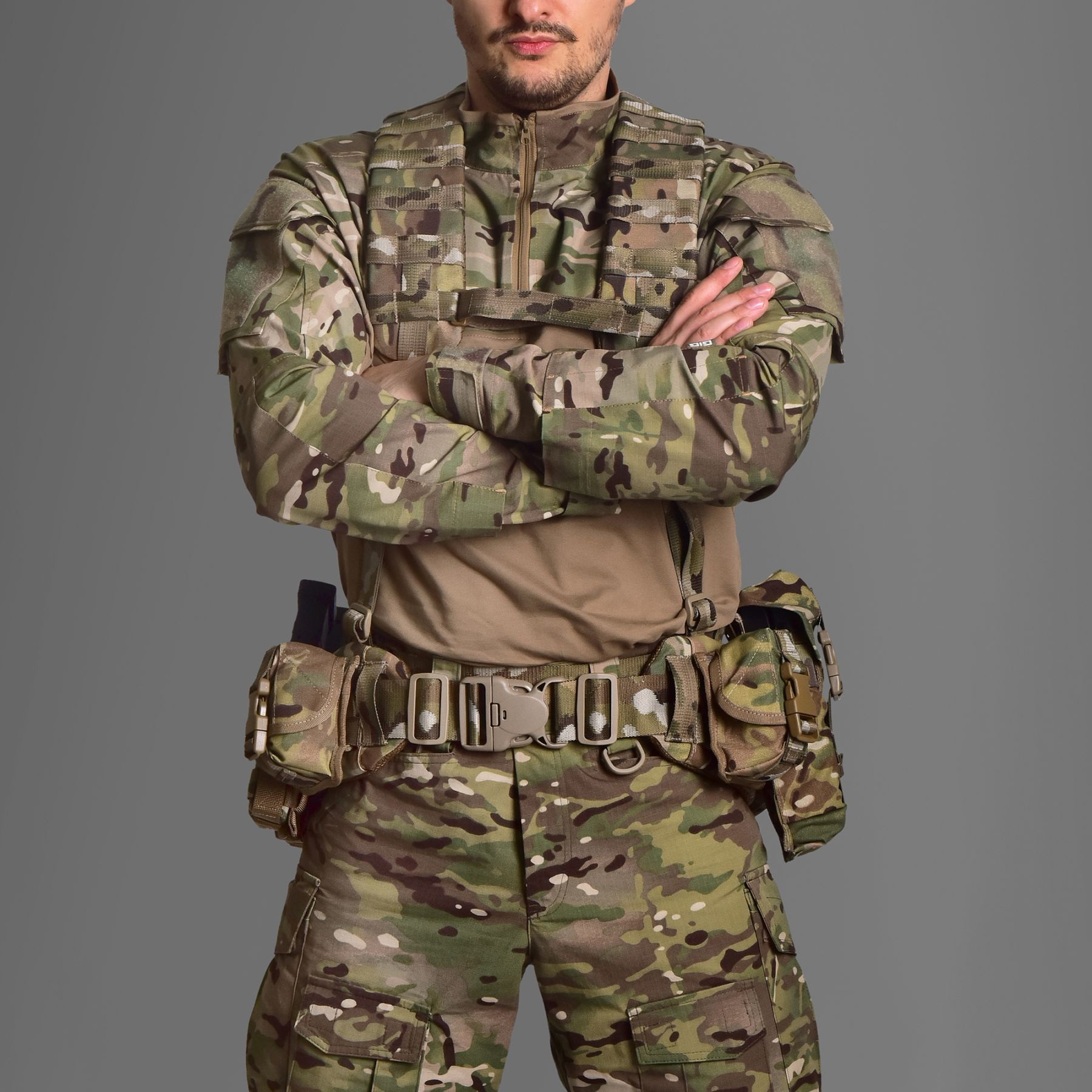
The topic of pouch placement on a BSS is one of the most important. Operational speed and even safety depend on it.
The key principle: everything used frequently must be accessible without changing your body position. Magazines, a first aid kit, a radio – every item must have its place.
It is also vital to avoid overloading one side. An imbalance quickly leads to fatigue and loss of efficiency.
In professional units, gear placement is often standardized so that a soldier can intuitively find a necessary item even on their partner.
How to Wear a BSS Correctly
Questions like "how to wear a BSS" and especially "how to properly wear a BSS" arise for a reason. Incorrect adjustment negates all the advantages of the system.
The BSS should fit snugly but not restrict breathing. The belt should carry the main weight, while the shoulder straps should only stabilize the system.
Another important point is the ride height. Placing it too low hinders movement; too high overloads the shoulders.
As practice shows, proper adjustment takes more time than choosing the BSS itself. But that is exactly what delivers results.
Common Mistakes When Using a BSS
One of the most frequent problems is excessive loading. The desire to take "everything at once" makes the system cumbersome and slow.
Another mistake is ignoring individual physical characteristics. The BSS should adapt to the person, not the other way around.
The importance of testing is also often underestimated. A configuration that feels comfortable at home might prove unusable in motion.
Even a minor weight shift of 1-2 kg to one side can significantly affect endurance during prolonged movement.


A Belt and Shoulder System is not just a piece of equipment, but a tool that directly affects efficiency and comfort. Understanding what a BSS is, its principles, and proper adjustment allows you to maximize the system's potential.
The golden rule is adaptation to the task. This is what distinguishes an effective system from a simple set of pouches.

Vitalii Buniak — article author
Military gear consultant
Before 2022, he worked as a sales assistant at the Panisher store. After the start of the full-scale invasion, he joined the Armed Forces of Ukraine, gaining real combat experience.
Thanks to his combat experience and deep knowledge of tactical gear, Vitalii serves as a personal expert of the Panisher online store in the fields of:
- Clothing and footwear
- Equipment
His recommendations help customers choose reliable and functional gear for any conditions.
FAQ. Answers to Frequently Asked Questions
1. What is BSS (PLCE) in simple words?
2. How does a BSS differ from a plate carrier?
3. How to properly place pouches, and how much weight can be carried on a BSS?
4. Is a BSS suitable for civilian use?