Camouflage is more than just the coloring of things. It is the art of visual disappearance on the terrain, the science of deceiving the human eye, and true magic for those who want to stay invisible right under the nose of an enemy or prey. Let’s dive deeper into the topic and find out what it is like, how it appeared, its key features, what it is ideal for, where it can be seen, and what place Coyote occupies among other camouflage patterns.
What It Is Like
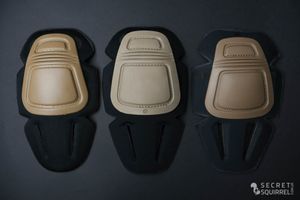
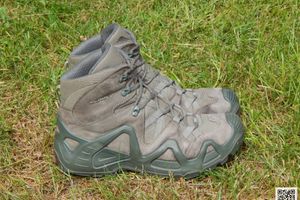
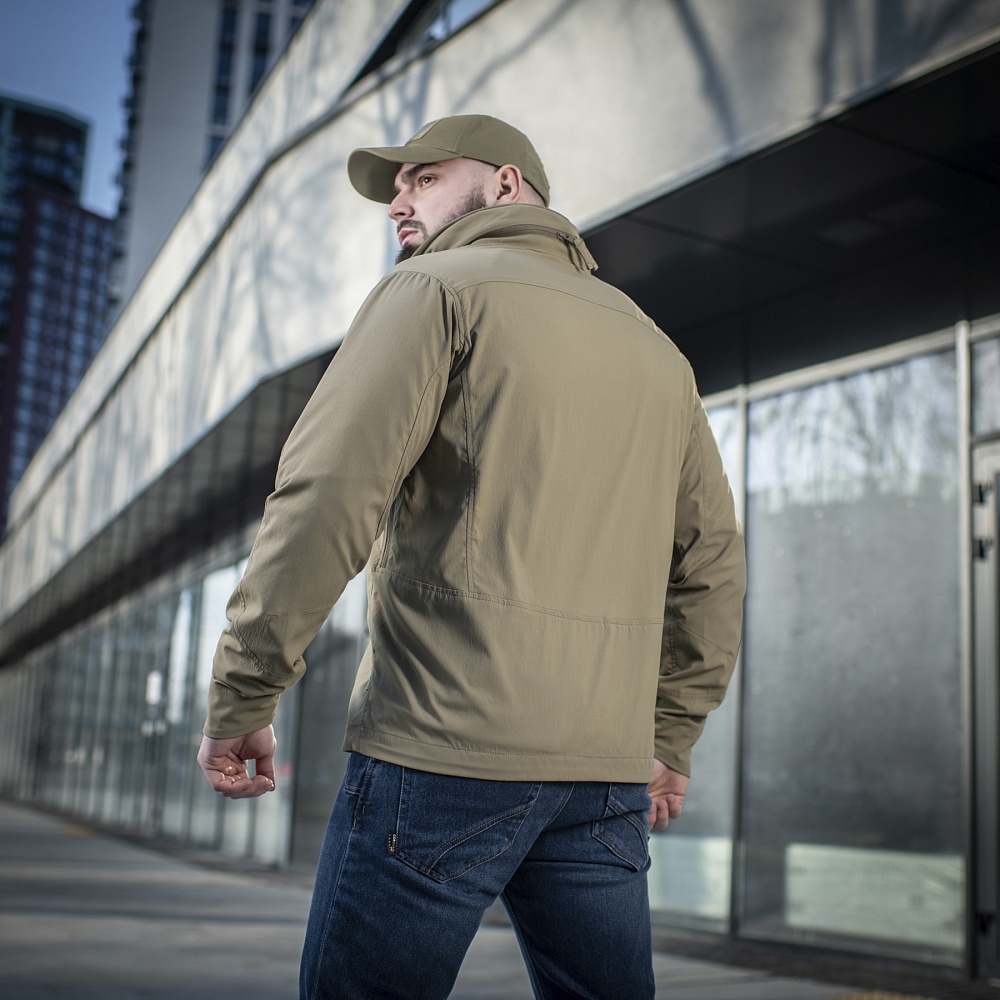
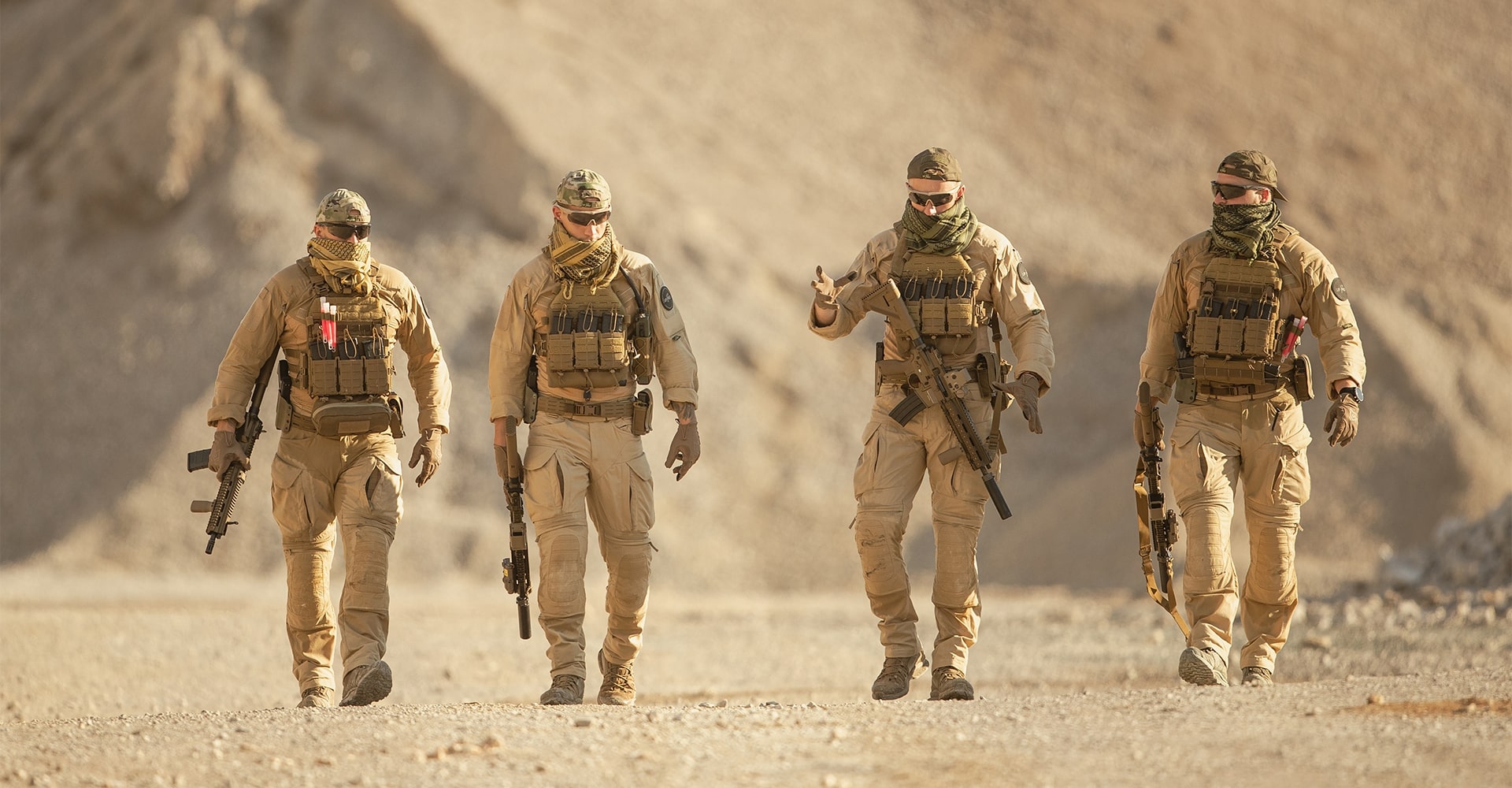
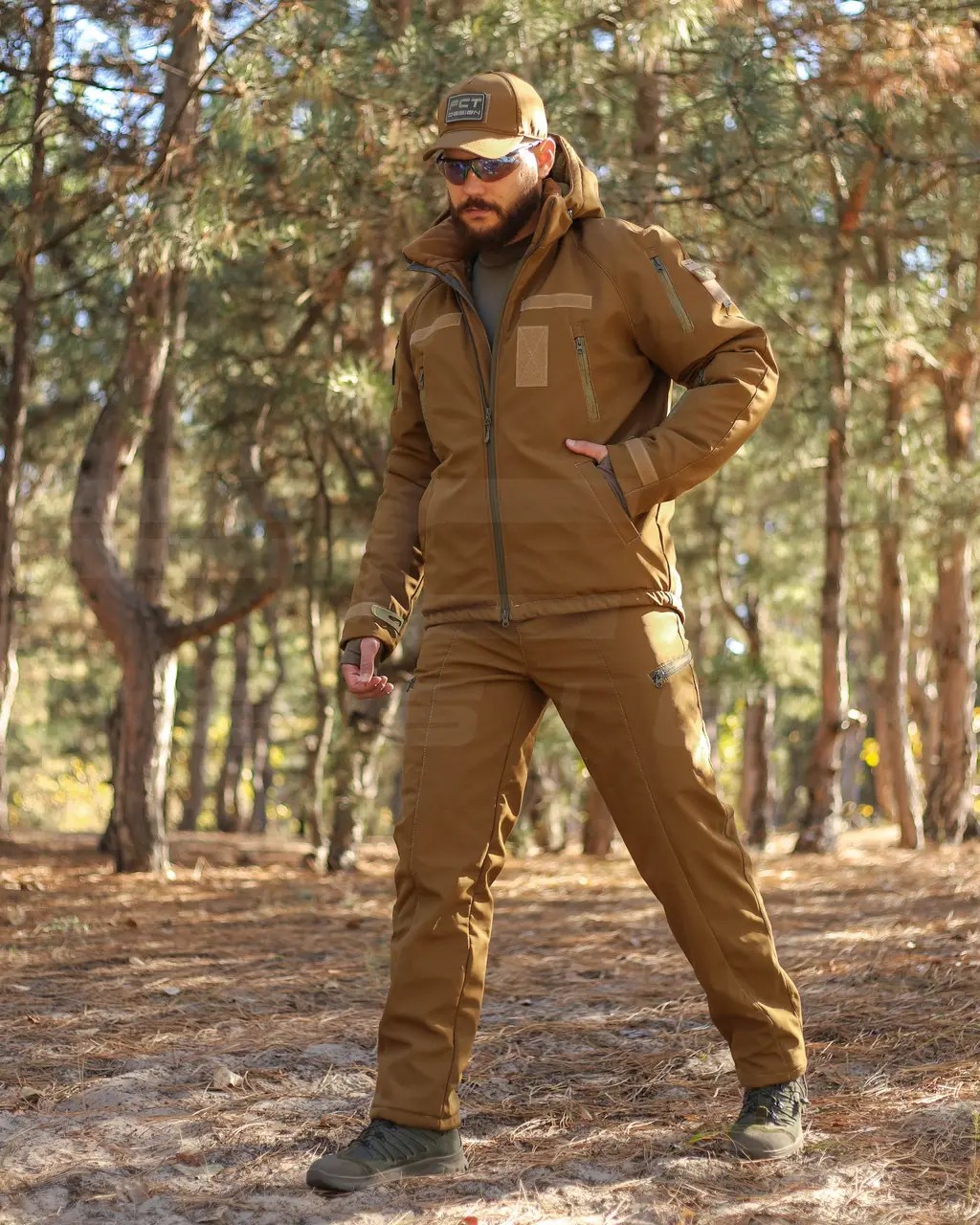
Coyote color is a warm, versatile sandy-brown shade designed for masking in deserts, steppes, autumn forests, and urban environments. This is because it matches the general palette of the terrain as closely as possible, dissolving both the item and its owner within it.
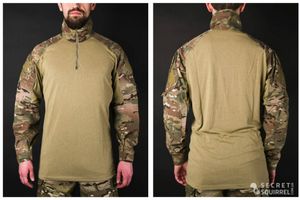
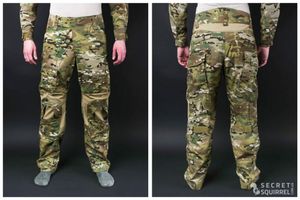
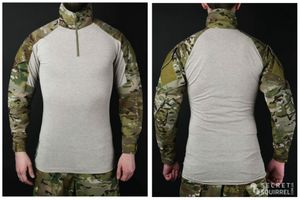
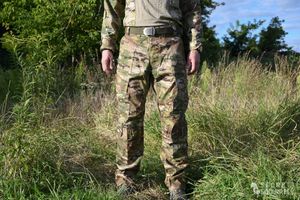
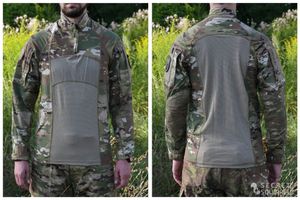
It also pairs well with olive or black colors and other camouflage patterns (especially MultiCam). Thanks to its functionality and understated look, it is used to provide masking properties to military, hunting, and fishing apparel and accessories, or for styling civilian items.
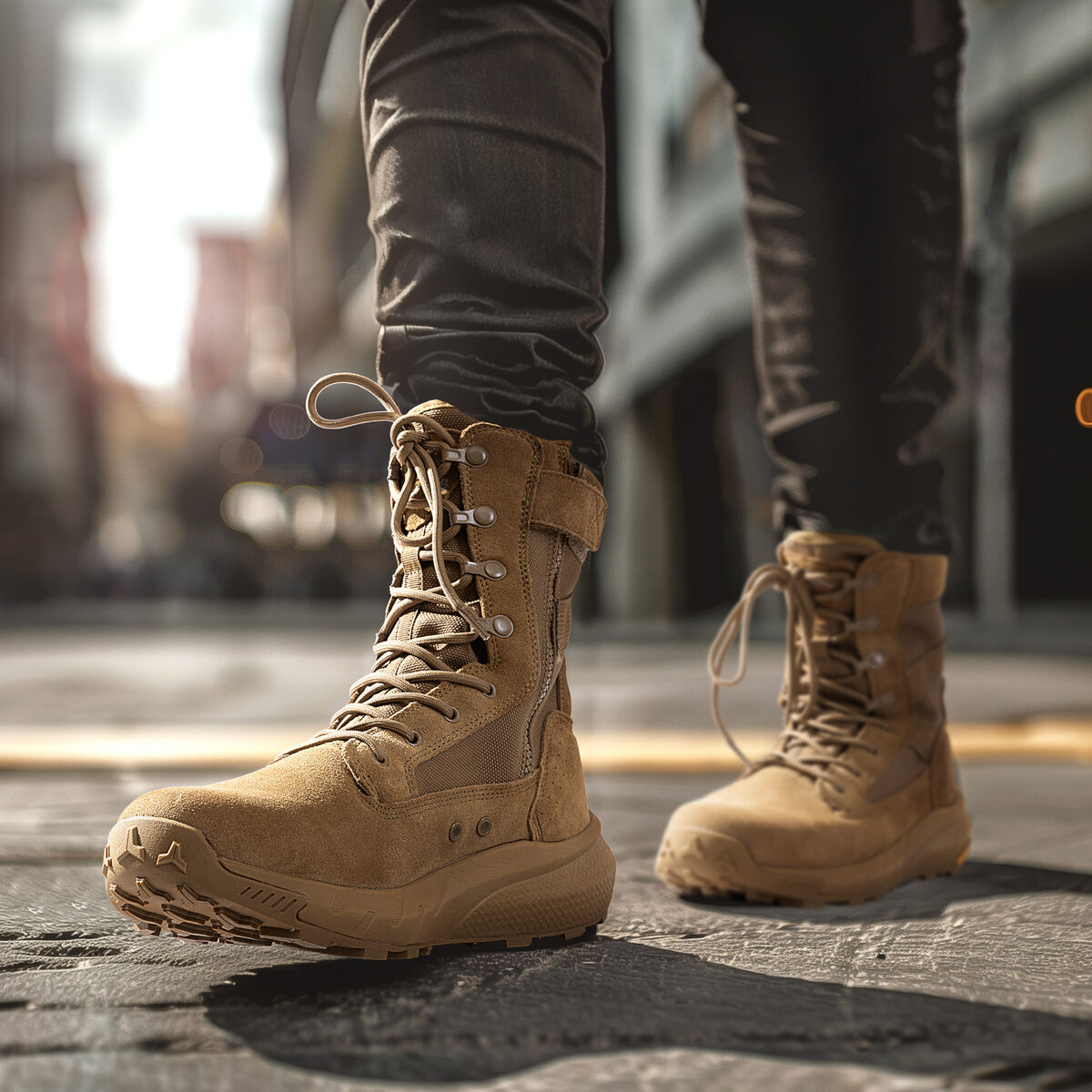
It is frequently seen on military uniforms worldwide, body armor, plate carriers, bags, backpacks, jackets, and other types of clothing, footwear, and equipment. Moreover, it is one of the favorite themes for hunting, tourism, and fishing outfits, as well as among timeless fashionistas and trendsetters.
Coyote color was designed for those who spend more time in steppes, forests, and training grounds than on social media. Its history began with the needs of armies fighting in deserts, but that is the topic of the next section.
History of Appearance
In the early 2000s, the U.S. Armed Forces were looking for a universal color for operations in desert and semi-desert regions. Our overseas friends were the first to realize that a modern camouflage was needed that works effectively among sand and dried grasses. As of today, this color is officially adopted for many elements of equipment for the U.S. Marine Corps (USMC) and other units.
In the realities of modern war in our lands, Coyote has become a true must-have for soldiers operating in steppe regions or in southern Ukraine. Shades of sand and dry grass make the "warriors of light" practically invisible to the Muscovite horde in open spaces.
The name "Coyote" originates from the prairie wolf of the same name, which is practically indistinguishable from its surroundings due to its coloring.

Interestingly, American Indians were the first to sew clothes from coyote skins for masking purposes, so once again, something new was born from the well-forgotten old.
Key Features
-
Thanks to its neutrality, it is one of the most versatile colors in the tactical field.
-
Promotes a masking effect in various conditions, appearing understated yet functional.
-
Complements both solid-colored clothing and other patterns well.
-
"Friends" with ultraviolet light, not fading even under the scorching rays of the Sun.
-
Merges with any dry landscape like a fish in water.
-
With it, you can look like a 10 out of 10 even in the middle of the steppe.
-
Stain resistance allows you not only to remain unnoticed but also to ignore road dust or dirt on yourself longer (reducing the need for washing).


-
Due to the variety of terrain where items in this coloring are used, developers of famous military and civilian brands decided not to limit themselves to just one tone of Coyote, creating and releasing products in other (non-classical) shades:
-
Coyote Brown;
-
Mud Brown;
-
Tan;
-
Desert;
-
Khaki – the perfect balance of coyote and olive;
-
Beige;
-
Sandstone (Sand).
The shades of Coyote listed above differ in saturation and warmth, and it is worth noting that differences also depend on the manufacturer.
-
An interesting fact is that the uniform of the municipal guards of Kyiv and Zaporizhzhia is made in this specific color, which distinguishes "municipal guard" employees from ordinary citizens and the patrol police.
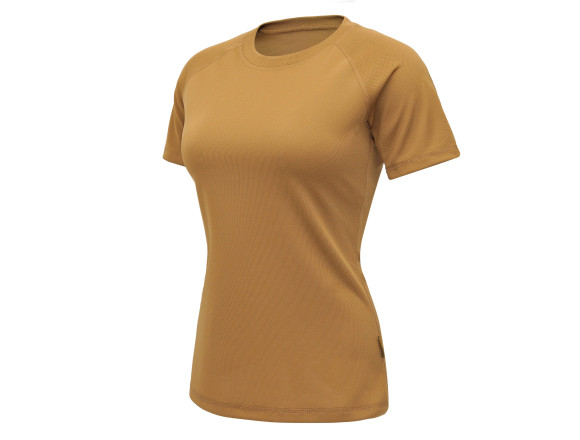
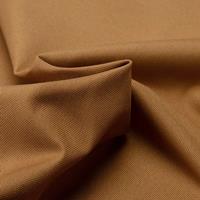

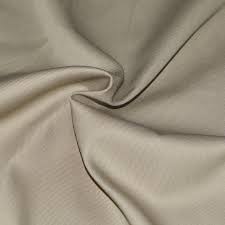
Every camouflage has its unique history and purpose. From classic Olive to the ultra-modern Predator – it is not just clothing, but a strategic tool that provides an advantage on the battlefield, during a hunt, and draws admiring glances from others. Choosing the right camouflage is like choosing a weapon: your effectiveness in handling the task depends on it.
And remember: when you put on camouflage, you are not just masking yourself; you are becoming part of history that is being written here and now. You can choose guaranteed high-quality goods for military tasks and everyday life right here – click!
FAQ. Quick answers to common questions
1. Why choose Coyote?
2. What does Coyote pair with?
3. Coyote and fashion?
In fashion, "Coyote" most often refers to a universal, warm sandy-brown color (Coyote Brown), which is popular in tactical clothing and gear, and is also associated with the cartoon character Wile E. Coyote. It is versatile, stain-resistant, pairs well with other colors, and is a staple of military and streetwear styles due to its functionality and natural look.

Igor Ivandikov — author of the article
Project Manager
Has over 2 years of experience working in the field of camping equipment. Well-versed in products for tourism, camping, and outdoor recreation.
Responsible for coordinating projects, monitoring deadlines, and ensuring the quality of task completion.
He enjoys football (soccer) and billiards, participates in competitions, and has won prizes on numerous occasions. He is a fan of active recreation.