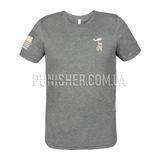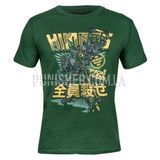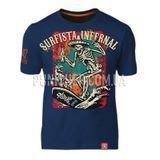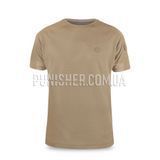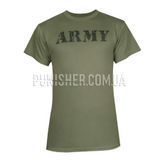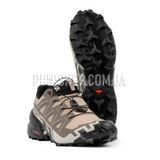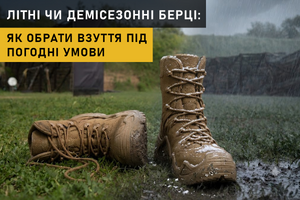
To be honest, most people start taking an interest in military clothing not out of a desire to look like an action movie hero. Some are drawn by the durability of the fabrics, others by the convenience of numerous pockets, and some are simply looking for reliable footwear for traveling, fishing, or outdoor activities. Sooner or later, a natural question arises: how to wear tactical items so that it looks appropriate, modern, and practical?
In reality, military style left the boundaries of strictly military themes long ago. Today, it is an entire philosophy of functionality, where it is not just the equipment that matters, but also the harmonious combination of colors, the right choice of materials, and the compliance of clothing with a person's real needs. So, let us look into the nuances that are useful for both beginners and seasoned connoisseurs of the style, together with a guide from the Punisher military store.


Why Civilians Increasingly Choose Tactical Clothing
The reason for this popularity is quite simple: tactical items were created for challenging conditions. They feature tougher fabrics, well-thought-out cuts, convenient pockets, increased wear resistance, and the ability to withstand things that an ordinary city wardrobe often cannot. Effectively, people get more capabilities:
-
comfort during prolonged movement;
-
protection from bad weather;
-
practicality during travel;
-
a longer service life for their items;
-
adaptation to various usage scenarios.
That is why today, tactical elements can be found far beyond the boundaries of shooting ranges or training grounds.


Color in Military Style: Why It Is More Than Just Aesthetics
In civilian fashion, color is often just a matter of taste. But in the outdoor and tactical world, it serves far more functions. In particular, it affects visibility, psychological perception, the versatility of an item, and its compatibility with other elements of a wardrobe. That is why a harmonious combination of colors in clothing becomes not a whim of stylists here, but a practical tool.
For instance, a completely black outfit can look impressive in the city, but in a natural environment, it often creates an unnatural contrast. On the other hand, Ranger Green, Olive, or Coyote Brown integrates much better into most usage scenarios.
Among tactical colors for clothing and gear, Olive, Ranger Green, Coyote Brown, Khaki, and Gray are considered the most versatile.


How to Correctly Combine Colors
If you look at the color wheel used by designers, you can notice an interesting pattern: the principles of civilian fashion work wonderfully in military style as well. The simplest solution is a combination of two colors, where one becomes the base and the other serves as an accent. For example:
-
Ranger Green works wonderfully with Coyote;
-
Olive pairs beautifully with Khaki;
-
Gray looks good next to Black;
-
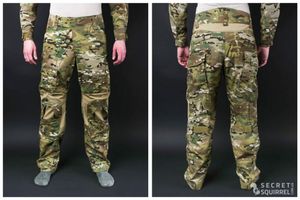
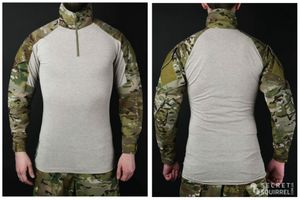
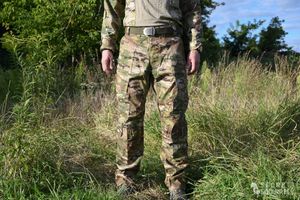
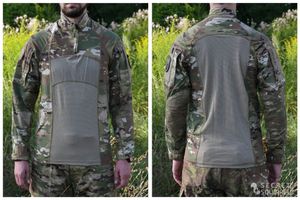
Multicam is effectively complemented by solid-colored gear.
This is exactly how beautiful color combinations are born, which look cohesive and do not overload the look. By the way, today there are many online color combination services where you can check the compatibility of shades before purchasing equipment.
To create a bold and unique style, you can use more than three colors at once, but you should be careful. An excessive number of different patterns often results in a chaotic look.


Color Etiquette in the Military Environment
Experienced users of tactical equipment understood a simple thing long ago: the principle of restraint works best. If active camouflage is used, it is better to leave the other elements solid-colored.
This is not just a question of style. Such a solution creates a harmonious combination of colors in clothing, reduces visual noise, and makes the kit more practical. That is why experienced shooters and hikers rarely dress in Multicam "from head to toe".
There is no universal formula for putting together an outfit. Any color combination should take into account the conditions of use, the season, and personal preferences.


Military Style and the Basics of Color Theory
Many principles used by stylists work wonderfully here, too. For example, a combination color palette can be built according to classic rules:
-
contrast solutions;
-
monochrome combinations;
-
analogous color combinations;
-
triadic schemes.
Such a color combination scheme allows you to create balanced kits without a feeling of overload. After all, the combination of colors in equipment design has long since become a separate science that takes into account both practicality and the psychology of perception.
Bright colors are allowed in military style, but only in limited quantities. Bright elements are suitable for urban settings, hiking trails, and children’s clothing, provided they do not disrupt the overall concept of the look.


Which Color Combination Can Be Called the Best?
There is no universal answer. The best combination of colors always depends on the conditions of use.
-
For the city, Olive and gray work wonderfully.
-
For traveling – Ranger Green and Coyote.
-
For a versatile wardrobe – Khaki and black.
The main rule remains unchanged: the simpler the kit, the easier it is to adapt it to different situations.


Men: Practicality and Versatility
When it comes to the combination of colors in clothing for men, the military direction opens up huge opportunities. The simplest formula works best here: one functional item plus an ordinary city wardrobe. Thus, tactical trousers in Olive color can be easily combined with a regular gray T-shirt, and a Ranger Green jacket will wonderfully complement classic jeans. This is exactly how a combination of colors in men's clothing is formed, looking modern and appropriate.


Women: Functionality Without Losing Individuality
Women's military style stopped being something exotic long ago. Today, tactical items are chosen for their comfort and practicality. An analogous color combination looks particularly interesting when neighboring shades of the spectrum are used.
For example, Olive can be combined with Khaki, and Coyote with warm beige tones. Such solutions create soft transitions and ensure a truly harmonious combination of colors.


Children: Durability and Safety
For children, military solutions are valued not for their appearance at all. Parents choose them for their durability, practicality, and comfort. However, in a children's wardrobe, it is important to add bright accents. Even if the base consists of Olive or Gray, orange or yellow elements increase the child's visibility. These well-chosen combinations are both practical and provide passive protection.


Older Adults: When Comfort Matters More Than Trends
Interestingly, many older people actually utilize tactical advantages without even calling it military style. Lightweight trekking boots, fleece sweaters, or membrane jackets have become habitual items for walks, gardening, and traveling. Here, ergonomics comes to the forefront, not fashion.


How to Select Equipment for Different Conditions
-
In the city, understated colors and a minimal amount of camouflage work best.
-
For tourism, layering, membrane fabrics, and comfortable footwear are important.
-
At the shooting range, more attention is paid to the durability of clothing and the ergonomics of equipment.
-
And for car travel, versatile items that work equally well on the highway and during short outings into nature are particularly valued.
That is why, before purchasing, it is worth defining your usage scenario.


Military style in civilian life has long ceased to be about imitating military imagery. It is about comfort, durability, and rationality. It is about the ability to find a harmonious combination of colors in clothing, choosing items according to one's needs, and utilizing the advantages of tactical technologies in everyday life. And what is interesting, most people who discover high-quality outdoor or tactical equipment no longer want to return to less functional alternatives.
As for the other side of individual distinctiveness – maximum stealth according to all the canons of science: with the nuances of clothing and footwear for the military, hunting, fishing, etc., the guide from Punisher introduces them in the article "Tactical Color Combination".

Igor Ivandikov — author of the article
Project Manager
Has over 2 years of experience working in the field of camping equipment. Well-versed in products for tourism, camping, and outdoor recreation.
Responsible for coordinating projects, monitoring deadlines, and ensuring the quality of task completion.
He enjoys football (soccer) and billiards, participates in competitions, and has won prizes on numerous occasions. He is a fan of active recreation.
FAQ. Answers to Frequently Asked Questions
1. Why did tactical clothing become popular among civilians?
2. Is it appropriate to wear military items in the city?
3. How to achieve a harmonious combination of colors?
4. What is more important: style or functionality?