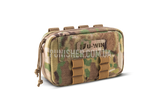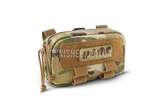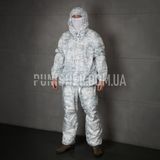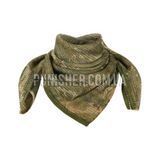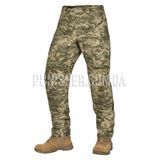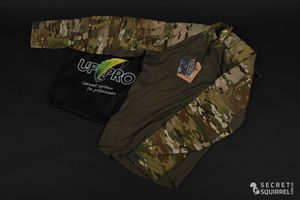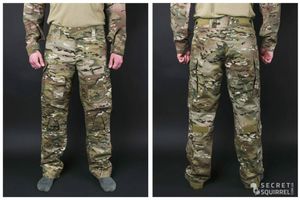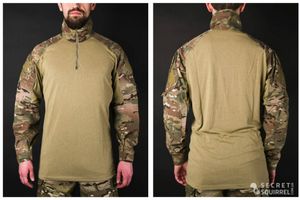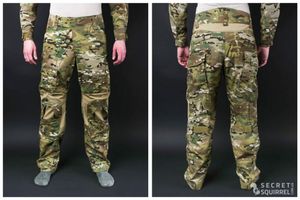
Choosing between Multicam and Pixel is not just a matter of style. It is about the environment, the mission, and even how the landscape "sees" you. Some work like a chameleon in a field, others like digital noise in an urban area. Let us break it down honestly and to the point together with a guide from the Punisher military store.
What Is Multicam and Why Is It Talked About So Much
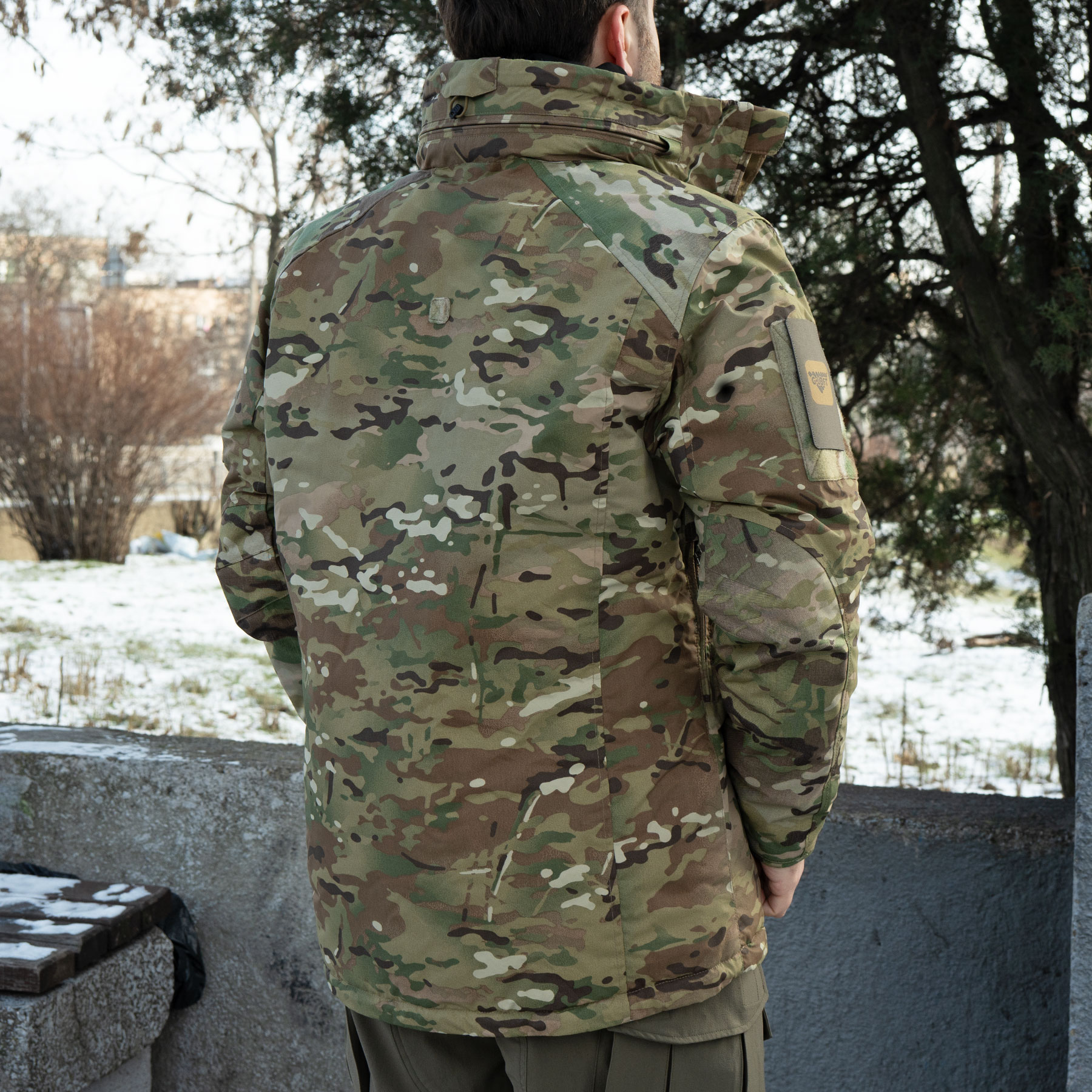
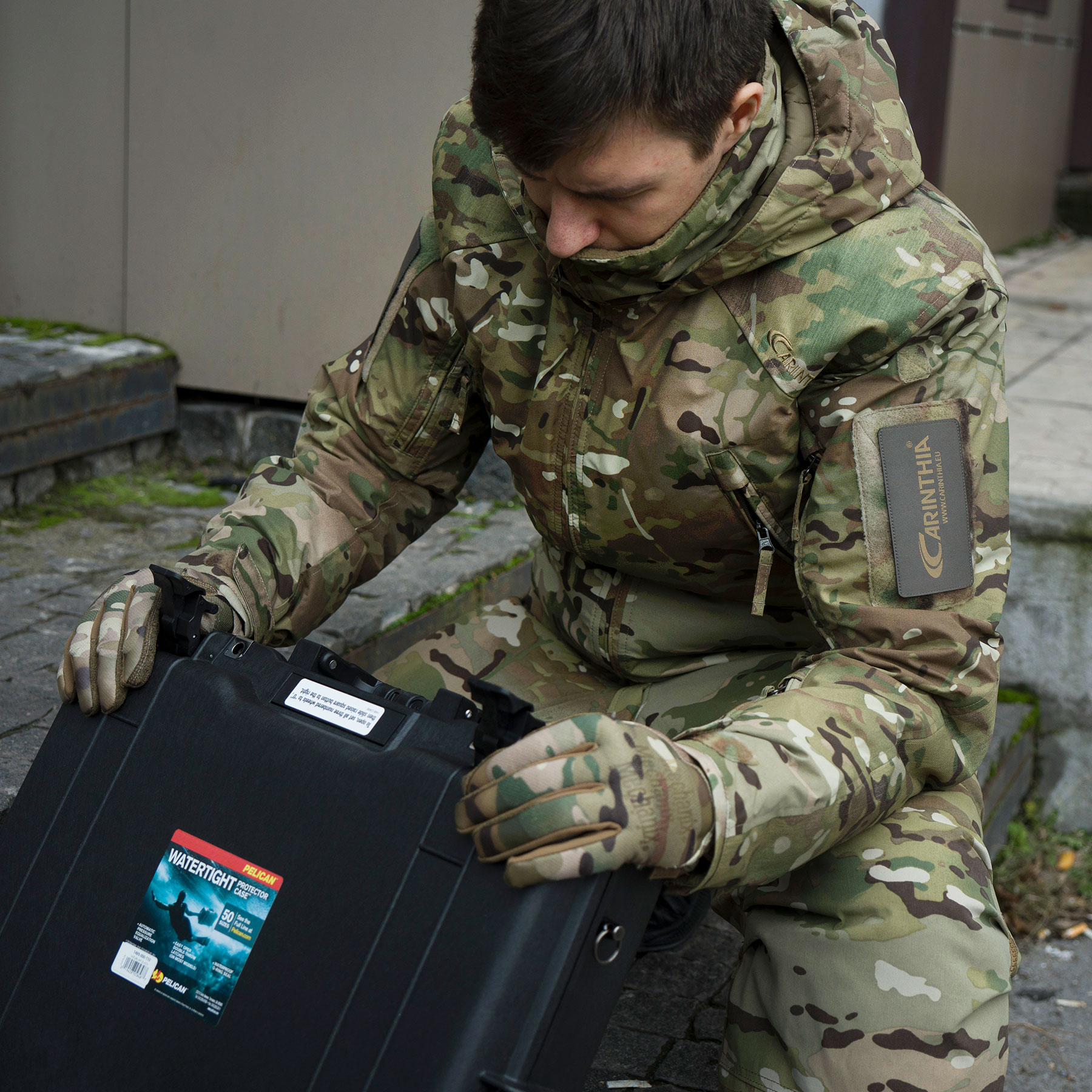
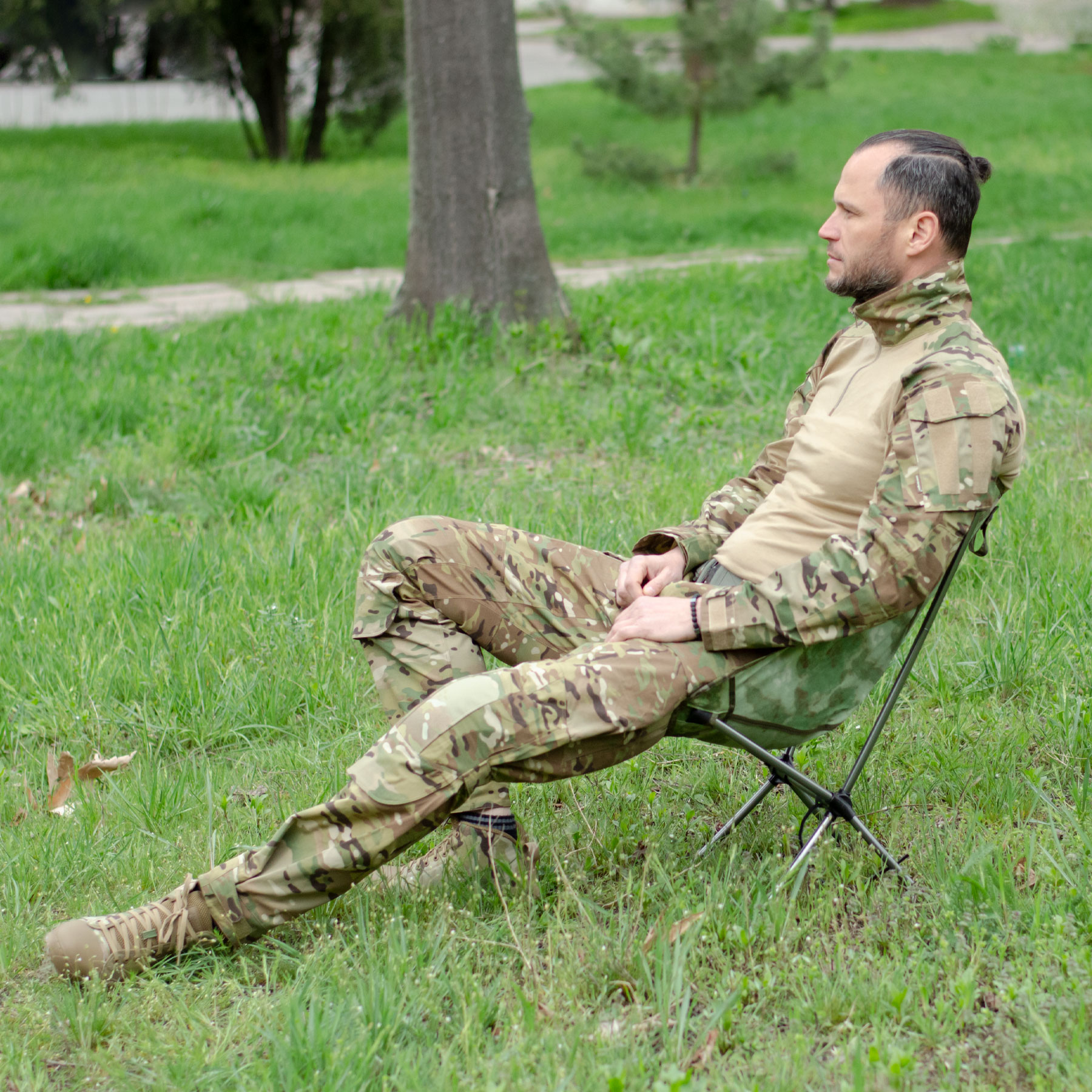
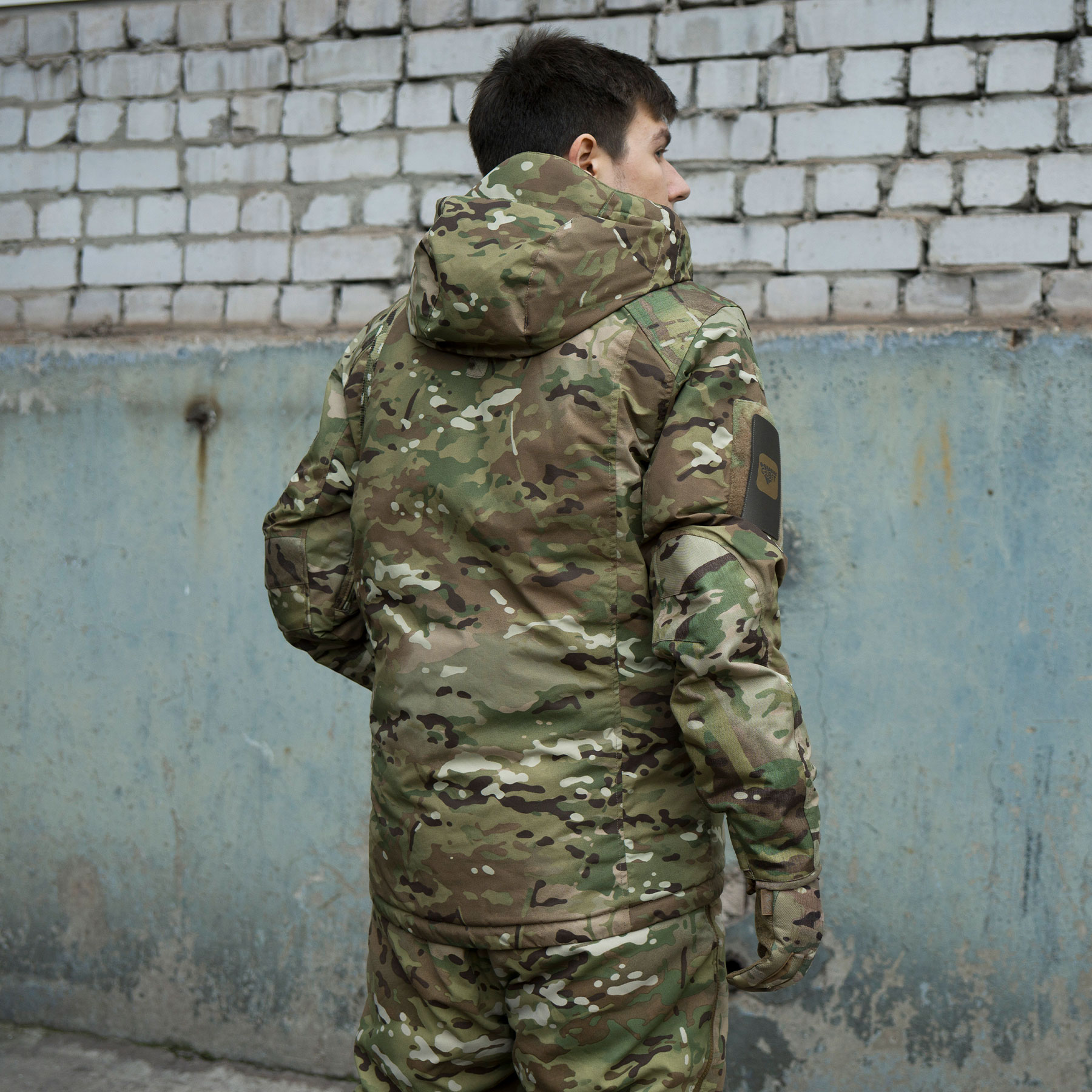
Let us start with the basics – Multicam is a modern type of camouflage designed to perform in various natural environments. Its main concept is not to copy one specific background, but to "adapt" to the environment through a multi-layered color structure.
Here, it is important to understand:
-
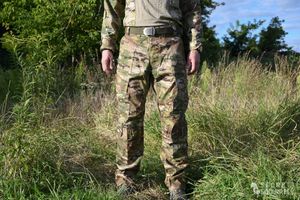
What is Multicam in a practical sense – it is a universal pattern that works effectively in desert, forest, steppe, and mixed terrain.
-
Its key feature is smooth color transitions.
-
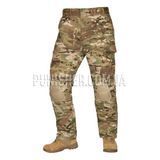
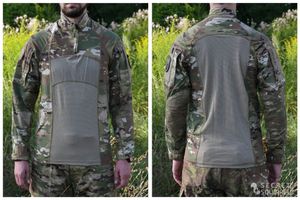
The Multicam color is a complex combination of sand, olive, brown, and grayish shades that "blur" the silhouette.
-
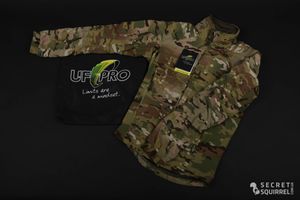
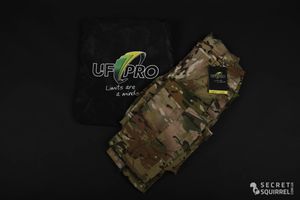
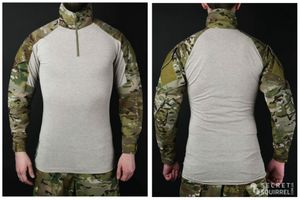
It is also frequently used as a base for modern equipment: the Multicam military uniform has become a standard for many units around the world.
Multicam was originally developed as a universal camouflage to replace several regional patterns at once – from deserts to green zones.
What Is Pixel and Why Is It So Recognizable
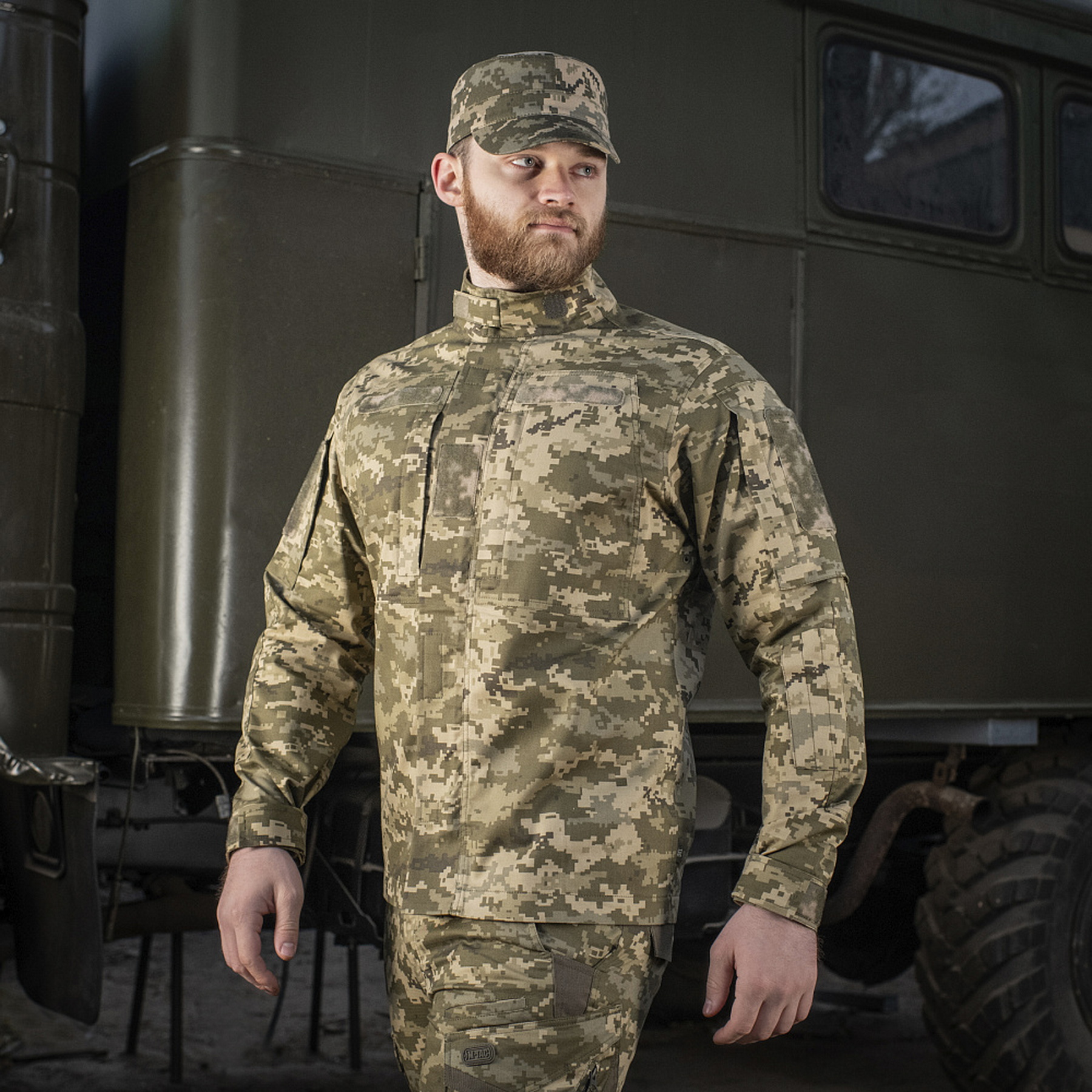
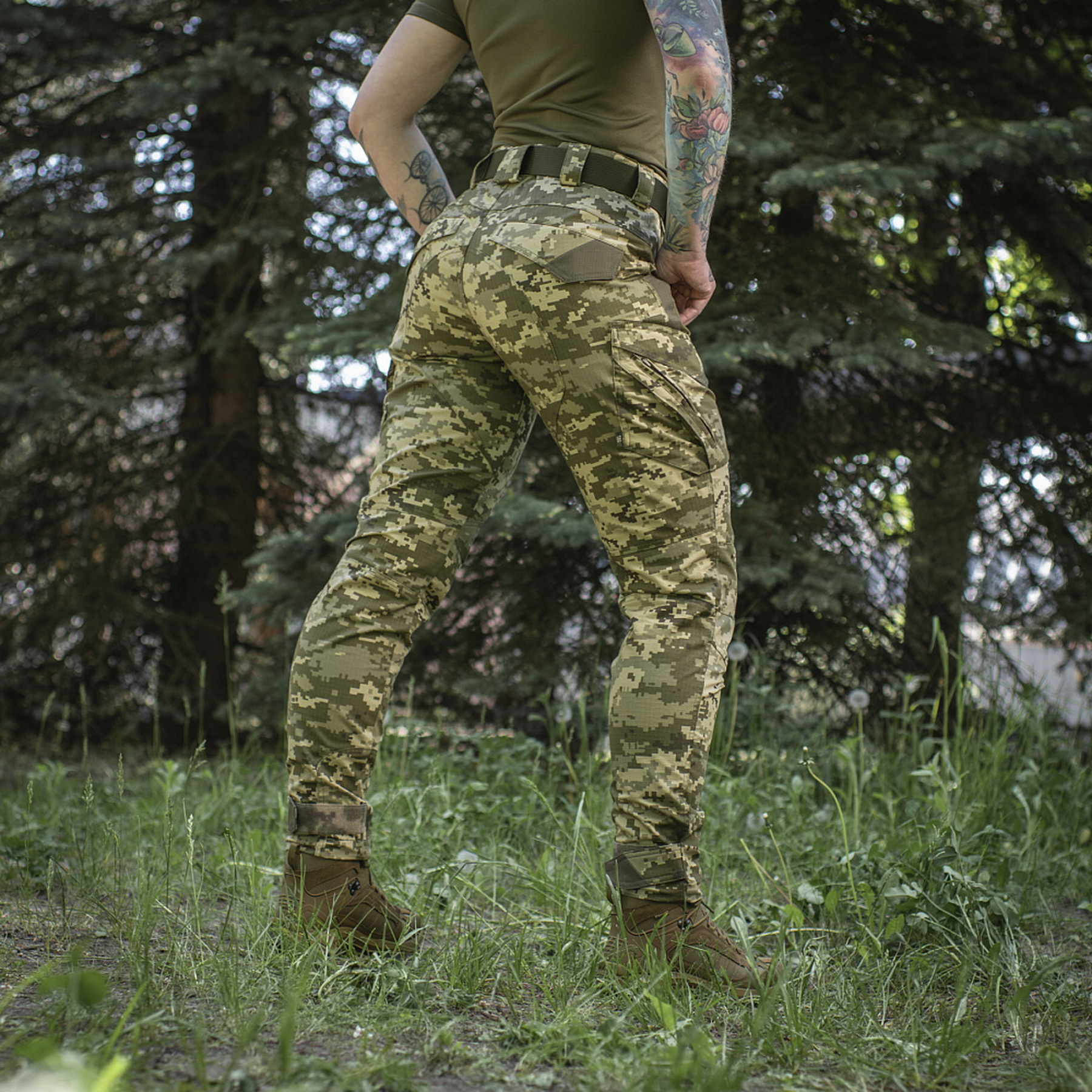
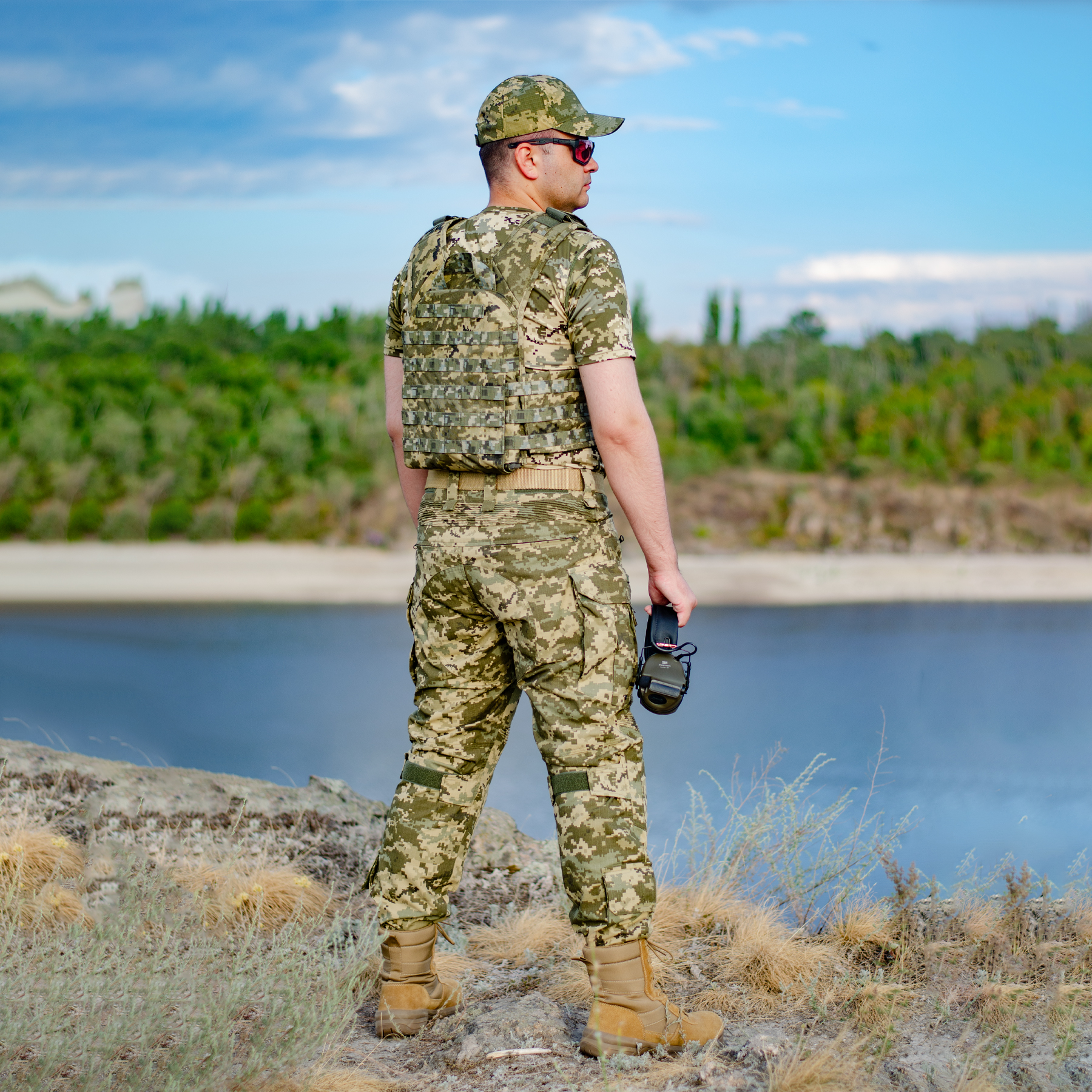
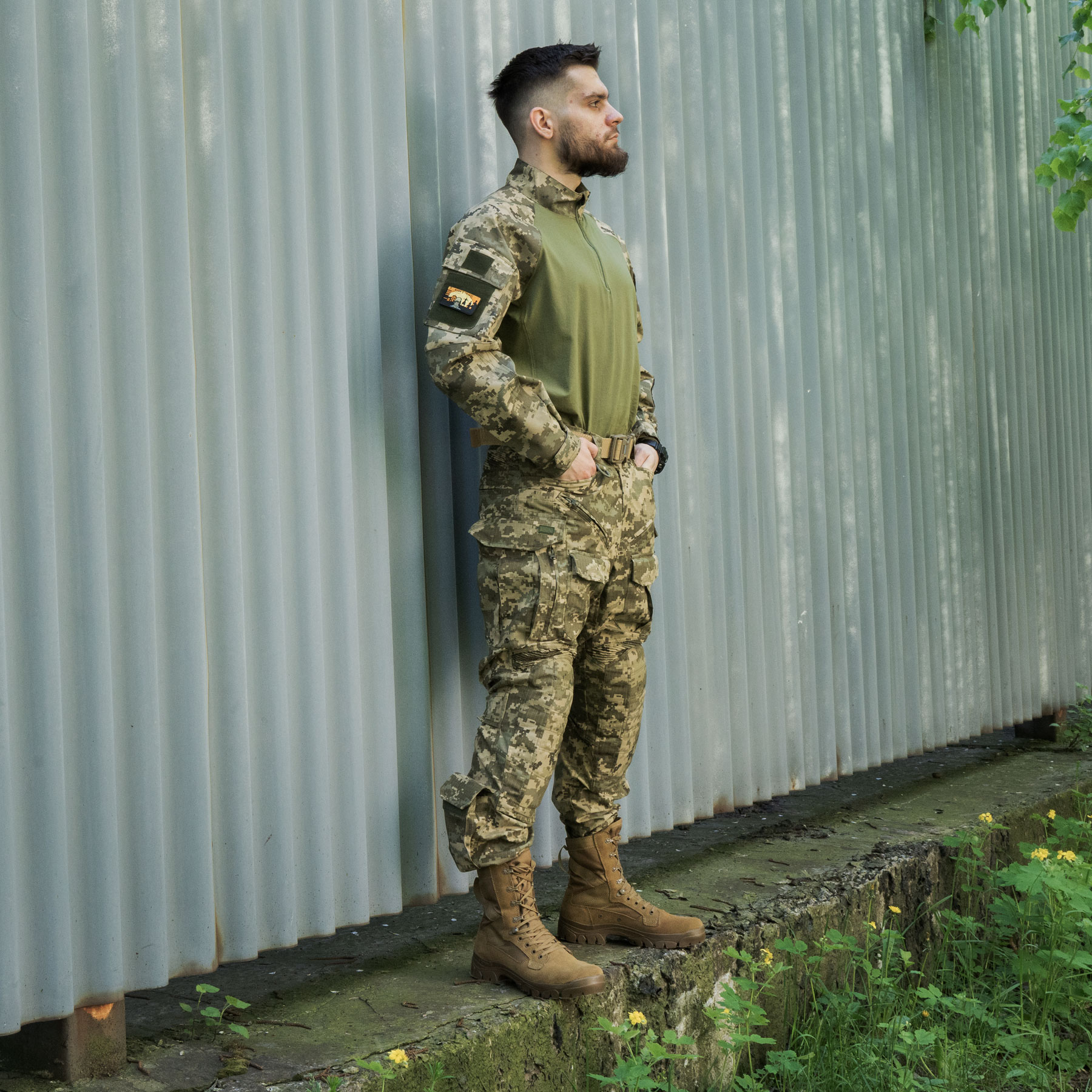
Now onto the other side of the comparison – digital camouflage. What is Pixel in military terms? It is a camouflage composed of small "pixelated" elements that mimic a digital masking pattern. To put it simply: Pixel is a way to break up a human silhouette into tiny fragments that are harder to perceive at a distance.
Pixel camouflage is typically used in urban or mixed environments where "shape disruption" is important, rather than blending into a natural background. Military Pixel most often features a green-gray or camo-gray palette. The Pixel color consists of contrasting blocks of green, gray, and black that create a "noise" effect.
Pixel camouflages became popular after digital graphics demonstrated the effectiveness of "breaking up the outline" of a visual object.
Multicam vs Pixel: The Main Comparison
Now to the most interesting part – multicam vs pixel.
Operating Principle
Multicam conceals by blending with the background, whereas Pixel breaks up the silhouette.
Environment
Multicam fits well into universal natural landscapes, while Pixel should be chosen for urban environments and mixed zones.
Visual Effect
Multicam works like a "haze", while Pixel is essentially digital noise.
Therefore, when comparing Pixel and Multicam, the difference lies not only in appearance, but in the very philosophy of camouflage.

Multicam or Pixel: Which Is Better?
The question of which is better, Pixel or Multicam has no universal answer. Everything depends on the tasks:
-
In the middle of a field, steppe, or forest, Multicam will handle the camouflage function better;
-
The city, ruins, and mixed zones already require different solutions, such as Pixel.
Speaking practically, the choice is an instrumental matter rather than a question of "better/worse".
Some modern units use both types of gear depending on the theater of operations.


What Pixel and Multicam Mean in a Full Sense
To summarize:
-
what Pixel is – a digital type of camouflage with an emphasis on shape disruption;
-
what Multicam is – a multi-zone camouflage with natural blending.
And that is exactly why they are often compared in terms of the Pixel and Multicam difference, even though the approaches are fundamentally distinct.
Advantages of Each Type
Multicam is chosen for its versatility, good long-range performance, and adaptability to natural backgrounds.
Pixel is used when effective "breaking" of the silhouette, better performance in urban areas, and clear structural masking logic are required.
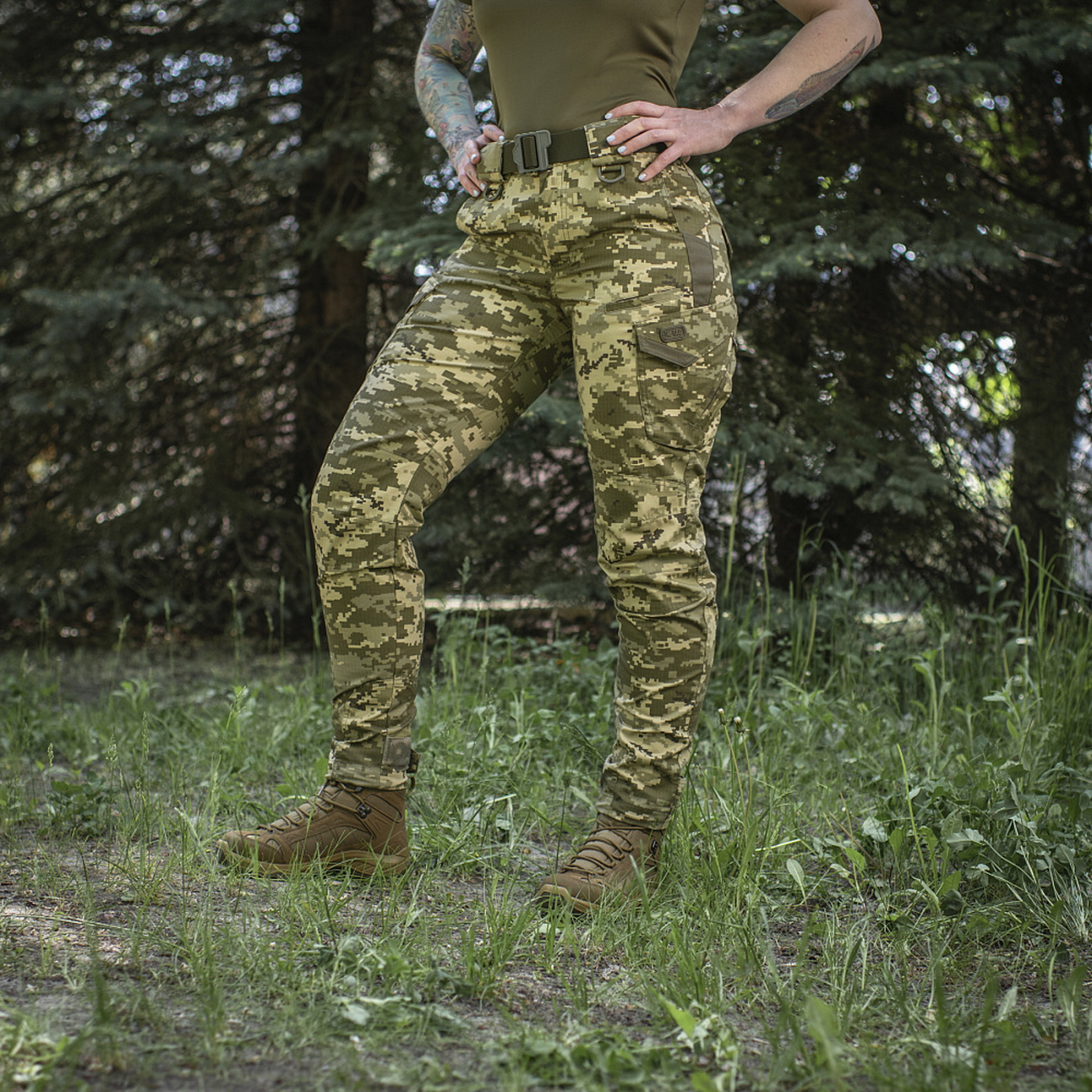
Comparing Multicam or Pixel is not a battle of "who is stronger", but a choice between two different concepts of camouflage. Multicam is about natural blending and versatility. Meanwhile, Pixel is about digital fragmentation and operating in complex environments. Therefore, the answer is simple: you do not choose "the best", you choose "for the task".

Vitalii Buniak — article author
Military gear consultant
Before 2022, he worked as a sales assistant at the Panisher store. After the start of the full-scale invasion, he joined the Armed Forces of Ukraine, gaining real combat experience.
Thanks to his combat experience and deep knowledge of tactical gear, Vitalii serves as a personal expert of the Panisher online store in the fields of:
- Clothing and footwear
- Equipment
His recommendations help customers choose reliable and functional gear for any conditions.
FAQ: Answers to Frequently Asked Questions
1. What is Pixel to the military?
2. What is Multicam?
3. Which is better, Pixel or Multicam?
4. Can both be used?