The knife is one of humanity's oldest tools. It is equally appropriate on a hiking trip, while fishing, during a hunt, in a workshop, or simply in the kitchen. But as soon as you delve into choosing a model, numerous questions arise: "can I carry this knife with me?", "what blade length is permitted?", "will it be classified as a bladed weapon?".
And here, many people make a mistake. Some are convinced that everything is decided solely by the length of the blade. Others believe that any folding knife is automatically safe from a legal point of view. In reality, everything is much more complex.
In this article, together with a specialist from the Punisher military store, we will analyze what is considered a bladed weapon in Ukraine, which characteristics truly matter, how to correctly choose a knife for tourism or household tasks, and what to look out for to avoid accidentally purchasing an item that falls into the category of bladed weapons.

Why the Issue of Bladed Weapons Causes So Much Debate
If you ask ten people what exactly a bladed weapon is, you might get ten different answers. Some will say, "If the blade is longer than 90 mm, it's already a bladed weapon." Others will be convinced, "Any hunting knife is a bladed weapon." In reality, both statements are simplifications.
In Ukraine, whether a knife belongs to the category of bladed weapons is determined not by a single parameter, but by a combination of design characteristics evaluated during a forensic examination. That is why the answer to the question of which knife is considered a bladed weapon never comes down to just one number or a single feature.
Two knives can have the same blade length, the same shape, and even be made of the same steel. However, based on the results of an examination, one of them may be recognized as a household utility item, while the other is classified as a bladed weapon due to a combination of design features.
What Is a Bladed Weapon
To put it simply, a bladed weapon is an object structurally intended and suitable for hitting a target by means of human muscular strength without the use of explosive or other energy sources. Therefore, the answer to the question of what a bladed weapon is is not limited to knives. This category can include:
-
combat knives;
-
bayonets;
-
daggers;
-
sabers;
-
swords;
-
certain types of hunting knives;
-
other items that meet established expert criteria.
At the same time, by no means is every knife automatically a bladed weapon.
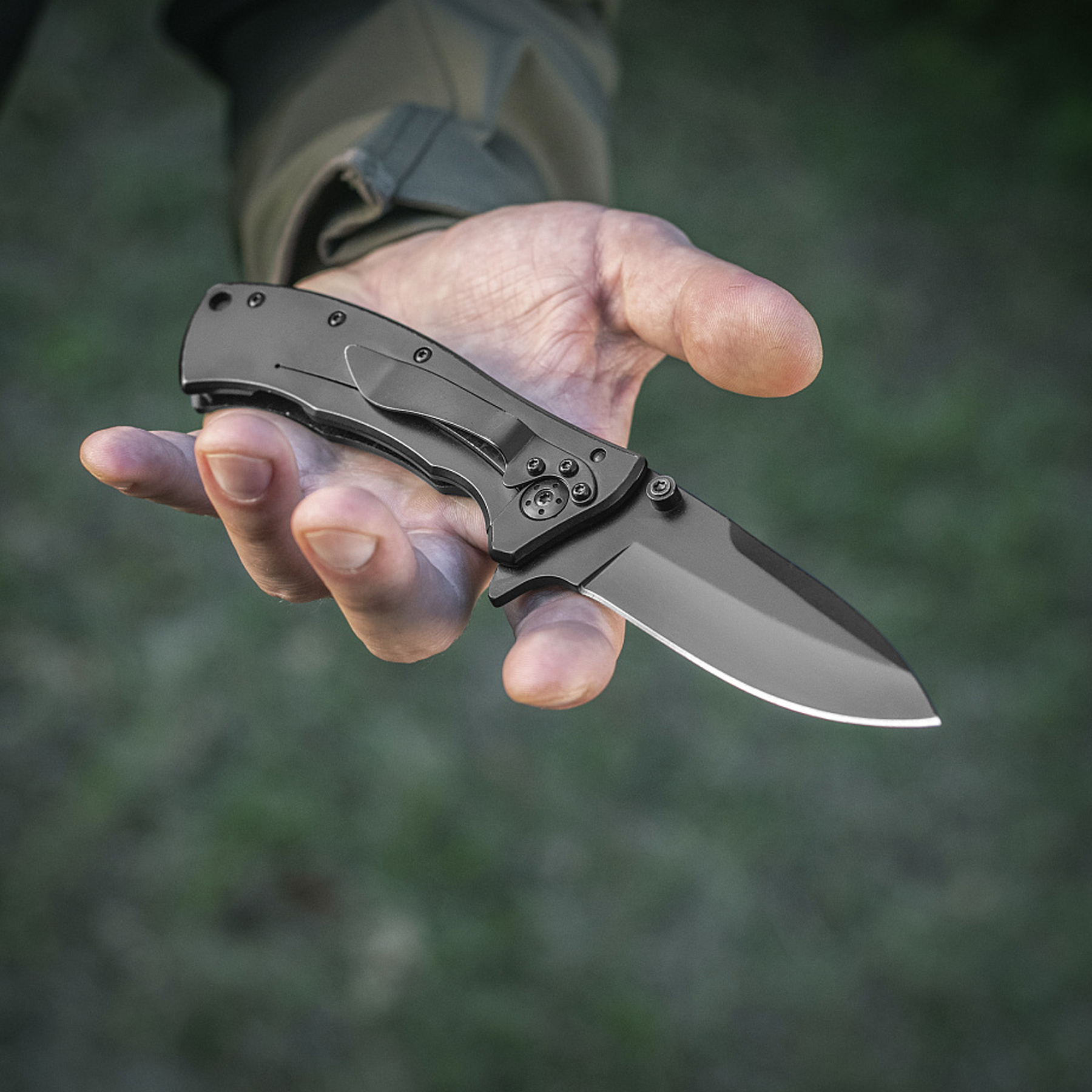
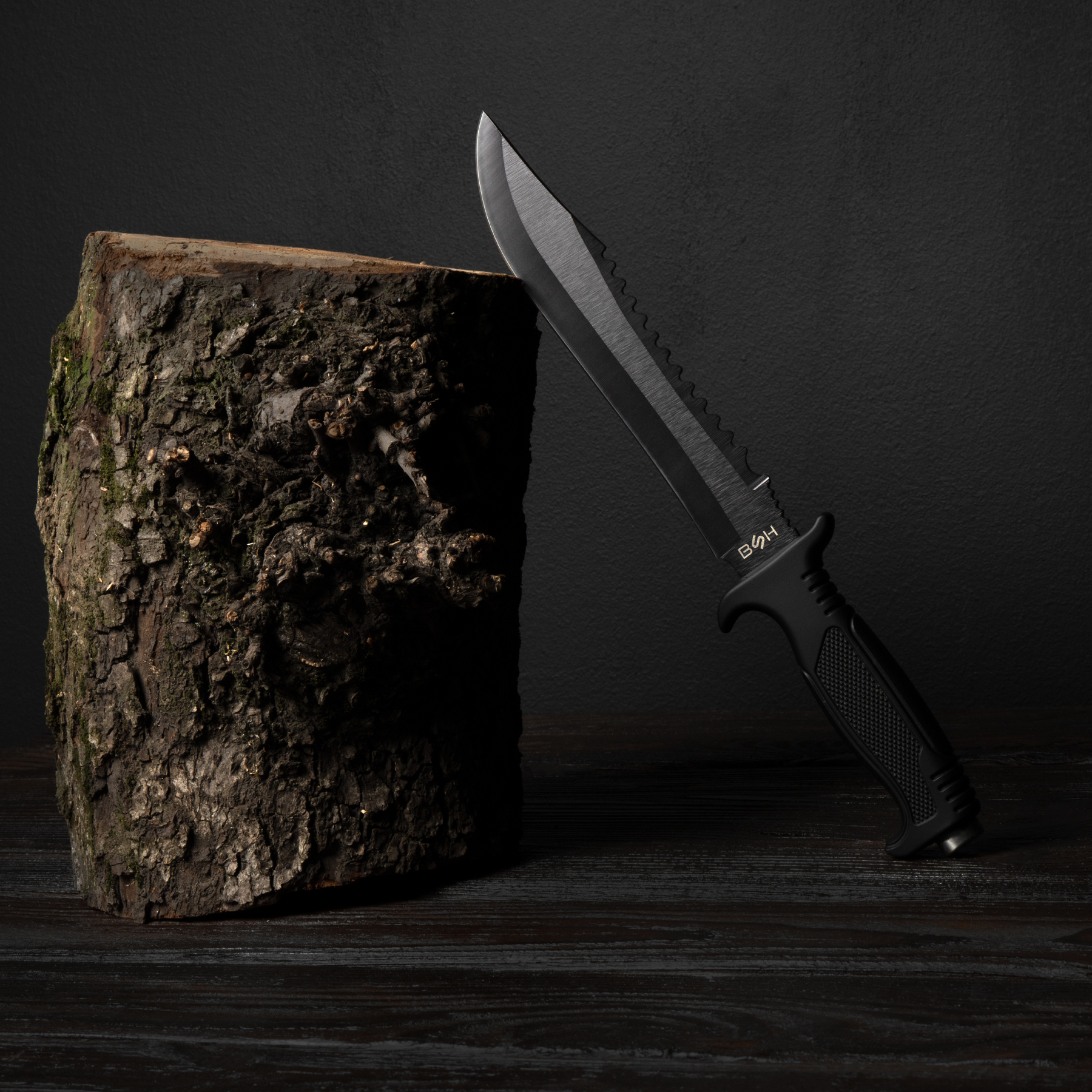
Is There a Law of Ukraine on Bladed Weapons?
Quite often, you can encounter the query: "Law of Ukraine on bladed weapons." In fact, there is no separate special law in Ukraine that fully regulates all matters regarding bladed weapons. Legal regulation is carried out comprehensively. When determining the status of a knife, the following are taken into account:
-
the provisions of the Criminal Code of Ukraine;
-
by-laws and regulatory acts;
-
methodological guidelines and the Methodology for Forensic Examination of Bladed Weapons and Structurally Similar Items applied by forensic experts.
It is the expert opinion, rather than the manufacturer's or seller's promotional description, that holds decisive importance in determining the legal status of a specific item.
Many manufacturers of tourist knives immediately attach a copy of the expert opinion or a certificate to the product, confirming that the specific model does not belong to the category of bladed weapons. This significantly eases the identification of the item.
Which Knife Is a Bladed Weapon
One of the most common questions is: Which knife is a bladed weapon?
The correct answer is: Only a knife that, based on the results of a forensic examination, meets the combination of established criteria.
That is why the question of when a knife is considered a bladed weapon does not have a universal answer like "after 90 mm." Experts evaluate:
-
the blade design;
-
the tip geometry;
-
the durability of the product;
-
the hardness of the steel;
-
the presence of a guard or other elements that prevent the hand from slipping;
-
the shape of the handle;
-
the suitability of the knife for delivering stabbing or hacking blows.
It is the combination of these characteristics that determines what is considered a bladed weapon.


Knife: A Bladed Weapon or a Household Tool?
The most important rule sounds very simple: A knife is not necessarily a bladed weapon.
The vast majority of knives sold in tourist or tactical gear stores are intended specifically for household and utility use. These include:
-
tourist knives;
-
universal knives;
-
hunting knives (not all);
-
kitchen knives;
-
fishing knives;
-
folding EDC knives;
-
multitools.
That is why the statement "a knife is a bladed weapon" is incorrect without an examination of the specific model.
Signs of a Bladed Weapon: What Experts Look For
Many people try to find a list on the Internet: "knife bladed weapon signs" or "signs of a bladed weapon knife." However, it must be understood that individual characteristics do not work on their own. During an examination, a complex of design features is considered, among which the following may be evaluated:
-
the length and shape of the blade;
-
the thickness of the spine (обух);
-
the hardness of the material;
-
the presence of a pronounced guard or finger choils/grooves;
-
the geometry of the tip;
-
the handle design;
-
the overall suitability of the item for hitting a target.
That is why two models with the same blade length can receive different expert conclusions.
Experts evaluate not only individual dimensions but also the ergonomics of the knife. For instance, the shape of the handle can affect the safety of the grip during a forceful stabbing blow, which is also factored into the comprehensive assessment.
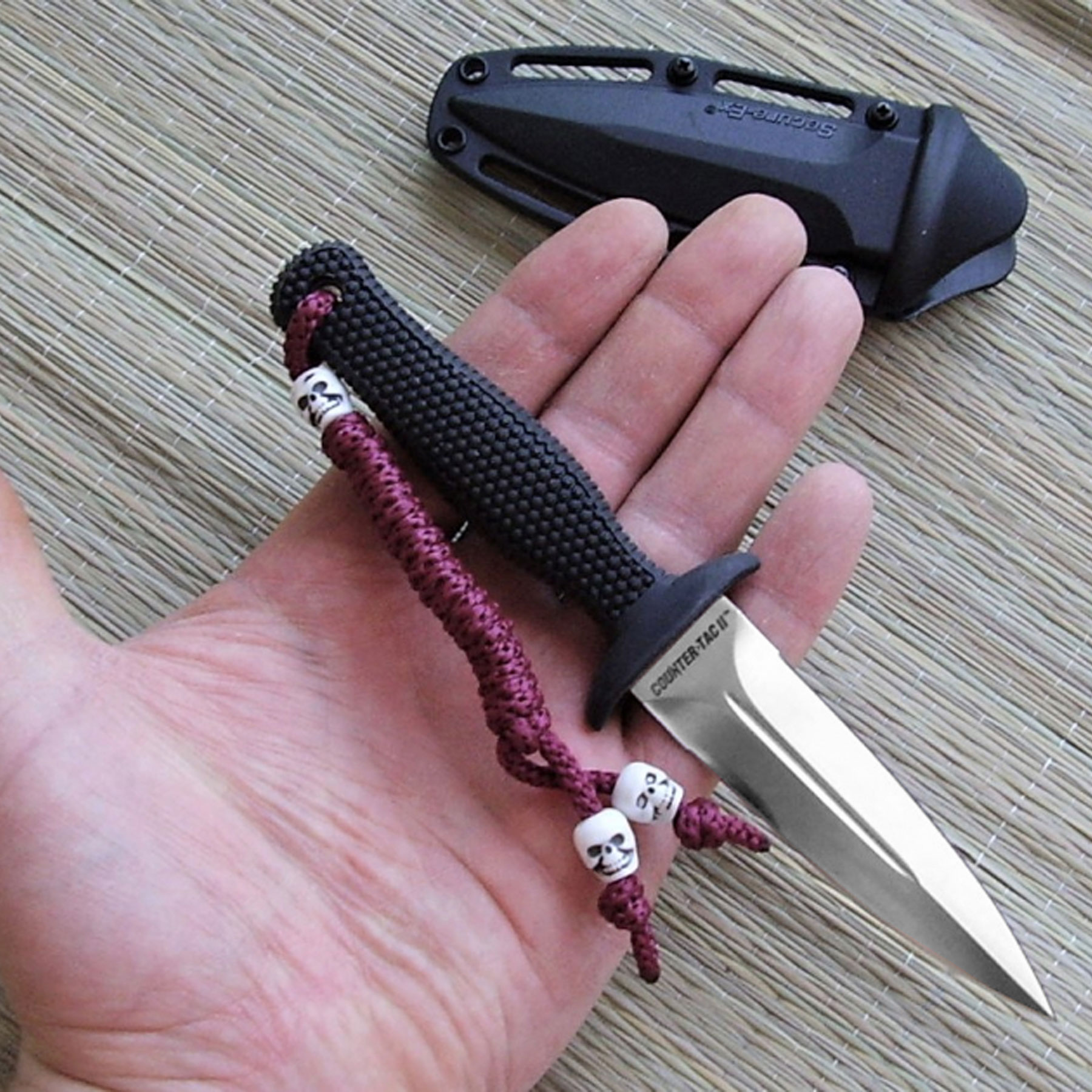
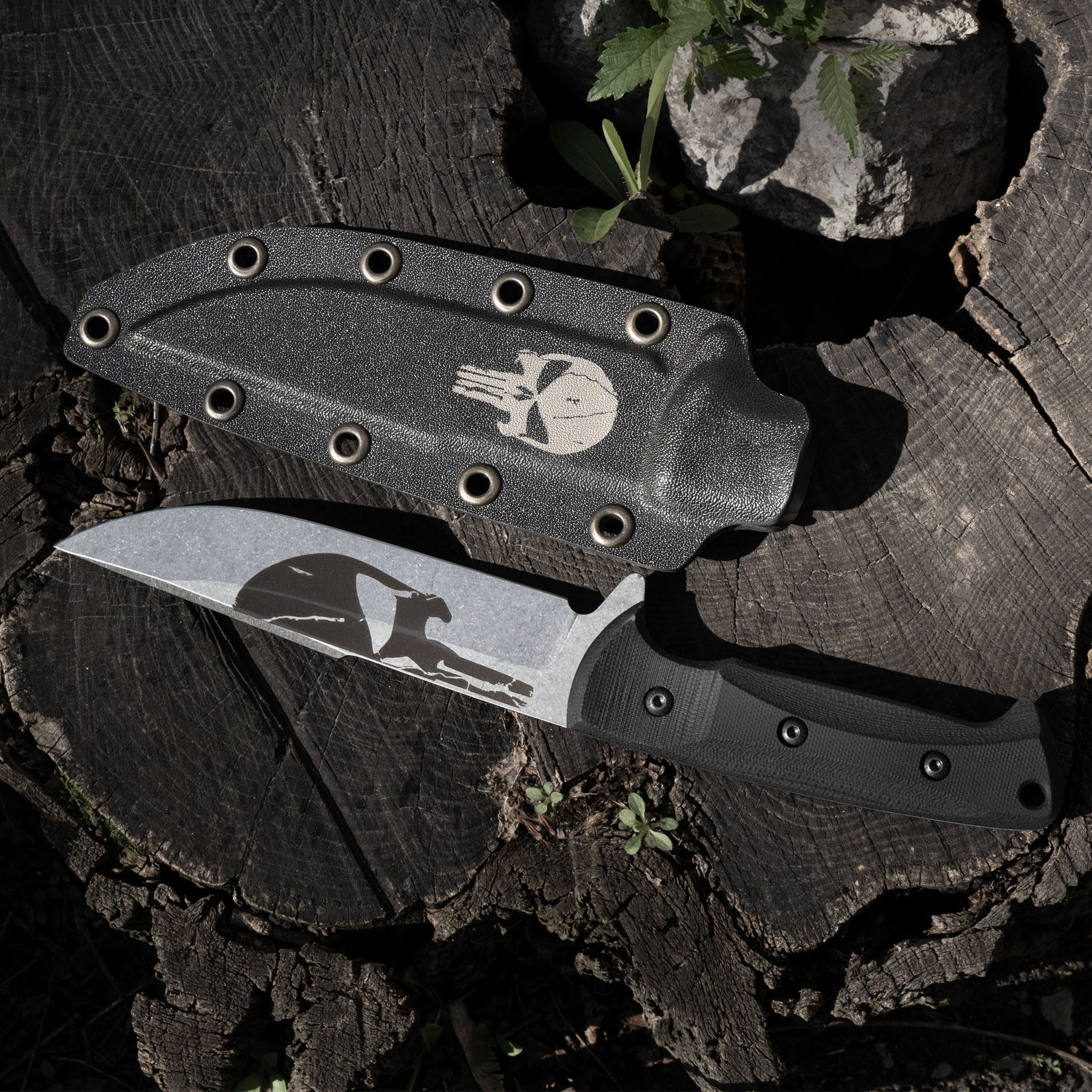
Permitted Knife Blade Length: Where the 90 mm Myth Came From
Perhaps the most common search queries look like this:
-
permitted knife blade length;
-
what knife length is permitted in Ukraine;
-
what blade length is permitted in Ukraine;
-
blade length of a bladed weapon.
This is exactly where the most myths are born.
In reality, Ukrainian legislation does not establish a universal rule under which any knife with a blade longer than a specific number of millimeters automatically becomes a bladed weapon. The length of the blade is just one of many parameters taken into account during a forensic examination. It cannot independently determine the legal status of an item. Therefore, the answer to the question of the permitted blade length of a knife should always be viewed in combination with other design characteristics.
Is a Folding Knife a Bladed Weapon?
Another popular mistake is automatically giving an affirmative answer to the question: Is a folding knife a bladed weapon?
Not necessarily. Most modern folding knives designed for everyday carry (EDC) have a design that typically does not meet the combination of criteria for a bladed weapon. However, exceptions do exist, so a conclusion regarding a specific model can only be made based on the results of an expert assessment or on the basis of a corresponding conclusion from the manufacturer or importer.
That is why when buying a folding knife, it is worth paying attention not only to its appearance but also to the presence of documents confirming its status.
Modern EDC knives frequently open dozens of boxes, cut rope, help prepare food on a hike, and perform a multitude of other household tasks. At the same time, they may not belong to the category of bladed weapons at all if their design does not match the relevant criteria.


How to Choose a Knife for Tourism or Everyday Life
Most people do not buy a knife for self-defense or combat tasks at all. Its primary purpose is far more prosaic: to slice food, prepare tinder for a campfire, cut a rope, open packaging, or perform minor gear repairs.
That is why when choosing, you should start not from an impressive appearance, but from real-world use scenarios. If a knife is needed for tourism or daily carry, pay attention to several key characteristics:
Intended Use
The first question you should ask yourself is: What do I need this knife for?
If the answer is:
-
hiking;
-
camping;
-
fishing;
-
picnics;
-
utility work,
then the optimal choice is a universal tourist or EDC knife.
You shouldn't buy a model that was created for entirely different tasks just because it looks "more serious".
Type of Knife
Conditionally, all knives can be divided into three large categories:
Folding Knives
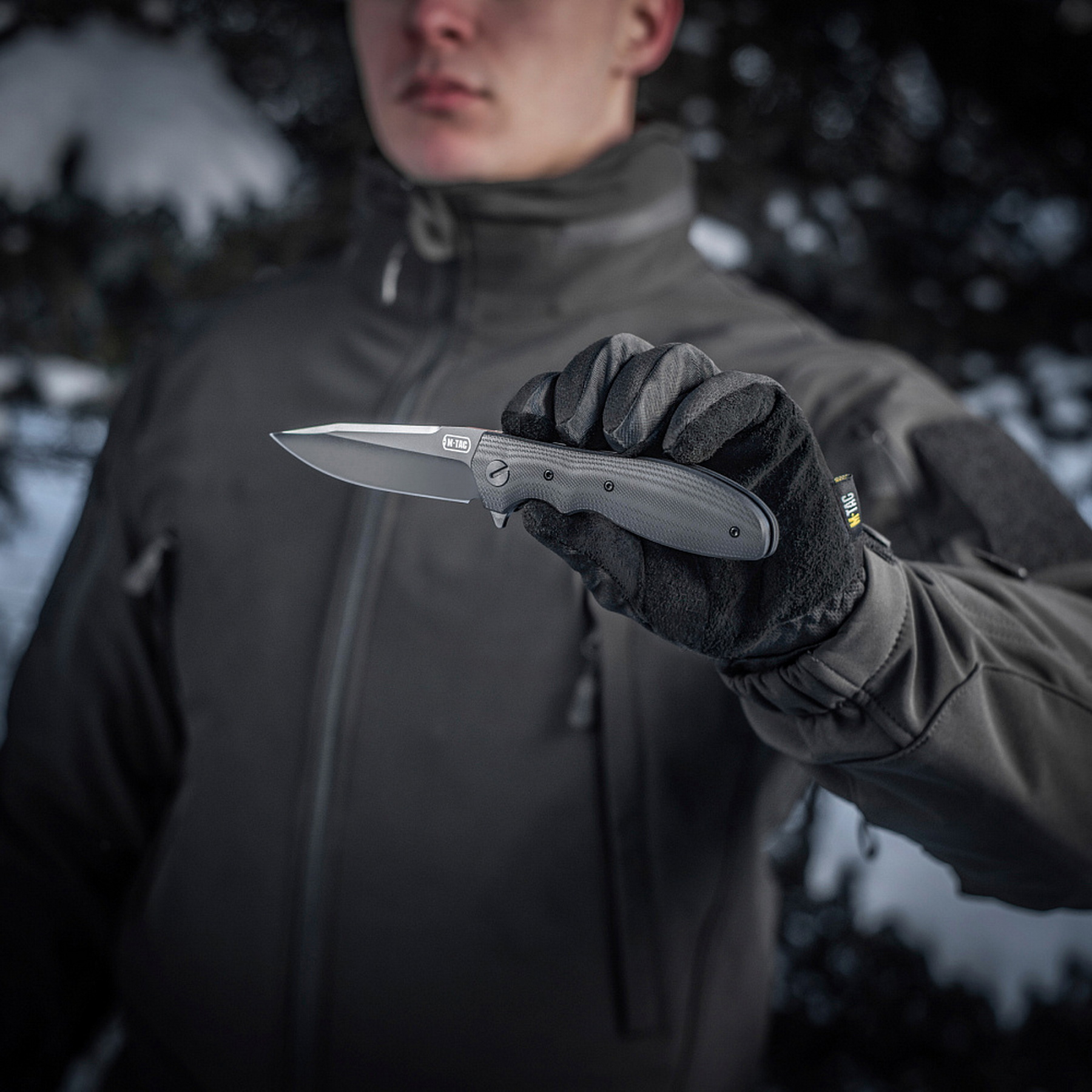
Compact, lightweight, taking up minimal space. They are suitable for everyday carry, the office, the car, weekend hikes, and household chores. Their main advantage is mobility.
Fixed Blade Knives
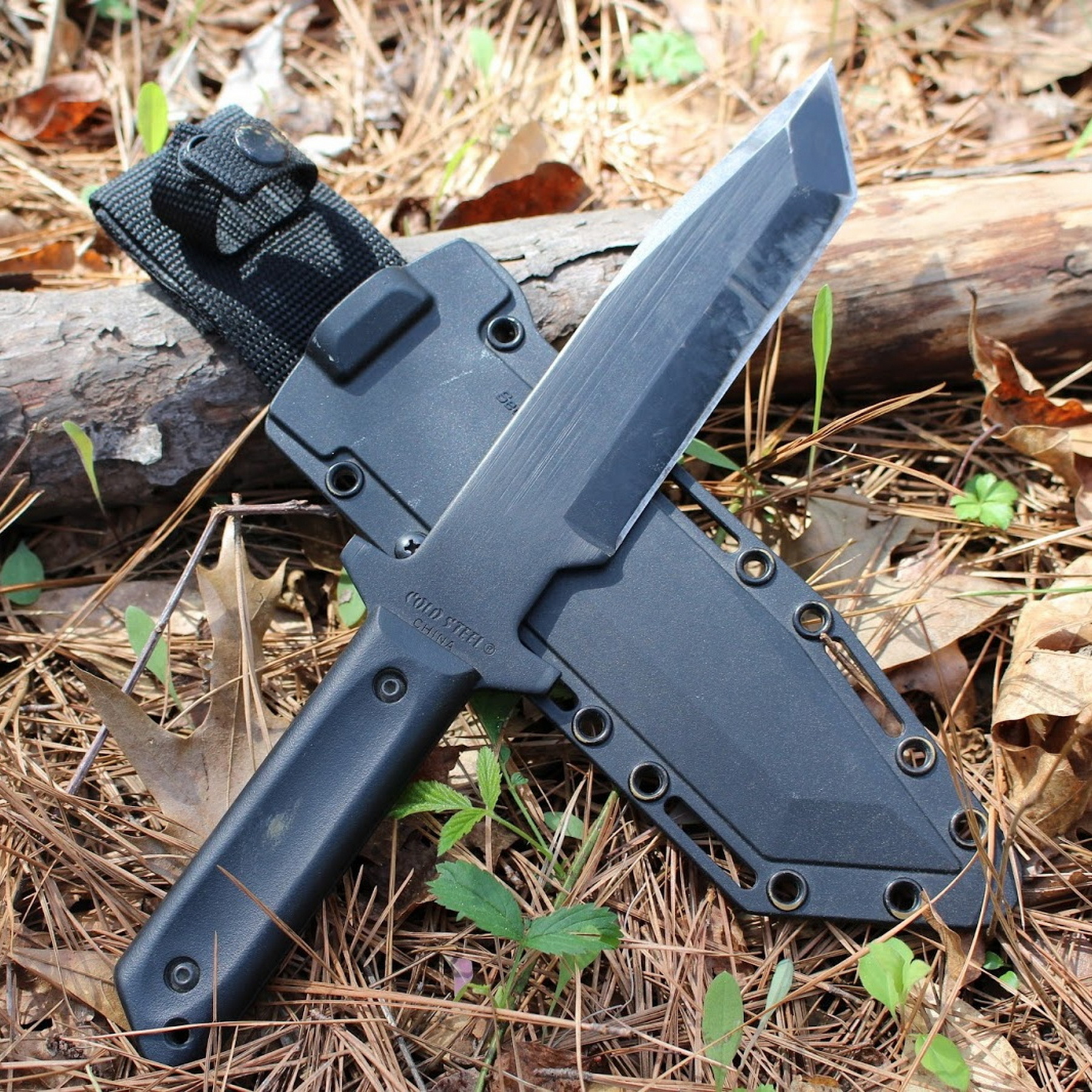
They feature a simpler design with no moving parts. They are well-suited for long trekking routes, camping, field kitchens, woodworking, and cooking food. Due to the absence of a hinge mechanism, they are easier to clean and can withstand heavier loads.
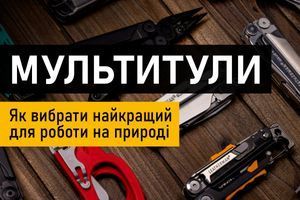
Multitools
If a knife is needed merely as one of many functions, a multitool often becomes a more practical solution. Pliers, screwdrivers, scissors, and openers are frequently used much more often than the blade itself.
Outdoor gear studies show that during most hikes, a knife is used primarily for food preparation, cutting rope, opening packages, and minor repairs. Situations where a large "survival" blade is required occur far less frequently than it seems after watching adventure films.
What Mistakes Buyers Most Frequently Make
These specific mistakes most often lead to an unsuccessful purchase.
Mistake No. 1. Relying solely on the blade length
As we have already established, what blade length is permitted in Ukraine is a question that has no universal answer, because length is just one of the parameters. Therefore, buying a knife on the principle of: "It's under 90 mm, so everything is fine" is incorrect.
Mistake No. 2. Believing myths from forums
On the Internet, one can find dozens of mutually exclusive assertions: "any hunting knife is a bladed weapon," "any folding knife is permitted," "everything depends solely on the spine thickness", "it's enough to grind down the tip." All of these claims are simplifications and do not substitute for an expert evaluation of a specific product.
Mistake No. 3. Buying a knife without documents
If the manufacturer or official importer provides the conclusion of a specialized examination stating that the model belongs to household/utility items, this significantly reduces the risk of misunderstandings. That is why it is worth buying knives in specialized stores that work with trusted brands and can provide the necessary product information.
Mistake No. 4. Choosing a knife based solely on appearance
A large blade with an aggressive design often looks spectacular. But in real life, a compact universal knife frequently turns out to be much more practical. It's like with an SUV. It is excellent at overcoming off-road terrain, but for daily city driving, a small hatchback can be much more convenient.
Many models of tourist knives that are considered classics today have practically not changed over the past 30-40 years. The reason is simple: their design turned out to be so successful that the need for radical changes simply never arose.
What Knife Can Be Carried in Ukraine
The query "what knife can be carried with you in Ukraine" is one of the most popular among buyers.
In the general case, citizens can carry household, tourist, kitchen, and other knives that do not belong to the category of bladed weapons. However, it is important to remember that the final legal assessment of a specific item depends on its design and, if necessary, on the results of a forensic examination.
Therefore, the best approach is to choose models from well-known manufacturers that have the appropriate documents or expert conclusions regarding the classification of the product as a household/utility knife.
How to Buy a Knife and Not Make a Mistake
For a purchase to bring only satisfaction, it is enough to follow a few simple rules:
-
Determine the tasks for which the knife is needed.
-
Do not rely solely on the blade length.
-
Buy products from well-known manufacturers.
-
Choose specialized stores.
-
Clarify whether the model has an expert opinion or other documents confirming its status.
-
Do not believe popular myths from social networks.
Such an approach is significantly more effective than attempts to independently determine the legal status of a knife based only on its photograph or technical specifications.


The world of knives is much more diverse than it might seem at first glance. Tourist, household, hunting, kitchen, or EDC models are created for completely different tasks, so evaluating them solely by blade length or appearance is incorrect.
Speaking about bladed weapons in Ukraine, it is worth remembering the main point: the status of a specific knife is determined not by a single parameter, but by a combination of design features evaluated during a forensic examination. That is why answers to queries like "which knife is considered a bladed weapon", "what is considered a bladed weapon", or "when is a knife considered a bladed weapon" always require a comprehensive approach.
If you are looking for a reliable knife for tourism, fishing, camping, or everyday use, the best solution is to buy products from trusted brands in specialized stores, paying attention not only to the specifications but also to the availability of documentation for the specific model. Such an approach will help you make a successful purchase and avoid unnecessary legal risks.

Igor Ivandikov — author of the article
Project Manager
Has over 2 years of experience working in the field of camping equipment. Well-versed in products for tourism, camping, and outdoor recreation.
Responsible for coordinating projects, monitoring deadlines, and ensuring the quality of task completion.
He enjoys football (soccer) and billiards, participates in competitions, and has won prizes on numerous occasions. He is a fan of active recreation.
FAQ. Answers to Frequently Asked Questions
1. Is any knife a bladed weapon?
2. What knife length is permitted in Ukraine, and is a folding knife a bladed weapon?
3. What is considered a bladed weapon in Ukraine?
4. How to avoid accidentally purchasing a bladed weapon?