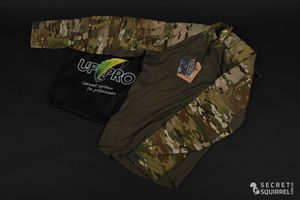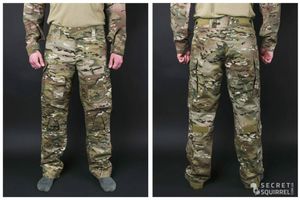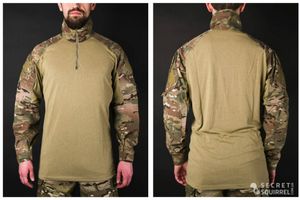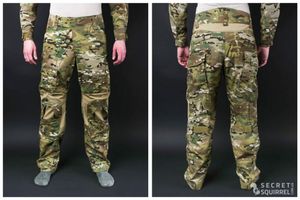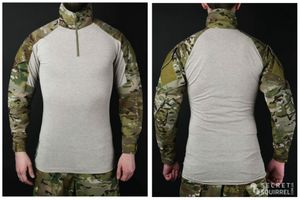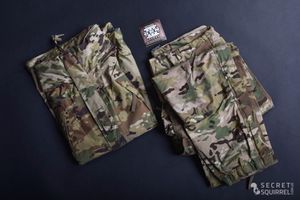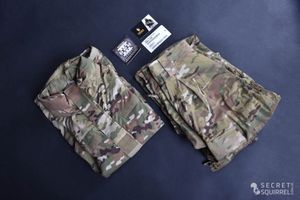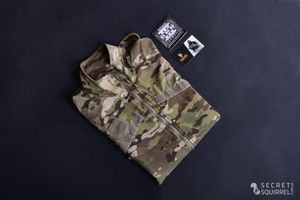
Comfort and the full functionality of tactical clothing directly depend on choosing the right size. After all, sleeves or pant legs that are too short can’t protect exposed areas of the body, no matter how high-quality the garment itself is. That’s why it’s so important to understand the various sizing standards – so you don’t limit your choice of gear simply because of size confusion. Almost every NATO country has its own sizing conventions.
Complicated? Yes. Manageable? Absolutely! And the Punisher team will be happy to help you understand the standards of the leading countries of the North Atlantic Treaty Organization (NATO). Let’s go!
Unified Standard
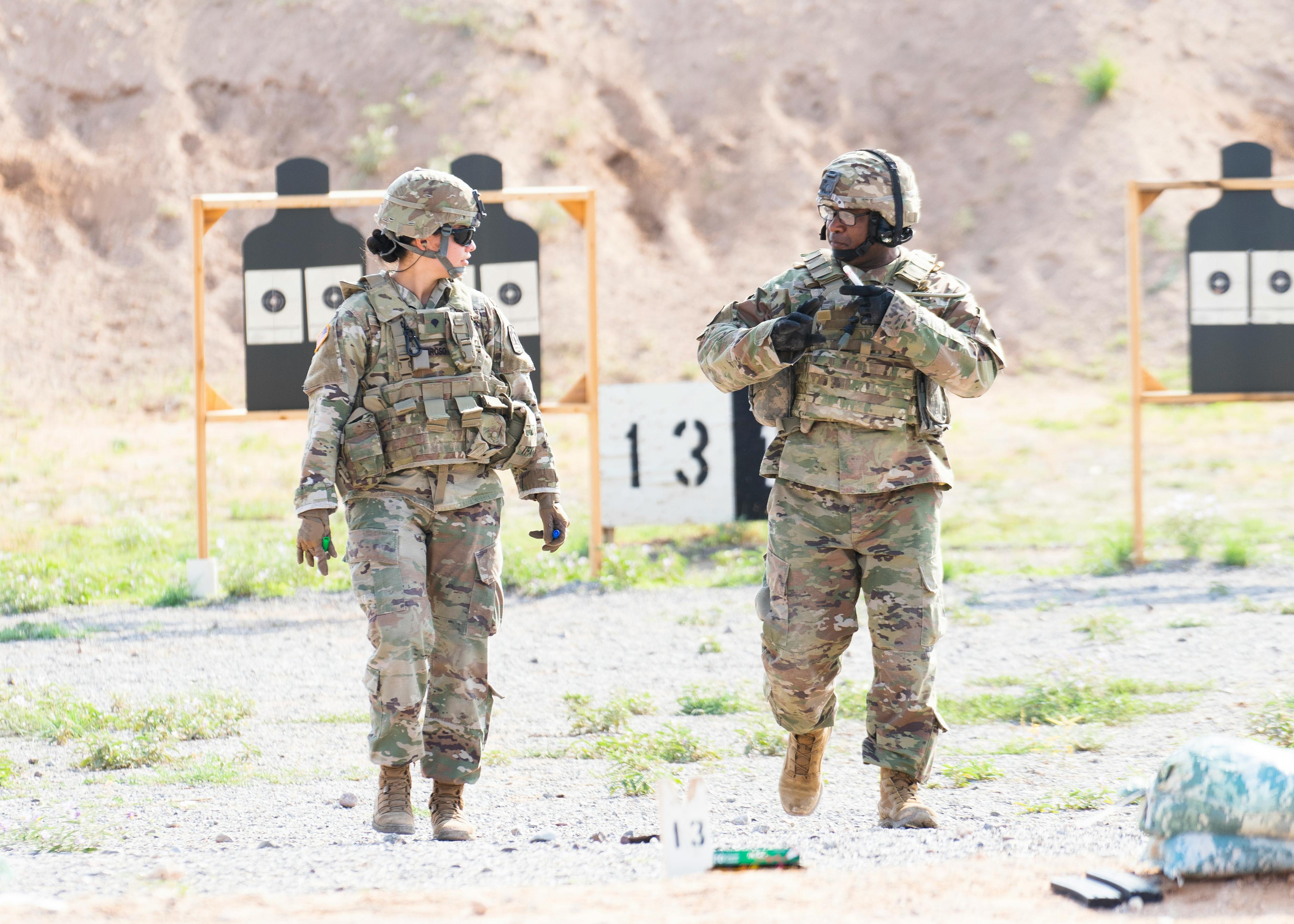
NATO Size is an international military sizing system used to designate the dimensions of clothing worn by the armed forces of NATO member states.
Format: XXXX/XXXX, where:
-
The first pair of digits (before the slash) represents the height range in centimeters (for example, 170-180 → 7080).
-
The second pair of digits (after the slash) represents the chest or waist circumference in centimeters (for example, 96-104 → 9604).
Example: 7080/9604 means
height 170-180 cm, chest circumference 96-104 cm.
For underwear, the second pair of digits indicates the waist circumference, but the order of the code is reversed (e.g., 9604/7080).
The first NATO Size charts were created for joint peacekeeping missions.
In the 1950s, when soldiers from different countries were stationed together on shared bases, it quickly became clear that even soldiers of the same height couldn’t exchange uniforms – their clothing systems were incompatible. That’s how the idea of a unified sizing standard was born.
There’s still a “phantom” NATO size – 7075/8595.
It’s not listed in manufacturing catalogs, but rumors say that this size is used for prototype testing of new uniform models at NATO research centers.
American Approach
The U.S. military sizing system considers not only body measurements but also height, allowing for a more precise fit tailored to individual anatomy.
It’s not an “extended civilian chart” – it’s the result of strict standardization under Department of Defense (DoD) specifications, where each size must comply with MIL-SPEC requirements.
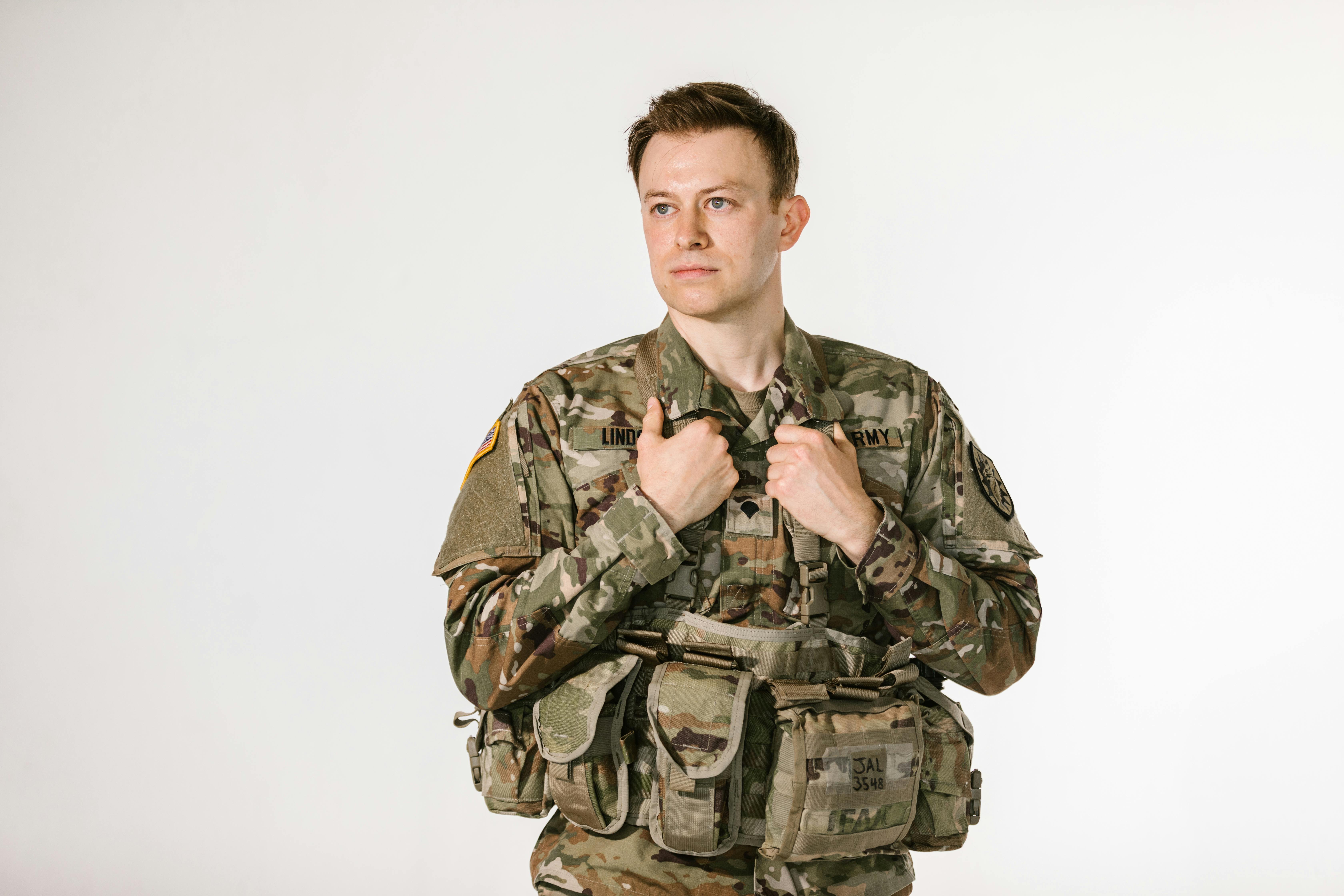
Although the size names may look familiar – Small, Medium, Large, XL, and so on – keep in mind that the military cut is designed for a stronger build and to accommodate multiple layers.
Therefore, a jacket labeled Medium Regular may actually be larger than a civilian Medium.
The U.S. military sizing system combines two parameters:
-
Width (chest/waist fullness): XXS, XS, S, M, L, XL, 2XL, 3XL, etc.
-
Height (length):
-
XShort – 150-160 cm
-
Short – 160-170 cm
-
Regular – 170-180 cm
-
Long – 180-190 cm
-
XLong – 190-200 cm
-
This means that for each width there are several height variations, such as Medium Short, Medium Regular, and Medium Long.
👖 How to Choose the Right Pants
-
Military trousers (such as ACU, OCP, or BDU) have a higher waist rise, so measure your waist at the navel level, not at the hips as you would for civilian pants.
-
Don’t choose a larger size just to get longer pant legs – in this system, length is determined separately by the height category (Short/Regular/Long), not by width.
You can wear military trousers over boots or tucked in using blousing straps, depending on the footwear type and mission conditions.
Tucking pant legs into boots isn’t mandatory, though it’s often done to protect against dust, dirt, or insects.
🧥 Choosing Jackets and Shirts
Unlike trousers, the military upper garments have fewer height variations, though they still come in Short / Regular / Long.
The cut provides freedom of movement and space for body armor or insulating layers.
For taller individuals, choosing a larger chest size can indeed make the sleeves longer – but it will also affect the fit around the waist, so keep that in mind.
✅ Key Takeaways
-
The U.S. military size system is based on MIL-SPEC standards.
-
Each size accounts for both circumference and height.
-
The military cut is roomier and more functional than civilian clothing.
-
Do not size up just for length – select the correct height category instead.
-
Tactical pants can be worn over boots or secured with blousing straps.

U.S. MILITARY UNIFORMS
Full range of American military uniforms in our catalog
Browse and choose yours!The U.S. Army once had over 200 different uniform fit variations.
During World War II, American engineers tested hundreds of combinations of lengths, widths, and body shapes to ensure every soldier could get a uniform that fit “like a glove.”
These studies later formed the foundation of modern MIL-SPEC standards.
U.S. Military Size Chart
|
USA standard |
Jacket |
Pants |
||
|
Size |
Chest Circumference (cm) |
Height (cm) |
Waist Circumference (cm) |
Inseam Length (cm) |
|
XS Xshort |
74-84 |
150-160 |
58-69 |
59-67 |
|
XS Short |
74-84 |
160-170 |
58-69 |
67-75 |
|
XS Regular |
74-84 |
170-180 |
58-69 |
75-83 |
|
XS Long |
74-84 |
180-190 |
58-69 |
83-90 |
|
S Xshort |
84-94 |
150-160 |
69-79 |
59-67 |
|
S Short |
84-94 |
160-170 |
69-79 |
67-75 |
|
S Regular |
84-94 |
170-180 |
69-79 |
75-83 |
|
S Long |
84-94 |
180-190 |
69-79 |
83-90 |
|
M Short |
94-104 |
160-170 |
79-89 |
67-75 |
|
M Regular |
94-104 |
170-180 |
79-89 |
75-83 |
|
M Long |
94-104 |
180-190 |
79-89 |
83-90 |
|
M Xlong |
94-104 |
190-200 |
79-89 |
90-98 |
|
L Short |
104-114 |
160-170 |
89-99 |
67-75 |
|
L Regular |
104-114 |
170-180 |
89-99 |
75-83 |
|
L Long |
104-114 |
180-190 |
89-99 |
83-90 |
|
L Xlong |
104-114 |
190-200 |
89-99 |
90-98 |
|
XL Short |
114-124 |
160-170 |
99-109 |
67-75 |
|
XL Regular |
114-124 |
170-180 |
99-109 |
75-83 |
|
XL Long |
114-124 |
180-190 |
99-109 |
83-90 |
|
XL Xlong |
114-124 |
190-200 |
99-109 |
90-98 |
|
XXL Regular |
124-135 |
170-180 |
109-119 |
75-83 |
|
XXL Long |
124-135 |
180-190 |
109-119 |
83-90 |
|
XXL Xlong |
124-135 |
190-200 |
109-119 |
90-98 |
|
3XL Regular |
135-145 |
170-180 |
119-130 |
75-83 |
|
3XL Long |
135-145 |
180-190 |
119-130 |
83-90 |
|
3XL Xlong |
135-145 |
190-200 |
119-130 |
90-98 |
|
4XL Regular |
145-155 |
170-180 |
130-140 |
75-83 |
|
4XL Long |
145-155 |
180-190 |
130-140 |
83-90 |
|
4XL Xlong |
145-155 |
190-200 |
130-140 |
90-98 |

And what about the British?
The British approach to sizing is based on precise body measurements and clothing functionality. To select the right tactical gear, it is recommended to measure your body parameters (chest, waist, height, arm length) using a flexible tape measure and compare them with the size chart of a specific manufacturer.
British manufacturers often offer extended fit options and numerous adjustments (e.g., Velcro on cuffs, drawstrings at the waist, adjustable pant legs), which allow you to tailor the product to your individual needs – correct slightly long sleeves or adjust the cuffs to fit gloves. However, this only helps with minor deviations; if there is a significant difference between your body measurements and the size, it is worth choosing a different size or height.
So: measure your body, compare it with the manufacturer's table, consider whether you plan to wear a bulletproof vest or insulating layers under your clothes, and only then make a decision – adjusting the cuffs and hems helps to refine the fit, but does not replace the correct basic size.

British uniform sizes are designed with trenches in mind.
The PCS and Smock jackets are cut with extra volume in the shoulders and chest, allowing soldiers to move freely in body armor even in confined spaces, such as trenches or armored personnel carriers.
Size charts in the United Kingdom
|
T-shirts |
|||
|
Size UK |
Size NATO |
Height (cm) |
Chest Circumference (cm) |
|
S |
5060/8090 |
< 170 |
80-90 |
|
M |
6070/9000 |
170-180 |
90-100 |
|
L |
7080/0010 |
180-190 |
100-110 |
|
XL |
8090/1020 |
190-200 |
110-120 |
|
XXL |
9000/2030 |
200 > |
120-130 |

|
UBACS combat shirt |
|||
|---|---|---|---|
|
Размер UK |
Размер NATO |
Рост (см) |
Обхват груди (см) |
|
S |
5060/7585 |
< 167 |
75-85 |
|
M |
6070/8595 |
167-177 |
85-95 |
|
L |
7080/9505 |
177-187 |
95-105 |
|
LW |
7080/0515 |
177-187 |
105-120 |
|
XL |
8090/1525 |
187-197 |
105-120 |
|
XXL |
9000/2535 |
197 > |
120-135 |

|
PCS thermal fleece |
|||
|
Size UK |
Size NATO |
Height (cm) |
Chest Circumference (cm) |
|
S |
5060/8090 |
< 160 |
80-90 |
|
M |
6070/9000 |
160-170 |
90-100 |
|
L |
7080/0010 |
170-180 |
100-110 |
|
XL |
8090/1020 |
180-190 |
110-120 |
|
XXL |
9000/2030 |
190 > |
120-130 |

|
PCS waterproof anorak |
|||
|
Size UK |
Size NATO |
Height (cm) |
Chest Circumference (cm) |
|
S |
5060/8090 |
< 160 |
80-90 |
|
M |
6070/9095 |
160-170 |
90-95 |
|
L |
7080/9505 |
170-180 |
95-105 |
|
XL |
8090/0510 |
180-190 |
105-110 |
|
XXL |
9000/1015 |
190 > |
110-120 |

|
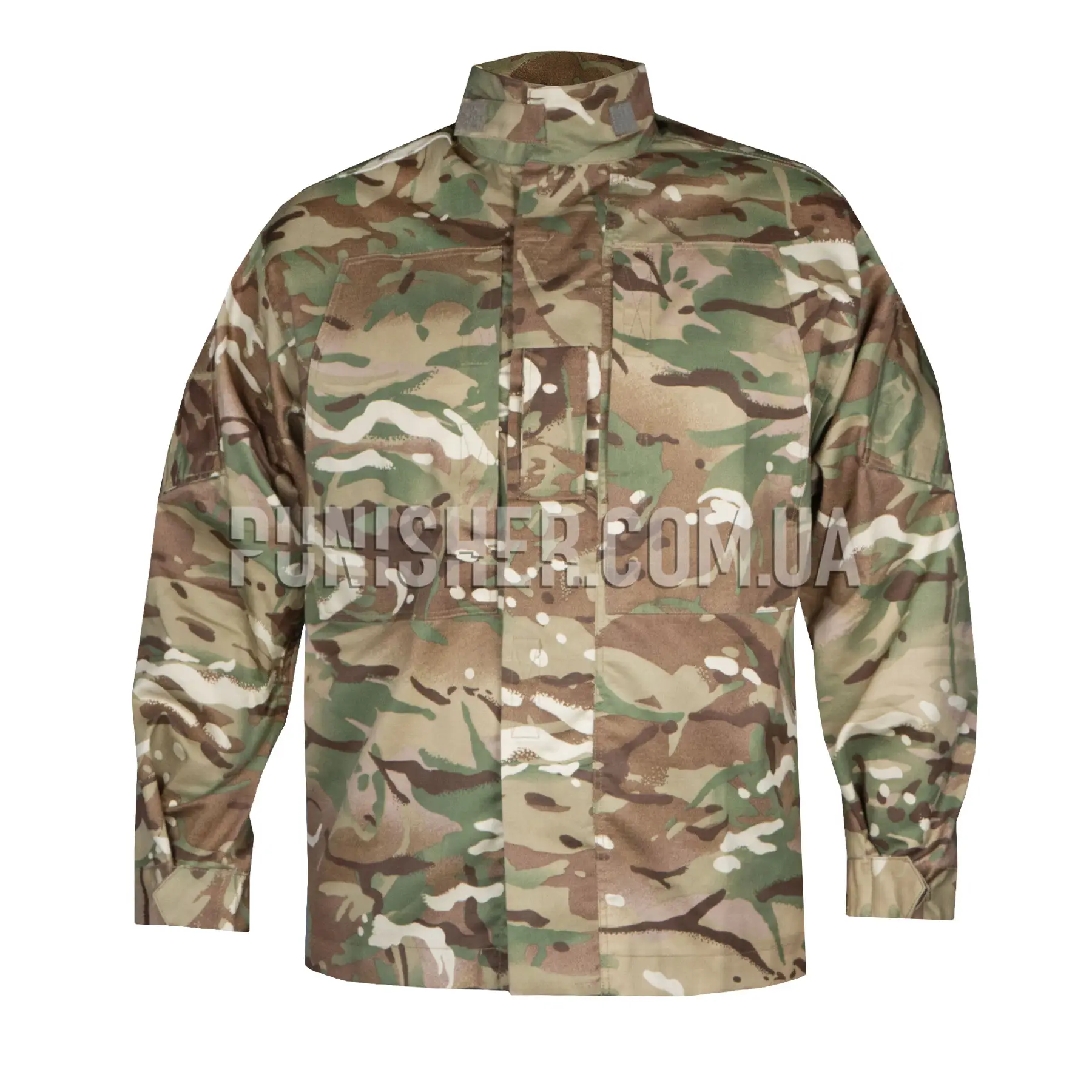
PCS combat jackets |
|||
| Size UK | Size NATO | Height (cm) | Chest Circumference (cm) |
| 160/88 | 5060/8590 | < 168 | 85-90 |
| 160/96 | 5060/9095 | < 168 | 90-95 |
| 160/104 | 5060/9505 | < 168 | 95-105 |
| 170/88 | 6070/8590 | 168-177 | 85-90 |
| 170/96 | 6070/9095 | 168-177 | 90-95 |
| 170/104 | 6070/9505 | 168-177 | 95-105 |
| 170/112 | 6070/0515 | 168-177 | 105-115 |
| 180/96 | 7080/9095 | 178-187 | 90-95 |
| 180/104 | 7080/9505 | 178-187 | 95-105 |
| 180/112 | 7080/0515 | 178-187 | 105-115 |
| 180/120 | 7080/1520 | 178-187 | 115-130 |
| 190/96 | 8090/9095 | 188-197 | 90-95 |
| 190/104 | 8090/9505 | 188-197 | 95-105 |
| 190/112 | 8090/0515 | 188-197 | 105-115 |
| 190/120 | 8090/1520 | 188-197 | 115-130 |
| 200/112 | 9000/0515 | > 197 | 105-115 |
| 200/120 | 9000/1520 | > 197 | 115-130 |
| 200/128 | 9000/2030 | > 197 | 120-140 |
|
PCS windbreaks |
|||
| Size UK | Size NATO | Height (cm) | Chest Circumference (cm) |
| 160/88 | 5060/8590 | 155-167 | 85-90 |
| 160/96 | 5060/9095 | 155-167 | 90-95 |
| 160/104 | 5060/9505 | 155-167 | 95-105 |
| 170/88 | 6070/8590 | 167-180 | 85-90 |
| 170/96 | 6070/9095 | 167-180 | 90-95 |
| 170/104 | 6070/9505 | 167-180 | 95-105 |
| 170/112 | 6070/0515 | 167-180 | 105-115 |
| 180/96 | 7080/9095 | 180-187 | 90-95 |
| 180/104 | 7080/9505 | 180-187 | 95-105 |
| 180/112 | 7080/0515 | 180-187 | 105-115 |
| 190/96 | 8090/9095 | 187-197 | 90-95 |
| 190/104 | 8090/9505 | 187-197 | 95-105 |
| 190/112 | 8090/0515 | 187-197 | 105-115 |
| 190/120 | 8090/1520 | 187-197 | 115-130 |
| 200/112 | 9000/0515 | 197 > | 105-115 |
| 200/120 | 9000/1520 | 197 > | 115-130 |

|
PCS waterproof and thermal jackets |
|||
|
Size UK |
Size NATO |
Height (cm) |
Chest Circumference (cm) |
|
S |
5060/8090 |
< 170 |
80-90 |
|
M |
6070/9000 |
170-180 |
90-100 |
|
L |
7080/0010 |
180-190 |
100-110 |
|
XL |
8090/1020 |
190-200 |
110-120 |
|
XXL |
9000/2030 |
> 200 |
120-130 |


|
PCS combat pants |
||||
|
Size UK |
Size NATO |
Inseam Length (cm) |
Waist circumference (cm) |
Hip circumference (cm) |
|
70/68/84 |
7075/6570 |
70-75 |
65-70 |
84 |
|
75/68/88 |
7580/7075 |
75-80 |
70-75 |
88 |
|
80/72/92 |
8090/7580 |
80-90 |
75-80 |
92 |
|
85/72/96 |
8595/8090 |
85-95 |
80-85 |
96 |
|
90/76/100 |
90100/8595 |
90-100 |
85-90 |
100 |
|
95/76/104 |
95105/90100 |
95-105 |
90-95 |
104 |
|
100/80/108 |
100110/95105 |
100-110 |
95-100 |
108 |
|
105/80/112 |
105115/100110 |
105-115 |
100-105 |
112 |
|
110/84/116 |
110120/105115 |
110-120 |
105-110 |
116 |
|
115/84/120 |
115125/110120 |
115-125 |
110-115 |
120 |
|
120/88/124 |
120130/115125 |
120-130 |
115-120 |
124 |
|
125/88/128 |
125135/120130 |
125-135 |
120-125 |
128 |

|
PCS windproof pants |
||||
|
Size UK |
Size NATO |
Inseam Length (cm) |
Waist circumference (cm) |
Hip circumference (cm) |
| 70/80/96 | 6570/7075 | 70-75 | 80-85 | 96 |
| 70/88/104 | 6570/7585 | 70-75 | 85-95 | 104 |
| 70/96/112 | 6570/8595 | 70-75 | 95-105 | 112 |
| 76/80/96 | 7080/7075 | 75-85 | 80-85 | 96 |
| 76/88/104 | 7080/7585 | 75-85 | 85-95 | 104 |
| 76/96/112 | 7080/8595 | 75-85 | 95-105 | 112 |
| 82/80/96 | 8085/7075 | 85-90 | 80-85 | 96 |
| 82/88/104 | 8085/7580 | 85-90 | 85-95 | 104 |
| 82/96/112 | 8085/8085 | 85-90 | 95-105 | 112 |
| 90/88/104 | 8595/7585 | 90-95 | 85-95 | 104 |
| 90/96/112 | 8595/8595 | 90-95 | 95-105 | 112 |
| 90/104/120 | 8595/9505 | 90-95 | 105-115 | 120 |

|
PCS moisture and thermal protection pants |
||
|
Size UK |
Inseam Length (cm) |
Waist circumference (cm) |
| S | 70-75 | 70-80 |
| M | 75-80 | 80-90 |
| L | 80-85 | 90-100 |
| XL | 85-90 | 100-110 |
| XXL | 90-95 | 110-125 |

Thinking like NATO, “de jure” in battle
None of the NATO countries has the combat experience that we (Ukraine) have already accumulated, and this process is still ongoing. Therefore, despite our absence from the alliance, we have nevertheless chosen the path of integration with these standards, as we see ourselves in this system of coordinates in the future. Currently, they are our partners, from whom we learn organization and receive technical assistance, and in return, we share our practical experience in conducting large-scale and intense modern combat operations. So it is worth recalling the standards used by the most familiar and currently (objectively) one of the most combat-ready armies in the world. We are talking about the Armed Forces of Ukraine (AFU).
To better meet the desired standards of leading equipment manufacturers, Ukraine has approved clothing sizes (clothing supplies) in the relevant regulatory documents. However, due to the differences in the size charts of the manufacturing countries, many nuances must be taken into account when purchasing clothing and footwear for combat units.
|
Size |
Boxer shorts (waist circumference, cm) |
T-shirts (chest circumference, cm) |
|
44 |
74-78 |
86-90 |
|
46 |
78-82 |
90-94 |
|
48 |
82-86 |
94-98 |
|
50 |
86-90 |
98-102 |
|
52 |
90-94 |
102-106 |
|
54 |
94-98 |
106-110 |
|
56 |
98-102 |
110-114 |
|
58 |
102-106 |
114-118 |
|
60 |
106-110 |
118-122 |
|
62 |
110-114 |
122-126 |

|
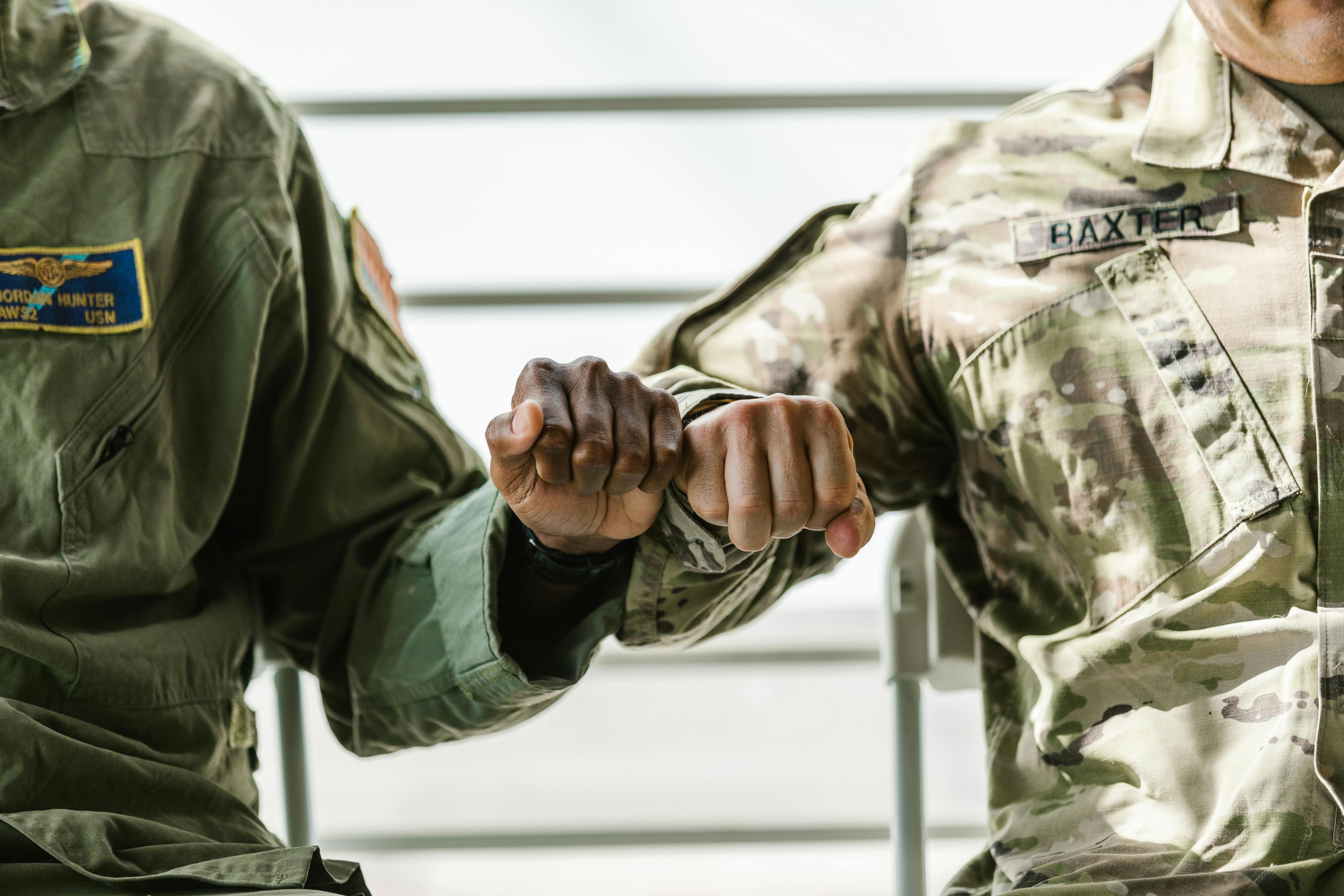
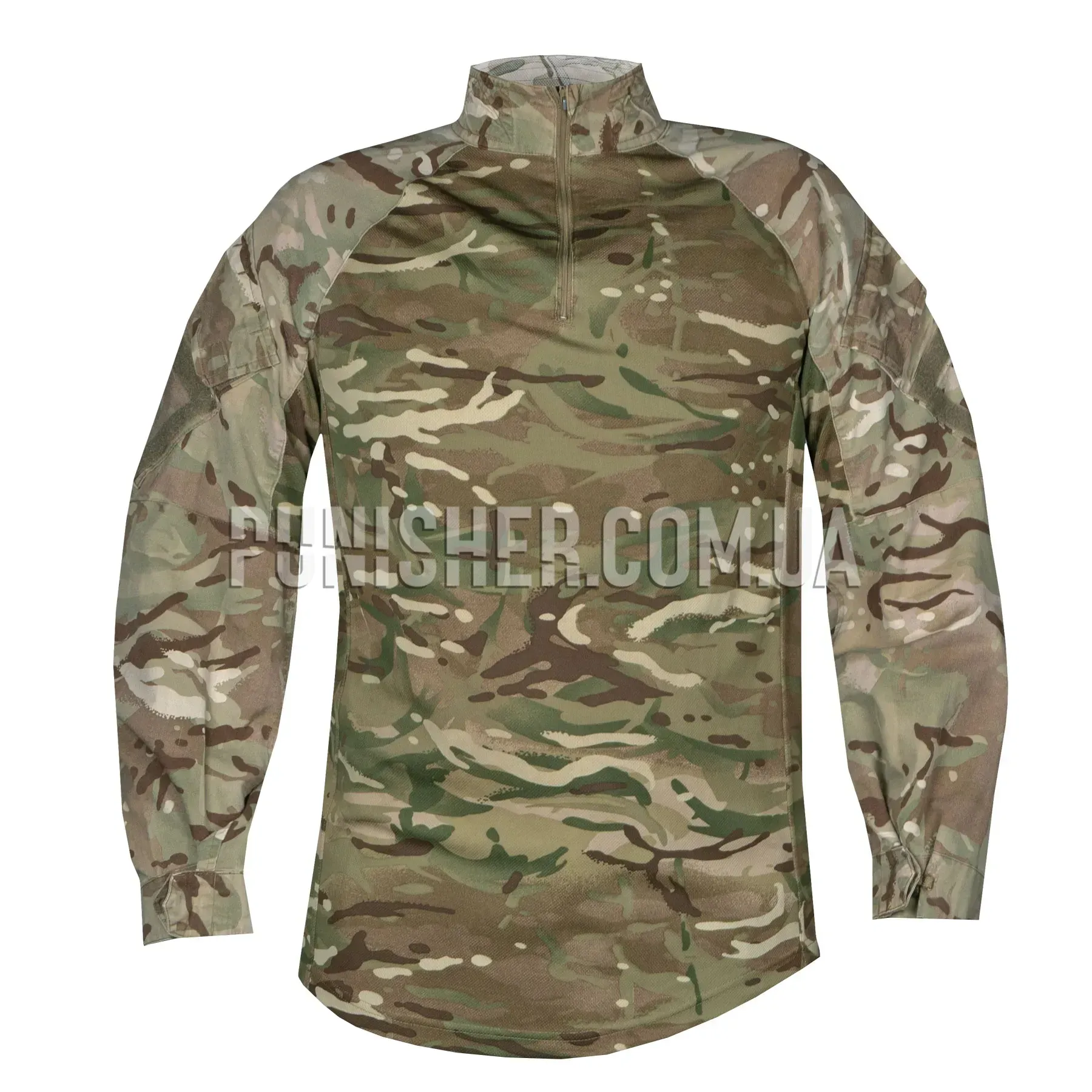
Combat shirts (UBACS) |
|
|
Size |
Chest circumference (cm) |
|
46 |
86-94 |
|
50 |
94-102 |
|
54 |
102-110 |
|
58 |
110-118 |
|
62 |
118-126 |
|
Jackets |
|
|
Size |
Chest circumference (cm) |
|
42 |
82-86 |
|
44 |
86-90 |
|
46 |
90-94 |
|
48 |
94-98 |
|
50 |
98-102 |
|
52 |
102-106 |
|
54 |
106-110 |
|
56 |
110-114 |
|
58 |
114-118 |
|
60 |
118-122 |
|
62 |
122-126 |
|
64 |
126-130 |
|
66 |
130-134 |
|
68 |
134-138 |
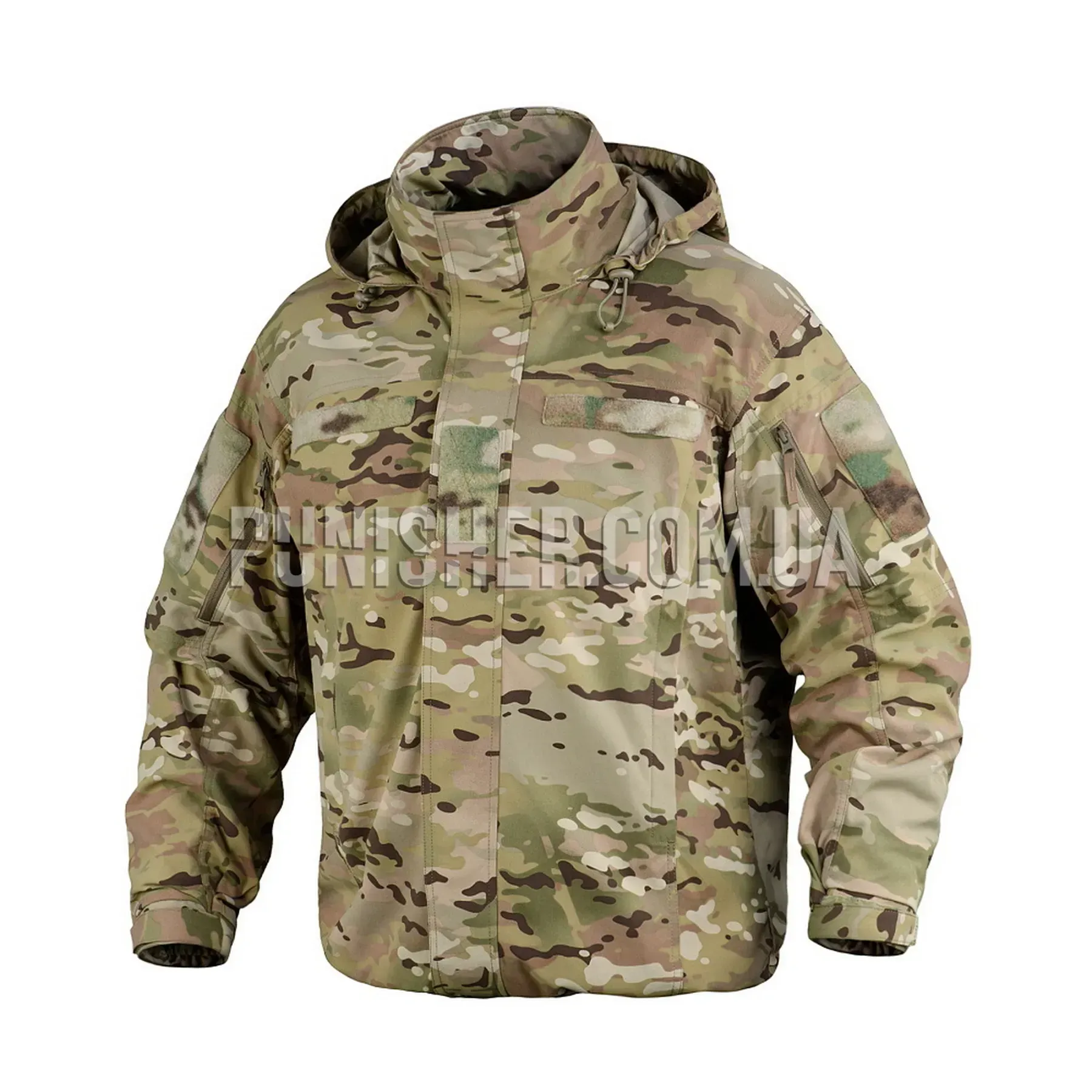
|
Pants |
|
|
Size |
Waist circumference (cm) |
|
42 |
70-74 |
|
44 |
74-78 |
|
46 |
78-82 |
|
48 |
82-86 |
|
50 |
86-90 |
|
52 |
96-100 |
|
54 |
100-104 |
|
56 |
104-108 |
|
58 |
108-112 |
|
60 |
118-122 |
|
62 |
122-126 |
|
64 |
126-130 |
|
66 |
130-134 |
|
68 |
134-138 |

Are you interested in Ukrainian uniforms? Then come on in!
The first mentions of Ukrainian military uniforms date back to the 16th century. Even then, the legendary Cossacks wore clothes that combined practicality (freedom of movement and breathability) with aesthetics (they looked great!). Although their sharovary, zhupans, and hats did not meet modern military clothing standards, they nevertheless became the hallmark of the Ukrainian army, which was feared and respected by all who looked upon us with ill will.
Protecting your extremities
Of course, military clothing is not limited to clothing for the torso, pelvis, and legs. For completeness, it is important to add socks, gloves, and headgear. Therefore, we provide summary size tables for easy comparison – take a look and choose!
Headgear sizes vary according to head circumference, which is measured in centimeters and is generally the same for all NATO countries:
|
Size |
Head circumference (cm) |
|
S |
54-56 |
|
M |
57-59 |
|
L |
60-62 |
|
XL |
> 62 |

To determine the size of gloves, you first need to consider the circumference of your palm. There are models where the length of the middle finger is important, but in most cases, you can do without this parameter:
|
Palm circumference (cm) |
EU size |
US size |
Size Ukraine |
|
19-21 |
8 |
S |
S |
|
21-23 |
9 |
M |
M |
|
23-24 |
10 |
L |
L |
|
24-26 |
11 |
XL |
XL |
|
26-27 |
12 |
XXL |
XXL |

And what about socks?! They keep your feet warm in cool weather and reduce the risk of rubbing from shoes. Let's take a look at the size chart:
|
Men's foot length (mm) |
EU size (based on shoe size) |
US size |
Size Ukraine |
|
225-247 |
31-35 |
S |
23-25 |
|
247-270 |
36-40 |
M |
25-27 |
|
270-292 |
41-45 |
L |
27-29 |
|
292-314 |
46-49 |
XL |
29-31 |

|
Women's foot length (mm) |
EU size (based on shoe size) |
US size |
Size Ukraine |
|
213-233 |
35-37 |
S |
23 |
|
233-253 |
38-40 |
M |
25 |
|
253-273 |
41-43 |
L |
27 |
|
273-297 |
44-46 |
XL |
29 |

Helpful tips for measuring
Use a flexible measuring tape to determine clothing size. Measurements should be taken while wearing light clothing or a thin base layer to obtain accurate results. The tape should fit snugly against the body without constricting it.
Conclusion
The comfort of your gear not only affects how comfortable it is to wear for long periods of time, but also directly determines how effective it is at protecting you and how freely you can move. An incorrectly sized gear can cause armor panels to shift, put excessive pressure on contact points, or restrict your mobility, reducing your tactical effectiveness.
Review the size chart and measure accurately before buying to avoid these problems.
Consider anatomical differences when choosing models for the best fit and protection. So, we've figured out the intricacies of NATO military sizes together; now it's up to you. We suggest you take a look at our online store, where you can find clothing of any size and for any tactical task.
FAQ. Quick answers before choosing your size
1. How to take measurements correctly to choose the right NATO uniform size?
2. What is the difference between U.S., British, and other NATO sizing systems?
3. What should I do if my measurements fall between two sizes in the chart?

Ihor Ivandikov — автор статті
Project Manager
Has over 2 years of experience in the field of camping and outdoor equipment. Well-versed in products for tourism, camping, and outdoor recreation.
Responsible for project coordination, deadline management, and quality control.
Enjoys football and billiards, takes part in competitions, and has won prize places. Passionate about active recreation.