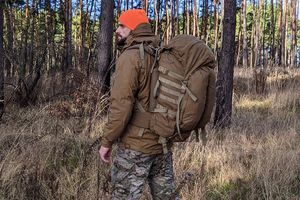
Fall and spring are the seasons when a servicemember's equipment goes through the simplest test of how well thought out it is. In the morning, the temperature can be around freezing, during the day, it can rise by 50-59°F, and in the evening, the situation can change with strong wind, rain, or wet snow. Add physical exertion to this, and it becomes clear why a kit that is comfortable while stationary can turn out to be too warm while moving.
Therefore, modern service member equipment for fall and spring is not simply a set of warm clothes. It should be built as a system that can be quickly adapted to temperature, humidity, wind, and work intensity. A guide from the Punisher military store will help you understand how to do this as effectively as possible.

What Has Changed in Equipment Requirements in Fall and Spring
In fact, the main change is not the appearance of some new “magic” jacket or material. The approach to equipment itself has changed. Instead of one universal kit, people increasingly use a system of functional layers. Each of them has its own task: the base layer wicks away moisture, the insulating layer retains heat, and the outer layer protects against wind and precipitation.
This approach can be seen even in military practice. For example, the current Rules for Wearing Military Uniforms of the National Guard of Ukraine provide summer, mid-season, and winter variants of field uniforms depending on the season and weather conditions. The rules separately provide for warm clothing in cold weather and specify that the procedure for wearing special uniforms and equipment elements is established with consideration of the specific conditions of service.
For practical equipment selection, this division is not enough. A fall morning at 41°F with strong wind is a completely different situation from 41°F in calm, sunny weather. Likewise, a high-intensity march and several hours spent at a position require different clothing configurations. Therefore, the basic formula looks like this: temperature + humidity + wind + physical exertion → layer configuration.
In the U.S. Army's ECWCS systems, clothing is divided into functional levels, from a lightweight base layer to insulation and outer protection. Modern instructions specifically identify, among others, Level 5 SoftShell and Level 6 for cold, wet weather. In other words, the idea of selecting clothing not “by season”, but by a combination of conditions, has long been used in military equipment.

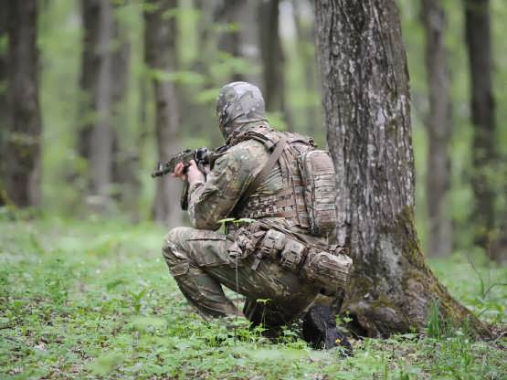
Layering: The Basis of Fall-Spring Equipment
Layering is not about simply putting on as many things as possible. Its purpose is that each layer performs a specific function, while a layer that is not needed at the moment can be removed. For the transitional seasons, the basic system can be conditionally built from four elements:
-
base layer;
-
insulation layer;
-
SoftShell or another windproof layer;
-
membrane protection for challenging wet weather.
At the same time, all four layers are rarely needed simultaneously.
Base Layer
The first task of a base layer is moisture management, not maximum insulation. During physical exertion, the body generates heat and sweat. If moisture remains directly against the skin, once activity decreases, clothing starts working against you: a wet layer removes heat faster, and you become cold. That is why a base layer should move moisture away from the skin and dry quickly. For active use, the correct fabric weight and the material's ability to deal with sweat are usually more important than maximum thickness. This also explains why you should not automatically choose the warmest model. During intense movement, excessive insulation can cause overheating, after which the body cools down because of moisture accumulated in the clothing.
Cotton deserves a separate mention. It absorbs water well, but dries more slowly than many functional synthetic materials. For an active base layer in cold weather, this can be a significant disadvantage.
Fleece and Insulation: When Additional Warmth Is Needed
If the base layer is primarily responsible for moisture management, the mid layer is responsible for thermal insulation. Fleece retains a layer of air while remaining relatively lightweight. This is why fleece jackets have become one of the most common options for an insulating layer in layering systems.
But fleece should not be viewed as universal protection against bad weather. Its strength is insulation, while protection from strong wind and precipitation should be provided by the outer layer. A good example is ECWCS Gen III Level 3. This is specifically an intermediate insulating layer made of Polartec Thermal Pro, not a jacket that should independently replace the entire system. This approach makes it possible to add or remove insulation depending on the conditions.
SoftShell and Membrane: The Outer Layer
It is important not to confuse two different concepts here:
-
SoftShell is designed for situations where a balance is needed between protection from wind and light moisture, breathability, and freedom of movement. This is why it is particularly appropriate during active work in cool, dry, or moderately wet weather.
-
A membrane layer is needed when protection from water and wind becomes the primary task. In ECWCS systems, Level 6 is described specifically as a waterproof outer layer for prolonged or heavy rain and cold, wet weather.
Therefore, the question “which is better – SoftShell or a membrane?” is incorrectly framed. They are different tools. SoftShell can be more comfortable during continuous movement when heat and moisture need to be managed. A membrane becomes particularly valuable when external water is already the main problem.
One square inch of GORE-TEX membrane contains approximately 9 billion pores. It was this microporous ePTFE structure that became the basis of the original membrane developed by Bob Gore in 1969. The first commercial orders for GORE-TEX material appeared in 1976.


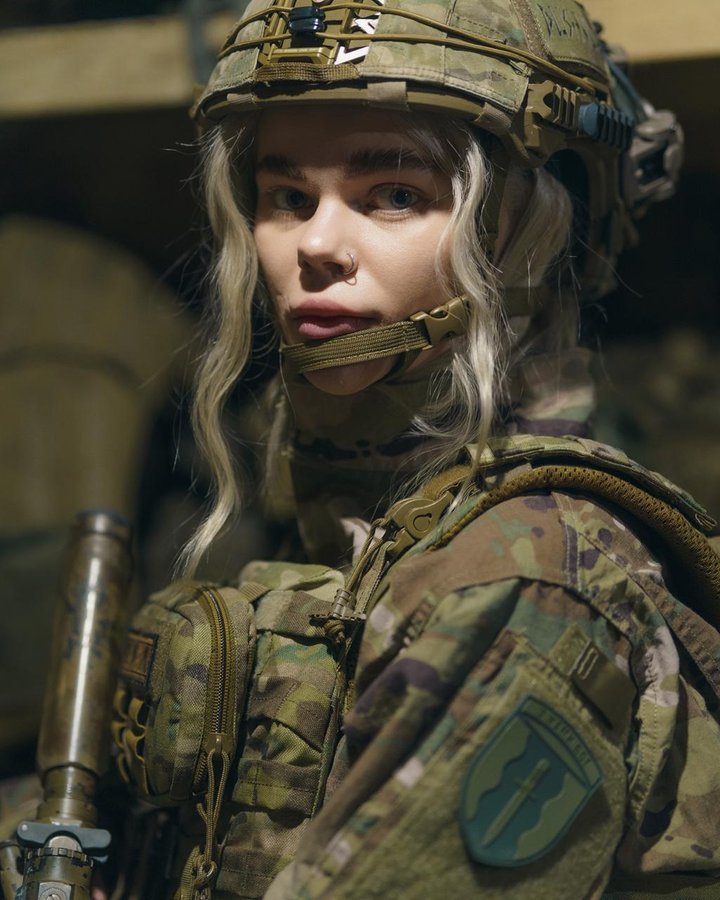

Tactical Clothing for Fall and Spring
Tactical clothing for the transitional seasons should not work only on its own. It needs to be evaluated together with all the equipment. A jacket may fit perfectly without body armor but create excess bulk under a plate carrier. Pants may be comfortable while walking but restrict work from the kneeling position. A large amount of insulation may make a kit comfortable while waiting but unbearably hot during rapid movement. Therefore, service member equipment should be tested in its actual configuration: clothing + protective equipment + battle belt + backpack.
Jacket: Wind Protection or a Full Rain Layer?
Before choosing a jacket, it is worth determining the main problem. If protection is needed from cold wind, drizzle, and occasional minor precipitation during active movement, SoftShell will often be the more logical option. If prolonged rain or wet snow is expected, the outer layer should provide a significantly higher level of water protection.
In this context, fabric specifications are not the only important factors. Product construction also matters: ventilation, cuff adjustment, collar, hood, jacket length, and compatibility with body armor directly affect ease of use.
Tactical Pants: Mobility, Ventilation, and Protection
Tactical pants face somewhat different requirements in fall and spring than ordinary mid-season models. Freedom of movement remains the top priority. Pants should allow you to squat, run, work from the kneeling position, and use knee pads. Ventilation and the ability to wear an additional base layer are equally important. This is why excessive insulation is not always justified. During high physical exertion, the legs can overheat even at temperatures close to freezing.
For the transitional season, it is often more practical to use versatile tactical pants and change the lower layer depending on the temperature rather than buy a maximally insulated model for the entire season.


Tactical Footwear: Fall and Spring Set Their Own Conditions
Footwear is one of those elements where seasonality is most noticeable. Fall and spring mean wet grass, puddles, mud, cold ground, sudden temperature changes, and a significantly higher likelihood of prolonged contact with moisture. That is why military combat boots should be evaluated not only by their insulation. Tread, foot retention, upper materials, water protection, weight, and ventilation are important.
The term military boots covers very different models. Lightweight mid-season boots and heavy water-resistant models can both be called combat boots, but behave very differently in practice. Therefore, if you are planning to buy military boots, you should first determine the intended use scenario. For active movement in dry weather, an excessively heavy and insulated pair may be less comfortable. For prolonged exposure to a wet environment, on the other hand, priority shifts toward protection from soaking through and effective moisture removal from the inside.
Another important detail is socks. Even good footwear cannot compensate for an improperly selected layer directly against the foot.
GORE-TEX was not used in footwear immediately after the invention of the membrane: the first use of GORE-TEX membrane in a hiking boot dates back to 1982, while the technology itself was developed as early as 1969.
Protective Equipment: What Changes and What Remains the Same
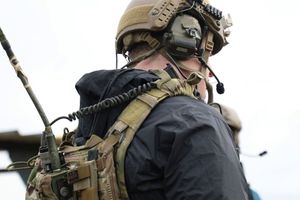
A plate carrier, body armor, battle belt, helmet, knee pads, tactical eyewear, or active hearing protection do not become “fall” or “spring” equipment. What changes is their compatibility with clothing.
An additional insulation layer increases the volume of the torso. This can change the fit of a plate carrier. A jacket under a battle belt can create folds or interfere with access to pouches. A bulky layer under knee pads can change their fit. Therefore, equipment should be checked not as individual elements, but in the full configuration.
Put on the base layer, insulation, outer jacket, body armor or plate carrier, battle belt, and backpack. Walk around, squat, work from the kneeling position, and raise your arms. If something starts getting in the way at this stage, the problem has appeared before actual use – and this is exactly the moment when it is easiest to fix.
Gloves, Eyewear, and Other Equipment
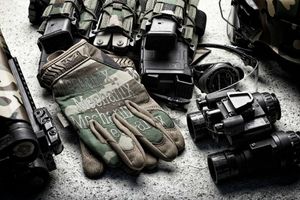
The transitional season changes the requirements even for small elements of the kit. Tactical gloves should protect the hands from cold and mechanical impact, but should not insulate them so much that finger sensitivity is lost. This is particularly important for active work.
Tactical eyewear also operates in changing conditions during fall and spring. Temperature, humidity, and the difference between body temperature and ambient temperature can contribute to lens fogging. Therefore, ventilation and an anti-fog coating are not decorative characteristics, but factors that directly affect visibility.
It is also worth remembering small elements: a neck gaiter, beanie, spare socks, lightweight gloves, or a rain cover for equipment. They weigh little, but at the right moment can prove significantly more useful than another heavy insulating layer.
Backpack, First-Aid Kit, and Hydration Bladder: What Changes with the Season
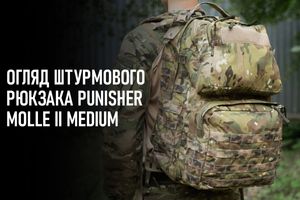
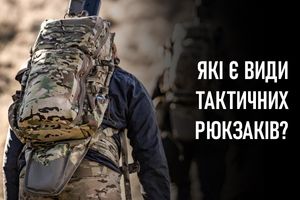
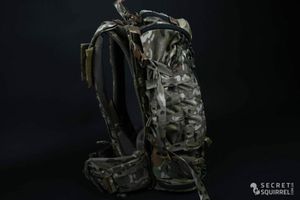
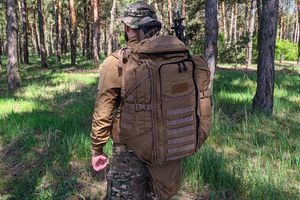
The backpack itself does not necessarily need to change when fall arrives. What changes first and foremost is its contents. During the transitional season, the kit may include a spare clothing layer, rain protection, dry socks, additional gloves, or other items for quickly adapting to the weather. But it is easy to cross the line here. If every potential problem is solved by adding another item to the backpack, its weight will quickly increase. Therefore, fall service member equipment should be assembled according to the principle of actual need, rather than “maybe it will come in handy someday.”
A hydration bladder does not become unnecessary because of cooler temperatures either. During physical exertion, the body continues to lose water, even if thirst feels weaker than it does in hot weather.
The first-aid kit also remains functionally unchanged, but it is especially important to protect its contents from moisture and ensure quick access to critical components.

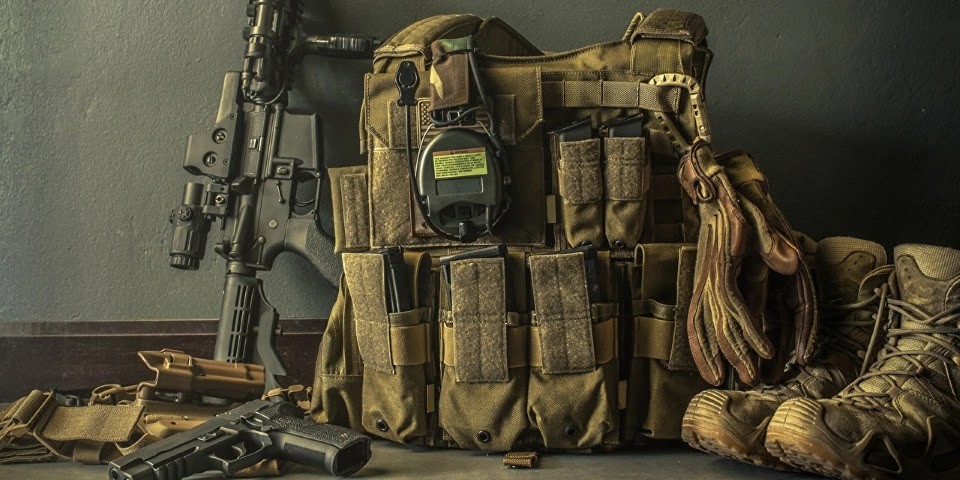
How to Build Equipment for Fall-Spring 2026-2027
There is no single kit that will work equally well throughout the entire transitional season. It is much more practical to have a basic system and change its configuration.
Warm and Dry Day
A base layer or lightweight base layer + tactical pants + a lightweight outer layer may be entirely sufficient. If physical activity is high, additional insulation may not be needed at all.
Cool, Windy, and Periodically Rainy
Insulation is added to the base layer, with SoftShell on top. If precipitation intensifies, a membrane protective layer can be added over the system.
Cold and Damp
Here, layering works to its full extent: the base layer moves moisture away, insulation retains heat, and the membrane layer protects against external water and wind.
High Physical Activity
In this scenario, the main danger is not insufficient insulation, but overheating. That is why it is better to have several functional layers that can be removed, unzipped, or replaced than one very warm kit.
Military recommendations for ECWCS explicitly take activity level into account: for highly active work, fewer layers may be required because the body itself generates a significant amount of heat during movement. This once again shows why air temperature alone cannot be the only criterion for selecting clothing.


Equipment for fall-spring 2026-2027 should be selected not according to the principle of “what is warmer”, but according to the principle of functionality. A base layer manages moisture, fleece and other insulation help retain heat, SoftShell protects against wind and moderate bad weather, while a membrane layer takes on more challenging precipitation.
At the same time, clothing cannot be considered separately from a plate carrier, body armor, battle belt, backpack, and other equipment. A good kit is not the maximum number of items, but a system in which every element has a clear function and does not interfere with the others.
That is why the main principle of the transitional season is simple: do not insulate in advance, but have the ability to quickly adapt your equipment to actual conditions.

Vitalii Buniak — article author
Military gear consultant
Before 2022, he worked as a sales assistant at the Panisher store. After the start of the full-scale invasion, he joined the Armed Forces of Ukraine, gaining real combat experience.
Thanks to his combat experience and deep knowledge of tactical gear, Vitalii serves as a personal expert of the Panisher online store in the fields of:
- Clothing and footwear
- Equipment
His recommendations help customers choose reliable and functional gear for any conditions.
FAQ. Answers to Frequently Asked Questions
1. What equipment does a servicemember need for fall and spring?
2. How should you wear base layers in fall and spring?
3. How does SoftShell differ from a membrane jacket?
4. What tactical footwear should you choose for the fall-spring season?