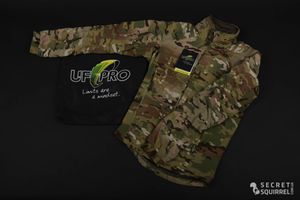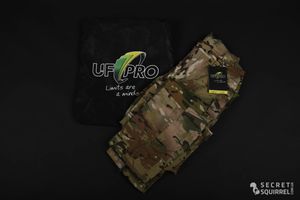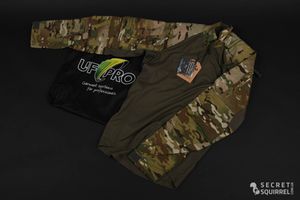
A long-sleeve shirt is easy to incorporate into a casual wardrobe, but the versatility of this garment depends on the specific model. A plain long-sleeve T-shirt, a loose-fitting long-sleeve shirt with a print, and a sports model made from functional fabric serve different purposes. They fit the body differently, behave differently during movement, and pair differently with other clothing items.
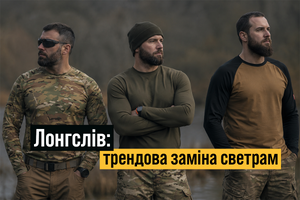
A long-sleeve shirt is interesting not only for its practicality but also for its ability to replace familiar wardrobe staples. Read Punisher's separate article to find out why it has become a trendy alternative to sweaters.
Here, we will focus on something else: the different types of long-sleeve shirts, how to find the right cut and material, and what to wear with this garment to create a cohesive outfit.
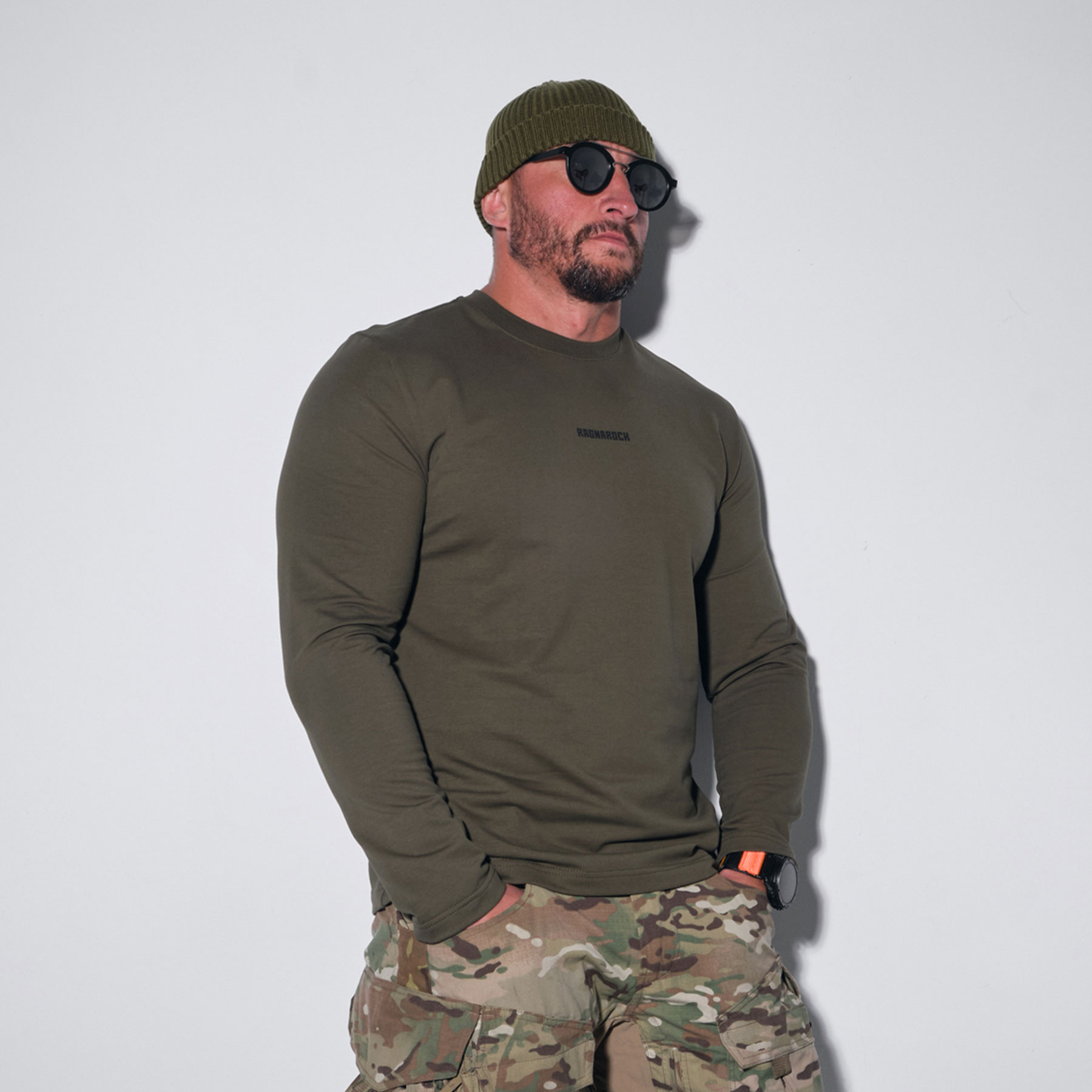
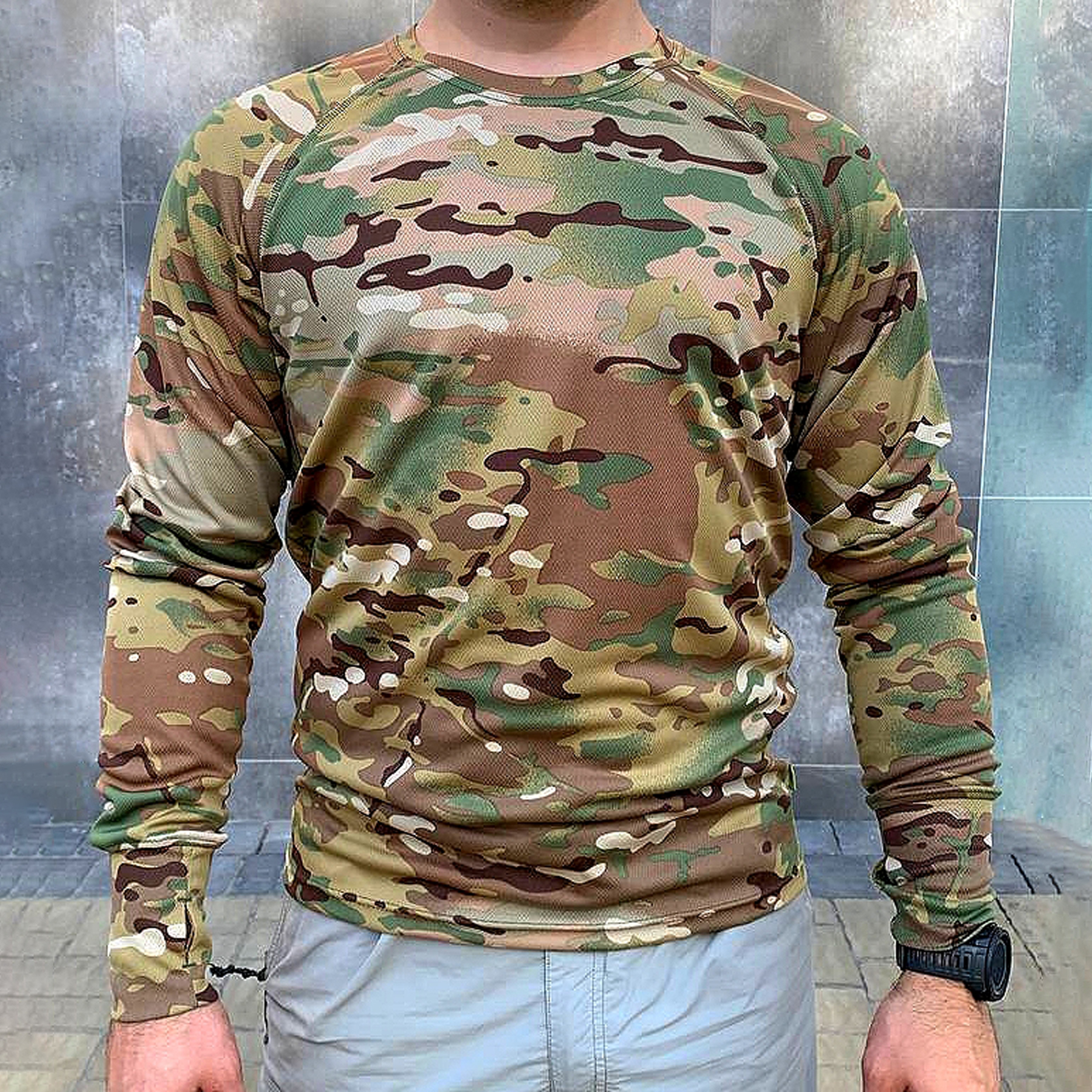
Is a Long-Sleeve Shirt a T-Shirt with Long Sleeves?
Yes, this is the simplest way to explain what a long-sleeve shirt is. The name comes from the English phrase long sleeve. It usually refers to a lightweight knitted garment with long sleeves and a construction similar to that of a T-shirt. However, a long-sleeve shirt does not necessarily have to be thin, tight-fitting, or intended solely for wearing under other clothing.
Its main difference from an ordinary T-shirt is the sleeve length. Compared with a sweatshirt, it is usually made from thinner material and has a simpler construction: a classic long-sleeve shirt does not have the tight cuffs and ribbed waistband characteristic of a sweatshirt, although individual models may have their own design features. Thermal underwear can also look similar to a long-sleeve shirt, but it is primarily designed to manage moisture and maintain thermal comfort during activity.
Therefore, it is not worth choosing a garment based on its name alone. For city wear, fit and appearance may be more important; for training, fabric properties matter more; and for a layered outfit, the key consideration is how comfortably the garment fits under a jacket or fleece.
In 1868, a type of one-piece undergarment called a union suit was patented. It covered the arms, torso, and legs and was designed to be worn under outer clothing in cold climates. Its construction featured front fasteners and a special rear flap that allowed the wearer to use the toilet without removing the entire garment.
This was not a modern long-sleeve shirt, nor was 1868 the year the garment was invented. However, the history of the union suit illustrates how underwear developed around a practical objective: providing additional body coverage beneath outer clothing. Today's long-sleeve T-shirts have a different construction and a much wider range of uses, but they belong to the same broader history of everyday clothing.
Types of Long-Sleeve Shirts
Long-sleeve shirts can be classified by cut, design, material, and intended use. These characteristics overlap: for example, a men's long-sleeve shirt may be a classic cotton model, an oversized shirt with a print, or a sports model made from synthetic knit fabric.
Classic and Basic Models
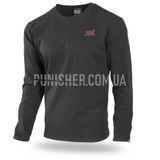
A basic long-sleeve shirt usually has a simple cut, a restrained color, and minimal decorative details. White, black, gray, navy, and olive versions are easy to pair with jeans, cargo pants, chinos, and outerwear in different styles.
This type of model is worth considering if you need a garment for regular use rather than for one specific outfit. It does not draw too much attention and allows you to change the character of an outfit with trousers, footwear, a jacket, or accessories.
Fitted and Loose-Fitting Long-Sleeve Shirts
Fit affects not only appearance but also comfort. A fitted long-sleeve shirt follows the contours of the body and works well in layered outfits where excess fabric could bunch up under outerwear. A straight cut provides more freedom and looks relaxed, while an oversized fit creates a voluminous silhouette and becomes a noticeable part of the outfit.
A loose cut does not necessarily mean that the garment is too large. In a well-designed model, the shoulder seams, sleeve length, and overall garment length match the intended construction. If the fabric bunches excessively around the armpits, the sleeves keep slipping down, or the neckline becomes misshapen, the problem may not be the style but an unsuitable size.
Long-Sleeve Shirts with Prints and Details
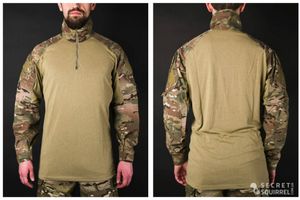
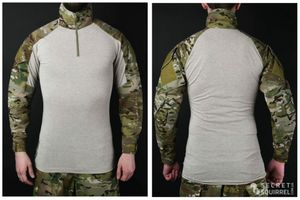
Text, graphics, camouflage, contrasting sleeves, or pockets can change the character of a garment even when its cut remains the same. A model with a large print becomes the visual focal point of an outfit, so the other clothing items are best kept more understated. A long-sleeve shirt with a small logo or restrained graphics is easier to combine with different trousers and jackets.
For a casual wardrobe, it is worth considering not only the design itself but also how it works with the colors and textures of the items you already own. If the top is busy, a bottom without many decorative details usually helps maintain balance.
Sports and Tactical Models
A sports long-sleeve shirt is designed for movement, so elasticity, ventilation, fit, and the material's ability to manage moisture are particularly important. For intense workouts, synthetic knit fabric is often more practical than ordinary cotton: depending on the fabric structure and its treatment, it may move moisture away from the body more effectively and dry faster.
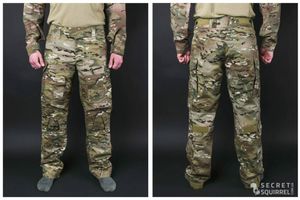
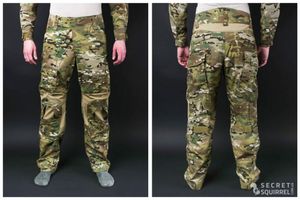
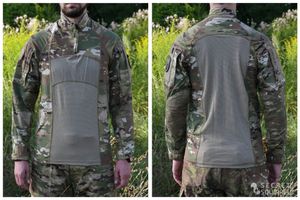
Tactical models may also have functional features, such as reinforced sections, pockets, or coloring adapted to the user's gear. However, camouflage alone does not make a long-sleeve shirt specialized military clothing. If the garment is intended for active use, it is important to consider the material, seams, fit, and specific purpose rather than appearance alone.


Which Material Should You Choose?
The material determines how a long-sleeve shirt feels against the body, how well it allows air to pass through, how effectively it retains its shape, and how suitable it is for different conditions. There is no single best fabric for every situation: much depends on the intensity of movement, temperature, personal comfort, and the construction of the garment itself.
Cotton
A cotton long-sleeve shirt is usually comfortable against the skin and well suited to everyday wear. It is a practical option for city use, work without significant physical exertion, walks, and relaxation.
At the same time, cotton absorbs moisture and may remain wet for longer after heavy sweating. Therefore, for running, intense workouts, or prolonged movement in changeable weather, pure cotton is not always the most comfortable choice. The fiber composition is not the only factor to consider; the density and structure of the knit also matter.
Polyester and Other Synthetic Fibers
Synthetic fabrics are often used in sportswear because of their low weight, ability to move moisture away from the body, and relatively quick drying time. However, these properties depend on the fiber type, weaving or knitting method, treatment, and garment construction. The word “polyester” on a label alone does not guarantee that a particular long-sleeve shirt will be comfortable under every level of exertion.
For active use, pay attention to ventilation zones, elasticity, and how quickly the fabric feels dry after getting wet. For relaxed everyday wear, these advantages may be less important than how comfortable the fabric feels against the skin.
Blended Fabrics and Elastane
Combining cotton with synthetic fibers makes it possible to balance comfort, durability, and ease of care. A small proportion of elastane adds stretch, helps the garment adapt to movement, and supports a consistent fit. However, the result depends on the proportions of the fibers and the quality of the knit, not merely on the presence of a particular component.
If you need a long-sleeve shirt for regular use, check the composition on the label and follow the manufacturer's washing instructions. This is a more reliable guide than general assumptions that one fabric is always better than another.
How to Choose a Long-Sleeve Shirt by Size and Purpose
Before buying, determine where and under what conditions you will wear the garment. For everyday use, a model that does not restrict movement, does not fit too tightly around the torso, and pairs well with your existing trousers and outerwear is usually convenient. For sports, it is more important that the fabric performs well during movement and that the cut does not interfere with raising your arms, bending, or running.
Pay attention to several details. The shoulder seams should match the construction of the chosen model, the sleeves should not ride up excessively during movement, and the neckline should retain its shape without causing discomfort. The garment's length depends on how you plan to wear it: untucked, tucked into trousers, or beneath another layer of clothing.
Seasonality is also worth considering. Lightweight knit fabric is more comfortable in warm weather and for layered outfits, while a denser material may be better suited to cooler days. However, thickness alone does not determine insulation: the fabric structure, fit, and the layers worn over it all matter.
The men's long-sleeve shirt catalog offers models that can be selected according to design and intended use. When choosing, consider not only the color and print but also the fabric composition, cut, and suitability for the conditions in which the garment will be used.
What to Wear with a Men's Long-Sleeve Shirt
A men's long-sleeve shirt can easily be adapted to different casual outfits. The key is not to overcomplicate the look unnecessarily and to pay attention to proportions.
With Jeans and Sneakers
A plain long-sleeve shirt with straight or tapered jeans is a simple everyday combination. Sneakers or canvas shoes maintain the relaxed character of the outfit, while a lightweight jacket, shirt, or overshirt adds another layer. If the top has a large print, jeans without prominent decorative details will help prevent visual overload.
With Cargo Pants and Tactical Footwear
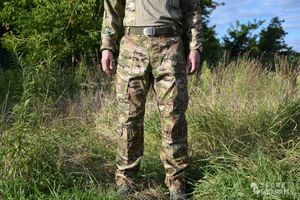
A long-sleeve shirt paired with cargo pants creates a functional casual look, especially when combined with sturdy sneakers or boots. Olive, black, gray, and other understated shades are easy to combine. A camouflage top is best balanced with a plain bottom so that the different elements do not compete for attention.
Under a Jacket, Shirt, or Vest
A lightweight long-sleeve shirt works well as a base layer under a denim jacket, fleece, heavy-fabric shirt, or lightweight vest. It is important that the sleeves and torso do not bunch up under the outer layer. If you plan to wear several layers, an excessively loose model may be less practical than a straight or moderately fitted cut.

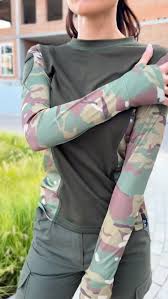
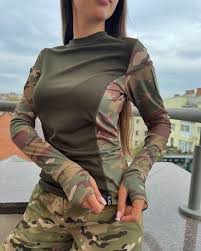
What to Wear with a Women's Long-Sleeve Shirt
A women's long-sleeve shirt is not limited to a single style either. It can be paired with jeans, wide-leg trousers, cargo pants, skirts, or sportswear. Fit, garment length, and the balance of volumes are the deciding factors.
A fitted model works well with wide-leg trousers or loose-fitting jeans: the contrast between the silhouettes makes the outfit more expressive. A loose long-sleeve shirt can be worn with straight-leg jeans, leggings, or cargo pants. If the top is voluminous, it is worth considering its length and proportions so that the fabric does not create the impression of an oversized garment chosen by mistake.
A plain long-sleeve shirt is easy to combine with a blazer, shirt, or vest, while a model with graphics can become the main accent of an outfit. For a sporty style, choose models that do not restrict movement and suit the level of exertion. There is no need to select a garment solely according to gender labeling: what matters more is that the cut, size, and proportions match the desired result.
When Is a Long-Sleeve Shirt Suitable for Different Seasons?
A long-sleeve shirt is particularly convenient during transitional seasons, when a T-shirt is no longer enough, but a warm sweater or jacket is not yet necessary. In spring and autumn, it can serve as a standalone outer layer in moderate weather or as part of a layered outfit. In summer, a lightweight model can be useful in the evening, in air-conditioned indoor spaces, or during activities that require the arms to be covered.
In cold weather, a long-sleeve shirt can be used as a base layer under insulated clothing. However, an ordinary cotton model does not automatically qualify as proper thermal underwear: if intense activity in cold conditions is planned, moisture management, drying speed, and compatibility with subsequent layers should be taken into account.
Long sleeves also do not guarantee protection from the sun. The level of ultraviolet protection depends on the material, density, color, and fabric construction. For prolonged exposure to direct sunlight, it is advisable to choose clothing with a verified UPF rating rather than relying on sleeve length alone.
In a study published in the journal Anais Brasileiros de Dermatologia in 2026, researchers tested six black long-sleeve shirts made from fabrics claimed to provide UPF 50+ protection. Each garment underwent up to 50 machine-washing cycles, followed by drying in direct sunlight. The researchers assessed changes in ultraviolet radiation transmission and fabric structure.
The results varied depending on the individual garment. After repeated washing cycles, the spacing between fibers and radiation transmission measurements changed in some samples; one of the shirts tested no longer retained a UPF 50 rating after just 10 cycles. This does not mean that all long-sleeve shirts lose their protective properties after washing: the study examined six specific sun-protective garments. It demonstrates something else: claimed fabric characteristics should be evaluated in light of the material's construction and its behavior during use.
How to Care for a Long-Sleeve Shirt
To help the garment retain its shape and appearance for longer, follow the manufacturer's label first and foremost. The recommended washing temperature, whether machine drying is permitted, and ironing instructions depend on the fabric composition, dyeing, and garment construction.
Before washing, it is worth turning the long-sleeve shirt inside out, especially if it has a print. Do not automatically choose a high temperature or intensive wash cycle: these can accelerate graphic wear, cause certain fabrics to shrink, or affect the garment's shape. If the model contains elastane, excessive heat is also undesirable.
Drying is equally important. Follow the label instructions and do not put the garment away until it is completely dry. If the long-sleeve shirt is used for sports, do not leave it damp for a long time after a workout: timely washing and proper drying help prevent persistent odors.


A long-sleeve shirt is not one specific model but an entire category of long-sleeved clothing in which the cut, material, and intended use can vary considerably. Basic cotton models are generally convenient for everyday wardrobes; fit and knit thickness matter for layered outfits; and sportswear requires materials that perform well during movement and contact with moisture.
To choose the right long-sleeve shirt, start with the conditions in which it will be used rather than the print or fashionable silhouette. Once you know where and why you will wear it, it becomes easier to choose the right cut, fabric, and color. The remaining step is to coordinate its proportions with the other elements of your wardrobe, turning the long-sleeve shirt from an impulse purchase into a genuinely useful part of your everyday clothing.

Igor Ivandikov — author of the article
Project Manager
Has over 3 years of experience working in the field of camping equipment. Well-versed in products for tourism, camping, and outdoor recreation.
Responsible for coordinating projects, monitoring deadlines, and ensuring the quality of task completion.
He enjoys football (soccer) and billiards, participates in competitions, and has won prizes on numerous occasions. He is a fan of active recreation.
FAQ. Answers to Frequently Asked Questions
1. What is a long-sleeve shirt?
2. How does a long-sleeve shirt differ from a sweatshirt?
3. Which long-sleeve shirt is best for sports?
4. What should you wear with a men's long-sleeve shirt?