When the weather changes several times a day and clothing and footwear must withstand rain, wind, and intense activity, it is important not only to protect yourself from water but also to remain comfortable while moving. Membrane materials are designed for this purpose, and GORE-TEX holds a special place among them.
The name GORE-TEX is often used as a general term for waterproof clothing and footwear, although it is actually a trademark covering various technological solutions. They differ in construction, purpose, and properties. To understand why Gore-Tex is valued, it is worth examining how the membrane works, what determines its effectiveness, and under which conditions this technology is genuinely useful.
What Is GORE-TEX?
GORE-TEX is a trademark for technologies and materials developed by W. L. Gore & Associates. It covers various solutions for protection against bad weather, including waterproof membrane materials and windproof products. Therefore, the properties of a particular product should be determined by its product line and labeling, not merely by the brand name.
Waterproof GORE-TEX products are designed to protect against external water and wind while allowing water vapor to move away from the body. This helps reduce moisture buildup inside clothing or footwear during physical activity. However, the membrane does not eliminate sweating and does not guarantee that the user will remain dry under all conditions.
It is also important to distinguish between waterproof GORE-TEX products and WINDSTOPPER Products by GORE-TEX LABS. The latter are primarily designed for wind protection and breathability and should not automatically be considered waterproof. Before purchasing, check the intended use and labeling of the specific model.
In 1969, Bob Gore discovered the properties of expanded polytetrafluoroethylene (ePTFE). This material later became the foundation of classic GORE-TEX technology. In 1976, the company sold the first GORE-TEX fabric, marking the beginning of its commercial use.
How Does the GORE-TEX Membrane Work?
The main purpose of a waterproof membrane is to prevent water from entering from the outside while helping water vapor produced by sweating escape. However, performance depends on more than the membrane alone: the entire product construction, outer fabric, lining, seams, ventilation, and conditions of use all matter.
Waterproofness: Protection Against Rain and Wet Snow
The membrane material creates a barrier against external water. However, even a high-quality membrane does not work independently of the rest of the construction. In finished clothing, seam sealing, zippers, flaps, and the points where components join are important. In footwear, the upper construction, tongue, seams, and methods used to join components also matter.
If water enters through an unprotected zipper, the top edge of footwear, or another structural opening, this does not necessarily indicate damage to the membrane. Therefore, the waterproofness of a finished product is determined by the entire protection system, not merely by the presence of a membrane layer.
Breathability: Where Does the Moisture Go?
During walking, running, or other physical activity, the body releases heat and water vapor. Membrane constructions are designed so that, under suitable conditions, this vapor can move from the inside to the outside. This helps regulate moisture inside clothing or footwear.
However, breathability does not mean unlimited sweat removal. If a person is moving intensely, the clothing is too warm, external humidity is high, or air circulates poorly between layers, moisture can accumulate inside. This is why even waterproof membrane clothing can sometimes become damp on the inside.
For comfort, it is important to choose all clothing layers correctly, avoid excessive insulation, and use ventilation openings if they are part of the design.
Official GORE-TEX Professional materials state that the ePTFE membrane has more than 1.4 billion pores per square centimeter. According to the manufacturer, these pores are approximately 20,000 times smaller than a drop of water but 700 times larger than a water vapor molecule.
Wind Protection: Less Heat Loss
Wind increases the sensation of cold, partly by intensifying convective heat transfer and blowing through clothing. Windproof material helps reduce this effect, while waterproof GORE-TEX products combine wind protection with protection against external water.
However, the membrane itself does not provide insulation in the same way as fleece, down, or synthetic insulation. Its purpose is to provide barrier properties, while thermal insulation depends on other layers and the air they retain.
What Is the Membrane Made Of?
The membrane's construction depends on the generation of the technology. Classic GORE-TEX materials used expanded polytetrafluoroethylene (ePTFE), while newer generations also use expanded polyethylene (ePE). In modern membranes, these materials may form part of a multi-component construction that includes polyurethane.
Therefore, not all GORE-TEX membranes have the same composition or an identical moisture-transfer mechanism. In microporous constructions, the pore structure plays an important role, while the operating principle of a particular material must be considered in the context of its composition and manufacturing technology.
What Do 2L and 3L Mean?
When choosing membrane clothing, you may encounter the designations 2L and 3L. They describe the construction of the material, not the number of clothing layers you need to wear.
In a 2L construction, the membrane is bonded to the outer fabric, while a separate lining or another protective layer is usually present on the inside. This solution is often used in everyday clothing and jackets where comfort and convenience are important.
In a 3L construction, the outer fabric, membrane, and inner protective layer are bonded into a single laminate. This structure can provide a durable and stable construction for active use, although the specific characteristics depend on the materials and model.
You should not assume that 3L is always better than 2L. The choice depends on the intended use of the clothing, activity intensity, weight requirements, abrasion resistance, and comfort.
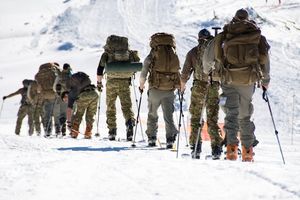
In 1988, Gore received its first major orders for GORE-TEX fabric for military personnel. This was an important milestone in the technology's expansion beyond outdoor recreational equipment and confirmed its value for clothing intended for use in challenging weather conditions.
Advantages and Limitations of GORE-TEX
The main advantage of waterproof GORE-TEX membrane products is the combination of protection against external water and wind with the ability to release water vapor. This is particularly useful when spending extended periods outdoors in changeable weather, moving in the rain, or working in conditions where ordinary clothing quickly becomes wet.
At the same time, membrane technology does not make a product universal. It does not replace insulation, prevent overheating, or guarantee absolute comfort during intense activity. These products may also cost more than models without a membrane.
The result is affected by the condition of the outer fabric, proper care, construction details, and compatibility with other clothing layers. For example, if the outer material becomes saturated with water, this may reduce comfort and make moisture transfer more difficult. The membrane itself, however, may remain waterproof.
Therefore, when choosing a product, it is important to evaluate not only the name of the technology but also the intended use of the specific model, its construction, and the conditions in which you plan to use it.
Where Is GORE-TEX Used?
Membrane Clothing
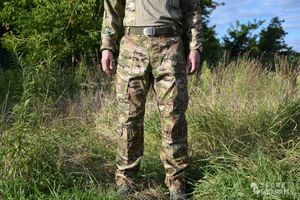
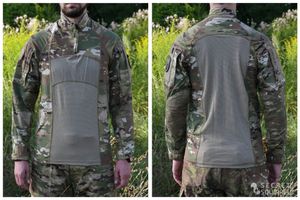
Jackets, trousers, and other products made with waterproof GORE-TEX materials are used in hiking, mountaineering, everyday life, and military gear. They can be useful during extended periods outdoors when rain, wet snow, and wind create additional challenges.
However, a membrane jacket is not always the best choice for every activity. For intense movement in dry weather, lightweight, well-ventilated clothing may be more suitable, whereas waterproof protection becomes a priority during prolonged rain. Insulation, ventilation, fit, and the ability to regulate temperature should also be considered.
GORE-TEX Footwear
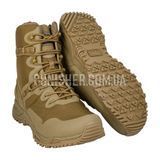
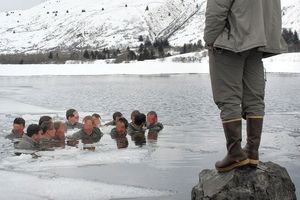
The membrane is used in trekking boots, hiking footwear, tactical models, and other products designed for use in adverse weather conditions. It helps protect the feet from external moisture while allowing water vapor to escape from the inside.
However, the result also depends on the footwear's construction. Water can enter through the top edge if a boot is submerged above the level of its protection. In addition, the membrane cannot compensate for an incorrect size, unsuitable socks, or excessive sweating.
For extended use, it is worth evaluating not only the presence of GORE-TEX but also the upper material, boot height, outsole, fit, and conditions in which you will be moving.
At What Temperature Is GORE-TEX Comfortable to Wear?
There is no universal temperature at which GORE-TEX works best. The membrane itself does not determine whether a person will feel warm or cold: this depends on the product's insulation, activity level, humidity, wind, physiological characteristics, and the rest of the clothing.
In warm, rainy weather, waterproof membrane clothing can protect against precipitation, but intense movement carries a risk of overheating and moisture accumulating inside. In cold weather, it can serve as the outer protective layer in a layering system, provided that the insulation and base layer underneath are chosen correctly.
For footwear, thermal insulation, outsole thickness, fit, and socks are also important. Membrane boots without insulation do not automatically become winter boots simply because they are waterproof.
What Socks Should You Wear with Membrane Footwear?
For membrane footwear, choose socks that wick away moisture and suit the conditions of use. Synthetic materials and merino wool may be appropriate depending on the temperature, activity level, and individual comfort. Cotton socks are often less practical for prolonged activity because they retain moisture and dry more slowly.
Thickness is equally important: socks that are too thick can impair air circulation, create pressure, and restrict toe movement. This can increase the sensation of cold even in high-quality footwear. For winter use, consider not only the sock material but also whether there is enough space inside the boot for thermal insulation.
How to Care for GORE-TEX Products
The properties of a membrane product depend not only on its original construction but also on proper care. Dirt, grease, and wear of the outer fabric's water-repellent treatment can reduce comfort during use. At the same time, care instructions for clothing and footwear differ, so it is important to follow the manufacturer's instructions for the specific model.
It is also worth distinguishing between the membrane's waterproofness and the water-repellent properties of the outer layer. If water stops beading and begins soaking into the outer fabric, this does not necessarily mean that the membrane has lost its waterproofness. However, the outer material may become heavier and create a sensation of dampness and cold.
We explain more about washing membrane clothing, drying it, restoring the water-repellent treatment, and caring for GORE-TEX footwear in a separate article.
GORE-TEX is a weather-protection technology that helps combine waterproofness with water vapor transfer. Its advantages are particularly noticeable when spending extended periods outdoors, moving in the rain, or working in changeable weather conditions.
However, comfort is determined not by the name on the label itself, but by the combination of membrane construction, outer materials, seams, insulation, ventilation, and proper care. When choosing GORE-TEX clothing or footwear, it is worth considering the actual conditions of use and the characteristics of the specific model rather than expecting one technology to solve every problem related to moisture and temperature.

Igor Ivandikov — author of the article
Project Manager
Has over 3 years of experience working in the field of camping equipment. Well-versed in products for tourism, camping, and outdoor recreation.
Responsible for coordinating projects, monitoring deadlines, and ensuring the quality of task completion.
He enjoys football (soccer) and billiards, participates in competitions, and has won prizes on numerous occasions. He is a fan of active recreation.
FAQ. Answers to Frequently Asked Questions
1. Can GORE-TEX footwear or clothing get wet?
2. Can GORE-TEX membrane clothing be machine-washed?
3. How is GORE-TEX different from ordinary waterproof fabric?
4. Is GORE-TEX suitable for winter?